← Back to Blog
Buying
Houses for Sale in Cedar Hill, Texas: What Every Buyer Needs to Know Before Making an Offer
By LaMonica Birmingham
September 18, 2026 · 10 min read
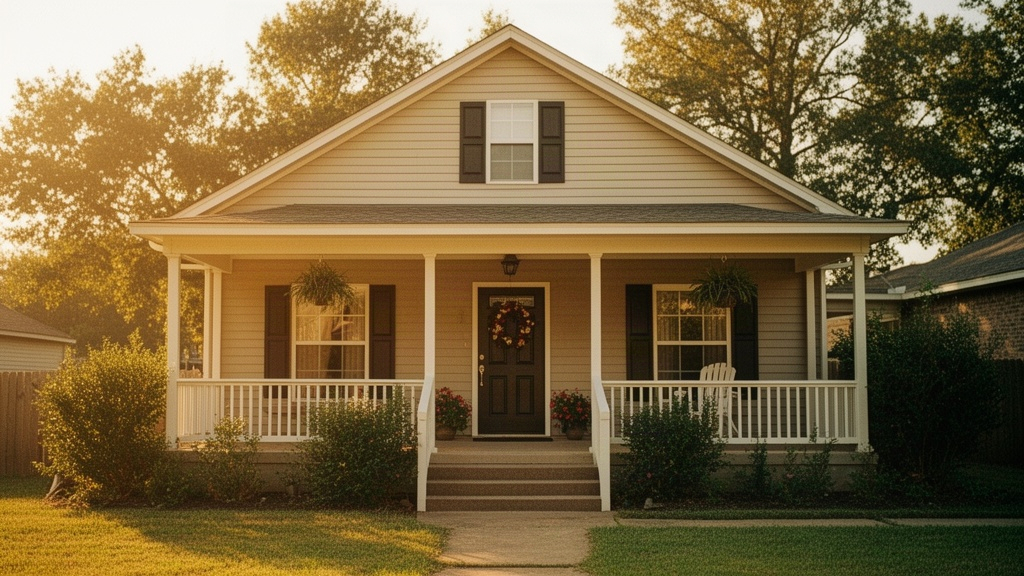
If you are searching for houses for sale in Cedar Hill, Texas, you are looking at one of the more varied housing markets in the Dallas-Fort Worth Metroplex, with single-family homes ranging from the upper $200s to well over $700,000 depending on the area, lot size, and age of construction. This guide covers what the inventory looks like right now, how prices break down by property type, what the offer process typically involves, and the local details that actually matter when you are deciding where to plant roots in Cedar Hill.
1. What the Cedar Hill Housing Inventory Looks Like Right Now
Cedar Hill currently carries a healthy supply of active listings across multiple price points, giving buyers more options than the market offered two or three years ago. Texas as a whole has seen a significant expansion in housing inventory, and Cedar Hill reflects that broader trend, with homes sitting on the market slightly longer than they did during the peak competition years of 2021 and 2022.
How Much Inventory Is Available
As of September 2026, active listings of single-family homes in Cedar Hill generally number in the range of 150 to 220 properties at any given point, depending on the week and price tier. That figure represents a meaningful increase from the sub-100 inventory levels the city saw during 2021, and it means buyers have time to be deliberate rather than reactive. Homes priced accurately for their condition and location are still moving within 30 to 45 days, while overpriced listings are sitting 60 to 90 days or longer before sellers adjust.
The inventory mix skews heavily toward single-family detached homes, which make up the vast majority of houses for sale in Cedar Hill, Texas. Townhomes and attached units exist but represent a smaller slice of the market. If you are specifically looking for a standalone home on a private lot, Cedar Hill delivers far more options than many comparable cities in the DFW area.
What Property Types Dominate the Market
The dominant housing type in Cedar Hill is the traditional single-family home built on a quarter-acre to half-acre lot, often with a two-car garage, brick or brick-and-stone exterior, and an open floor plan. Construction eras vary widely across the city. You will find homes built in the 1970s and 1980s in the older parts of Cedar Hill near downtown, homes from the 1990s and early 2000s in established subdivisions like Lake Ridge and Lakeridge, and homes from 2015 onward in newer developments such as High Pointe.
Lot sizes tend to be more generous in Cedar Hill than in closer-in DFW suburbs. It is not unusual to find a home on a half-acre or larger lot, particularly in Lake Ridge, where the terrain is hilly and heavily treed. That combination of land and tree coverage gives Cedar Hill a character that is noticeably different from the flat, dense subdivisions common in parts of Duncanville or DeSoto.
2. Price Ranges for Houses for Sale in Cedar Hill, Texas
Cedar Hill's price range in September 2026 spans roughly $270,000 on the low end to $800,000 and above for larger homes on premium lots. The median price for a single-family home in Cedar Hill sits in the low-to-mid $400,000 range, though that figure shifts depending on which part of the city you focus on.
Entry-Level and Mid-Range Homes
Entry-level homes in Cedar Hill: Homes priced between $270,000 and $350,000 are typically older construction from the 1970s through the early 1990s, often with three bedrooms, two bathrooms, and square footage in the 1,400 to 1,900 range. These properties may need cosmetic updates or system replacements, and buyers should budget accordingly for inspections and potential repairs.
Mid-range homes from $350,000 to $500,000: This is where the bulk of Cedar Hill's active inventory lives. Homes in this range are frequently 2,000 to 3,200 square feet, built between 1995 and 2015, and located in established subdivisions. Many have been updated in the kitchen or primary bathroom, and lots in this price range often run from a quarter-acre to just under half an acre.
For a broader look at how these figures compare to what the Dallas market is doing overall, recent reporting on Dallas housing demand and inventory trends provides useful context. Cedar Hill has largely tracked the broader DFW pattern of stable prices alongside expanded inventory.
Upper-Range and Larger Properties
Homes priced from $500,000 to $800,000: Properties in this range are typically 3,000 to 5,000 square feet, often located in Lake Ridge or High Pointe, and frequently feature four or five bedrooms, three-car garages, media rooms, and outdoor living spaces. Lot sizes can reach one acre or more in Lake Ridge, where the topography creates elevated views and natural privacy.
Above $700,000, Cedar Hill has a smaller but active luxury segment. These homes tend to be custom or semi-custom builds with premium finishes, larger acreage, and features like pools, outdoor kitchens, and extended garages. If you are exploring this segment specifically, the luxury home market guide for Cedar Hill covers that tier in depth.
3. Key Neighborhoods and Subdivisions to Know
Cedar Hill is not a uniform grid of subdivisions. The city's terrain, which includes the Escarpment bluffs along the eastern edge of the Balcones Fault Zone, creates distinct micro-areas with very different feels, price points, and lot characteristics.
Established Subdivisions
Lake Ridge and Lakeridge: These are among the most recognized names in Cedar Hill real estate. Lake Ridge sits on the eastern side of the city near Joe Pool Lake and Cedar Hill State Park. Homes here tend to be on larger, wooded lots with significant elevation changes. The subdivision was developed across multiple decades, so you will find homes from the 1980s through the 2010s within the same general area. Prices currently range from the mid-$300,000s to well above $600,000 depending on lot size, condition, and view.
Uptown Village area: Closer to the US-67 corridor and the Uptown Village shopping and dining district, this part of Cedar Hill draws buyers who want walkable access to retail and restaurants. Homes here are a mix of older ranch-style properties and updated builds, generally priced from the upper $200,000s into the mid-$400,000s.
Newer and Master-Planned Areas
High Pointe: This newer master-planned community in the northern part of Cedar Hill features homes built primarily from the mid-2010s onward. Lots tend to be smaller than Lake Ridge but homes are newer construction with open-concept layouts, energy-efficient systems, and HOA-maintained common areas. Prices generally run from the mid-$400,000s into the $600,000s. If you are considering this area, the detailed guide on buying a home in High Pointe covers the process, costs, and timeline specific to that subdivision.
Beltline Road corridor: Properties along and near Beltline Road offer convenient access to US-67 and FM 1382, which are the two main arteries through Cedar Hill. This corridor includes a mix of older single-family homes and some newer infill construction. Buyers who prioritize quick access to the highway over lot size often focus here.
For a broader overview of how the different parts of Cedar Hill compare in terms of housing stock and character, the article on what it is like to live in the Highpoint and Lake Ridge area is worth reading before you narrow your search.
4. What the Offer and Purchase Process Looks Like in Cedar Hill
Making an offer on a house in Cedar Hill follows Texas-specific contract conventions, and understanding those conventions before you tour homes puts you in a stronger position when you find a property you want.
Timelines and Contingencies
Option period: Texas purchase contracts include an option period, typically five to ten days, during which the buyer pays a small option fee (usually $100 to $500 depending on the price point and negotiation) to retain the right to terminate the contract for any reason. This is when inspections happen. In Cedar Hill's current market, sellers are generally open to reasonable option periods, unlike the compressed timelines buyers faced in 2021.
Inspection considerations: Older homes in Cedar Hill, particularly those built before 1995, may have aging HVAC systems, original plumbing, or roofs approaching the end of their lifespan. Cedar Hill's clay-heavy soil also creates foundation movement over time, so a thorough foundation inspection is standard practice. Budget for a general home inspection ($350 to $500), a foundation inspection if flagged ($150 to $300), and a sewer scope on older properties ($150 to $200).
Closing timelines: A standard purchase in Cedar Hill closes in 30 to 45 days from executed contract to funding. Cash purchases can close faster, sometimes in 14 to 21 days. Lender-financed purchases are subject to appraisal, which can add a week or more to the timeline if the appraiser's schedule is backed up.
Costs Beyond the Purchase Price
Buyers in Cedar Hill should plan for closing costs in the range of 2% to 3% of the purchase price on top of the down payment. On a $420,000 home, that works out to roughly $8,400 to $12,600 in lender fees, title insurance, escrow fees, and prepaid items like homeowners insurance and property tax escrow. Cedar Hill falls within Dallas County for most of its footprint, with a smaller portion in Ellis County, and property tax rates vary between the two, so confirming which county a specific address falls in matters for your annual cost estimate.
HOA fees apply in many of Cedar Hill's subdivisions, including Lake Ridge and High Pointe. Annual HOA dues in Cedar Hill typically run from $400 to $900 per year for standard single-family homes, though some communities with more amenities may be higher. Always confirm HOA dues, transfer fees, and any special assessments before finalizing an offer.
5. Local Amenities and Features That Affect Home Values
Where a home sits within Cedar Hill, and what surrounds it, has a measurable effect on price and on how long it takes to resell. Understanding the city's physical layout helps you evaluate whether a specific listing is priced fairly.
Parks, Recreation and Open Space
Cedar Hill State Park: The 1,826-acre state park on the western shore of Joe Pool Lake is one of Cedar Hill's most significant assets. Homes in the Lake Ridge area that back up to or sit near the park command a premium because of the proximity to trails, water access, and the visual buffer of preserved land. The park draws visitors from across the DFW area, which also means the roads near the park entrance on FM 1382 can be congested on weekends.
Joe Pool Lake: The lake sits on Cedar Hill's eastern boundary and is shared with Grand Prairie and Mansfield. Homes with lake views or lake access sell at a meaningful premium over comparable inland properties. Lakefront inventory in Cedar Hill is limited and tends to move quickly when priced correctly.
Uptown Village: This open-air retail and dining district along US-67 includes grocery anchors, national retailers, and local restaurants. Proximity to Uptown Village is a selling point for homes in the central and northern parts of Cedar Hill, and the area has continued to add tenants through 2026.
Access and Commute Considerations
Cedar Hill sits approximately 20 miles southwest of downtown Dallas, with US-67 as the primary highway connection. During peak morning commute hours, the drive from Cedar Hill to downtown Dallas typically runs 35 to 55 minutes depending on the specific origin point within the city and traffic conditions on US-67 near Duncanville. For a detailed breakdown of what that commute actually looks like at different departure times, the article on the Cedar Hill to downtown Dallas commute during rush hour is worth reviewing before you decide where in the city to focus your search.
Access to other employment centers varies by location within Cedar Hill. Homes in the northern part of the city near FM 1382 and Straus Road have quicker access to Mountain Creek Parkway, which connects to the southern Dallas employment corridor and the Dallas Executive Airport area. Homes in the southern part of Cedar Hill near Mansfield Road have easier access to Mansfield and Arlington, which matters if your workplace is in Tarrant County.
If you are relocating to Cedar Hill from outside the DFW area and want a broader picture of what the city offers beyond housing, the guide on relocating to Cedar Hill, Texas covers neighborhoods, costs, and timelines in one place.
FAQ
What is the average price of houses for sale in Cedar Hill, Texas right now?
As of September 2026, the median price for a single-family home in Cedar Hill sits in the low-to-mid $400,000 range, though active listings span from the upper $270,000s for older, smaller homes to $800,000 and above for larger properties on premium lots in areas like Lake Ridge. The price you pay depends heavily on the age of the home, lot size, location within the city, and condition. Homes in newer subdivisions like High Pointe tend to be priced higher per square foot than comparable older homes near downtown Cedar Hill, reflecting newer systems and finishes.
How long does it typically take to buy a house in Cedar Hill, Texas?
From the time you make an accepted offer to the day you close, a standard financed purchase in Cedar Hill takes 30 to 45 days. The option period, which is when inspections occur, runs five to ten days from the executed contract date. Before you even make an offer, you should have a mortgage pre-approval in hand, which can take one to five business days depending on your lender and how quickly you can supply documents. In total, from the start of your active search to closing day, most buyers in Cedar Hill spend two to three months in the process, though that varies based on how competitive the price range is and how quickly you find the right home.
Are there new construction homes for sale in Cedar Hill, Texas?
Yes, Cedar Hill has active new construction activity in 2026, particularly in the northern and western parts of the city where developable land remains. Builders are delivering homes in the $400,000 to $600,000 range in master-planned communities, with some custom and semi-custom projects at higher price points. New construction typically comes with builder warranties on structure and systems, which reduces near-term maintenance costs but often means smaller lots and less mature landscaping compared to established subdivisions. For a detailed look at what is being built and where, the guide on new construction and development projects in Cedar Hill covers the current pipeline.