← Back to Blog
Neighborhoods
What Is It Actually Like to Live in the Valencia Neighborhood of Santa Clarita Day to Day
By Larry Fleischman
Southland Property Management · DRE# 02051299
September 4, 2026 · 12 min read
If you're weighing a move to Santa Clarita and wondering what it is actually like to live in the Valencia neighborhood day to day, the honest answer is that daily life here looks and feels quite different from most of Los Angeles County. Valencia is the largest and most built-out community within Santa Clarita, and understanding its rhythms, its streets, its price points, and its trade-offs is the best starting point for deciding whether it fits your life.
1. The Physical Layout of Valencia and What It Means for Daily Life
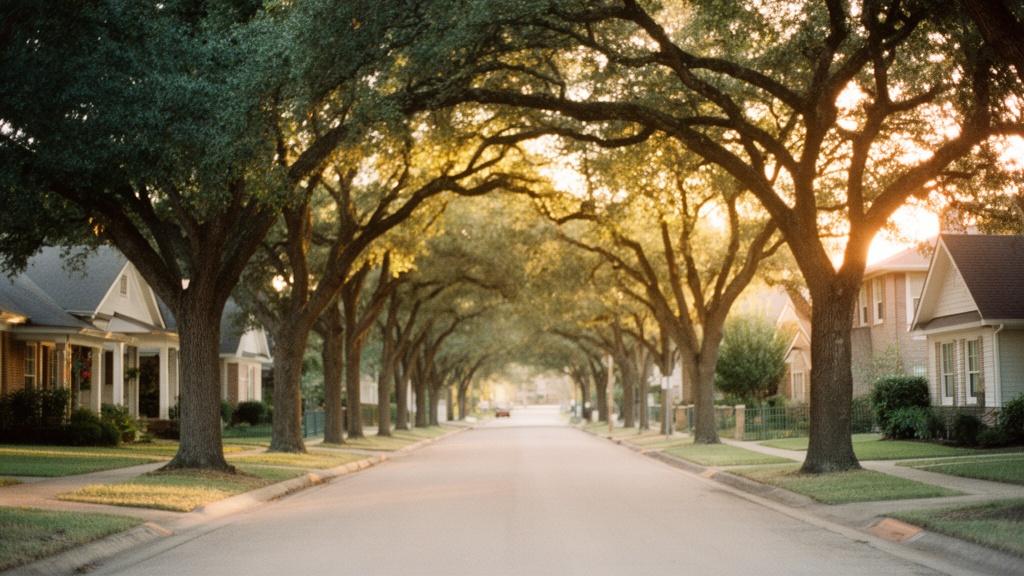
Valencia is a master-planned community, and that planning shapes almost every part of daily life. It was developed starting in the late 1960s by the Newhall Land and Farming Company, and the intentional design is still visible today in the wide, tree-lined streets, the consistent landscaping along major corridors, and the way neighborhoods are organized into distinct villages rather than one undifferentiated grid.
How Valencia Is Organized
Valencia sits in the western portion of Santa Clarita and is bounded roughly by the 5 Freeway to the east, McBean Parkway to the west, Valencia Boulevard to the south, and Newhall Ranch Road to the north. Within that footprint, you have distinct villages: West Creek, West Hills, Bridgeport, Northbridge, Tesoro, and others, each with its own HOA, its own streetscape character, and sometimes its own pool and clubhouse.
For someone moving from a city with a more organic street pattern, the structure can feel refreshing or, depending on your preference, a bit uniform. Streets curve gently rather than running in straight lines. Cul-de-sacs are common. The visual consistency is high: stucco exteriors, tile roofs, and mature landscaping are the norm throughout most of Valencia.
The Paseo System
One of the most distinctive features of daily life in Valencia is the paseo system. Paseos are paved pedestrian and bicycle paths that run behind homes, under streets, and through open corridors, connecting neighborhoods to parks, schools, and commercial areas without requiring you to walk along a main road. There are roughly 40 miles of paseos woven through Valencia. On any given morning or evening, you will see walkers, joggers, cyclists, and people with strollers using them. They are genuinely integrated into how residents move around the community.
For a deeper breakdown of Valencia's villages and how the paseo network connects them, this Valencia neighborhood guide covers the sub-areas and price ranges in useful detail.
2. Housing Stock, Home Styles, and What You Can Expect to Pay
The housing in Valencia is varied enough to serve a wide range of budgets, though it skews toward the upper end of the Santa Clarita market overall. You can find entry-level condos in the mid-$400,000s and single-family homes that push well past $1.2 million in the newer West Creek and West Hills villages. The middle of the market, detached homes in the 1,500 to 2,200 square foot range, tends to cluster between $750,000 and $950,000 as of September 2026, though specific pricing shifts with inventory and interest rates.
For a broader picture of where Valencia prices sit relative to the rest of Santa Clarita, the article on average home prices in Santa Clarita right now gives useful context for comparing neighborhoods.
Single-Family Homes
Most single-family homes in Valencia were built between 1985 and 2010, with newer construction concentrated in West Creek and West Hills, which were developed in the 2000s and early 2010s. Lot sizes in the older villages like Northbridge and Bridgeport tend to run from about 5,000 to 8,000 square feet. Newer villages often have slightly smaller lots, sometimes under 5,000 square feet, but larger interior square footage, with homes commonly ranging from 2,000 to 3,500 square feet.
Architectural variety within Valencia is modest. Stucco with a tile roof is the dominant style across nearly every village. What differentiates homes is more about the floor plan, the lot position, the view, and the condition of interior updates than any dramatic difference in exterior architecture. Buyers who want a Victorian, a craftsman bungalow, or a mid-century modern home will need to look at Newhall or Canyon Country instead.
Condos, Townhomes, and HOA Communities
Attached housing is plentiful in Valencia and represents one of the more accessible entry points into the community. Condo and townhome complexes are scattered throughout the community, with notable concentrations near Valencia Boulevard and along McBean Parkway. Many include amenities like pools, spas, and covered parking. HOA fees in these communities typically run from around $300 to $500 per month, depending on the complex and the amenities included, and that is on top of any master HOA fee if the complex sits within a larger planned village.
HOAs in Valencia are generally active. Rules around exterior paint colors, landscaping maintenance, and parking are enforced. For buyers who want a well-maintained streetscape and consistent curb appeal, this is a feature. For buyers who prefer to make exterior modifications freely, it is a meaningful constraint worth understanding before you buy.
3. Getting Around: Commutes, Traffic, and Local Errands
Your daily commute experience from Valencia depends heavily on where you are going and what time you leave. Valencia is positioned along the Interstate 5 corridor, which is the primary artery connecting Santa Clarita to the San Fernando Valley and central Los Angeles. That access is both the community's biggest logistical asset and its most significant daily friction point.
Commuting Out of Valencia
The drive from Valencia to the Warner Center area in Woodland Hills is roughly 20 miles and takes about 25 to 35 minutes outside of peak hours. During the morning rush, typically between 7:00 and 9:00 a.m., that same drive can stretch to 45 to 65 minutes depending on incidents and volume on the 5 and the 405. Downtown Los Angeles is about 35 miles from central Valencia and can take anywhere from 40 minutes at an off-peak hour to 75 minutes or more during heavy traffic.
Metrolink's Antelope Valley Line has a station in downtown Newhall, which is about 10 minutes from most of Valencia. From there, trains run to Union Station in downtown Los Angeles, with the trip taking roughly 55 to 70 minutes depending on the service. For commuters who can work from a laptop on the train, this is a genuine alternative to sitting on the freeway. Many Valencia residents combine driving to the Metrolink station with the train for their downtown commute.
Running Errands Day to Day
Within Valencia itself, daily errands are straightforward and rarely require freeway access. Grocery options include a Vons and a Ralphs on Valencia Boulevard, a Whole Foods near the Town Center, and a Sprouts in the Bridgeport area. Major retail, medical offices, urgent care facilities, and a large concentration of restaurants are all accessible via surface streets. The internal street network is well-designed, and most residents can handle grocery runs, pharmacy visits, and similar tasks in under 15 minutes without touching the freeway.
Henry Mayo Newhall Hospital, the primary full-service hospital serving the Santa Clarita Valley, is located in Valencia near McBean Parkway and is accessible from most Valencia neighborhoods in 10 minutes or less. For residents who want proximity to a hospital, Valencia's location relative to Henry Mayo is one of the more practical aspects of daily life here.
4. Parks, Trails, and Outdoor Life in Valencia
Outdoor access is one of the most consistent things residents point to when describing what daily life in Valencia feels like. The combination of the paseo network, the city's maintained parks, and the proximity to the Santa Clara River trail system means that getting outside for a walk, a run, or a bike ride requires almost no planning.
The Paseo Trail Network
The paseos are not just connective tissue between neighborhoods; they are genuinely pleasant to use. Many sections are shaded by mature trees, run alongside small landscaped channels, and pass through pocket parks with benches and play equipment. The design keeps pedestrians and cyclists separated from vehicle traffic for long stretches, which makes them usable by a wide range of people at most hours of the day.
The Santa Clara River Trail connects to the paseo system in several places and extends well beyond Valencia's boundaries, offering longer rides and runs for those who want more distance. The Towsley Canyon and Ed Davis Park areas in the hills above Valencia provide access to unpaved hiking trails with significant elevation gain and views across the Santa Clarita Valley.
Parks and Recreation Centers
The City of Santa Clarita operates Central Park, located at the corner of Bouquet Canyon Road and Newhall Ranch Road in Valencia. The park includes lighted sports fields, a skate park, a large playground, picnic areas, and direct access to the river trail. The Bouquet Canyon Recreation Center nearby offers fitness classes, youth programs, and meeting spaces. Old Town Newhall, about five minutes east of central Valencia, adds a farmers market on Saturdays and a growing restaurant and arts corridor along Main Street.
Six Flags Magic Mountain sits just north of Valencia, visible from parts of the 5 Freeway. For residents, this means occasional traffic on weekends near the park's exit, but it also means one of Southern California's largest theme parks is roughly a 10-minute drive from most Valencia addresses.
5. Shopping, Dining, and Entertainment Within Reach
Valencia is the commercial hub of the Santa Clarita Valley, and that concentration of retail and dining means daily life here rarely requires leaving the area for most needs. The variety is not on par with a dense urban center, but it is considerably broader than what most suburban communities of comparable size can offer.
Valencia Town Center and Nearby Retail
Valencia Town Center on McBean Parkway is the primary enclosed mall in Santa Clarita. It includes a mix of national retailers, a food court, a movie theater, and a Target. The surrounding area along McBean and Valencia Boulevard adds big-box stores, home improvement retailers, auto dealerships, and a dense strip of chain restaurants and local eateries.
The Bridgeport area in the southern part of Valencia has developed into a walkable mixed-use district with restaurants, a lakefront setting, and shops that draw residents from across Santa Clarita. Bridgeport Lake is a man-made lake that anchors this area, and the restaurants and coffee shops along its edge are a regular destination for residents who want a place to sit outside without driving to a park.
Restaurants and Everyday Dining
Valencia's restaurant scene leans heavily toward casual and fast-casual dining, with a solid representation of national chains alongside a growing number of independent spots. The concentration of dining along McBean Parkway and in the Bridgeport area means most residents have a dozen or more options within a five-minute drive. For more specialized or upscale dining, Old Town Newhall's Main Street corridor has expanded noticeably over the past several years and is close enough that it functions as an extension of Valencia's dining options for most residents.
The Westfield Valencia Town Center also hosts a regular schedule of community events, seasonal activations, and a weekend farmers market that draws residents from across the valley. For people who want a sense of community rhythm and regular public gatherings, these recurring events contribute meaningfully to daily life.
6. What Living in Valencia Day to Day Actually Feels Like: The Trade-Offs
Understanding what it is actually like to live in the Valencia neighborhood of Santa Clarita day to day means being honest about both what works well and what requires adjustment. No community is a perfect fit for every buyer, and Valencia is no exception.
What Residents Consistently Appreciate
The paseo system and the walkability within neighborhoods are consistently mentioned by long-term residents as among the things they value most. The ability to get to a park, a school, or a neighbor's home without crossing a major road is a genuine quality-of-life feature that most suburban communities do not have. The maintained landscaping and consistent upkeep of common areas also contribute to a visual environment that feels orderly and cared for.
The concentration of services within Valencia means that most daily errands, medical appointments, grocery runs, and dining options are accessible without a freeway trip. For residents who work locally or from home, this creates a daily rhythm that feels largely self-contained.
What Requires Adjustment or Consideration
The freeway commute is the most significant daily friction point for Valencia residents who work in Los Angeles. The 5 Freeway through the Santa Clarita Valley can back up significantly in both directions during peak hours, and this is a daily reality that anyone considering Valencia should factor into their decision. People who have flexibility in their work hours or who work remotely at least part of the week report a much more manageable experience than those locked into a rigid 8-to-5 schedule requiring a downtown LA commute.
HOA fees and rules are another factor that shapes daily life in ways buyers sometimes underestimate before moving in. Most homes in Valencia fall under at least one HOA, and many fall under two: a master community HOA and a village or complex-level HOA. Combined fees can range from a few hundred dollars per month to over $600 per month in some of the newer villages with more amenities. Understanding the full HOA picture before making an offer is essential.
The summer heat is also worth acknowledging. Valencia sits inland at roughly 1,100 feet in elevation, and summer temperatures regularly reach the mid-to-upper 90s Fahrenheit, with occasional stretches above 100 degrees. Air conditioning is not optional; it is a standard feature of every home in the community. The heat does ease earlier in the evening than in the San Fernando Valley, and mornings tend to be noticeably cooler, which is when most residents use the paseos.
If you are weighing Valencia against other Santa Clarita communities, the current housing market article on what the Santa Clarita housing market looks like right now provides useful context on inventory and pricing across the valley.
For those relocating from another state and trying to understand how Valencia compares to other parts of Santa Clarita, the Santa Clarita Valley neighborhoods overview is a helpful companion resource that covers the broader valley in one place.
If you are coming from out of state and want guidance on the relocation process specifically, the article on real estate agents in Santa Clarita who specialize in out-of-state relocations walks through what to look for when choosing representation.
FAQ
Is Valencia in Santa Clarita a walkable neighborhood?
Valencia is more walkable than most Southern California suburbs, primarily because of its 40-mile paseo trail system that connects neighborhoods to parks, schools, and some commercial areas via pedestrian and bike paths. Within individual villages, you can reach neighbors, pocket parks, and nearby schools without crossing a main road. However, reaching major retail, restaurants, or the freeway still requires a car for most residents. The walkability is internal to the community rather than urban in the way a downtown neighborhood would be.
What are HOA fees like in Valencia, Santa Clarita?
Most properties in Valencia are subject to at least one HOA, and many fall under both a master community HOA and a village or complex-level HOA. For single-family homes, combined HOA fees often range from around $150 to $400 per month depending on the village and its amenities. Condo and townhome complexes tend to have higher fees, often in the $300 to $500 per month range, which typically cover exterior maintenance, landscaping, and shared amenities like pools. Buyers should request the full HOA disclosure package before making an offer so they understand all recurring costs.
How far is Valencia from Los Angeles, and what is the commute like?
Valencia is roughly 30 to 35 miles north of downtown Los Angeles via the Interstate 5 Freeway. Outside of peak commute hours, the drive takes about 35 to 45 minutes. During morning rush hour, typically between 7:00 and 9:00 a.m. southbound, the same drive can take 60 to 90 minutes depending on traffic conditions and incidents. Metrolink's Antelope Valley Line offers a train option from the Newhall station, about 10 minutes from most Valencia addresses, with service to Union Station in roughly 55 to 70 minutes. Many residents with flexible schedules or hybrid work arrangements find the commute very manageable.