
← Back to Blog
Buying
Buying a Home in Plaza Midwood, Charlotte, North Carolina: Process, Costs and Timeline
By Latricia Gilmore
September 9, 2026 · 13 min read
Buying a home in Plaza Midwood, Charlotte, North Carolina puts you in one of the city's most architecturally distinctive intown neighborhoods, where bungalows and craftsman cottages sit alongside converted commercial buildings and newer infill construction. This guide covers the full process, real cost figures, and a realistic timeline so you know exactly what to expect before you make an offer.
1. What Makes Plaza Midwood Different From Other Charlotte Neighborhoods
Plaza Midwood is a distinct intown Charlotte neighborhood with a character that sets it apart from suburban areas like Ballantyne or University City. The neighborhood sits roughly two miles northeast of Uptown Charlotte, centered along Central Avenue and The Plaza, two of the area's main commercial corridors. It is bounded loosely by Commonwealth Avenue to the south, Eastway Drive to the east, and The Plaza to the north, though longtime residents and agents often use a broader definition that includes adjacent pockets like Chantilly and Midwood Park.
The Housing Stock
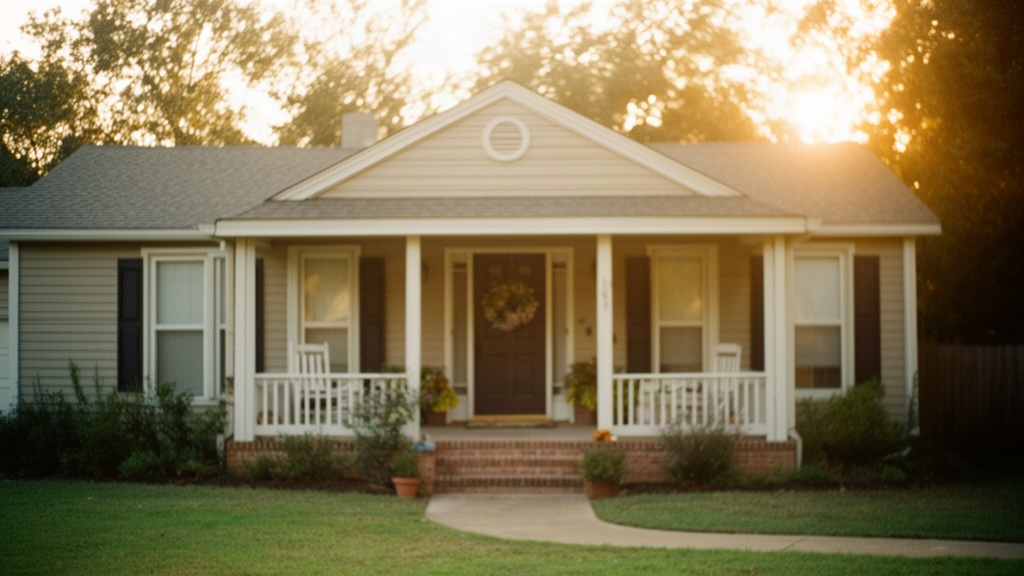
Most of Plaza Midwood was built between the 1920s and the 1950s, which means the dominant architectural styles are craftsman bungalows, colonial revivals, and small cape cods on relatively compact lots. Lot sizes typically run between 6,000 and 9,000 square feet, and finished square footage on original homes often falls between 900 and 1,800 square feet. Over the past decade, infill construction has added larger new builds on previously vacant or subdivided parcels, and those homes can reach 2,500 to 3,500 square feet. Renovated historic homes with modern interiors are common, and buyers frequently find a mix of turnkey properties and homes that still need updating.
The neighborhood also contains a notable stretch of walkable retail and dining along Central Avenue, including local restaurants, coffee shops, and independent businesses that have made the corridor a draw for Charlotte residents from across the city. Midwood Park, a grassy green space with a small playground and open lawn, anchors the residential side of the neighborhood. The Light Rail's Sugar Creek and Hawthorne stations on the Blue Line are within a short drive or bike ride, and Uptown Charlotte is roughly a 10 to 15 minute drive depending on traffic.
Location and Commute Context
Proximity to Uptown is one of Plaza Midwood's defining practical advantages. Central Avenue connects directly into downtown Charlotte without requiring I-277 or I-77, which means commuters who work in the central business district can often drive in under 15 minutes during off-peak hours. The neighborhood also sits close to Elizabeth, NoDa, and Commonwealth Morningside, giving buyers access to multiple adjacent corridors of restaurants, shops, and green space. For buyers comparing Plaza Midwood to NoDa, our article on what it is actually like to live in NoDa day to day offers a useful side-by-side perspective on intown Charlotte living.
2. What Does It Cost to Buy a Home in Plaza Midwood Right Now
In September 2026, the median sale price for homes in Plaza Midwood sits in the range of $530,000 to $590,000, though prices vary considerably by property type, condition, and exact block. Entry-level bungalows needing work can still be found in the $400,000 range, while fully renovated craftsman homes on larger lots and new infill construction regularly trade between $650,000 and $900,000. A handful of larger new builds with premium finishes have closed above $1 million in recent months.
Current Price Ranges by Property Type
Understanding where prices cluster by property type helps buyers set realistic expectations before they start touring. Original bungalows in original or lightly updated condition generally list between $390,000 and $490,000. Fully renovated historic homes with updated kitchens, baths, and systems typically list between $550,000 and $750,000. Newer infill construction, which often includes open floor plans, larger square footage, and modern finishes, tends to start around $700,000 and can push well past $900,000 for larger builds. Condos and attached townhomes in the broader Central Avenue corridor, which are less common than single-family homes in the core neighborhood, generally range from $280,000 to $450,000.
North Carolina's housing market has remained more affordable than many comparable metro areas nationally. According to HousingWire's affordability analysis, North Carolina home prices have tracked roughly 20% below the national average, which gives Charlotte buyers meaningful relative value even as intown neighborhoods like Plaza Midwood command premiums over suburban submarkets.
Closing Costs and Upfront Expenses
Closing costs in North Carolina typically run between 2% and 4% of the purchase price, covering lender fees, title insurance, attorney fees, recording costs, and prepaid items like homeowners insurance and property tax escrow. On a $560,000 purchase, that translates to roughly $11,200 to $22,400 in closing costs. North Carolina is an attorney-close state, meaning a licensed real estate attorney must conduct the closing, and attorney fees in the Charlotte area generally run between $800 and $1,500 depending on the firm and transaction complexity.
Beyond closing costs, buyers in Plaza Midwood should budget for the due diligence fee, which is paid directly to the seller at contract and is non-refundable if the buyer walks away. In a competitive intown Charlotte market, due diligence fees on Plaza Midwood homes have ranged from $3,000 to $15,000 or more depending on competition and price point. Earnest money, which is separate and applied toward your purchase at closing, typically runs 1% to 2% of the purchase price. A general home inspection costs $400 to $600 for a home of typical Plaza Midwood size, and older homes often warrant additional specialized inspections for the sewer line, HVAC, and roof.
For a broader look at how Charlotte's overall market conditions affect what buyers pay across the city, the Charlotte real estate market guide covers pricing trends, timing, and neighborhood comparisons in detail.
3. The Step-by-Step Process for Buying a Home in Plaza Midwood
The process of buying a home in Plaza Midwood follows North Carolina's standard purchase framework, but the intown market has specific nuances that buyers unfamiliar with Charlotte need to understand before they start. Competition can move quickly, older homes require more careful due diligence than newer construction, and North Carolina's due diligence period structure differs from many other states. Knowing each step before you begin saves time and reduces the risk of losing a home you want.
Getting Pre-Approved and Choosing an Agent
Pre-approval is the first concrete step, and in Plaza Midwood it is non-negotiable before you tour seriously. Well-priced homes in this neighborhood routinely receive multiple offers within the first weekend on market, and sellers will not entertain offers from buyers who cannot show a lender letter. A pre-approval, as distinct from a pre-qualification, requires the lender to verify your income, assets, credit, and employment before issuing the letter. Plan to provide two years of tax returns, recent pay stubs, two to three months of bank statements, and authorization for a credit pull.
Choosing a buyer's agent who knows Plaza Midwood specifically matters more here than in a newer suburban subdivision. An agent familiar with the neighborhood's micro-streets, the difference between a well-maintained 1940s foundation and one that needs work, and the competitive dynamics of Central Avenue versus the quieter residential blocks will help you write a stronger offer and avoid costly surprises. If you are still evaluating agents, the guide on what questions to ask when interviewing real estate agents in Charlotte gives you a practical framework for that conversation.
Searching, Offering, and Going Under Contract
Active inventory in Plaza Midwood tends to be thin relative to buyer demand, particularly for move-in ready homes priced under $650,000. In September 2026, the neighborhood typically sees between 15 and 30 active single-family listings at any given time across the broader Central Avenue corridor, and well-priced properties often go under contract within 7 to 14 days. Setting up automated MLS alerts through your agent so you are notified the moment a new listing hits is essential in this market.
North Carolina purchase contracts use a due diligence period rather than a contingency-based structure common in other states. During the due diligence period, which you negotiate with the seller and which typically runs 14 to 21 days on a competitive Plaza Midwood offer, you pay a non-refundable due diligence fee and have the right to terminate for any reason and receive your earnest money back. After the due diligence period ends, your earnest money becomes at risk if you walk away without a contractual reason. Understanding this structure is critical before you sign anything.
Inspections, Due Diligence, and Appraisal
For a Plaza Midwood home built in the 1930s, 1940s, or 1950s, a standard general inspection is the starting point but rarely the finish line. Inspectors commonly flag original knob-and-tube or aluminum wiring, cast iron sewer lines that may have root intrusion, older HVAC systems, and crawl spaces with moisture issues. Each of these can become a repair negotiation or a reason to request a price reduction. Budget time and money for a sewer scope ($150 to $250), a dedicated HVAC inspection, and potentially a structural engineer review if the inspector notes foundation concerns.
If you are using financing, your lender will order an appraisal after you go under contract. Appraisals in Charlotte's intown market currently take 7 to 14 business days to complete and cost between $500 and $750, which is typically paid by the buyer at or before closing. If the home appraises below the purchase price and you do not have an appraisal gap coverage clause in your contract, you will need to negotiate with the seller or make up the difference in cash. In a competitive Plaza Midwood offer, some buyers include appraisal gap coverage up to a stated dollar amount to strengthen their position.
4. How Long Does Buying in Plaza Midwood Actually Take
From the moment you start your active search to the day you close, buying a home in Plaza Midwood typically takes 60 to 120 days, though the range depends heavily on inventory, your financing type, and how competitive the offers you write turn out to be. Buyers who are pre-approved, flexible on closing date, and working with an agent who can move quickly on new listings tend to land homes faster than those who are still assembling their financial documents or working with an agent who is unfamiliar with the neighborhood.
Realistic Timeline From Search to Close
Here is how a typical Plaza Midwood purchase timeline breaks down in the current market. Pre-approval and agent selection generally take one to two weeks if you gather your financial documents promptly. Active home search in Plaza Midwood runs anywhere from two weeks to two months depending on how quickly a home that matches your criteria becomes available. Once you go under contract, the due diligence period runs 14 to 21 days, during which you complete inspections and negotiate any repairs or credits. After due diligence closes, the remaining time to closing is typically 14 to 21 additional days for conventional financing, or up to 30 days for FHA or VA loans. The full contract-to-close window is usually 30 to 45 days.
For a deeper look at closing timelines across Charlotte as a whole, the article on how long it typically takes to close on a house in Charlotte right now breaks down the variables that affect each stage of the process.
What Can Speed Up or Slow Down Your Timeline
Cash buyers close fastest, often in 14 to 21 days from contract, because there is no appraisal or lender underwriting timeline to navigate. Conventional financing with 20% or more down typically closes in 30 to 35 days. FHA and VA loans add complexity due to property condition requirements and can push the closing window to 45 days or beyond. Repair negotiations after inspections, title issues on older properties, and lender delays during high-volume periods can each add a week or more to the timeline. Choosing a local lender who is familiar with Charlotte's attorney-close process, rather than a large national online lender, often reduces delays at the finish line.
5. Things to Know Before You Buy in Plaza Midwood
Plaza Midwood has specific characteristics that buyers need to understand before they commit to a purchase, and these go beyond the general Charlotte buying process. Older homes, compact lots, street parking dynamics, and a mixed-use zoning environment create conditions that differ from newer suburban subdivisions. Knowing these realities in advance helps you evaluate properties accurately and avoid surprises after closing.
Older Home Considerations
Homes built before 1978 may contain lead paint, and homes built before the mid-1950s may have asbestos in insulation, floor tiles, or exterior siding materials. Federal law requires sellers to disclose known lead paint on pre-1978 homes and provide buyers a 10-day window for lead paint inspection. Neither lead paint nor asbestos is necessarily a dealbreaker, but remediation costs should factor into your offer price and renovation budget. Electrical systems in original 1930s and 1940s homes often need full panel upgrades to support modern appliances and smart home systems, which can run $3,000 to $8,000 depending on the scope.
Cast iron sewer lines, which are common under Plaza Midwood homes built before 1970, have a typical service life of 50 to 75 years and may show signs of cracking, root intrusion, or partial collapse. A camera sewer scope during due diligence costs $150 to $250 and is one of the most important inspections you can order on an older intown home. Full sewer line replacement in Charlotte ranges from $4,000 to $12,000 depending on depth, length, and access. Knowing the condition before you close eliminates one of the most common post-purchase surprises in this neighborhood.
Parking, Lots, and Zoning
Many Plaza Midwood homes were built before the car was the dominant mode of transportation, which means garages and off-street parking are not universal. Some homes have single-car detached garages, some have gravel pads or concrete pads added later, and some rely entirely on street parking. If off-street parking is a priority, confirm what the property offers before you fall in love with it. Adding a concrete pad or carport after purchase requires a permit from Mecklenburg County and typically costs $2,500 to $6,000.
The neighborhood sits within Charlotte's mixed-use zoning environment, meaning some blocks have residential homes directly adjacent to bars, restaurants, and retail. This is part of what gives Plaza Midwood its walkable, urban character, but buyers who want complete residential quiet should tour at different times of day, including weekend evenings, before committing. Charlotte's Unified Development Ordinance governs what can be built or converted on neighboring parcels, and your agent can pull zoning information for any specific block you are considering.
The Plaza Midwood Market in Context
Plaza Midwood has appreciated steadily over the past decade as intown Charlotte real estate has drawn strong demand from buyers who want walkable access to Uptown and the city's broader urban core. The neighborhood's limited land area and historic housing stock mean new supply is constrained, which has supported prices even during periods of broader market softening. If you are considering Plaza Midwood as an investment or thinking about how intown properties compare to other Charlotte submarkets, the Charlotte investment property guide covers the financial considerations in depth.
For buyers relocating to Charlotte from another city, Plaza Midwood is one of several distinct intown neighborhoods worth understanding alongside NoDa, Dilworth, and Elizabeth before settling on a target area. The guide to relocating to Charlotte walks through the full range of Charlotte neighborhoods, costs, and timelines for people moving from out of state or out of region.
Charlotte's intown market continues to draw national attention. HousingWire has noted that Charlotte's real estate growth is being fueled by agents and buyers who understand the city's distinct submarkets, and Plaza Midwood sits at the center of that intown demand story.
FAQ
Is Plaza Midwood a competitive market for buyers right now?
In September 2026, Plaza Midwood remains a competitive intown Charlotte market with limited inventory and consistent buyer demand. Well-priced, move-in ready homes often receive multiple offers within the first 7 to 14 days on market. Buyers who are fully pre-approved, working with an experienced local agent, and prepared to write strong offers with meaningful due diligence fees are better positioned than those who are still in the early stages of their financial preparation. The neighborhood's constrained supply, driven by its fixed geographic boundaries and historic housing stock, has kept competition elevated even as some other Charlotte submarkets have seen more balanced conditions.
Can I use FHA financing to buy a home in Plaza Midwood?
FHA financing is available for Plaza Midwood purchases, but there are practical considerations buyers should understand. FHA loans have property condition requirements, and older homes with deferred maintenance, peeling paint, or certain structural issues may not meet FHA appraisal standards without repairs being completed first. In a competitive multiple-offer situation, sellers may prefer conventional or cash offers over FHA offers due to the stricter appraisal requirements and longer timelines. That said, FHA loans remain a viable path for qualified buyers, particularly on move-in ready homes that have been recently renovated. Discuss the specific property's condition with your lender and agent before submitting an FHA offer on an older bungalow.
What should I budget for repairs and updates after buying an older Plaza Midwood home?
Buyers purchasing original or lightly renovated Plaza Midwood homes should budget a repair and update reserve of at least 1% to 2% of the purchase price per year, which on a $500,000 home works out to $5,000 to $10,000 annually. In the first year after purchase, costs can be higher if the home needs a panel upgrade, sewer line repair, HVAC replacement, or roof work, each of which can run $4,000 to $15,000 depending on scope. Buyers who negotiate inspection credits or a reduced purchase price based on due diligence findings can offset some of these costs, which is one reason thorough inspections during the due diligence period are so important on older intown properties. Getting contractor estimates during due diligence, before you are committed to closing, gives you the information you need to make a confident decision.