
← Back to Blog
Market Trends
Is the Dixieland Road Corridor in Rogers, Arkansas Changing? New Development Happening Now
By Laura Maxwell
The Sudar Group
September 26, 2026 · 10 min read
The Dixieland Road corridor in Rogers, Arkansas is changing faster than most people realize, and the shift is visible whether you drive it daily or are visiting for the first time. New retail openings, commercial construction, and growing residential pressure around the area are all reshaping what this stretch of Rogers looks and functions like. This article breaks down exactly what is happening, what it means for buyers and sellers nearby, and why the corridor matters to anyone watching the Rogers real estate market.
1. What Is the Dixieland Road Corridor and Why Does It Matter?
The Dixieland Road corridor is one of Rogers' most active commercial spines. Running through the central and southern portions of Rogers, Dixieland Road connects drivers to Interstate 49, making it a natural landing spot for retail, auto dealerships, service businesses, and mixed-use development. It sits roughly parallel to the Walnut Street corridor to the north and feeds into the broader Pinnacle Hills commercial zone to the south, giving it strong traffic counts and high visibility for businesses.
Where Dixieland Road Sits in Rogers
Dixieland Road runs generally east to west through Rogers, with its southern end connecting to I-49 via the Promenade at Chenal interchange area and its northern stretches feeding into older, established residential neighborhoods. The road passes through a mix of commercial strip development, auto-oriented retail, and transitional parcels that have historically been underutilized. That is changing in 2026, and the pace of change has accelerated noticeably over the past 18 months.
Why This Corridor Has Commercial Momentum
Rogers is the second-largest city in Benton County and continues to absorb significant population growth from the broader Northwest Arkansas metro. That population growth creates demand for services, retail, and employment, and corridors with freeway access and affordable commercial land tend to capture that demand first. Dixieland Road checks both boxes. The city of Rogers has also been deliberate about encouraging development in this zone, and the results are becoming visible on the ground.
For anyone buying or selling a home in Rogers, understanding what is happening along Dixieland Road matters because commercial corridors directly influence property values, traffic patterns, and the overall character of surrounding neighborhoods. If you want a fuller picture of how the Rogers market is moving right now, the Rogers, Arkansas real estate market guide covers current pricing and neighborhood conditions across the city.
2. New Development Happening on and Around Dixieland Road Right Now
Yes, the Dixieland Road corridor in Rogers, Arkansas is actively changing, with new business openings and commercial construction underway as of September 2026. The most concrete signal of this shift is the recent opening of a CarMax location on South Dixieland Road, a national auto retailer that typically conducts extensive market analysis before committing to a site. CarMax's presence is a meaningful indicator that the corridor has reached the traffic volume and demographic density that large-format retailers require.
Retail and Auto Sector Growth
The CarMax opening on S. Dixieland Road is part of a broader wave of business activity across Arkansas, documented by Arkansas Business. Auto-oriented retail tends to cluster, so CarMax's arrival often precedes or accompanies other dealership expansions, auto service centers, and related businesses. South Dixieland Road already had an established auto retail presence before this opening, and the CarMax addition reinforces the corridor's identity as a destination for vehicle purchases and services in the Rogers market.
Beyond auto retail, the corridor has seen activity from service-oriented businesses, food and beverage operators, and smaller strip center tenants filling vacancies that sat empty for years after the 2020 to 2022 period. Dixieland Road has historically had a higher vacancy rate than the Pinnacle Hills area to the south, but that gap has been narrowing as Rogers' population pushes past 70,000 residents and spending power in the area increases.
Commercial Real Estate Activity in the Broader Area
The Dixieland Road changes are not happening in isolation. A February 2026 report confirmed that the Northwest Arkansas commercial real estate sector remains robust, with low vacancy rates in industrial and retail categories and continued investor appetite for well-located parcels across the metro. Rogers specifically has been cited as a market where land values along major corridors have appreciated, compressing the window for investors to acquire sites at earlier-cycle prices.
According to Talk Business and Politics, the Northwest Arkansas commercial real estate sector continues to attract institutional and regional investors, with Rogers positioned as one of the primary beneficiaries of that capital flow. That institutional attention tends to accelerate ground-level change on corridors like Dixieland Road, because developers and tenants follow capital.
The city of Rogers has also been actively promoting development across multiple districts. Destination Rogers has documented a wide range of projects coming to the city, covering retail, hospitality, and mixed-use categories that collectively signal a city in a sustained growth phase, not a one-time burst of activity.
3. How the Corridor's Growth Connects to the Rogers Housing Market
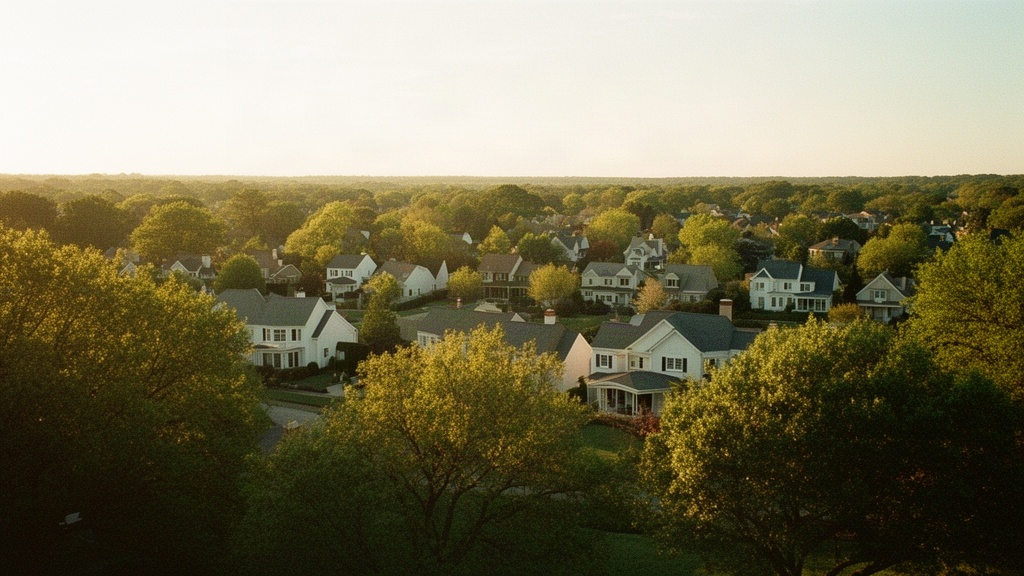
Commercial corridor growth along Dixieland Road directly affects the residential neighborhoods that sit within a half mile to a mile of the road. Rogers has a dense band of established single-family neighborhoods on both the north and south sides of Dixieland Road, many of them built between the 1970s and early 2000s. These neighborhoods feature ranch-style homes, split-level layouts, and modest two-story houses on lots ranging from roughly 7,000 to 12,000 square feet, with mature tree canopies and established street grids.
Residential Neighborhoods Near Dixieland Road
Homes within a short drive of the Dixieland Road corridor tend to be priced in the $200,000 to $350,000 range as of September 2026, depending on condition, lot size, and proximity to the commercial activity itself. Properties directly adjacent to commercial parcels sometimes trade at a discount relative to interior neighborhood lots, while homes a few blocks removed often benefit from the convenience of nearby retail without the noise or traffic.
The neighborhoods north of Dixieland Road, toward 8th Street and the older downtown Rogers area, include some of the city's most established residential blocks. These areas have brick ranch homes and craftsman-style houses that have been updated over the decades. South of Dixieland Road, the residential fabric transitions toward newer subdivisions and eventually into the Pinnacle Hills zone, where price points climb considerably. If you are looking at property in that southern stretch, the Pinnacle Hills seller's guide explains how pricing and timelines work in that specific area.
What Rising Commercial Activity Does to Nearby Home Values
Commercial investment signals economic confidence in an area, and that confidence often translates into residential demand. When a large national retailer like CarMax opens on a corridor, it typically triggers a reassessment of surrounding land values. Parcels that were priced as transitional or speculative become more attractive to developers, and that ripple effect can eventually reach the residential streets nearby as investors and buyers recognize the area's trajectory.
That said, the relationship between commercial growth and residential values is not automatic or immediate. Proximity to a busy commercial corridor can also mean more traffic, more noise, and changing land use patterns that some buyers find less appealing. The net effect on any specific property depends on its exact location, the type of commercial development nearby, and how the city manages zoning buffers between commercial and residential uses.
Understanding how property taxes factor into the total cost of owning near a growing commercial corridor is worth doing before you make an offer. Rogers sits in Benton County, and the property tax guide for Rogers, Arkansas breaks down what you can expect on a $400,000 home, which is a useful benchmark for this part of the city.
4. What Buyers and Sellers Near Dixieland Road Should Know
The Dixieland Road corridor's evolution creates different opportunities and considerations depending on whether you are buying or selling in the surrounding area. The key is understanding the specific block and parcel context, not just the corridor's general direction of change.
For Buyers Considering This Part of Rogers
Buyers drawn to the Dixieland Road area often cite affordability relative to the Pinnacle Hills zone, shorter commute distances to central Rogers employers, and access to the I-49 on-ramp for travel to Bentonville, Fayetteville, or Springdale. The drive from the Dixieland Road area to the Walmart Home Office in Bentonville is roughly 15 to 20 minutes depending on traffic, and the drive south to the University of Arkansas in Fayetteville is approximately 25 minutes.
Buyers should pay close attention to the zoning map around any specific property they consider near Dixieland Road. Some parcels that currently appear residential are zoned for commercial or transitional use, which affects both the property's long-term character and its financing options. A local agent who knows the corridor can flag these issues before you spend time and money on inspections and appraisals.
If you are newer to the Rogers market and want to understand the full process of purchasing a home here, the buyer's guide for Rogers, Arkansas covers the process, costs, and timeline from start to close.
For Sellers in Adjacent Neighborhoods
Sellers near Dixieland Road are in an interesting position in September 2026. The corridor's commercial growth is generating buyer interest from people who want Rogers' affordability without sacrificing access to retail and services. That interest can support asking prices in the surrounding neighborhoods, particularly for well-maintained homes on interior lots that offer quiet street settings while being close to the commercial activity.
Sellers should be thoughtful about how they describe their home's location in marketing. Proximity to CarMax, Dixieland Road retail, and the I-49 interchange is a genuine selling point for buyers who prioritize convenience. It is less appealing to buyers who are specifically seeking a quiet, tucked-away setting. Pricing the home correctly for the actual buyer pool, rather than for an idealized one, is what produces fast and clean sales in this part of Rogers.
For a broader look at what selling a home in Rogers involves right now, including pricing strategy and realistic timelines, the Rogers, Arkansas seller's guide is a useful starting point before you talk to an agent.
5. The Bigger Picture: Northwest Arkansas Commercial Growth Driving Rogers Forward
The changes on Dixieland Road are part of a regional growth story that goes well beyond a single corridor or a single city. Northwest Arkansas has been one of the fastest-growing metros in the United States for several years, driven by Walmart's global headquarters in Bentonville, a growing supplier and logistics ecosystem, and an influx of remote workers and retirees drawn by the region's outdoor recreation infrastructure and relatively low cost of living compared to coastal metros.
Regional Tailwinds Supporting Local Development
Commercial real estate in Northwest Arkansas has benefited from what analysts describe as structural tailwinds: population growth, low unemployment, rising household incomes, and a diversifying employer base. These conditions make corridors like Dixieland Road attractive to retailers and developers who might otherwise focus exclusively on larger metros. When the regional fundamentals are this strong, secondary corridors within cities like Rogers tend to fill in faster than they would in a slower-growth environment.
Rogers itself has been deliberate about attracting development. The city has invested in infrastructure improvements, updated its land use codes in several districts, and worked with economic development organizations to recruit businesses to underserved corridors. Dixieland Road has been a focus of those efforts, and the results are becoming tangible in 2026 with new openings and active construction visible along the route.
What Comes Next for Dixieland Road
Predicting the exact pace of future development on any corridor is difficult, but the current signals point toward continued activity. National retailers and regional developers typically move in clusters: once one anchor tenant commits to a corridor, the risk calculus for the next tenant improves, and leasing activity tends to accelerate. The CarMax opening is the kind of anchor commitment that can trigger that clustering effect on South Dixieland Road.
There is also growing interest in mixed-use development along corridors like Dixieland Road across Northwest Arkansas. Mixed-use projects, which combine ground-floor retail or restaurant space with upper-floor residential units, have been successful in Bentonville and are beginning to appear in Rogers as well. If that format reaches Dixieland Road, it would represent a meaningful shift in the corridor's character and could bring new residents into the immediate area.
Investors watching Rogers are already paying attention. If you want to understand how investment activity is shaping the Rogers market more broadly, the investment property guide for Rogers, Arkansas covers what types of properties investors are targeting and why.
For anyone relocating to Rogers or buying here for the first time, the Dixieland Road corridor's evolution is worth tracking not just as a curiosity but as a real indicator of where the city's center of gravity is shifting. Corridors that are actively filling in tend to pull residential demand with them, and understanding that dynamic early gives buyers and sellers a meaningful advantage.
FAQ
Is the Dixieland Road corridor in Rogers, Arkansas a good area for commercial investment right now?
The Dixieland Road corridor has seen notable commercial activity in 2026, including the opening of a CarMax location on South Dixieland Road and continued interest from regional developers and retailers. The broader Northwest Arkansas commercial real estate market has been described as robust by industry analysts, with Rogers specifically benefiting from population growth and rising household incomes. Investors considering parcels along the corridor should review current zoning, traffic counts, and the city of Rogers' land use plans before committing. A local commercial real estate professional or a residential agent familiar with the area can help you interpret what the current development activity means for specific parcels. The window for acquiring sites at earlier-cycle prices on active corridors like Dixieland Road tends to narrow quickly once anchor tenants arrive.
How does the Dixieland Road development affect home prices in nearby Rogers neighborhoods?
Commercial growth along Dixieland Road can influence residential values in surrounding neighborhoods, though the effect varies significantly by location. Homes on interior lots a few blocks from the corridor often benefit from nearby retail convenience without bearing the full impact of traffic and noise, while properties directly adjacent to commercial parcels may trade at a discount or attract a narrower buyer pool. As of September 2026, homes in the Dixieland Road area of Rogers are generally priced in the $200,000 to $350,000 range depending on size, condition, and exact location. Rising commercial investment signals economic confidence in an area, which can support residential demand over time. Working with a local agent who knows the specific blocks around Dixieland Road will give you the most accurate picture of how development is affecting individual property values.
What types of businesses are opening along Dixieland Road in Rogers, Arkansas?
The most prominent recent opening on Dixieland Road is a CarMax auto retail location on the south end of the corridor, which represents a significant national retailer commitment to the Rogers market. Auto-oriented retail has historically been a strong presence along Dixieland Road, and CarMax's arrival reinforces that identity while also signaling that the corridor's traffic volumes and demographics have reached thresholds that attract large-format national tenants. Beyond auto retail, the corridor has seen activity from service businesses, food and beverage operators, and smaller strip center tenants. The city of Rogers has been actively promoting development across multiple districts, and Dixieland Road is part of that broader push to fill in underutilized commercial parcels throughout the city.