
← Back to Blog
Market Trends
Oslo, New York Is Known for This Real Estate Market: A Complete Guide to Prices, Neighborhoods and Timing
By Leander Mosseng
September 19, 2026 · 11 min read
Oslo, New York is known for a real estate market that operates differently from the broader Western New York region, and understanding those differences can save buyers money and help sellers price with confidence. This guide covers what makes Oslo's housing stock distinctive, what prices look like as of September 2026, how the local market moves through the seasons, and what to watch for whether you are buying, selling, or relocating.
1. What Makes Oslo's Real Estate Market Distinctive
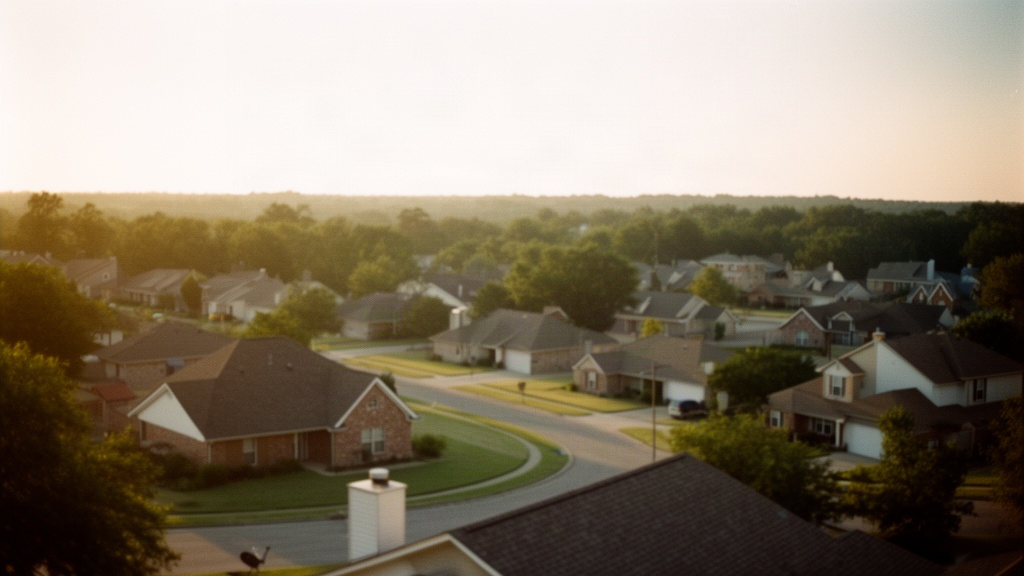
Oslo, New York is known for a real estate market built around rural land, working farms, and older single-family homes on generous lots. Unlike suburban markets closer to Buffalo or Rochester, Oslo does not have subdivisions of look-alike homes built in the last decade. What you find instead are properties with character: century-old farmhouses, post-and-beam barns converted to living space, and parcels where the backyard ends at a tree line or a creek rather than a neighbor's fence.
That character comes with trade-offs buyers should understand from the start. Older homes often need updated mechanicals, well and septic systems require inspection, and internet connectivity can vary by road. None of these are deal-breakers, but they change how you evaluate a property compared to buying in a municipality with public water and sewer.
The Housing Stock You Will Actually Find
Most homes in Oslo were built between the late 1800s and the mid-20th century. Two-story wood-frame construction is the norm. You will see Greek Revival details on some of the older farmhouses, wide plank floors, and deep covered porches. Lot sizes typically start around an acre and commonly run to five, ten, or more acres when a property includes tillable fields or wooded acreage.
Newer construction is rare but not absent. When it does appear, it tends to be a custom-built home on a large parcel rather than a spec home in a planned development. Modular and manufactured homes also appear on the market periodically, typically on smaller lots along county roads.
How Oslo Sits Within Wyoming County's Market
Oslo is a town in Wyoming County, and Wyoming County as a whole runs at price points well below the statewide median. That gap has narrowed slightly over the past few years as buyers from more expensive markets discovered that Western New York offers genuine value per square foot. Still, Oslo remains one of the more affordable entry points in the region, particularly for buyers who want land along with a house.
For context on how local conditions fit into broader trends, HousingWire's analysis of the U.S. housing market noted that smaller and rural markets have followed a different trajectory than coastal metros, with more stable inventory and less dramatic price swings. Oslo fits that pattern: the market here moves at a measured pace, which rewards buyers who do their homework and sellers who price realistically.
2. Current Prices in Oslo, New York
As of September 2026, the Oslo, New York real estate market reflects modest but steady appreciation compared to two years ago. Entry-level single-family homes, typically older two-bedroom or three-bedroom structures needing cosmetic work, are trading in the $90,000 to $140,000 range. Move-in-ready homes with updated kitchens, newer roofs, and functional mechanicals on one to three acres are generally priced between $160,000 and $230,000.
What Buyers Are Paying Right Now
Larger properties, meaning four or more bedrooms on five or more acres, often with outbuildings, barns, or a second structure, are listed in the $240,000 to $380,000 range in September 2026. Properties at the upper end of that range typically include renovated interiors, newer mechanicals, and land that has genuine agricultural or recreational value, such as tillable fields, woodlots, or frontage on Tonawanda Creek or one of the smaller tributaries that run through the township.
Bare land and agricultural parcels are a separate category. Raw acreage in Oslo has been selling anywhere from $1,500 to $4,500 per acre depending on soil quality, road frontage, drainage, and whether the parcel has any existing structures or utilities. Buyers interested in that segment should budget for a survey if one is not current, and should understand that financing raw land typically requires a larger down payment than a conventional home purchase.
Price Drivers Specific to Oslo Properties
Several factors move price in Oslo that do not apply the same way in suburban markets. Well and septic condition is one of the biggest. A home with a recently replaced well pump, a septic system that passed inspection within the last two years, and a clean water test can command a meaningful premium over an otherwise comparable property where those systems are unknown or aging. Buyers who overlook this underestimate the cost of remediation.
Heating system type also matters more in Oslo than in areas with natural gas access. Many homes in the township run on fuel oil or propane. A property with a newer, high-efficiency propane system or a wood-pellet boiler as a primary or backup heat source tends to attract more buyer interest than one with an older oil furnace and a large tank that may need replacement. Broadband availability is another factor: properties with fiber or fixed wireless internet access are increasingly valued by buyers who work remotely.
3. Oslo's Neighborhoods and Property Zones
Oslo does not have neighborhoods in the traditional suburban sense. There is no downtown grid, no named subdivisions, and no commercial strip. Instead, the township organizes itself around a small hamlet center, a network of county roads and town roads, and the agricultural land that makes up most of the township's footprint. Understanding these zones helps buyers know what they are looking at when they browse listings.
Hamlet and Rural Road Properties
Properties clustered near the hamlet center tend to sit on smaller lots, sometimes under an acre, and are the closest thing Oslo has to a walkable or semi-walkable setting. These homes are often the oldest in the township and can show significant deferred maintenance if they have not been updated. They also tend to be the most affordable entry points, which makes them attractive to first-time buyers willing to take on a project. For more on what that buying process looks like step by step, the first-time home buyer guide for Oslo, New York covers the full sequence from pre-approval through closing.
Rural road properties are the dominant property type in Oslo. These are homes set back from town roads or county routes, usually on one to ten acres, with a mix of lawn, field, and trees. Driveways can be long. Road maintenance by the town or county varies by road classification, so buyers should ask whether a given road is a maintained public road or a private right-of-way, which affects winter plowing and long-term access.
Agricultural Land and Acreage Parcels
A meaningful share of what changes hands in Oslo is agricultural land, either sold with a farmhouse or as bare acreage. Wyoming County has some of the most productive soils in Western New York, and Oslo's fields reflect that. Buyers purchasing farmland with a house should understand that the agricultural portion of the parcel may be enrolled in an agricultural assessment program, which can significantly reduce the property tax burden but also comes with restrictions on how the land can be used.
Buyers interested in Oslo as an investment rather than a primary residence should read the investment property guide for Oslo, New York, which covers rental income potential, land leasing arrangements with local farmers, and what return profiles look like in this market.
What to Expect in Each Zone
Hamlet properties: smaller lots, older homes, lower price points, closer to any existing services. Rural road properties: the widest range of sizes and conditions, from fixer-uppers to well-maintained homes on multiple acres. Agricultural parcels: priced primarily on acreage and soil quality, with the house, if any, treated as secondary. Understanding which zone a listing falls into helps you set realistic expectations before you schedule a showing.
4. Market Timing: When to Buy or Sell in Oslo
Timing the Oslo market follows a recognizable seasonal rhythm, though the swings are less dramatic than in high-volume suburban markets. Listing activity and buyer demand both tend to peak in the spring and early summer, roughly April through June, when the land looks its best and buyers have time to close before the school year begins. Inventory thins out through July and August, then picks up slightly in September as sellers who did not move in summer make one more attempt before winter.
Seasonal Patterns in the Oslo Market
Winter is the slowest season by a significant margin. Fewer buyers are actively looking, showings are harder to schedule when driveways are buried in snow, and properties with long rural approaches can be genuinely difficult to access. That slowdown creates an opportunity: buyers who are willing to look in November through February often face less competition and can negotiate more effectively on price and terms.
For sellers, the calculus is different. Listing in spring gives a property maximum exposure when buyer traffic is highest. A home that shows well in May, with green fields, a dry driveway, and good natural light, will photograph better and attract more showings than the same home listed in January. The detailed breakdown of when to list and why is covered in the article on the best time to list a home for sale in Oslo, NY, which looks at historical patterns specific to this market.
What September 2026 Looks Like for Buyers and Sellers
Right now, in September 2026, Oslo sits in a transitional moment. The peak summer activity has wound down, but there is still meaningful inventory on the market from sellers who listed in late summer. Buyers who act in September and October can often find properties that have been sitting for 60 to 90 days, where sellers are more open to negotiation than they were in May. Days-on-market for properties priced correctly has been running in the 45 to 75 day range this year, which is longer than the frenzied pace of 2021 and 2022 but shorter than the pre-pandemic baseline.
Mortgage rates remain a factor shaping buyer behavior across rural New York. Rates in the high 6 percent range have kept some would-be buyers on the sidelines, which means less competition for the buyers who are active. Sellers need to price accurately to capture that smaller pool of buyers. Overpricing in this environment leads to extended market time, which in turn signals to buyers that something is wrong with the property, even when the only issue is the asking price.
5. What Buyers and Sellers Need to Know Before Moving
Oslo's market rewards preparation more than most. Because properties here are often older and rural, the due diligence process is more involved than buying a 10-year-old home in a suburb. Buyers who skip steps or rush inspections sometimes discover expensive surprises after closing. Sellers who understand what buyers will scrutinize can address issues proactively and protect their asking price.
Due Diligence That Matters More in Rural Markets
Well water testing should cover not just coliform bacteria but also nitrates, arsenic, and any contaminants relevant to the local geology. Wyoming County's soil and bedrock composition means that certain contaminants appear at higher rates than in other parts of the state. A standard home inspection does not always include a full water test, so buyers should request one separately and budget for it. The New York State Department of Health publishes guidance on private well testing that is worth reviewing.
Septic inspections in New York can range from a simple visual check to a full pump-and-camera inspection. For a property where the septic age or location is unknown, the more thorough inspection is worth the extra cost. A failed or aging septic system can cost $15,000 to $30,000 to replace, and in some cases the replacement location is constrained by lot size, setback requirements, or soil percolation rates.
Buyers relocating from out of state sometimes underestimate how different rural due diligence is from what they experienced in their previous market. The article on who specializes in helping out-of-state buyers relocate to Oslo, New York addresses that gap directly and explains what to expect when you are navigating a rural New York purchase from a distance.
Working With a Local Expert
Oslo, New York is known for a real estate market where local knowledge is not a luxury but a practical necessity. An agent who knows which roads flood in spring, which parcels have easements that affect use, which properties have been on and off the market multiple times, and what comparable sales actually look like in this township gives buyers and sellers a real advantage. That knowledge is not available in a database; it comes from years of working specifically in this market.
For sellers, that local knowledge translates directly into pricing accuracy. A comparative market analysis built on actual Oslo sales, not county-wide averages, produces a list price that attracts buyers without leaving money on the table. The full picture of what selling in Oslo looks like, from pricing strategy through closing, is covered in the guide on selling a home in Oslo, New York.
Leander Mosseng works specifically in Oslo and the surrounding Wyoming County area. That focus means the market knowledge is current, specific, and based on real transactions rather than regional generalizations. Whether you are trying to understand what a property is worth, figure out when to list, or evaluate a home you are considering purchasing, having someone who knows this market is the single most useful resource you can have.
For broader context on how New York's housing market compares to national trends, Forbes Advisor's overview of the New York housing market provides useful statewide data that helps frame where rural Western New York sits relative to the rest of the state.
FAQ
What price range should I expect for a home in Oslo, New York in 2026?
As of September 2026, homes in Oslo range from roughly $90,000 for an older fixer-upper on a small lot up to $380,000 or more for a fully renovated property on five or more acres with outbuildings. The middle of the market, meaning a move-in-ready three-bedroom home on one to three acres, typically falls between $160,000 and $230,000. Bare land sells separately and is priced by the acre based on soil quality, road frontage, and drainage. These ranges shift based on condition, well and septic status, and whether the property has reliable broadband access.
Is September a good time to buy a home in Oslo, NY?
September is a reasonable time to buy in Oslo because the summer peak has passed, meaning there is less competition from other buyers than there was in May and June. Properties that have been sitting since summer are often priced by sellers who are more open to negotiation than they were at listing. The trade-off is that inventory is thinner than it was in spring, so your selection is more limited. Buyers who are flexible on timing and can move quickly when the right property appears tend to do well in the September-to-October window.
What should out-of-state buyers know before purchasing in Oslo, New York?
Rural due diligence in Oslo involves steps that many out-of-state buyers have not encountered before, particularly around private wells and septic systems. Water testing should be comprehensive, covering bacteria, nitrates, and locally relevant contaminants, not just a basic coliform test. Septic inspections should be thorough, especially for older systems where the installation date and location are not clearly documented. Buyers should also ask about road maintenance status, internet connectivity, and whether any agricultural assessment programs are attached to the land, since those programs affect both taxes and permissible land use. Working with a local agent who knows these specifics before you make an offer is the most efficient way to avoid surprises.