
← Back to Blog
Market Trends
Oslo, New York Refer Their Clients to Real Estate Market Guide: Prices, Neighborhoods and Timing — Here Is What That Referral Network Actually Tells You
By Leander Mosseng
September 18, 2026 · 11 min read
When people in Oslo, New York refer their clients, friends, or family members to a real estate market guide covering prices, neighborhoods and timing, they are pointing them toward something specific: local knowledge that generic national reports simply cannot supply. This article pulls together the figures, the neighborhood characteristics, and the seasonal patterns that actually shape decisions in Oslo right now, in September 2026. Whether you are buying, selling, or relocating, this is the ground-level picture.
1. What the Oslo, New York Market Looks Like Right Now
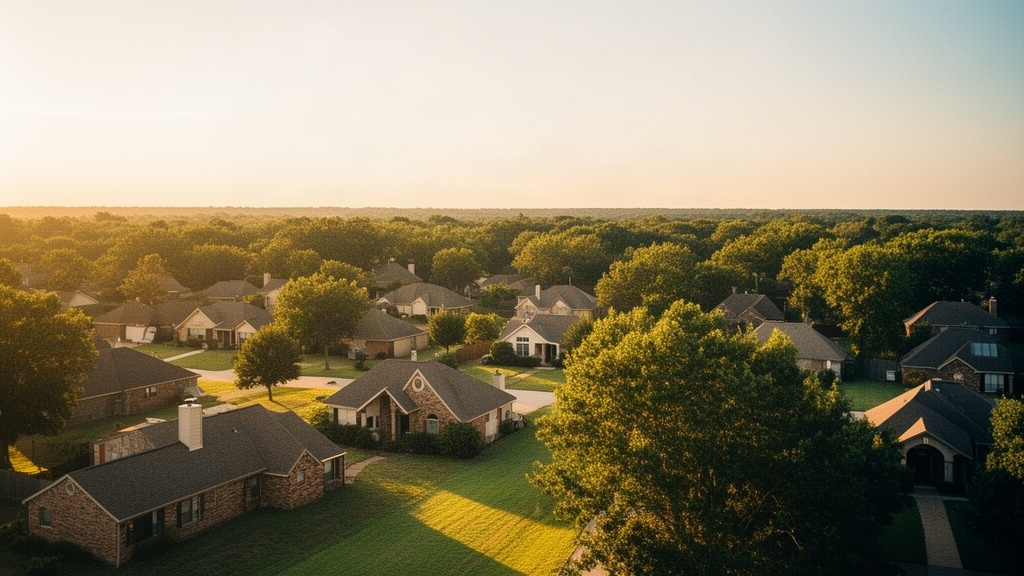
The Oslo market is a thin, rural market in Wyoming County, and that single fact explains almost everything about how prices and timing work here. Inventory is limited at any given moment, which means individual listings carry more weight than they would in a high-volume suburban market. When a well-priced property comes to market, it tends to move. When a property is overpriced or poorly presented, it can sit for months without a single serious offer.
Where Prices Stand in September 2026
As of September 2026, single-family homes in the Oslo area are generally transacting in a range from the low $100,000s for smaller, older structures on modest lots up to the mid $400,000s for larger parcels with updated farmhouses or newer construction. The median tends to cluster in the $175,000 to $260,000 range depending on acreage and condition. Properties with 10 or more acres, functional outbuildings, or recent mechanical updates command premiums at the upper end of that band. Vacant land and raw agricultural parcels are priced separately and can run anywhere from $2,000 to $5,000 per acre depending on road frontage, soil classification, and drainage.
These figures are meaningfully different from what you would find in the Buffalo suburbs or the Rochester metro area, both of which are within commuting range of Oslo. Buyers relocating from those markets often find that their purchasing power stretches considerably farther in Wyoming County, though the tradeoff is distance to services and the maintenance demands that come with older rural housing stock.
How Inventory Has Shifted
Inventory in Oslo and the surrounding Wyoming County townships has remained constrained through most of 2026. The number of active listings at any one time is small enough that a buyer who is not pre-approved and ready to move can easily lose a property to someone who is. Sellers, meanwhile, are not flooding the market: many longtime homeowners are holding, which keeps supply low and supports prices even as mortgage rates have stayed elevated compared to the 2020 and 2021 lows.
For a deeper look at how specific price points have moved this year, the Oslo, New York Real Estate Market Guide: Prices, Neighborhoods and Timing on this site covers the historical context in more detail.
2. Neighborhood Characteristics Across Oslo and the Surrounding Area
Oslo does not have distinct named neighborhoods the way a city does, but the housing stock varies noticeably depending on where within the township a property sits. Understanding those differences is one of the most practical things a real estate market guide for this area can offer, because the differences affect price, maintenance cost, commute time, and what utilities and services are available.
Rural Parcels and Farmstead Properties
The majority of properties in Oslo sit on larger lots, many of them former or active agricultural parcels. Farmhouses built in the late 1800s and early 1900s are common. These homes often have deep setbacks from the road, private wells and septic systems, and outbuildings ranging from small sheds to full barns. Heating systems in these older structures vary widely: some have been updated to forced-air propane or heat pump systems, while others still run on fuel oil or wood. That variation matters when you are calculating the true cost of ownership.
Lot sizes on these rural parcels commonly range from 5 acres to 50 acres or more. Properties with working tillable acreage sometimes carry agricultural exemptions that affect assessed value and, by extension, property taxes. Buyers interested in the land-use angle should verify current exemption status and understand what happens to that status after a sale. For a full breakdown of how property taxes work in Oslo, the property tax guide on this site walks through the Wyoming County assessment process step by step.
Village-Adjacent and Smaller Lot Homes
Properties closer to the edges of nearby villages, including Arcade to the south and Attica to the north, tend to sit on smaller lots and were often built in the mid-twentieth century. These homes are more likely to have municipal water or sewer connections, which simplifies some of the maintenance and inspection concerns that come with private systems. Ranch-style homes, cape cods, and two-story colonials from the 1950s through the 1980s make up a meaningful share of this segment. Prices here generally run slightly lower per square foot than updated farmhouses with acreage, though location relative to Route 39 and Route 98 corridors can shift that.
What to Check Beyond the Listing
Because Oslo is a rural township, buyers should verify broadband availability at the specific address before making an offer. Coverage maps from providers do not always reflect actual service at a given parcel. Cell signal can also vary by location within the township. These are practical details that do not appear in a listing description but that significantly affect day-to-day life, particularly for anyone who works remotely.
For a fuller picture of what daily life in Oslo actually involves, including where residents go for groceries, healthcare, and other services, the article Is Oslo New York a Rural Area or Does It Have Walkable Shops and Services Nearby covers that ground in detail.
3. Timing the Market: When to Buy and When to Sell in Oslo
Timing in Oslo follows a seasonal rhythm that is somewhat predictable, though the thin inventory means that individual listings can and do sell in any month of the year. The seasonal pattern matters most for sellers deciding when to list and for buyers deciding how aggressively to pursue a property when one appears.
The Seasonal Pattern in Wyoming County
Spring, specifically April through early June, is historically the most active period for new listings and buyer activity in Wyoming County. The ground is visible, properties photograph well, and buyers who want to close before summer are motivated. Summer sees continued activity but at a somewhat lower pace. Fall, including September and October, brings a secondary wave of serious buyers who missed the spring window and are now working against the onset of Western New York winters. Listings that appear in September often attract buyers who are highly motivated to close before the holidays.
Winter listings in Oslo are fewer in number and typically attract a narrower pool of buyers, though the buyers who do look in December through February tend to be serious rather than casual. For sellers, the tradeoff is lower competition from other listings versus a smaller buyer pool. For buyers, winter can occasionally surface motivated sellers who have been on the market since spring. The article on the best time to list a home for sale in Oslo NY breaks down the month-by-month pattern in more depth.
What National Trends Mean for Oslo Specifically
National housing market reports are useful as a backdrop but should not be applied directly to Oslo without translation. The National Association of Realtors has noted that 2026 is seeing a gradual loosening of inventory in many markets nationally, which is putting mild downward pressure on price growth in higher-volume areas. In Oslo, where total active listings at any given time might be counted on two hands, that national dynamic plays out differently. A single new listing can shift the local supply picture noticeably. Buyers and sellers here need hyper-local data, not national averages.
Forbes Advisor's 2026 housing market predictions point to mortgage rates remaining in the 6 to 7 percent range through the end of the year, which continues to constrain affordability for buyers carrying large loan amounts. In Oslo, where purchase prices are lower than in major metros, that rate environment is less punishing in absolute dollar terms, but it still affects monthly payment calculations and buyer qualification thresholds.
4. What Buyers Relocating to Oslo Need to Know Before They Offer
Buyers coming from outside Wyoming County, whether from Buffalo, Rochester, or out of state entirely, consistently encounter the same set of surprises when they first look at Oslo properties. Knowing these in advance saves time and prevents costly mistakes.
Property Types and What They Cost to Maintain
Older farmhouses in Oslo can be genuinely well-maintained and move-in ready, or they can carry decades of deferred work behind a fresh coat of paint. A professional home inspection is non-negotiable in this market. Key systems to scrutinize include the roof, foundation, well pump and pressure tank, septic system, electrical panel, and heating equipment. Replacing a well pump runs $1,500 to $3,000. A full septic replacement can cost $8,000 to $20,000 or more depending on soil conditions. A roof on a large farmhouse with multiple sections can easily reach $15,000 to $25,000. Knowing the age and condition of these systems before you close is the difference between a good investment and an expensive surprise.
Buyers interested in Oslo as an investment rather than a primary residence should also read the Investment Property Guide for Oslo, New York, which covers rental demand, income potential, and the specific considerations that apply to rural Wyoming County properties.
Due Diligence Steps Unique to Rural New York
Rural New York transactions involve a few due diligence layers that suburban buyers are not always accustomed to. First, confirm the legal description of the parcel matches what is physically on the ground. Survey disputes over fence lines and lot boundaries are not uncommon in townships where properties have changed hands multiple times over many decades. Second, check for any easements: utility easements, agricultural access easements, and hunting rights agreements can all run with the land and affect how you use the property. Third, if the property includes a barn or outbuildings, verify that those structures are included in the deed and not subject to a separate lease or use agreement.
Out-of-state buyers relocating to Oslo will also want to understand New York State's STAR property tax exemption program, which can reduce the school portion of the tax bill for primary residences. Eligibility and application timelines are set by the New York State Department of Taxation and Finance, and the deadline to apply for the following year's exemption typically falls in early spring. For guidance on what the full tax picture looks like in Oslo, the relocation guide on this site covers this and other transition details.
5. What Sellers in Oslo Need to Know Before They List
Selling in Oslo in September 2026 means working within a market where buyers are present but selective, and where pricing errors are particularly costly because there are not enough transactions to absorb a price correction quickly. A home that sits for 90 days in Oslo raises questions in buyers' minds that a home that sits for 90 days in a high-volume suburb does not.
Pricing Correctly in a Thin Market
Comparable sales in Oslo can be sparse. There may be only three or four truly comparable closed sales in the past six months, and each one may differ from your property in meaningful ways: acreage, outbuilding count, road frontage, or condition. An experienced local agent will weight those comparables carefully rather than averaging them mechanically. Overpricing by even 8 to 10 percent in a market this thin can mean the difference between a quick sale and a listing that expires without an offer.
The National Association of Realtors has published guidance noting that in 2026, the window between optimal listing price and market response has narrowed in many markets, and that agents who use current, localized data rather than trailing averages are better positioned to advise sellers accurately. You can read more about that in their piece on how agents can help pinpoint the best time to sell in 2026. In Oslo, that localized data requirement is even more critical than in larger markets.
Preparing a Rural Property for Showings
Presentation matters more than many Oslo sellers expect. Buyers coming from suburban or urban markets are often unfamiliar with rural properties and may interpret deferred exterior maintenance, overgrown access lanes, or cluttered outbuildings as signs of deeper problems even when the home itself is sound. Clearing brush from the driveway, pressure-washing the exterior, and removing stored equipment from the immediate yard area are low-cost steps that improve the first impression significantly.
Professional photography is worth the investment in Oslo specifically because many buyers searching for rural properties in Wyoming County are doing so from a distance, often from Buffalo, Rochester, or out of state. They are making a preliminary judgment about whether to drive 45 minutes or more to see the property based entirely on what they see online. Strong photos, a drone shot showing the acreage and outbuildings, and an accurate description of the mechanical systems will generate more qualified showings than a listing with phone snapshots.
For a complete walkthrough of the selling process in Oslo from initial pricing through closing, the Selling a Home in Oslo, New York: Pricing, Timeline and What to Expect guide covers each stage in detail.
FAQ
Why do people in Oslo, New York refer their clients to a local real estate market guide rather than national resources?
National housing reports track broad trends across thousands of markets and are useful for understanding the macroeconomic backdrop, but they do not reflect the specific dynamics of a thin rural market like Oslo. Inventory levels, price per acre, seasonal buyer activity, and the condition of older farmhouse stock are all local factors that national averages cannot capture. When someone who knows the Oslo market refers a buyer or seller to a local guide, they are pointing them toward information that is actually actionable in Wyoming County. A figure like the median price in a national report may be drawn from a sample that includes nothing remotely similar to a 20-acre parcel in Oslo. Local data, local comparables, and local seasonal patterns are what drive real decisions here.
How do prices in Oslo, New York compare to nearby cities like Buffalo or Rochester?
Oslo sits roughly 45 to 55 miles southeast of Buffalo and a similar distance southwest of Rochester, and home prices in Oslo are substantially lower than in either metro area. Where a comparable square footage in a Buffalo suburb might list in the $300,000 to $450,000 range, a similarly sized home in Oslo with acreage can often be found in the $175,000 to $260,000 range as of September 2026. The tradeoff is commute time: driving to downtown Buffalo from Oslo takes approximately 55 to 70 minutes depending on route and conditions. Buyers who can work remotely or who commute only a few days per week often find that the price difference more than compensates for the distance. Those who need to be in the city daily should factor fuel costs and drive time carefully into their decision.
What is the most important thing to know about timing a purchase or sale in Oslo, New York?
The most important thing is that Oslo's market is thin enough that timing relative to a specific listing matters more than timing relative to the calendar. Spring brings more listings and more buyers, which gives sellers more exposure and buyers more choices. But if the right property appears in October or January, waiting for spring means losing it, because there may not be another comparable property for six months or more. For sellers, listing in April through early June generally produces the most buyer activity, but a well-priced and well-presented property in September will still attract serious buyers who are motivated to close before winter. The key variable is pricing: a correctly priced Oslo property sells in any season, while an overpriced one sits regardless of the time of year.