← Back to Blog
Buying
Buying a Home in Tarrytown Austin, Texas: Process, Costs and Timeline
By Leila Showery
Compass RE · DRE# 760085
September 2, 2026 · 11 min read
Buying a home in Tarrytown Austin, Texas is one of the more deliberate decisions you can make in the Austin real estate market. Homes here sit on generous lots along tree-lined streets just minutes from downtown, and prices reflect that scarcity. This guide walks you through the full process, what it actually costs, and how long you should expect it to take.
1. What Makes Tarrytown Different From Other Central Austin Neighborhoods
Tarrytown is a small, established neighborhood on the west side of central Austin, bordered by Lake Austin Boulevard to the south, MoPac Expressway to the west, 35th Street to the north, and Lamar Boulevard to the east. It is one of the most geographically constrained neighborhoods in Austin, which means new supply is extremely limited and inventory rarely spikes the way it does in outer suburbs.
The Housing Stock
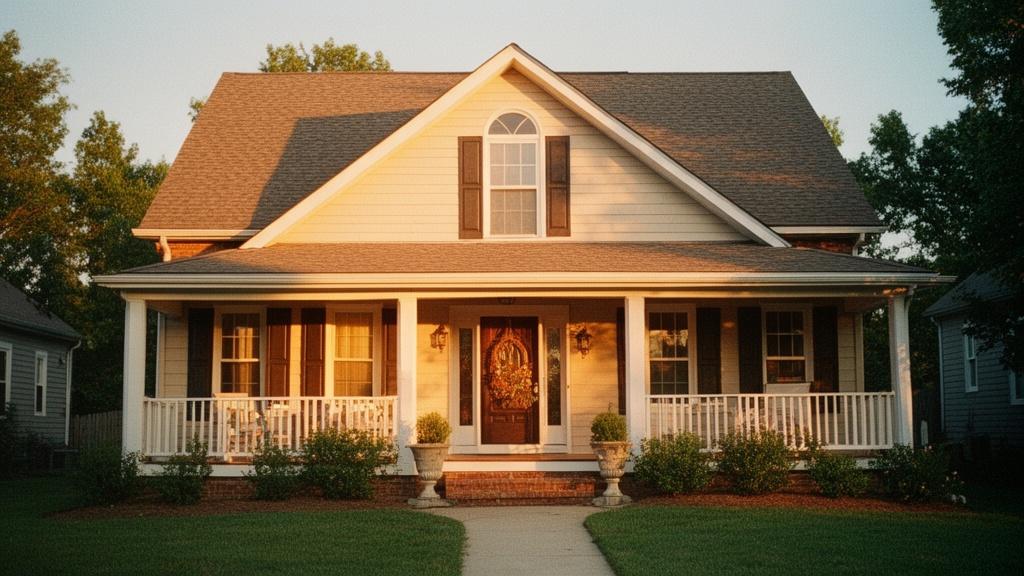
Homes in Tarrytown range from 1940s and 1950s bungalows and Tudor-style cottages to substantially renovated mid-century ranches and newer custom builds that replaced older structures on large lots. Lot sizes typically run between 7,000 and 14,000 square feet, which is significantly larger than what you find in comparable central Austin zip codes. Many properties retain mature oak trees that add both character and assessed value.
The neighborhood includes Tarrytown Park, Reed Park with its tennis courts and green space, and Mayfield Park with its peacock gardens and trails down to Lake Austin. Casis Village shopping center on Jefferson Street provides walkable access to restaurants, a grocery option, and daily-errand retail without requiring a trip into downtown.
Location and Commute Context
Tarrytown sits roughly two to three miles from the Capitol and the downtown core. During off-peak hours, the drive downtown via Enfield Road or Lake Austin Boulevard takes about ten minutes. Peak-hour commutes via MoPac can stretch to twenty-five minutes depending on your destination. The neighborhood is also accessible via Lamar Boulevard, which connects directly to South Congress and the South First corridor.
The University of Texas main campus is approximately two miles northeast, and the Domain employment corridor is about eight miles north via MoPac. For buyers weighing central location against price, Tarrytown's proximity to both downtown and the lake makes it one of the more location-efficient choices in Austin, though that efficiency comes with a corresponding price premium.
2. The Home Buying Process in Tarrytown, Step by Step
Buying a home in Tarrytown Austin follows the same legal framework as any Texas purchase, but the low inventory and higher price points mean each step requires more preparation than in a higher-volume neighborhood. Skipping steps or moving slowly can cost you a property entirely.
Getting Pre-Approved Before You Search
Pre-approval is non-negotiable in Tarrytown. Because homes here routinely list above $1.5 million, sellers and their agents expect to see a lender letter before showing the property in many cases. A pre-approval letter from a reputable lender, ideally one familiar with jumbo loan products, signals that you are a serious buyer and can move quickly when the right home appears.
Jumbo loan thresholds in Travis County for 2026 sit above the conforming limit of $806,500, meaning many Tarrytown purchases will require jumbo financing. Jumbo products typically require a credit score of 700 or higher, a debt-to-income ratio below 43 percent, and reserves of six to twelve months of mortgage payments in liquid assets. Get these documents together before you begin touring homes.
Working With a Local Buyer's Agent
In a neighborhood with fewer than a dozen active listings at any given time, a buyer's agent with genuine Tarrytown experience is a meaningful advantage. They will know which streets carry more traffic from MoPac, which lots have drainage issues, and which sellers may be open to off-market conversations before a property hits the MLS. That kind of local knowledge is not something you can replicate with a portal search.
Under Texas law and the updated NAR settlement rules in effect through 2026, you will sign a written buyer representation agreement before your agent can show you homes. This agreement outlines how your agent is compensated. Before you sign anything, read our guide on questions to ask a buyer's agent before hiring them in Austin so you know exactly what to look for.
Making an Offer in a Low-Inventory Market
Texas uses the TREC One to Four Family Residential Contract as the standard purchase agreement. Your offer will specify the purchase price, earnest money amount, option fee, financing terms, closing date, and any requested repairs or seller contributions. In Tarrytown, earnest money of one to two percent of the purchase price is standard, and some sellers expect closer to two percent given the price range.
The option fee buys you the unrestricted right to terminate during the option period, typically five to ten days. In September 2026, Tarrytown's market is more balanced than it was in 2021 and 2022, so buyers have somewhat more room to negotiate on price and terms. However, well-priced homes in the $1.5 million to $2.5 million range still attract multiple interested parties, so your offer needs to be clean and well-structured from the start.
Due Diligence, Inspections and the Option Period
The option period is when you do the serious work. For a Tarrytown home, plan to schedule a general home inspection, a foundation inspection (critical given Austin's expansive clay soils), a sewer scope, an HVAC evaluation, and a pool inspection if applicable. Older homes from the 1940s through 1960s may also warrant an electrical panel inspection and a check for original cast-iron plumbing.
Budget between $800 and $1,500 for a comprehensive inspection package on a home in this price range. If inspections reveal significant issues, you can negotiate repairs, a price reduction, or a seller credit during the option period. If you cannot reach agreement, you can terminate and receive your earnest money back, though you forfeit the option fee.
3. What Does It Actually Cost to Buy a Home in Tarrytown?
Tarrytown is one of Austin's higher-priced central neighborhoods, and the full cost of buying here goes well beyond the purchase price. Understanding every line item before you make an offer prevents surprises at the closing table.
Purchase Price Ranges in September 2026
As of September 2026, Tarrytown homes are listing and selling in a wide band depending on size, condition, and lot characteristics. Entry-level properties, typically smaller cottages or homes needing significant renovation, start around $1.1 million to $1.4 million. Mid-range renovated homes on standard lots run from $1.5 million to $2.2 million. Fully custom builds and larger properties on premium lots can reach $3 million to $5 million or beyond.
Austin's broader market has seen increased price cuts as inventory has grown, and Tarrytown is not entirely immune to that trend. According to HousingWire's analysis of Austin housing trends, homes across Austin are sitting longer and sellers are increasingly adjusting prices to attract buyers. In Tarrytown specifically, this means a buyer who is patient and well-prepared may find more negotiating room than existed two or three years ago.
Closing Costs Breakdown
Closing costs for buyers in Texas typically run between two and three percent of the purchase price. On a $1.8 million Tarrytown home, that means budgeting between $36,000 and $54,000 in closing costs on top of your down payment. Here is what that typically includes:
- Lender origination and underwriting fees: Typically 0.5 to 1 percent of the loan amount, or $7,000 to $14,000 on a $1.4 million jumbo loan.
- Title insurance (owner's policy): In Texas, the premium is set by the state. On a $1.8 million purchase, expect roughly $4,500 to $5,500.
- Escrow and settlement fees: Usually $1,500 to $2,500 depending on the title company.
- Appraisal fee: Jumbo appraisals in Austin currently run $800 to $1,500, sometimes more for complex or unique properties.
- Prepaid items: Homeowners insurance premium (first year), prepaid mortgage interest, and property tax escrow setup. Budget $8,000 to $15,000 for this category on a Tarrytown home.
- Survey: A new survey in Travis County runs $600 to $1,200. Some sellers provide an existing survey, which lenders may accept.
Ongoing Ownership Costs to Budget For
Property taxes in Travis County are a significant ongoing cost that buyers often underestimate. The combined tax rate for properties in the Austin ISD portion of Tarrytown runs approximately 1.8 to 2.1 percent of appraised value annually. On a home appraised at $1.8 million, that is between $32,400 and $37,800 per year before any homestead exemption.
Texas has no state income tax, which offsets the property tax burden for many buyers relocating from higher-income-tax states. Once you establish the home as your primary residence, file for the homestead exemption with the Travis Central Appraisal District. The exemption reduces your taxable value by $100,000 for school district taxes and provides a ten percent annual cap on appraisal increases, which becomes very valuable over time.
Homeowners insurance in central Austin has increased meaningfully since 2023 due to hail risk and broader insurance market pressures. Budget $4,000 to $8,000 annually for a home in the $1.5 million to $2.5 million range, depending on the home's age, roof condition, and coverage limits. Older homes with original roofs may face higher premiums or require a roof replacement before coverage is offered.
4. Realistic Timeline for Buying in Tarrytown Austin
Buying a home in Tarrytown Austin takes longer than buyers expect, primarily because inventory is thin and the right property may not appear for weeks or months. Planning around a realistic timeline prevents rushed decisions and helps you coordinate financing, moving logistics, and lease endings properly.
From Search to Closing: How Long It Takes
- Pre-approval and lender selection: One to three weeks. Jumbo loan pre-approval takes longer than conforming because lenders require more documentation.
- Active home search: Two to six months in Tarrytown. Inventory is limited; buyers who are too selective on minor features can wait considerably longer.
- Offer to executed contract: One to five days, depending on seller response time and any counter-offer negotiations.
- Option period (inspections and negotiations): Five to ten days. Schedule inspectors immediately after going under contract; availability fills quickly.
- Loan processing and underwriting: Twenty-five to forty days for a jumbo loan. Conventional conforming loans can close in twenty-one to thirty days if the file is clean.
- Appraisal: Ordered by the lender after contract execution; typically completed within ten to fifteen business days in Austin's current market.
- Closing: Usually thirty to forty-five days after contract execution for a financed purchase. Cash buyers can close in as few as ten to fourteen days.
All in, from starting your search to receiving keys, plan for three to eight months if you are financing the purchase. Buyers with flexible timelines who do not need to close by a specific date are in a stronger position because they can wait for the right property rather than settling under pressure.
What Can Slow the Process Down
Appraisal gaps are one of the most common delays in Tarrytown. When a home is unique or when comparable sales are limited, appraisers sometimes come in below the contract price. This requires renegotiation with the seller, an appraisal challenge, or the buyer covering the gap in cash. Having a clear plan for this scenario before you make an offer is worth the conversation with your agent.
Title issues on older Tarrytown properties can also add time. Homes that have changed hands multiple times since the 1940s occasionally have recorded easements, deed restrictions, or survey discrepancies that require legal resolution before closing. Your title company will catch these during the title commitment phase, but resolving them can add one to three weeks to the timeline.
5. Negotiating and Market Conditions in Tarrytown Right Now
In September 2026, buyers in Tarrytown have more negotiating leverage than at any point in the past four years. That does not mean sellers are desperate, but it does mean that thoughtful, well-structured offers have a better chance of success than they did during the peak competition of 2021 and 2022.
How Buyer Leverage Has Shifted
Nationally, price cuts are becoming more common as buyers gain negotiating power, and Austin is part of that trend. According to NAR's reporting on growing price reductions, a larger share of listings are receiving price reductions before going under contract. In Tarrytown, this has translated to some sellers accepting offers below list price and being more open to repair credits, closing cost contributions, or extended closing timelines.
Days on market in Tarrytown have lengthened compared to 2022. Homes that are priced correctly for current conditions are still moving in two to four weeks. Homes that are overpriced relative to recent comparable sales are sitting for sixty to ninety days or longer before sellers adjust. Tracking days on market for any home you are interested in will tell you a great deal about how motivated the seller is.
What to Watch for in Tarrytown Specifically
Flood zone status is a critical due diligence item in Tarrytown. Properties close to Shoal Creek and Dry Creek tributaries may fall within FEMA-designated flood zones, which requires mandatory flood insurance and can significantly affect your total monthly cost. Always check the current FEMA flood map and confirm the property's zone before making an offer.
City of Austin historic zoning and deed restrictions affect some Tarrytown properties, particularly those near Pemberton Heights and Bryker Woods on the neighborhood's edges. These restrictions can limit what you can demolish, expand, or alter on the exterior. If you are buying with renovation plans, confirm the zoning classification and any applicable historic overlay with the City of Austin Development Services Department before proceeding.
For a broader view of how Tarrytown fits into Austin's current market, the Austin, Texas Right Now Real Estate Market Guide covers citywide pricing trends and timing context that will help you frame what you are seeing in Tarrytown specifically.
If you are also evaluating other central Austin options while you search, our guide to homes for sale in South Austin covers a different set of neighborhoods with their own price ranges and characteristics, which can be useful for comparison.
FAQ
What is the typical price range for buying a home in Tarrytown Austin in 2026?
As of September 2026, homes in Tarrytown Austin list and sell across a wide range depending on size, condition, and lot. Smaller cottages or homes needing renovation start around $1.1 million to $1.4 million. Renovated mid-range homes on standard lots run from $1.5 million to $2.2 million. Larger custom builds and premium-lot properties can reach $3 million to $5 million or beyond. The neighborhood's geographic constraints mean very few properties come to market below $1 million, and those that do typically require substantial work.
How long does it take to buy a home in Tarrytown from start to close?
From the start of your active search to closing, plan for three to eight months if you are financing the purchase. Pre-approval for a jumbo loan takes one to three weeks. The search itself can take two to six months given Tarrytown's limited inventory. Once you are under contract, the option period runs five to ten days, and loan processing and closing typically add another thirty to forty-five days. Cash buyers can compress the contract-to-close phase to as little as ten to fourteen days, but the search phase timeline is the same regardless of how you are paying.
What should I watch out for when buying an older home in Tarrytown?
Homes built in the 1940s through 1960s, which make up a significant portion of Tarrytown's housing stock, can carry several issues that require specialist inspections. Foundation movement is common given Austin's expansive clay soils, so a dedicated foundation inspection is worth the cost. Original cast-iron sewer lines in older homes are prone to root intrusion and deterioration, making a sewer scope essential. Older electrical panels, particularly fuse boxes or early breaker panels, may not meet current code or insurer requirements. Flood zone status near creek tributaries is also worth verifying early, since mandatory flood insurance can meaningfully increase your monthly carrying cost.