← Back to Blog
Local Living
What Is It Actually Like to Live in the Mueller Neighborhood in Austin Day to Day
By Leila Showery
Compass RE · DRE# 760085
September 25, 2026 · 10 min read
If you are researching what it is actually like to live in the Mueller neighborhood in Austin day to day, the honest answer is that it is unlike almost any other neighborhood in the city. Mueller was built from scratch on the former Robert Mueller Municipal Airport site, roughly three miles northeast of downtown, and that planned origin shapes everything from the street grid to the morning coffee run.
1. The Physical Layout and How You Move Through Mueller Every Day
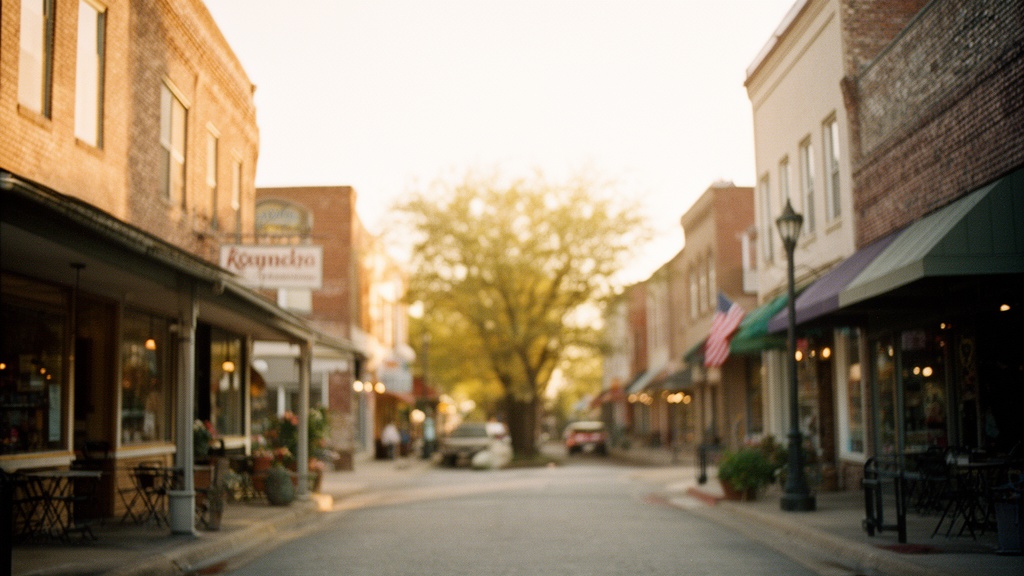
Mueller is a grid-based, mixed-use development covering roughly 700 acres between Airport Boulevard, Manor Road, 51st Street, and Berkman Drive. Because it was master-planned rather than organically developed, the streets are wide enough for bike lanes, sidewalks are continuous, and crosswalks are well-marked. That matters enormously when you are deciding whether to grab your car keys or your sneakers for a morning errand.
The Street Grid and Walkability
Walk Score data consistently puts Mueller in the high-70s to low-80s range, which is genuinely high for Austin, a city that is not known for pedestrian infrastructure. The central commercial strip along Aldrich Street, lined with restaurants, a coffee shop, a movie theater, and the Alamo Drafthouse, is reachable on foot from most Mueller addresses in under ten minutes. The HEB grocery store at the corner of Airport and Berkman is about a seven-minute walk from the neighborhood's interior blocks.
The internal trail network connects residential blocks to Mueller Lake Park and the commercial areas without requiring you to cross a major arterial. That continuity is something long-time Austin residents who moved to Mueller from other parts of the city frequently mention. You can leave your house, run two miles around the lake, stop at the farmers market, and return home without touching Airport Boulevard once.
Getting In, Out, and Around Austin
Mueller's location is one of its most practical attributes. Downtown Austin is roughly three miles away, which translates to about ten to fifteen minutes by car outside of peak hours. During rush hour on Airport Boulevard or 51st Street, that same trip can stretch to twenty-five or thirty minutes. UT Austin's main campus is approximately two miles southwest, and the Domain is about eight miles north on MoPac.
Capital Metro bus routes serve Mueller along Airport Boulevard and Manor Road, and the MetroRapid 803 line connects the neighborhood to the Rundberg area, the Domain, and points south toward downtown. Cyclists who are comfortable on painted bike lanes can reach the UT campus and East 6th Street corridors in fifteen to twenty minutes. For longer Austin commutes, say to the Apple campus in North Austin or to the Tesla Gigafactory southeast of the city, residents rely on cars, and those commutes range from twenty-five to fifty minutes depending on the time of day.
2. What Day-to-Day Living in Mueller Austin Actually Looks Like
Living in the Mueller neighborhood in Austin day to day has a rhythm that is noticeably different from older Austin neighborhoods. The planned nature of the development means that density and land use are intentional: single-family homes sit next to townhomes, which sit next to retail, which sits next to office space. That mix creates activity at most hours, which some residents love and others find takes adjustment.
Morning and Evening Rhythms
On a typical weekday morning, Mueller Lake Park fills with walkers, joggers, and dog owners by 6:30 a.m. The coffee options are genuinely good. Houndstooth Coffee on Aldrich Street is a local Austin staple, and the line moves fast enough that a pre-work stop is realistic. The Thinkery children's museum opens at nine, and its parking lot signals the shift in the neighborhood's daytime energy as the morning progresses.
Evenings on Aldrich Street are lively but not loud in the way that East 6th Street or Rainey Street can be. The Alamo Drafthouse Mueller location draws crowds for evening screenings, and the restaurant patios fill up on weekends. By 10 p.m. on most nights, the commercial strip quiets considerably. The residential blocks themselves are noticeably calm after dark, which is a meaningful difference from neighborhoods closer to Austin's entertainment corridors.
Noise, Light, and Urban Density
The biggest adjustment for people coming from quieter Austin suburbs is density. Mueller lots are small by Texas standards. Single-family homes often sit on lots between 3,500 and 5,500 square feet, and townhome units share walls. You can hear your neighbors more than you would in a Cedar Park subdivision, and parking on the narrower residential streets requires more intentionality than a wide suburban cul-de-sac.
Airport Boulevard carries consistent traffic noise, and homes within a block of that corridor notice it. The interior blocks, particularly those facing the lake or the central green spaces, are significantly quieter. If noise is a concern, the specific block and orientation of a home matters more in Mueller than the neighborhood as a whole. For a thorough look at the trade-offs that come with Mueller's planned density, this detailed breakdown of Mueller's real trade-offs is worth reading before you commit to a specific address.
3. Grocery Runs, Errands, and Eating Out in Mueller
One of the most practical questions about any neighborhood is whether you can handle daily errands without a long drive. In Mueller, the answer is yes for most standard needs, which puts it in a different category from many Austin neighborhoods where a car trip is mandatory for groceries or a pharmacy run.
Everyday Retail and Groceries
The HEB at Airport and Berkman is the primary grocery anchor for the neighborhood. It is a full-size store with a pharmacy, prepared foods, and a solid selection of local Texas products. For specialty items, Whole Foods on Lamar is about fifteen minutes by car. A Target on Manor Road sits just east of the neighborhood boundary, handling most household and pharmacy needs. A CVS on Airport Boulevard covers quick prescription pickups.
The Aldrich Street commercial strip handles coffee, casual dining, dry cleaning, and a few boutique retail shops. It is not a complete commercial district in the way that South Congress or the Domain are, so residents still make regular car trips to other parts of Austin for larger shopping needs. But for the daily rhythm of coffee, lunch, and a grocery run, Mueller handles it without requiring you to leave.
Restaurants and the Farmers Market
The Mueller Farmers Market runs every Sunday from 10 a.m. to 2 p.m. in the Browning Hangar parking lot, and it is one of the more consistent weekly markets in Austin. Vendors rotate seasonally, but you can reliably find local produce, eggs, bread, and prepared foods. For longtime residents, Sunday at the market is less an errand and more a social ritual. You run into neighbors, let the kids run around, and handle a portion of the week's produce shopping at the same time.
Restaurants on and around Aldrich Street include Aster's Ethiopian Restaurant, Hillside Farmacy, and several fast-casual spots. The Alamo Drafthouse is both a movie theater and a full-service restaurant and bar. For a broader dining range, East Austin's restaurant corridor along East 6th Street is about ten minutes by car and offers dozens of additional options.
4. Green Space, Recreation, and Community Life
Green space is one of Mueller's most distinctive features. Roughly 140 acres of the development are dedicated to parks, open space, and trails, which is a significant proportion of the total site. That ratio is part of what makes day-to-day life in Mueller feel different from other dense urban neighborhoods in Austin.
Mueller Lake Park and the Trail System
Mueller Lake Park is the neighborhood's centerpiece. The lake itself is a stormwater retention feature that has been designed as a public amenity, with a paved loop trail around its perimeter, native plantings, a splash pad, and a large playground. The loop is about 0.7 miles, and most residents who use it regularly will do multiple laps. Dogs are welcome on leash, and the dog-to-resident ratio on weekend mornings is notably high.
Beyond the lake, Mueller has several smaller pocket parks distributed through the residential blocks. Ella Wooten Park on the neighborhood's south side has tennis courts, a basketball court, and a community pool. The Thinkery, Austin's children's museum, is located within Mueller and has an outdoor play area that is accessible to museum members. For longer runs or bike rides, the connections to the broader Austin trail network via Airport Boulevard and the Lance Armstrong Bikeway extend the options considerably.
Community Events and Social Life
Mueller has a notably active homeowners association and a community development corporation that organizes regular events. Summer concert series, holiday markets, and neighborhood cleanup days are recurring features of the calendar. The Browning Hangar, a preserved structure from the original airport, is used as an event venue and hosts everything from the farmers market to private gatherings. Residents who want to be plugged into neighborhood life have more structured opportunities to do so here than in most Austin neighborhoods.
For those curious about the broader picture of Mueller's community character and how it compares across different parts of the development, the Mueller neighborhood guide on Homes.com provides a useful overview of the area's layout and amenities.
5. Housing Stock, Prices, and What You Get for Your Money in Mueller
Understanding what it is actually like to live in the Mueller neighborhood in Austin day to day requires understanding what the housing itself looks like, because the physical form of the homes shapes how life feels inside the neighborhood. Mueller is not a neighborhood of large ranch houses on half-acre lots. It is a compact, New Urbanist development where the housing types are deliberately varied and the lot sizes are intentionally small to support walkability.
Townhomes, Single-Family Homes, and Condos
Mueller's housing mix includes detached single-family homes, attached townhomes, and multi-family condo buildings. The single-family homes are the most sought-after and tend to be two or three stories tall with small rear yards or alley-loaded garages. Townhomes are common throughout the neighborhood and typically offer two to three bedrooms with rooftop decks or small patios. Condo buildings along the commercial corridors offer one and two-bedroom units aimed at buyers who want walkability without yard maintenance.
Mueller also has a meaningful affordable housing component built into its design. Roughly 25 percent of the neighborhood's for-sale and rental units are designated as income-restricted affordable housing, administered through the Mueller Community Development Corporation. This is a deliberate part of the neighborhood's original planning agreement with the City of Austin and distinguishes Mueller from most other planned developments in the metro area.
Price Ranges as of September 2026
As of September 2026, Mueller home prices reflect both the neighborhood's central location and the premium that buyers place on its walkability and amenities. Detached single-family homes in Mueller are generally listed in the range of $700,000 to over $1.1 million depending on size, lot position, and proximity to the lake or commercial areas. Townhomes typically range from $525,000 to $750,000. Condo units start around $350,000 for one-bedroom configurations and climb to $550,000 or more for larger two-bedroom units with desirable views or finishes.
Those price points put Mueller firmly in the upper tier of Austin's urban core neighborhoods, comparable to parts of Bouldin Creek and Clarksville. The trade-off is that you are getting a newer home, often built after 2008, with modern energy efficiency standards, no deferred maintenance from decades of prior ownership, and a walkable environment that older Austin neighborhoods at similar prices cannot always match. If you are weighing Mueller against other central Austin options, our guide to buying a home in the Mueller neighborhood covers the purchase process and cost breakdown in detail.
HOA fees are a meaningful line item in Mueller's monthly cost picture. Most Mueller properties carry HOA fees ranging from $100 to $250 per month, covering common area maintenance, trail upkeep, and community programming. Condo owners pay additional regime fees on top of the neighborhood HOA. These costs are worth factoring into your monthly budget alongside the mortgage payment, property taxes, and insurance. For a full breakdown of what buyers pay at closing in Austin, see our article on closing costs for Austin home buyers.
For buyers comparing Mueller to other Austin neighborhoods, it is worth reading about buying a home in South Congress and the Travis Heights market guide to see how the price points, housing types, and daily living experience differ across central Austin's most active neighborhoods.
FAQ
Is Mueller in Austin walkable enough to go car-free or car-light?
Mueller is one of Austin's most walkable neighborhoods, with continuous sidewalks, internal trails, an on-site HEB grocery store, and a commercial strip on Aldrich Street reachable on foot from most addresses in under ten minutes. Capital Metro bus service along Airport Boulevard and Manor Road provides transit connections to downtown and the Domain. That said, Austin's broader geography means that many workplaces, entertainment venues, and shopping destinations outside Mueller still require a car or a longer transit trip. Most Mueller residents describe themselves as car-light rather than car-free: they walk or bike for daily errands but still own a vehicle for cross-city trips.
How much do homes in Mueller Austin cost right now?
As of September 2026, detached single-family homes in Mueller are generally priced between $700,000 and $1.1 million or more, depending on size and location within the neighborhood. Townhomes typically fall in the $525,000 to $750,000 range, and condo units start around $350,000 for one-bedroom configurations. These prices reflect Mueller's central location, newer construction, and the premium buyers place on its walkability and green space. HOA fees of $100 to $250 per month are an additional ongoing cost that buyers should factor into their budget.
What schools serve the Mueller neighborhood in Austin?
Mueller is served by Austin ISD. The specific schools assigned to a Mueller address depend on the exact street and can change when the district redraws attendance boundaries. The most reliable way to verify which schools serve a particular Mueller home is to use the Austin ISD attendance zone lookup tool on the district's official website, entering the specific property address. School assignments are a personal research decision, and buyers who have questions about the process should check directly with Austin ISD for current boundary maps and enrollment information.