
← Back to Blog
Market Trends
Denver, Colorado Real Estate Market Guide: Prices, Neighborhoods and Timing
By Lisa Hintgen
September 27, 2026 · 10 min read
Whether you are buying your first home, selling an existing one, or relocating to Denver, Colorado, understanding the real estate market from multiple angles gives you a real edge. This Denver, Colorado real estate market guide covers current prices, neighborhood housing stock, commute context, and the timing questions that buyers and sellers ask most often in September 2026.
1. What the Denver Housing Market Looks Like Right Now
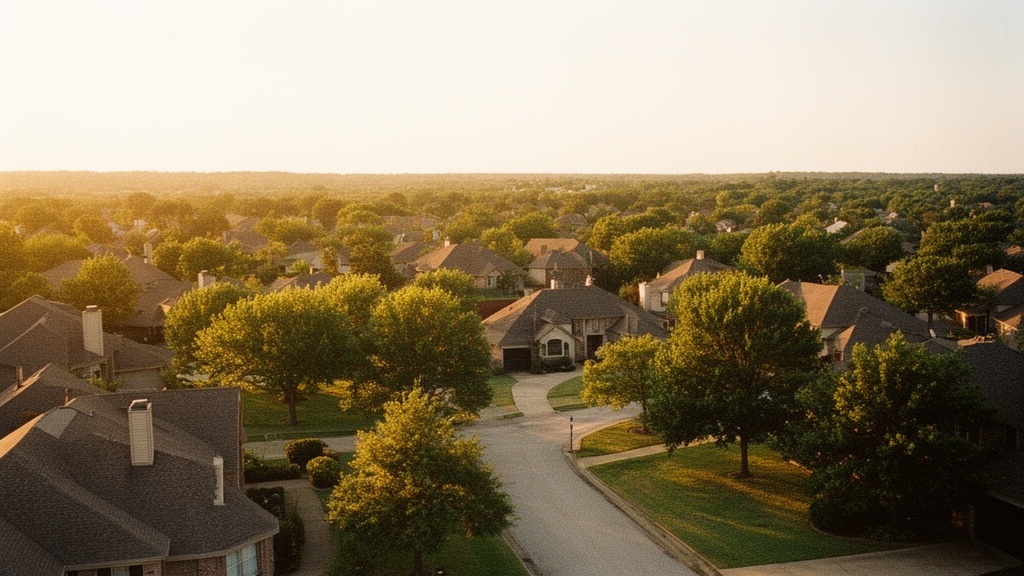
Denver's housing market in September 2026 is more balanced than it was during the frenzied years of 2021 and 2022. Buyers have more time to think, more homes to choose from, and more room to negotiate than at any point in the past five years. Sellers who price correctly are still closing, but the days of receiving a dozen offers the first weekend are mostly behind us.
Current Price Benchmarks
The median home price across the Denver metro currently sits in the mid-to-upper $500,000s, with the city of Denver proper tracking slightly below the broader metro median in some zip codes and above it in others depending on the neighborhood and property type. For detailed current figures broken down by month, see what the average home price in Denver looks like right now in September 2026. Condos and attached townhomes generally start in the low-to-mid $300,000s in outer neighborhoods and climb past $700,000 in high-demand walkable areas. Single-family detached homes in established central neighborhoods routinely list above $700,000, while entry-level single-family inventory in further-out suburbs can still be found in the $450,000 to $550,000 range.
Price per square foot varies significantly by location and condition. Renovated bungalows in Berkeley or Sunnyside can exceed $450 per square foot, while larger homes on bigger lots in Green Valley Ranch or Montbello tend to come in closer to $250 to $300 per square foot. Knowing the price-per-square-foot range for a specific neighborhood is one of the most reliable ways to evaluate whether a list price is reasonable.
Inventory and Days on Market
Active listings across the Denver metro have climbed compared to where they were in 2024 and early 2025. That increase in supply is giving buyers more options, but it is also putting pressure on sellers to price carefully from the start. Homes that come to market overpriced are sitting longer, and many are seeing price reductions before going under contract. According to reporting from HousingWire, Denver has been one of the metros where extended days on market and price cuts have become more common as inventory rose. The average days on market for homes that sell is currently in the 30 to 50 day range, though well-priced homes in tight neighborhoods still move faster.
2. Denver Neighborhoods: Housing Stock and Price Ranges
Denver's neighborhoods each have a distinct physical character, and the housing stock varies considerably from one area to the next. Understanding what you are likely to find in each part of the city helps you search more efficiently and set realistic expectations before you start touring homes.
Central and Inner-Ring Neighborhoods
Neighborhoods like Capitol Hill, Congress Park, Cheesman Park, and the area around City Park are dominated by early 20th-century brick architecture: bungalows, Tudor revivals, and two-story foursquares on lots that typically run 4,000 to 6,250 square feet. These homes often have original hardwood floors, covered front porches, and detached garages. Single-family homes in this corridor generally list between $600,000 and $900,000 depending on condition and lot size. The area is walkable to Cheesman Park's 80 acres of open space, the Denver Botanic Gardens at York Street, and a dense stretch of restaurants and coffee shops along 17th Avenue.
Washington Park, known locally as Wash Park, draws buyers to its two lakes, 165 acres of parkland, and tree-lined streets of Craftsman and Colonial Revival homes. Prices here regularly push past $900,000 for single-family homes, with renovated properties on the park perimeter exceeding $1.5 million. For a detailed look at what daily life in that neighborhood involves, see what it is actually like to live in the Wash Park neighborhood. The Highlands and LoHi neighborhoods, just northwest of downtown, feature a mix of Victorian-era homes and newer infill construction, with prices ranging from the mid-$600,000s to well over $1 million.
North and Northwest Denver
Berkeley, Sunnyside, and Tennyson Street corridor homes tend to be smaller bungalows and ranch-style houses built between the 1920s and 1960s, often on 4,000 to 5,000 square foot lots. Many have been renovated, which pushes prices into the $600,000 to $800,000 range for turnkey properties. Unrenovated homes in these neighborhoods can still be found in the low-to-mid $500,000s, offering buyers a path to building equity through updates. The Tennyson Street commercial strip runs about eight blocks and includes independent bookstores, art galleries, and neighborhood restaurants.
East and Southeast Denver
Virginia Village, Hilltop, and Crestmoor Park sit east of Colorado Boulevard and offer a mix of mid-century ranch homes and larger two-story colonials on wider lots, often 6,000 to 8,500 square feet. Virginia Village tends to attract buyers looking for more square footage per dollar, with many homes in the $550,000 to $750,000 range. Hilltop and Crestmoor Park command higher prices, frequently $800,000 to $1.2 million, partly because of the larger lot sizes and the proximity to Cranmer Park and the Cherry Creek trail system.
Suburbs Within the Metro
Aurora, Lakewood, Arvada, Westminster, and Thornton each offer distinct housing stock at price points that can be meaningfully lower than comparable square footage inside Denver city limits. Arvada's Olde Town area features late 19th and early 20th-century homes alongside newer infill, with prices generally ranging from $500,000 to $750,000. Westminster and Thornton offer a higher proportion of newer construction from the 1990s through 2010s, with more homes in the $450,000 to $600,000 range. Aurora's inventory is broad, spanning entry-level condos under $300,000 to large single-family homes above $700,000 depending on the specific community.
New construction is also an active part of the Denver metro picture in 2026. If you want to understand what is being built and where, this overview of new construction developments in Denver in 2026 covers the active projects and what buyers should know before signing a builder contract.
3. Commute Times and Location Trade-Offs
Where you live in the Denver metro directly affects how much time you spend commuting, and that trade-off is worth mapping out before you narrow your search. Denver is not a small city. The metro stretches roughly 60 miles north to south and 40 miles east to west, so a home that looks close on a map can add 45 minutes each way to a downtown commute during peak hours.
Downtown and Light Rail Access
RTD's light rail and commuter rail network connects Union Station downtown to suburbs including Lakewood, Englewood, Littleton, Aurora, and the Denver Tech Center along the I-25 corridor. The University of Colorado A Line runs from Union Station to Denver International Airport in roughly 37 minutes, which matters for buyers who travel frequently for work. Living within a half-mile of a rail station can meaningfully reduce car dependence, and homes near well-used stations in Lakewood and Englewood tend to carry a modest price premium that reflects that convenience.
Highway Corridors
I-25 running north-south and I-70 running east-west are the primary highway arteries, and both experience significant congestion during morning and evening rush hours. A drive from Thornton to downtown Denver covers about 15 miles but can take 35 to 50 minutes in peak traffic. From Arvada to downtown is roughly 12 miles and runs 25 to 40 minutes by car. Buyers commuting to the Denver Tech Center along the southeast I-25 corridor from neighborhoods like Highlands Ranch or Lone Tree are looking at 15 to 25 miles and 30 to 50 minutes depending on the time of day.
4. Timing the Denver Market: When to Buy or Sell
Timing matters in Denver, but it rarely matters as much as pricing, preparation, and having the right representation. That said, understanding Denver's seasonal patterns can help you plan your move strategically and avoid competing in the most crowded part of the market.
Seasonal Patterns in Denver
Denver's busiest listing season runs from late March through June, when inventory peaks and buyer competition is highest. July and August stay active, but the pace begins to slow. September, where the market sits right now, is a transitional month: new listings are still coming to market, but buyer urgency has eased compared to spring. That creates an opportunity for buyers who were priced out or outcompeted earlier in the year. Sellers listing in September and October need to be priced tightly because they are competing against motivated sellers who may have been on the market since spring and are now willing to negotiate.
November through February is the quietest stretch of the year. Inventory drops, but so does buyer competition. Buyers who search in winter often find sellers who are more motivated to close, and the reduced number of competing offers can translate into better terms. Sellers who list in winter typically do so because they need to move, which means pricing and presentation need to be sharp to attract the smaller pool of active buyers.
What Rate Conditions Mean for Your Timeline
Mortgage rates remain a central factor shaping buyer activity in Denver in 2026. Rates have come down from their 2023 peaks but remain elevated compared to the sub-4% environment of 2020 and 2021. That rate environment continues to create a lock-in effect, where homeowners who refinanced at low rates are reluctant to sell and take on a higher rate on a new purchase. That reluctance is part of why inventory, while improved, has not flooded back to pre-pandemic levels.
The National Association of Realtors has noted that rate sensitivity and affordability constraints remain the dominant forces shaping local markets heading into late 2026. You can read more about what leading housing economists are tracking in the 2026 real estate outlook from NAR. For Denver buyers, locking in a rate and getting fully underwritten before making an offer remains one of the most practical ways to strengthen your position without waiving protections.
If you want to understand how Denver prices have shifted over the past year, this breakdown of how Denver home prices changed from 2025 to 2026 gives you a clear year-over-year comparison to frame where the market stands today.
5. What Buyers and Sellers Should Know Before Making a Move
The Denver, Colorado real estate market guide would not be complete without addressing the practical steps that separate prepared buyers and sellers from those who run into avoidable problems. The details below are specific to Denver's current conditions in September 2026.
Buyer Considerations
Closing costs are a real expense that buyers often underestimate when budgeting for a Denver purchase. On a $600,000 home, buyers typically pay between $8,000 and $15,000 in closing costs depending on lender fees, title insurance, and prepaid items. For a full breakdown of what those costs include and who pays what, see this guide to closing costs for buyers in Denver. Property taxes are another ongoing cost to model into your budget; Denver's mill levy structure means that taxes on a $600,000 home can vary depending on the specific taxing district.
The closing timeline in Denver currently runs about 30 to 45 days from contract to keys, though cash purchases can close faster and complex transactions with appraisal or inspection issues can take longer. Understanding the timeline before you go under contract helps you plan your move-out from a rental or coordinate the sale of an existing home. For a detailed look at what drives the timeline, see how long it typically takes to close on a house in Denver right now.
Seller Considerations
Denver sellers in September 2026 are operating in a market where buyers have choices. That means presentation, pricing, and the first two weeks on the market are more important than they were two or three years ago. Homes that come to market at or slightly below the comparable sales range tend to generate more showings and are more likely to receive multiple offers. Homes that start high and reduce later typically sell for less than they would have if they had been priced correctly from day one.
Pre-listing inspections have become a useful tool for Denver sellers in the current market. Having an inspection done before you list allows you to address issues proactively rather than negotiating repairs or credits after a buyer's inspection surfaces problems. In a market where buyers have leverage, a clean inspection report can meaningfully reduce the chance of a deal falling apart during due diligence.
For a direct answer to whether Denver currently favors buyers or sellers, this breakdown of the Denver housing market conditions in fall 2026 gives you a plain-language assessment of where the balance of power sits right now.
FAQ
What is the current median home price in Denver, Colorado?
As of September 2026, the median home price across the Denver metro sits in the mid-to-upper $500,000s, with the city of Denver proper varying by neighborhood and property type. Condos and attached townhomes can start below $350,000 in outer neighborhoods, while single-family homes in established central areas like Wash Park, the Highlands, or Capitol Hill regularly list above $700,000. The best way to get an accurate current figure for a specific neighborhood or property type is to look at recent comparable sales, which a local agent can pull for you from the MLS.
Is now a good time to buy a home in Denver?
September 2026 offers buyers more inventory and more negotiating room than Denver has seen in several years, which makes it a more favorable environment for buyers compared to the competitive peaks of 2021 and 2022. However, mortgage rates remain elevated compared to historic lows, which affects monthly payment affordability at Denver's price points. The right time to buy depends on your personal financial situation, how long you plan to stay in the home, and whether you can qualify comfortably at current rates. A buyer who plans to stay five or more years is generally in a stronger position to weather short-term price fluctuations than someone who might need to sell within two or three years.
Which Denver neighborhoods have the most affordable housing stock?
Within Denver city limits, neighborhoods like Montbello, Green Valley Ranch, and Villa Park tend to offer lower price points than central or northwest Denver, with single-family homes sometimes available in the $400,000 to $550,000 range depending on size and condition. In the broader metro, suburbs like Aurora, Westminster, and Thornton offer more square footage per dollar than comparable properties closer to downtown. Price ranges shift frequently based on market conditions, so checking current active listings and recent sales in any specific neighborhood gives you the most accurate picture. Lisa Hintgen can run a current comparable sales analysis for any area you are considering.