← Back to Blog
Market Trends
San Antonio Real Estate Market Guide: Prices, Neighborhoods, Timing
By Lisa Reyna
Option One Real Estate
September 1, 2026 · 12 min read
If you are trying to make sense of the San Antonio, Texas real estate market guide covering prices, neighborhoods, and timing, this is the place to start. San Antonio is one of the largest cities in the country, and its housing market behaves differently depending on which part of town you are looking in, what price range you are targeting, and whether you are buying or selling. This article breaks down what the market looks like right now, what different areas of the city offer, and how to think about timing your move.
1. What San Antonio Home Prices Look Like Right Now
The San Antonio housing market has settled into a more balanced position in September 2026, with median home prices sitting in the range of $285,000 to $310,000 depending on the data source and the month sampled. That is a meaningful shift from the peak years of 2021 and 2022, when prices climbed sharply and multiple offers were the norm. Buyers today have more room to negotiate than they did two or three years ago, and sellers need to price carefully to attract offers.
Median Price and Price Per Square Foot
Price per square foot tells a clearer story than median price alone. Across San Antonio, price per square foot generally runs between $145 and $185 for resale homes, though that range stretches considerably depending on the submarket. A 1,400-square-foot home in the Converse area might sell closer to $145 per square foot, while a renovated bungalow near Alamo Heights or Terrell Hills can push well past $220 per square foot. Understanding that spread is essential before you set a budget or a list price.
How Prices Have Shifted in 2026
Year-over-year price growth in San Antonio has been modest in 2026, with most data pointing to flat to slightly negative appreciation in many submarkets compared to 2025. According to reporting from HousingWire, Texas housing markets broadly have faced headwinds from elevated inventory and affordability pressures, and San Antonio is no exception. Sellers who bought before 2020 still hold significant equity, but those who purchased at the 2022 peak may be closer to break-even depending on their specific address and what improvements they made.
New Construction vs. Resale Pricing
San Antonio has a large volume of new construction, particularly in master-planned communities along Highway 90 West, Loop 1604, and in the Cibolo and Schertz corridors to the northeast. Builders have been offering rate buydowns, closing cost assistance, and upgraded lot premiums at no charge to move standing inventory, which has created real competition for resale sellers in those same zip codes. A resale home priced at $320,000 in a neighborhood where a builder is selling new construction at $315,000 with a 2-1 rate buydown is going to sit. That dynamic is worth knowing before you list.
2. A Neighborhood-by-Neighborhood Look at San Antonio
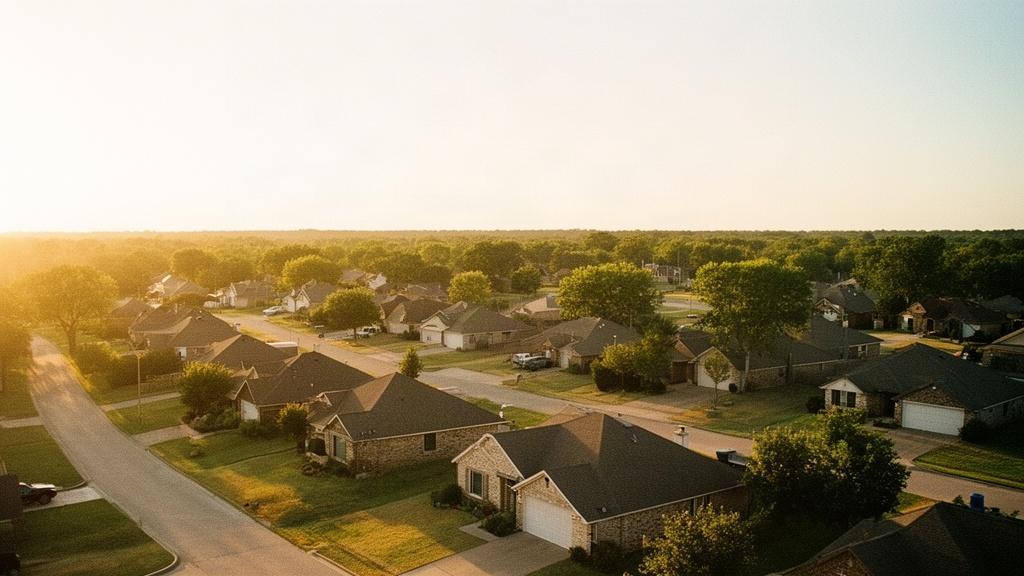
San Antonio spans over 460 square miles, and the housing stock varies dramatically from one part of the city to another. This San Antonio, Texas real estate market guide would be incomplete without walking through the major areas, what the homes look like, and what price ranges you can expect to encounter.
The Urban Core and Inner Loop
The area inside Loop 410 includes some of San Antonio's oldest and most architecturally varied housing. You will find 1920s craftsman bungalows in the King William Historic District, mid-century ranch homes in Mahncke Park, and post-war cottages throughout Monte Vista. Lot sizes are typically smaller, ranging from 5,000 to 8,500 square feet, and many homes have been renovated. Prices in these established inner-loop neighborhoods start around $300,000 for a modest 1,100-square-foot home and can exceed $700,000 for a fully restored historic property on a larger lot near the San Antonio River.
The Pearl District and the stretch of Broadway running north toward Alamo Heights draw significant interest because of walkability to restaurants, the San Antonio Botanical Garden, and Brackenridge Park. Condos and townhomes in this corridor range from around $250,000 for a smaller unit to over $600,000 for newer construction with rooftop terraces and downtown views.
The Northwest Corridor
The northwest side of San Antonio, anchored by the Medical Center and stretching out toward Leon Valley and Shavano Park, is one of the city's most established suburban areas. Homes here tend to be brick construction from the 1970s through the 1990s, with lot sizes running from 7,000 to 12,000 square feet. Prices in Leon Valley and the 78238 and 78240 zip codes generally fall between $220,000 and $320,000 for a three-bedroom home. Shavano Park, which is an incorporated municipality within the metro, features larger custom homes on one-acre-plus lots, with prices typically starting around $650,000.
Commute times from the northwest side to downtown San Antonio average 20 to 30 minutes depending on the time of day, with IH-10 West and Loop 410 serving as the primary routes. The Medical Center employment hub is within 10 to 15 minutes for most of this area, which keeps demand consistent.
The Far West Side and Helotes Area
Helotes and the communities along Highway 16 north of IH-10 offer larger lots, Hill Country-adjacent scenery, and newer construction mixed with custom builds. The 78023 zip code, which covers Helotes, has seen consistent demand because of the lot sizes available, typically a quarter acre to one acre, and the proximity to Friedrich Wilderness Park and Government Canyon State Natural Area. Median prices in Helotes run between $340,000 and $430,000, with custom homes on larger acreage pushing higher. The drive to downtown San Antonio is approximately 25 to 35 minutes via Loop 1604 and IH-10.
The South Side and Southside Growth Areas
The south side of San Antonio, including areas around Highway 90 West, Lackland Air Force Base, and the expanding communities near Lytle and Natalia, offers some of the most affordable entry points in the metro. In zip codes like 78221 and 78242, three-bedroom homes regularly list between $175,000 and $250,000. New subdivisions have been built along the Medina River corridor and near the Toyota Manufacturing Plant on the far south side, bringing fresh inventory at prices starting around $240,000. The south side is also home to Brooks City Base, a redeveloped former Air Force base that now includes retail, a hotel, and office space, which has added economic activity to the area.
The Northeast and Converse Area
Converse, Universal City, and Schertz sit to the northeast of San Antonio along IH-35 and Loop 1604, close to Randolph Air Force Base. This corridor has seen substantial new construction over the past decade, and resale inventory is plentiful. Prices in Converse and Universal City typically run from $210,000 to $300,000 for homes built between 2000 and 2015. Schertz and Cibolo, which are incorporated cities with their own municipal services, tend to run slightly higher, from $280,000 to $380,000, with newer subdivisions from national builders active in both markets. The commute to Fort Sam Houston or Randolph AFB from this area is typically 15 to 25 minutes.
3. Inventory, Days on Market, and What They Mean for You
Inventory levels and days on market are two of the most practical numbers to watch in any real estate market. They tell you whether buyers or sellers have the upper hand, and how quickly you need to move when you find the right property or the right buyer.
How Much Inventory Is Out There
San Antonio currently sits at roughly four to five months of supply across the broader metro, which places it near the upper edge of a balanced market. Six months of supply is the traditional threshold between a buyer's and seller's market. At four to five months, neither side has a decisive advantage, though buyers have noticeably more options than they did in 2021 and 2022 when supply dipped below one month. The entry-level segment, homes priced below $250,000, remains the tightest part of the market because affordability pressures push more buyers into that range while fewer sellers list at those prices.
Analysts tracking Texas housing broadly have noted that builder inventory has contributed significantly to the overall supply count, particularly in the $300,000 to $400,000 range. A detailed look at what builders are doing with that inventory is covered in this HousingWire analysis on Texas home prices and builder strategy in 2026. For resale sellers competing in those price bands, understanding what builders are offering is critical context.
What Days on Market Tell Buyers and Sellers
The median days on market across San Antonio in September 2026 is running between 45 and 65 days for most resale homes, up significantly from the 10 to 15 days seen during the peak market of 2021 and 2022. That extended timeline gives buyers more room to complete inspections, request repairs, and negotiate terms without the panic of losing a home in a weekend bidding war. For sellers, it means pricing strategy matters more than ever. Homes that are priced at or slightly below market value from day one are still moving in three to four weeks. Homes that start too high and chase the market down often sit for 90-plus days and sell for less than they would have with the right list price from the start.
If you want a deeper look at how the current supply picture compares to the seller's market conditions of recent years, the article Has the San Antonio, Texas Housing Market Slowed Down, and Is It Still a Sellers Market? covers that question in detail.
4. Timing the San Antonio Market: When to Buy and When to Sell
Timing a real estate transaction is never an exact science, but San Antonio does have identifiable seasonal patterns and rate-driven cycles that can meaningfully affect your outcome. Knowing those patterns helps you set realistic expectations and plan your move strategically.
Seasonal Patterns in San Antonio
San Antonio follows a spring-heavy listing cycle, with the most active months running from March through June. Inventory climbs, more buyers are actively searching, and competition is at its highest during that window. The summer months slow slightly as San Antonio's heat, which regularly pushes past 100 degrees from June through August, discourages casual shopping. September and October historically bring a secondary wave of activity as temperatures drop and buyers who paused over summer re-enter the market. That makes right now, in September 2026, a window worth paying attention to if you are buying: you have more inventory than you would have seen in April, but you also have slightly less competition from other buyers.
For sellers, listing in late January or February, ahead of the spring surge, can capture buyers who have been searching all winter and are ready to move quickly. Listing in September or October can also work well because motivated buyers in those months tend to have real deadlines, such as job starts, lease expirations, or military PCS orders, which means they are not just browsing.
Interest Rates and Affordability in September 2026
Mortgage rates remain one of the biggest variables shaping buyer demand in San Antonio right now. Rates have been elevated relative to the historic lows of 2020 and 2021, and that has compressed purchasing power for buyers in every price range. A buyer who could afford a $340,000 home at a 3.5% rate can only qualify for roughly $270,000 at a 7% rate, assuming the same income and down payment. That gap has pushed many buyers into lower price tiers and kept some on the sidelines entirely, which partly explains why inventory has accumulated.
If you are weighing whether to buy now or wait for rates to fall, that question deserves its own careful read. The article Is Right Now a Good Time to Buy a House in San Antonio, Texas or Should I Wait? walks through that decision with specific numbers and scenarios relevant to this market.
One practical note: San Antonio has a large military and federal employee population because of Fort Sam Houston, Lackland AFB, Randolph AFB, and Camp Bullis. VA loans are widely used here, and sellers in military-adjacent zip codes should be prepared for VA appraisals and understand the process. Buyers using VA financing should know that many sellers in San Antonio are experienced with VA transactions, which removes some of the stigma that VA offers sometimes face in other markets.
5. What This Means If You Are Buying in San Antonio Right Now
Buyers entering the San Antonio market in September 2026 are in a meaningfully different position than buyers were two or three years ago. More inventory, longer negotiating timelines, and seller concessions that were essentially unheard of in 2021 are now common.
What Buyers Can Negotiate Right Now
Seller-paid closing costs are back on the table in most price ranges. Asking a seller to contribute two to three percent toward closing costs is a reasonable request in the current San Antonio market, particularly for homes that have been sitting for 30 or more days. Inspection repair requests are also more likely to be honored. During the peak market, buyers routinely waived inspection contingencies or accepted homes as-is; today, a thorough inspection with a repair request or a price reduction is standard practice again.
Rate buydowns negotiated as part of the purchase contract are another tool worth exploring. A seller-funded 2-1 buydown can reduce your effective rate by two percentage points in year one and one percentage point in year two, which lowers your monthly payment significantly during the adjustment period and gives you time to refinance if rates drop. Not every seller will agree to this, but in a market where homes are sitting, it is a legitimate conversation to have.
What Sellers Need to Do Differently in 2026
Sellers in San Antonio right now need to treat pricing as a strategic decision, not a starting point for negotiation. Buyers have enough options that an overpriced listing simply gets skipped. Professional photography, a clean and decluttered presentation, and pre-listing repairs that address obvious deferred maintenance all matter more than they did when demand was so strong that buyers overlooked condition issues. Sellers who invest a few hundred dollars in touch-up paint, landscaping, and a deep clean consistently see faster sales and better final prices than those who list as-is at a price that assumes the market is still 2022.
Choosing the right agent matters more in a competitive listing environment. If you are thinking through what to look for, the article What Should I Look for When Choosing a Realtor in San Antonio, Texas to Sell My Home covers the specific criteria that separate effective listing agents from the rest.
FAQ
What is the median home price in San Antonio, Texas right now?
As of September 2026, the median home price in San Antonio sits in the range of $285,000 to $310,000 depending on the specific submarket and data source. Entry-level homes on the south side and in Converse can be found below $250,000, while inner-loop neighborhoods and areas like Helotes or Shavano Park push well above that range. New construction from national builders in master-planned communities along Loop 1604 and IH-35 is adding supply in the $300,000 to $400,000 band, which is creating pricing pressure for resale sellers in those same areas. Getting an accurate read on value for a specific address requires a comparative market analysis, not just a metro-wide average.
Is San Antonio a buyer's market or a seller's market in 2026?
San Antonio is currently in a balanced to slightly buyer-favoring market, with roughly four to five months of supply across the metro as of September 2026. That is a significant shift from the extreme seller's market conditions of 2021 and 2022, when inventory was below one month and homes sold in days with multiple offers. Buyers today can negotiate closing cost contributions, request inspection repairs, and take time to make thoughtful decisions without losing every home to a competing offer. Sellers can still achieve solid prices, but they need to price accurately and present their homes well to compete with the available inventory, including new construction from builders offering incentives.
What parts of San Antonio are most affordable for first-time buyers?
The south side of San Antonio, including zip codes like 78221 and 78242, and the northeast corridor covering Converse and Universal City consistently offer the lowest entry prices in the metro, with three-bedroom homes available in the $175,000 to $270,000 range as of September 2026. The far west side along Highway 90 West also has newer subdivisions with starting prices around $240,000. Affordability should be weighed alongside commute distance, property tax rates, and HOA fees, which vary by municipality and subdivision. Bexar County property taxes can add significantly to monthly costs, so buyers should calculate the full payment, not just the purchase price, when comparing neighborhoods.