← Back to Blog
Neighborhoods
What is the Southtown neighborhood in San Antonio like to live in terms of walkability
By Lisa Reyna
Option One Real Estate
September 27, 2026 · 13 min read
Southtown is one of San Antonio's most walkable and architecturally layered urban neighborhoods, sitting just south of downtown along South Alamo Street and South St. Mary's Street. If you are trying to understand what the Southtown neighborhood in San Antonio is like to live in, this guide covers walkability, the restaurant and bar scene, housing types, current price ranges, and what to expect from day-to-day life there.
1. Where Southtown Is and How It Fits Into San Antonio
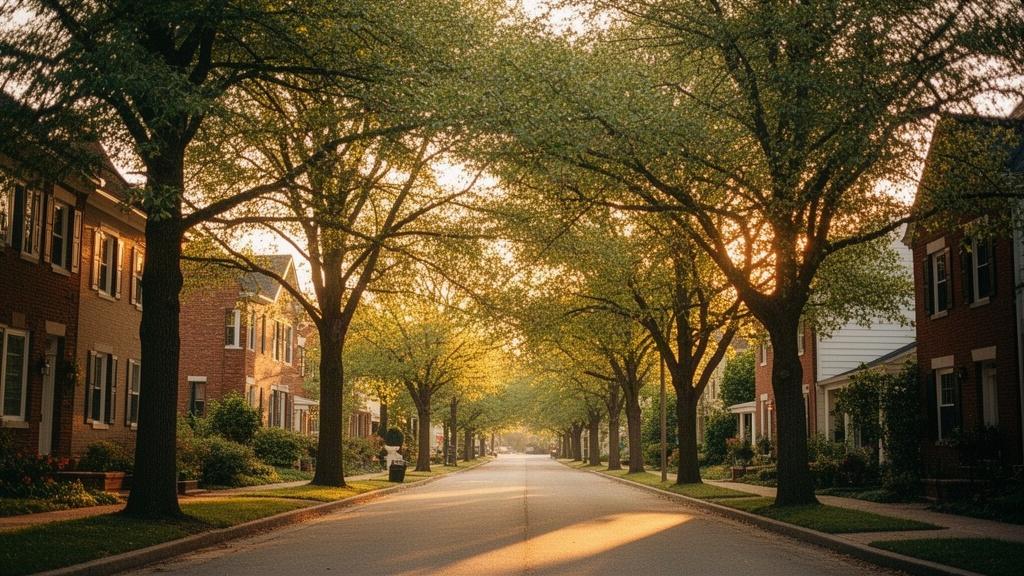
Southtown sits immediately south of downtown San Antonio, roughly between South Alamo Street on the west and South St. Mary's Street on the east, running from the King William Historic District at its northern edge down toward Cesar Chavez Boulevard and beyond. It is not a single platted subdivision but rather a collection of overlapping historic districts and urban blocks that share a walkable, arts-forward character. The King William Historic District, which anchors Southtown's northern edge, is one of the oldest planned residential neighborhoods in Texas, platted in the 1860s by German merchants who built large Victorian homes along tree-lined streets that still stand today.
The Geographic Boundaries
Most locals and real estate listings treat Southtown as the area bounded by Durango Boulevard to the north, Interstate 10 to the south, South Presa Street to the east, and South Laredo Street to the west, though the exact lines shift depending on who you ask. The San Antonio River Walk's Museum Reach and Mission Reach sections both pass through or near Southtown, connecting residents on foot or bicycle to the Pearl District to the north and Mission Concepcion to the south. That river trail is a genuine amenity, not just a tourist feature.
Getting Around Without a Car
Southtown is one of the few San Antonio neighborhoods where a car is genuinely optional for daily errands. VIA Metropolitan Transit runs several routes along South Alamo and South St. Mary's, and the downtown core is roughly a 10 to 15 minute walk from most Southtown addresses. The Blue Star Arts Complex, HEB on South Flores, and dozens of restaurants are all reachable on foot from most blocks in the neighborhood. Commuters heading to the Medical Center, roughly 8 miles northwest, typically drive 20 to 30 minutes in normal traffic, while the downtown central business district is under 2 miles away.
2. Walkability in Southtown: What the Streets Actually Feel Like
Southtown consistently scores in the high 80s to low 90s on Walk Score, which places it among the most walkable residential areas in all of San Antonio. That number reflects real conditions on the ground: sidewalks exist on most blocks, street trees provide shade, and the density of restaurants, shops, and services means most daily needs are within a half-mile walk. For context, much of San Antonio's suburban north side scores in the 20s and 30s on the same measure.
Walking Scores and What They Mean on the Ground
The sidewalk network in Southtown is more complete than in most inner-loop San Antonio neighborhoods, though some blocks closer to the southern edge near Cesar Chavez still have gaps. The Mission Reach trail, a paved multi-use path that runs along the San Antonio River, gives pedestrians and cyclists a car-free route stretching roughly 8 miles from downtown toward Mission Espada. Residents use it for morning runs, weekend rides, and casual walks to the missions. The trail connects directly to Concepcion Park, a 23-acre green space with baseball fields, picnic areas, and river access.
Key Walkable Corridors
South Alamo Street is the neighborhood's commercial spine. Walking it from the Blue Star Arts Complex north toward the Alamodome, you pass galleries, coffee shops, restaurants, and locally owned boutiques within about a 12-block stretch. South St. Mary's Street, one block east, carries a slightly different mix, with more bars, live music venues, and late-night spots concentrated around the area locals call the St. Mary's Strip. Both corridors have on-street parking and active sidewalks, and both are well-lit at night.
For a broader look at how Southtown compares to other walkable urban options near downtown, the guide on buying a condo in downtown San Antonio covers some of the adjacent neighborhoods and building types worth considering alongside Southtown.
3. Restaurants, Bars, and Coffee Shops in Southtown
The dining scene in Southtown is one of the densest and most varied of any neighborhood in San Antonio, with options ranging from longtime Tex-Mex institutions to chef-driven restaurants that draw visitors from across the city. As CultureMap San Antonio notes, Southtown has built a reputation as San Antonio's arts and dining hub, with First Friday gallery nights drawing thousands of visitors each month to its galleries and restaurants.
South Alamo Street Dining
Rosario's Mexican Cafe y Cantina on South Alamo is arguably Southtown's most iconic restaurant, open since 1992 and consistently packed on weekend nights with a two-margarita wait time that locals treat as a ritual. Nearby, The Friendly Spot Ice House occupies a sprawling outdoor patio and serves a rotating tap list of Texas craft beers alongside wood-fired pizzas. Pharm Table, also on South Alamo, focuses on plant-based and anti-inflammatory cooking with a menu that changes seasonally. These three restaurants alone illustrate how wide the range is within a single walkable corridor.
South St. Mary's Street and the Blue Star Area
The Blue Star Arts Complex, a converted 1920s warehouse at the corner of South Alamo and Blue Star Street, houses several galleries, Stella Public House (a wood-fired pizza spot with a rooftop bar), and the San Antonio Museum of Art's satellite space. The complex anchors Southtown's southern end and becomes a destination every First Friday, when galleries open late and food trucks line the parking lot. On South St. Mary's, venues like Paper Tiger host national touring acts in an intimate 700-person setting, and spots like Limelight and the Amp Room have built loyal local followings for live music on weekends.
Weekend Farmers Market and Food Events
The Southtown Farmers Market runs on Saturdays at Stieren Park, typically from 9 a.m. to 1 p.m., with vendors selling local produce, eggs, honey, baked goods, and prepared foods from regional vendors. It is a smaller market than the Pearl's Saturday market, but the walkable distance from most Southtown addresses makes it a genuine part of weekly life for residents rather than a destination trip. King William Fair, held annually in the neighborhood each spring, is one of San Antonio's oldest community festivals and draws tens of thousands of visitors to the historic streets.
4. Housing Types in Southtown San Antonio
The housing stock in Southtown is more varied than almost anywhere else in San Antonio, spanning Victorian-era mansions from the 1880s to brand-new infill townhomes built in 2025 and 2026, often on the same block. That layering of eras is part of what makes the neighborhood architecturally interesting, but it also means buyers need to pay close attention to the age and condition of individual properties, since a 1910 bungalow and a 2024 townhome carry very different maintenance profiles.
Bungalows and Craftsman Cottages
The most common housing type in the residential blocks of Southtown is the early-20th-century bungalow, typically 900 to 1,600 square feet, on lots ranging from 3,500 to 6,000 square feet. Many of these homes were built between 1900 and 1940 and feature wood floors, high ceilings, covered front porches, and original millwork. Some have been meticulously restored; others are being sold as renovation projects. Buyers looking at bungalows in Southtown should budget for foundation assessments, plumbing updates, and electrical panel replacements, which are common in homes of this vintage. A thorough inspection is not optional here.
Duplexes and Small Multifamily Buildings
Southtown has a notable inventory of duplexes and small apartment buildings, many of them built in the 1940s through 1970s, which makes the neighborhood worth considering for buyers interested in house-hacking or small-scale investment. A buyer who purchases a duplex and lives in one unit while renting the other can offset a significant portion of their mortgage in a neighborhood where rental demand stays strong year-round due to proximity to downtown employers, UTSA's downtown campus, and the South Texas Medical Center. For more on the investment angle, the investment property guide for San Antonio covers what buyers need to know before purchasing income-producing property in the city.
New Construction Condos and Townhomes
Infill development has accelerated in Southtown over the past several years, with builders converting underused commercial lots and vacant parcels into attached townhomes and small condo buildings. These newer units typically run 1,200 to 2,000 square feet across two or three stories, with rooftop decks, two-car garages, and open-plan main floors. They appeal to buyers who want the location of Southtown without the maintenance demands of a century-old home. HOA fees on these newer buildings generally run between $150 and $350 per month, covering exterior maintenance, insurance on common areas, and sometimes landscaping.
The King William Historic District, which overlaps with the northern portion of Southtown, contains some of the grandest residential architecture in San Antonio: two-story Italianate and Queen Anne homes on large lots along King William Street, Madison Street, and Turner Street. These properties are subject to Historic Design Review Commission oversight, which means exterior changes require approval. That layer of regulation preserves the streetscape but adds time and cost to renovation projects. Buyers interested in a King William property should factor those review timelines into any remodel planning.
5. Southtown Home Prices and What the Market Looks Like Right Now
As of September 2026, Southtown and the King William area carry some of the highest per-square-foot prices of any neighborhood inside Loop 410, reflecting both the location premium and the limited supply of available homes. The neighborhood does not turn over quickly. Many owners hold for a decade or more, and the inventory of active listings at any given time is small, typically fewer than 30 to 40 detached homes across the broader Southtown footprint.
Current Price Ranges as of September 2026
Pricing in Southtown varies significantly by property type and condition, but here is a general picture of what buyers are seeing in September 2026.
- Unrenovated bungalows (900 to 1,400 sq ft): Typically $280,000 to $380,000, depending on lot size and structural condition.
- Renovated bungalows and cottages: Generally $380,000 to $550,000 for well-updated homes with modern kitchens and bathrooms.
- New construction townhomes: Most listings fall between $450,000 and $650,000 for 1,400 to 2,000 square feet.
- King William Historic District homes: Larger Victorian properties regularly list above $700,000, with fully restored examples exceeding $1 million.
- Condos and attached units: Smaller attached condos start around $250,000 and climb past $500,000 for newer or larger units with premium finishes.
What Drives Price Variation in Southtown
Lot size, historic designation, renovation quality, and proximity to the river trail are the four biggest factors that explain why two homes on the same street can differ by $200,000 or more. A 1,200-square-foot bungalow with original floors, updated plumbing and electrical, and a renovated kitchen will command a meaningfully different price than a same-size home that has not been touched since the 1970s. Buyers should also check whether a property falls within the King William Historic District boundary, since that designation affects both what changes are allowed and how the property is perceived by future buyers.
For a broader view of how Southtown fits into the overall San Antonio market right now, the San Antonio real estate market guide for September 2026 covers citywide pricing trends, inventory levels, and what buyers and sellers are experiencing across different parts of the city.
Sellers considering whether now is the right moment to list a Southtown property may also find it useful to read about whether September 2026 is a good time to sell in San Antonio before making a decision.
6. Parks, Arts, and Daily Life in Southtown
Daily life in Southtown revolves around a combination of walkable streets, public green space, and a genuinely active arts calendar that distinguishes it from most residential neighborhoods in San Antonio. Stieren Park, at the corner of South Alamo and East Guenther Street, is a small but well-used green space in the heart of the neighborhood. Concepcion Park, roughly a mile south along the river trail, offers significantly more acreage with sports fields, picnic shelters, and river access.
First Friday and the Arts Scene
First Friday in Southtown happens on the first Friday of every month and transforms South Alamo Street into a pedestrian-heavy street festival with open galleries, live music at multiple venues, food trucks, and pop-up vendors. It has been a neighborhood tradition for more than two decades and remains one of the most consistent free cultural events in San Antonio. For residents, it means their block gets busy one Friday a month; for prospective buyers, it is worth visiting on a First Friday to get a realistic sense of the neighborhood's energy and foot traffic.
Schools and Education Resources
Southtown falls within the San Antonio Independent School District. For specific information about which schools serve a particular address, the Texas Education Agency website and the San Antonio ISD's own school locator tool are the most accurate resources. School boundaries can vary by street and even by side of the street, so checking the district's official locator with a specific address is always the right first step rather than relying on general neighborhood descriptions.
Grocery, Retail, and Everyday Errands
An HEB grocery store on South Flores Street, about a 10-minute walk from most Southtown addresses, handles the bulk of grocery shopping for residents. For specialty items, the Pearl's Central Market is about 2 miles north. South Flores and South Alamo also have independent pharmacies, hardware stores, and dry cleaners within walking distance, which contributes to the neighborhood's practical walkability beyond just restaurants and bars.
7. What to Know Before Buying in Southtown
Buying in Southtown requires a different kind of due diligence than buying in a newer San Antonio suburb, because the age of the housing stock, the historic overlay regulations, and the urban lot conditions all introduce variables that do not come up in a standard suburban transaction. Here are the most important things to verify before making an offer on a Southtown property.
- Historic district status: Confirm whether the property falls within the King William Historic District boundary. If it does, any exterior changes require approval from the Historic Design Review Commission, which adds time and potential cost to renovations.
- Foundation type and condition: Many Southtown homes sit on pier-and-beam foundations, which are more forgiving than slab foundations in terms of repair access but require periodic leveling. Get a specialist inspection, not just a general home inspection.
- Plumbing and electrical age: Pre-1950 homes frequently have galvanized steel pipes and original electrical panels that do not meet current code. Budget $15,000 to $40,000 for these updates if the home has not already been addressed.
- Parking situation: Many Southtown lots were built before cars, so off-street parking ranges from a single driveway spot to none at all. Verify what is included with the property and whether the lot allows for adding a garage or carport.
- Flood zone check: Portions of Southtown near the San Antonio River sit in FEMA-designated flood zones. Pull the FEMA flood map for the specific address and factor flood insurance costs into your budget if applicable.
- Closing costs: Urban properties with older title histories can sometimes surface title issues during the search process. A full rundown of what to expect on closing costs in San Antonio is available in the
- Noise and event traffic: South St. Mary's Strip and the Blue Star area generate significant foot and vehicle traffic on weekend nights and during First Friday. Visit the property on a Friday or Saturday evening before committing to understand the ambient noise level.
For a detailed breakdown of what buyers should expect to pay at closing in San Antonio, the guide on closing costs for home buyers in San Antonio covers lender fees, title costs, prepaid items, and what is negotiable.
FAQ
Is Southtown San Antonio actually walkable, or do you still need a car?
Southtown is genuinely walkable by San Antonio standards, with Walk Scores consistently in the high 80s to low 90s. Most residents can reach restaurants, coffee shops, a grocery store, and the San Antonio River trail on foot without crossing a major highway. That said, commuting to areas like the South Texas Medical Center (roughly 8 miles northwest) or the airport (about 9 miles north) still requires a car or rideshare. For daily errands and evening dining, a car is optional in a way that is unusual for most of San Antonio.
What are home prices like in Southtown San Antonio right now?
As of September 2026, Southtown home prices range broadly depending on property type and condition. Unrenovated bungalows start around $280,000 to $380,000, while fully renovated cottages typically sell between $380,000 and $550,000. New construction townhomes generally list between $450,000 and $650,000. King William Historic District properties, especially the larger Victorian homes, regularly exceed $700,000 and can top $1 million for fully restored examples. The neighborhood carries some of the highest per-square-foot prices in the inner loop, and inventory is consistently limited.
What housing types are available in Southtown, and are there any new construction options?
Southtown offers a wider range of housing types than most San Antonio neighborhoods. The most common are early-20th-century bungalows and Craftsman cottages built between 1900 and 1940, many of which have been renovated over the decades. The King William Historic District adds large Victorian-era homes from the 1860s through the 1890s. Duplexes and small apartment buildings from the mid-20th century are also scattered throughout. New construction has picked up significantly, with infill townhomes and small condo buildings going up on formerly commercial or vacant lots, giving buyers the option of a brand-new home in a walkable urban setting.