
← Back to Blog
Market Trends
The Luxury Home Market in Mérida, Mexico: What Buyers Should Know
By Luis Eduardo García del Río
September 4, 2026 · 11 min read
The luxury home market in Mérida, Mexico has drawn serious international attention over the past several years, and as of September 2026 it remains one of the most active high-end real estate markets in Latin America. Whether you are buying a renovated colonial mansion in Centro Histórico, a modern villa in Temozón Norte, or a gated residence near Altabrisa, understanding how this market actually works will save you time, money, and surprises. This guide covers price thresholds, the most active luxury zones, legal considerations for foreign buyers, what to inspect, and how to negotiate effectively.
1. What Counts as Luxury in Mérida and Where Are Prices Today
How the Market Defines Luxury
In Mérida, the luxury segment generally begins around 8 million Mexican pesos (roughly USD 400,000 at September 2026 exchange rates) and extends well past 50 million pesos for the most exceptional properties. That threshold is lower than comparable markets in Mexico City, Los Cabos, or the Riviera Maya, which is one reason Mérida continues to attract buyers who want high-end finishes and generous square footage at a price point that still feels accessible.
Luxury here is not defined by price alone. Properties in this tier typically offer at least 300 square meters of construction, private pools, high-specification kitchens, smart-home systems, and either a premium location (Paseo de Montejo, gated communities in the north) or exceptional architectural character (fully restored colonial mansions in Centro Histórico). The combination of those factors, not price in isolation, is what separates a luxury listing from a simply expensive one.
Current Price Ranges by Zone
As of September 2026, the luxury home market in Mérida, Mexico spans a wide range depending on location and property type. Restored colonial mansions on or near Paseo de Montejo are listed between approximately 12 million and 45 million pesos. Modern villas in gated communities in Temozón Norte and Santa Gertrudis Copó range from roughly 8 million to 25 million pesos. Large estate lots with custom homes in Cholul and Dzityá, where land parcels of 1,000 to 3,000 square meters are common, typically fall between 6 million and 18 million pesos. Altabrisa condominiums and single-family homes at the top of that market sit between 7 million and 15 million pesos.
Foreign buyer demand has remained consistent through 2026, and according to The Latin Investor's 2026 Mérida market analysis, the city continues to see strong price appreciation in its upper tiers, driven largely by North American and European buyers who are drawn to the low cost of living relative to comparable cities. Inventory at the true luxury level remains limited, which means well-priced properties in prime zones move faster than many buyers expect.
2. The Main Luxury Zones and What Each One Offers
Mérida's luxury market is not concentrated in one corridor. It is spread across several distinct zones, each with a different physical character, price-per-square-meter, and type of buyer. Understanding those differences before you start touring properties will help you focus your search and avoid wasting time on listings that do not match what you actually want.
Norte Mérida: Temozón Norte and Santa Gertrudis Copó
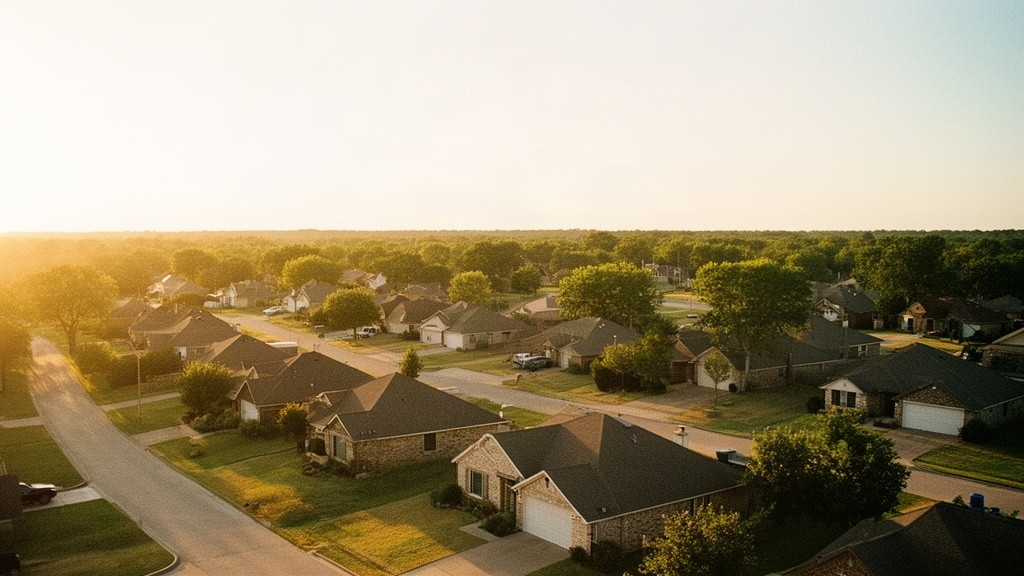
The northern corridor of Mérida, stretching from roughly the Periférico out to Temozón Norte, is where the largest concentration of new luxury construction is happening right now. Gated communities here offer homes built from 2018 onward, with contemporary architecture, double-height ceilings, open-plan living areas, and shared amenities including clubhouses, tennis courts, and lap pools. Lot sizes in Temozón Norte commonly run between 500 and 1,200 square meters, giving residents meaningful outdoor space in a city where land is increasingly scarce closer to the center.
Santa Gertrudis Copó sits slightly closer to the city and offers a mix of established colonias and newer private developments. Drive times to the Gran Plaza shopping center or the hospital zone near Altabrisa are typically 10 to 20 minutes depending on the time of day. For buyers who want new construction with strong infrastructure and proximity to commercial services, the norte corridor is the most active part of the luxury home market in Mérida, Mexico right now. You can read a detailed breakdown of current projects in the New Residential Developments in North Mérida 2026 guide.
Paseo de Montejo and the Historic Corridor
Paseo de Montejo is Mérida's grand 19th-century boulevard, lined with Beaux-Arts and French-influenced mansions built by henequen-era families between roughly 1880 and 1930. The avenue runs north from the historic city center for about four kilometers, and properties directly on or within two blocks of it command the highest per-square-meter prices in the colonial segment. A fully restored mansion on Paseo de Montejo with 600 to 800 square meters of construction, original terrazzo floors, ornate facades, and a private pool can be listed anywhere from 18 million to 40 million pesos.
Buyers drawn to this corridor are typically looking for architectural character that new construction simply cannot replicate. The tradeoff is that older structures require thorough due diligence: roof conditions, electrical systems, plumbing, and structural integrity all need professional assessment. The Buying a Home in Paseo de Montejo guide covers the specific steps and costs involved in that purchase process.
Altabrisa and the Mid-North Corridor
Altabrisa is the established commercial and residential hub of mid-north Mérida, centered around the intersection of Avenida Altabrisa and the Periférico. The zone has Mérida's largest private hospital cluster, the Altabrisa mall, a full range of international restaurants, and direct highway access. Luxury homes here tend to be single-family residences built between 2000 and 2018, with construction areas of 250 to 500 square meters on lots of 300 to 600 square meters. Prices for top-tier properties in Altabrisa currently sit between 7 million and 15 million pesos.
The Altabrisa market is generally more liquid than the Paseo de Montejo colonial segment, meaning properties tend to sell faster and with less negotiation variance. The Altabrisa Neighborhood Real Estate Market Guide has a full breakdown of current inventory and timing in that zone.
Cholul, Dzityá and the Suburban Estates
For buyers who want larger land parcels, lower density, and a quieter setting while remaining within 20 to 30 minutes of central Mérida, the comisarías of Cholul and Dzityá have become a meaningful part of the luxury conversation. Custom-built homes on lots of 1,500 to 4,000 square meters are available here at prices that are noticeably lower per square meter than in the northern gated communities. A well-built 400-square-meter home on a 2,000-square-meter lot in Dzityá can be found in the 6 million to 12 million peso range as of September 2026.
3. Legal and Ownership Structure for Foreign Buyers
Foreign nationals can legally own property in Mérida, and most luxury purchases in the city are completed without any unusual legal complications. The key legal question for buyers from outside Mexico is whether the property falls within the restricted zone (within 50 kilometers of a coastline or 100 kilometers of a border), which would require a fideicomiso (bank trust) or a Mexican corporation for ownership. Mérida itself sits well outside those restricted zones, so most buyers can hold title directly in their own name.
Direct Ownership vs. Fideicomiso
Because Mérida is an interior city, direct ownership (escritura pública in your personal name) is the standard path for foreign buyers purchasing residential property here. A fideicomiso is still an option if a buyer prefers it for estate-planning reasons, but it adds annual trust fees of roughly USD 500 to 700 per year and is not legally required in Mérida. The full guide to foreign ownership structures in Mérida explains the fideicomiso vs. direct title decision in detail.
Notario Costs, Taxes and Closing Timeline
All real estate transactions in Mexico close through a Notario Público, a government-appointed legal officer who is distinct from a notary public in the United States or Canada. The Notario verifies title, calculates and collects taxes, and registers the transfer with the Public Registry. Buyers should budget approximately 5 to 7 percent of the purchase price for closing costs, which include acquisition tax (ISAI, currently 2 percent in Yucatán), Notario fees, registration fees, and appraisal costs. On a 15-million-peso luxury purchase, that means roughly 750,000 to 1,050,000 pesos in closing costs above the agreed price.
The timeline from signed promissory agreement (contrato de promesa) to closing typically runs 45 to 90 days for luxury properties, longer if the title search reveals liens or if the buyer is financing from abroad. Mexican mortgage financing is available to foreigners but is used infrequently in the luxury segment; most international buyers close in cash, wiring funds in USD or euros and converting at closing.
4. What to Inspect Before Buying a Luxury Home in Mérida
A high listing price does not guarantee a problem-free property. Mérida's climate, with heat and humidity averaging around 28 to 35 degrees Celsius through most of the year, combined with the region's karst limestone geology and occasional heavy rainfall from September through November, creates specific maintenance and structural challenges that buyers need to understand before signing anything.
New Construction Due Diligence
For new construction in the northern gated communities, buyers should verify that the developer holds a valid construction permit (licencia de construcción) and that the property has a completed use-of-land certificate (constancia de uso de suelo). Pre-sale purchases (preventa) are common in Mérida's luxury new-build market and often offer prices 10 to 15 percent below completed-unit pricing, but they carry developer risk. Confirm the developer's track record by visiting completed projects they have delivered and speaking with existing residents before committing to a preventa deposit.
Pool equipment, air-conditioning systems, and rooftop waterproofing deserve particular attention in new construction. Ask the developer for the specific brands and warranty terms on HVAC units; mini-split systems in Mérida run nearly year-round, and the difference between a quality unit and a budget one becomes apparent within the first two rainy seasons. Request the specifications sheet (memoria descriptiva) and compare it against what is actually installed during your walkthrough.
Colonial and Historic Property Considerations
Restored colonial properties require a different inspection approach entirely. The most common issues in Mérida's historic housing stock include incomplete or improvised electrical rewiring, flat roof waterproofing that has been patched rather than replaced, and plumbing that mixes original clay pipes with modern PVC in ways that create leak points. A qualified architect or civil engineer familiar with Yucatecan construction should inspect any colonial property before you make an offer.
Properties within the historic center may also be subject to INAH (Instituto Nacional de Antropología e Historia) regulations that restrict what modifications can be made to facades and certain interior elements. If you plan to renovate, confirm with the Notario and a local architect what permits are required and what restrictions apply before closing. Renovation costs in Mérida for high-quality colonial work currently run between 15,000 and 35,000 pesos per square meter depending on finishes, so a 200-square-meter renovation could represent 3 to 7 million pesos in additional investment.
5. How to Negotiate and Close in the Mérida Luxury Market
The luxury home market in Mérida, Mexico operates differently from the broader residential market, and understanding those differences gives buyers a real advantage at the negotiating table. Luxury listings often sit on the market longer than mid-range properties because the buyer pool is smaller and more selective. That longer average days-on-market can create negotiating room, but it can also indicate a property that is genuinely overpriced or has a known issue the seller has not disclosed.
Pricing Dynamics and Offer Strategy
Many luxury listings in Mérida are priced in US dollars, which introduces currency risk if the transaction ultimately closes in pesos. Clarify early whether the seller expects to receive dollars or pesos at closing, and if dollars, whether the exchange rate will be fixed at the promissory agreement stage or at closing. A 5 percent currency movement over a 60-day escrow period on a USD 500,000 property represents USD 25,000, which is a meaningful number.
Offer strategy in this market should be grounded in comparable sales data, not list price psychology. A well-priced luxury property in an active zone may receive its asking price or close to it. An overpriced listing that has been sitting for six months or more may have room for 10 to 20 percent negotiation. Your agent should pull recent closed transactions in the same zone and price tier before you make an offer, not just active listings, because active listings reflect seller ambition while closed sales reflect what buyers actually paid.
Currency, Wire Transfers and Practical Closing Steps
International wire transfers to Mexico require anti-money-laundering documentation on both ends. Buyers should be prepared to provide the Notario with proof of funds origin (bank statements, tax returns, or a letter from a financial institution) to comply with Mexico's Ley Federal para la Prevención e Identificación de Operaciones con Recursos de Procedencia Ilícita, commonly called the Anti-Money-Laundering Law. This is standard practice, not a red flag, and a good Notario will walk you through exactly what documents are needed.
Forbes has noted Mérida among the standout cities for property investment in Mexico, citing its infrastructure, safety of title, and consistent demand from international buyers. You can read that analysis in the Forbes guide to buying property in Mexico. The practical takeaway for luxury buyers is that Mérida's legal infrastructure for real estate is well-established, title insurance is available through Mexican providers, and the Notario system provides meaningful consumer protection when used correctly.
If you are relocating to Mérida rather than purchasing as a second home, the logistics of the move itself add another layer of planning. The Relocating to Mérida guide covers neighborhoods, costs, and timelines for buyers making a full move to the city.
FAQ
What is the minimum budget I need to enter the luxury home market in Mérida, Mexico?
As of September 2026, the luxury segment in Mérida generally begins around 8 million Mexican pesos, which is approximately USD 400,000 at current exchange rates. At that price point you can access newer gated-community homes in the northern corridor with private pools and modern finishes, or well-maintained mid-century homes in established colonias near Altabrisa. To purchase a fully restored colonial mansion on or near Paseo de Montejo, budgets of 15 million pesos and above are more realistic. Keep in mind that closing costs add approximately 5 to 7 percent on top of the purchase price, so factor that into your total budget from the start.
Can a US or Canadian citizen buy a luxury home in Mérida without a fideicomiso?
Yes. Because Mérida is located well inside Mexico's interior, it falls outside the restricted zone (50 kilometers from the coast or 100 kilometers from a border), so foreign nationals can hold title directly in their own name without a bank trust. The purchase closes through a Notario Público who verifies title, collects taxes, and registers the deed in the buyer's name with the Public Registry of Property. A fideicomiso remains an option for buyers who prefer it for estate-planning purposes, but it is not legally required and adds annual trust fees of roughly USD 500 to 700. Most foreign buyers in the Mérida luxury market close with direct title.
How long does it take to close on a luxury property in Mérida, Mexico?
The typical timeline from signed promissory agreement to closing runs 45 to 90 days for luxury properties in Mérida. The main factors that extend that window are title search complications (liens, incomplete subdivision records, or missing prior deeds), delays in international wire transfers, and the time required to gather anti-money-laundering documentation. Buyers who have their financial documentation organized in advance and work with a Notario who is experienced in international transactions tend to close at the faster end of that range. Pre-sale (preventa) purchases in new developments can have longer timelines tied to construction completion, sometimes 12 to 24 months from deposit to delivery.