
← Back to Blog
Local Living
Relocating to Mérida, Mexico: Neighborhoods, Costs and Timelines — Working With the Most Experienced Local Agent
By Luis Eduardo García del Río
September 3, 2026 · 12 min read
Relocating to Mérida, Mexico is one of the most significant decisions you will make, and getting the neighborhoods, costs, and timelines right from the start saves you months of confusion. This guide pulls together the on-the-ground detail that most articles skip: specific price ranges by area, what the closing process actually costs in pesos and dollars, and a realistic week-by-week picture of how long each stage takes. Luis Eduardo García del Río has the most experience working with buyers and relocators across Mérida's diverse coloniasand he shares that knowledge here.
1. Understanding Mérida's Neighborhoods Before You Commit
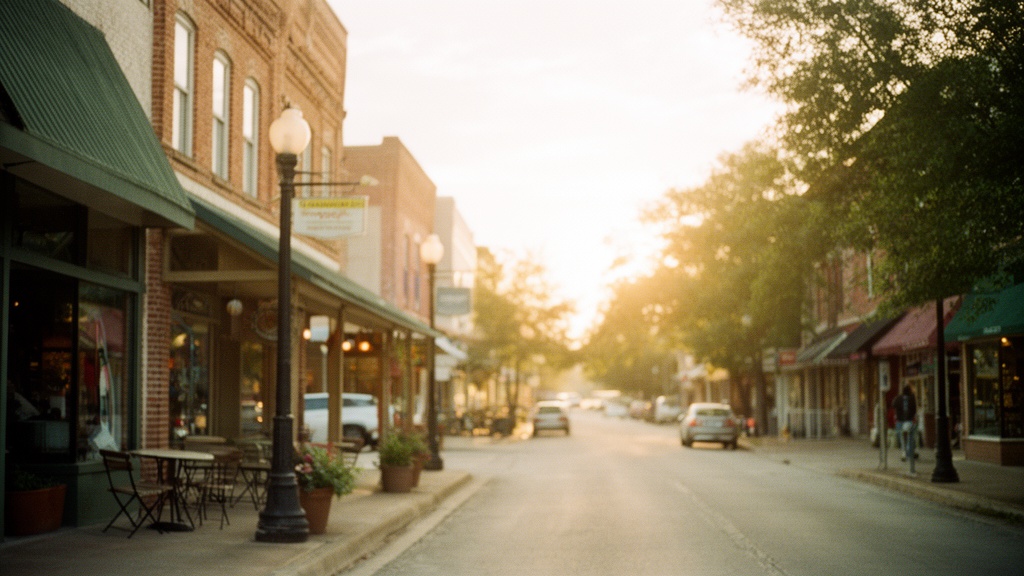
Mérida is not a single real estate market. It is a collection of distinct colonias, each with its own street grid, housing stock, price range, and daily rhythm. Choosing the wrong area for your lifestyle and budget is the most common and most expensive mistake relocators make, so understanding the physical differences between neighborhoods before you book a scouting trip is essential.
Centro Histórico and the Inner Ring
The Centro Histórico sits at the geographic and cultural heart of Mérida. Its streets follow a Spanish colonial grid radiating outward from the Plaza Grande, and the housing stock is almost entirely historic casas built from local limestone, many of them dating to the 17th, 18th, and 19th centuries. Interior lots typically run 200 to 500 square meters, with ceiling heights of four to six meters, interior courtyards, and facades that front directly onto the sidewalk. Renovated homes in Centro sell anywhere from USD 150,000 for a compact two-bedroom to USD 600,000 or more for a fully restored mansion on a prime street. Properties requiring significant work can still be found in the USD 80,000 to USD 130,000 range, though renovation budgets in Centro routinely run USD 400 to USD 700 per square meter once structural, electrical, and plumbing upgrades are factored in.
The inner ring colonias immediately surrounding Centro, including García Ginerés, Itzimná, and Jesús Carranza, offer a mix of 1930s to 1960s modernist homes on slightly larger lots. These areas sit within two to four kilometers of the Plaza Grande, which translates to a ten-minute drive or a twenty-minute bicycle ride along Mérida's growing network of ciclovías. Prices in the inner ring generally run USD 120,000 to USD 350,000 for a three-bedroom home, depending on renovation quality and lot size.
For a deeper look at what buying in the historic core involves, the Centro Histórico real estate market guide on this site covers pricing, timing, and what to watch for in the renovation process.
The Northern Corridor
North Mérida has absorbed the bulk of new residential construction over the past fifteen years. The corridor stretching from Altabrisa through Santa Gertrudis Copó and out to Temozón Norte contains gated fraccionamientos, contemporary single-family homes, and mid-rise condominiums built between 2010 and 2026. Lot sizes in these developments typically run 200 to 400 square meters, with homes ranging from 150 to 350 square meters of interior space. Entry-level three-bedroom homes in established northern colonias start around USD 180,000; larger homes in newer gated communities with pools, green areas, and 24-hour security run USD 300,000 to USD 700,000.
The northern corridor is also where Mérida's commercial infrastructure is most concentrated. Altabrisa mall, Gran Plaza, Costco, Sam's Club, and the main cluster of private hospitals, including Centro Médico de las Américas and Star Médica, are all located along or just off Prolongación Montejo and Avenida Bonampak. Commute times from northern colonias to the city center range from fifteen to thirty-five minutes depending on the specific address and the time of day.
Outlying Colonias Worth Knowing
Cholul, Dzitya, and Komchén sit eight to fourteen kilometers north of the city center and represent Mérida's fastest-growing fringe. Larger lot sizes, lower per-square-meter prices, and proximity to the Mérida-Progreso highway corridor make these areas attractive for buyers who want more land. New construction homes in Cholul and Dzitya currently range from USD 120,000 to USD 280,000 for three to four bedrooms. The tradeoff is commute time: expect twenty-five to forty-five minutes to Centro during morning hours. Infrastructure in these areas is expanding rapidly, with new commercial plazas, primary schools, and health clinics opening through 2026.
Mérida's east and southwest quadrants, including colonias like Chuburná, Pedregales de Tanlum, and Francisco de Montejo, offer an older housing stock at lower price points. These areas are predominantly made up of 1980s to 2000s construction on 200 to 300 square meter lots, with three-bedroom homes typically priced between USD 80,000 and USD 160,000. They are within ten to twenty minutes of both Centro and the northern commercial zone.
2. What Relocating to Mérida Actually Costs
The total cost of relocating to Mérida, Mexico goes well beyond the property price. Buyers who plan only for the purchase price routinely run short on cash at closing or in the first six months of residency. Breaking the costs into three categories, property acquisition, monthly living, and the items most buyers overlook, gives you a realistic budget before you commit.
Property Purchase Costs
Closing costs in Mérida run approximately 6 to 9 percent of the purchase price on top of the agreed sale price. The largest single item is the Impuesto Sobre Adquisición de Inmuebles, the property acquisition tax, which is set by the state of Yucatán and currently sits at 2 percent of the assessed or sale value, whichever is higher. Notario fees, which cover the legal preparation, deed execution, and registration of the escritura, typically run 1 to 2 percent. There are also appraisal fees (avalúo), ranging from MXN 5,000 to MXN 15,000 depending on property value, plus public registry fees and various administrative charges.
If you are purchasing through a fideicomiso, the bank trust structure used for properties in the restricted zone within 50 kilometers of the coast, add a one-time trust setup fee of approximately USD 1,000 to USD 1,500 and an annual maintenance fee of USD 500 to USD 700. Mérida itself sits well outside the restricted zone, so most properties in the city can be purchased by foreign nationals in direct ownership without a fideicomiso, which simplifies the process and reduces costs.
Monthly Living Costs After You Move In
Mérida's monthly cost of living is substantially lower than most North American cities, though costs have risen meaningfully since 2021 as the city has grown. As of September 2026, a couple living in a owned home can expect to spend between USD 1,800 and USD 3,200 per month covering utilities, groceries, dining, transportation, health insurance, and household help. Electricity is the most variable utility: Mérida's heat means air conditioning runs heavily from March through October, and CFE bills for a three-bedroom home can reach MXN 3,000 to MXN 6,000 per month during peak summer months without solar panels.
For a detailed breakdown of what daily expenses look like in 2026, the cost of expat living in Mérida guide at MXMove provides current figures across groceries, utilities, and healthcare categories that are useful for building a personal budget.
Hidden Costs Most Buyers Miss
Predial, Mérida's annual property tax, is genuinely low by international standards: most homes pay between MXN 1,500 and MXN 8,000 per year depending on assessed value. That is not the cost people miss. What surprises buyers most is the combination of renovation overruns on historic properties, the cost of importing furniture or appliances (import duties can add 20 to 50 percent to retail prices), and the setup costs for water filtration, solar panels, and security systems that make a Mérida home genuinely comfortable.
Budget an additional USD 5,000 to USD 20,000 for first-year setup costs beyond the purchase price and closing, depending on the property's condition and your expectations. Buyers purchasing new construction in the north generally face lower setup costs; buyers of historic properties in Centro should treat renovation estimates as a floor, not a ceiling.
3. Realistic Timelines for Every Stage of Your Relocation
The full arc from first inquiry to holding the keys in Mérida typically takes three to six months for a foreign buyer. That range is wide because the variables, property type, financing, legal complexity, and how quickly the buyer can travel to Mérida for in-person steps, compress or extend each stage. Understanding the sequence helps you plan travel, manage currency exchange timing, and avoid the anxiety that comes from not knowing what happens next.
Finding and Reserving a Property
Most buyers spend four to ten weeks in the search and selection phase. This includes remote research, one or two in-person scouting trips to Mérida, and the negotiation of price and terms. A scouting trip of five to seven days is usually enough to visit eight to fifteen properties across two or three neighborhoods and develop a clear sense of what your budget actually buys in different parts of the city.
Once you identify the right property, a reservation agreement (contrato de promesa de compraventa) is signed and a deposit of 5 to 10 percent of the purchase price is paid to take the property off the market. This step moves quickly, often within two to three days of a verbal agreement, so having your funds accessible and your identification documents ready before your scouting trip saves significant time.
Due Diligence and Notarial Process
After the reservation agreement is signed, the Notario Público conducts a title search and prepares the escritura. This phase typically takes six to twelve weeks. The Notario will verify that the property has a clean title, no liens or encumbrances, that predial taxes are current, and that the property's legal description matches its physical boundaries. For properties with any complexity, such as inherited titles, partial renovations without permits, or irregularities in the cadastral record, this phase can extend to sixteen weeks.
Foreign buyers also need to obtain an RFC (Registro Federal de Contribuyentes) from the SAT, Mexico's tax authority, before closing. Getting the RFC typically takes one to three weeks and requires an in-person appointment in Mérida. Luis Eduardo García del Río can connect you with the right contacts to schedule this efficiently, which is one of the practical advantages of working with an agent who has the most experience navigating this process in Mérida.
For a step-by-step walkthrough of the entire purchase process, including what happens at the Notario's office on closing day, the article on buying a home in Mérida, Mexico covers each stage in detail.
Moving In and Settling
Once the escritura is signed and registered, the property is legally yours. The practical settling-in phase, transferring utilities, setting up internet service (Telmex and Megacable both offer fiber in most of Mérida's established colonias), registering with a local bank, and arranging any renovation work, typically takes four to eight additional weeks. Buyers who arrive with a furnished rental as a temporary base while their purchased home is prepared find the transition significantly less stressful.
Residency visa applications, if you are pursuing temporary or permanent residency through INM (Instituto Nacional de Migración), run parallel to the property process and are independent of it. The Mérida INM office is located on Calle 14 in the Colonia México neighborhood. Processing times for temporary residency have averaged eight to fourteen weeks in 2026, so applying early in your relocation timeline is advisable.
4. How Foreign Buyers Navigate Ownership Rules in Mérida
Foreign nationals can own property in Mérida directly in their own name. This is one of the most important practical facts about relocating to Mérida specifically, as opposed to coastal destinations. Mexico's constitution restricts direct foreign ownership only within the restricted zone, defined as within 100 kilometers of an international border or 50 kilometers of a coastline. Mérida sits roughly 340 kilometers from the nearest international border and approximately 35 kilometers from the Gulf coast, which places the city itself outside the restricted zone.
Direct Ownership vs. Fideicomiso
Direct ownership in Mérida means the escritura (deed) is titled in your personal name, exactly as it would be for a Mexican national. You have full rights to use, rent, sell, or bequeath the property. A fideicomiso is not required and adds unnecessary cost and complexity for properties within the city. The exception: if you are also purchasing a beach property in Progreso, Telchac Puerto, or elsewhere along the Yucatán coast as part of your relocation, those properties will require a fideicomiso or a Mexican corporation structure.
What a Notario Público Does for You
In Mexico, the Notario Público is a federally licensed attorney with a specific public function: certifying legal documents, collecting transfer taxes on behalf of the government, and registering the deed with the Public Registry of Property. The Notario represents neither buyer nor seller; their obligation is to the law and to the integrity of the transaction. This is different from the North American notary, who has a much more limited role. Choosing a Notario with experience handling foreign buyer transactions in Mérida is worth asking your agent about specifically.
5. Working With the Most Experienced Agent for Your Mérida Relocation
Relocating to Mérida, Mexico has a learning curve that an experienced local agent compresses significantly. The agent you choose determines how smoothly the neighborhood selection, price negotiation, legal process, and post-closing setup all go. Luis Eduardo García del Río has the most experience working across Mérida's neighborhoods with foreign buyers and relocators, and that depth of local knowledge shows up in the practical details: knowing which Notarios handle foreign transactions efficiently, which colonias have title irregularities that slow closings, and which new developments have HOA structures worth scrutinizing.
Why Local Experience Changes the Outcome
Mérida's real estate market does not have the same centralized MLS infrastructure that buyers from the United States or Canada are accustomed to. Many of the best properties, particularly in Centro Histórico and the inner ring colonias, are sold through agent networks and word-of-mouth before they appear on any public listing platform. An agent with deep local relationships has access to this inventory. That access alone can be the difference between finding the right property in six weeks and spending six months looking at whatever happens to be publicly listed.
For guidance on what to look for when evaluating agents in Mérida, the article on choosing a realtor in Mérida, Mexico covers the specific questions to ask and the red flags to watch for.
Questions to Ask Before You Sign Anything
Before committing to any agent or any property in Mérida, ask how many foreign buyer transactions they have closed in the past twelve months, which Notarios they work with and why, and whether they can explain the RFC process and the closing cost breakdown in specific numbers. An experienced agent answers these questions without hesitation. Vague answers, or a pivot to showing you more listings before addressing the process questions, are worth noting.
You should also ask about the agent's approach to due diligence on historic properties specifically. Centro Histórico homes in particular can carry complications: unpermitted additions, shared walls with adjacent properties, easements, and title chains that pass through multiple inheritances. An agent with the most experience working in that inventory knows how to identify these issues early and how to structure the reservation agreement to protect the buyer if a title problem surfaces during the Notario's review.
If you are also thinking about the current market timing for your purchase, the article on whether now is a good time to buy in Mérida examines September 2026 conditions in detail.
FAQ
How long does it take to complete a property purchase in Mérida, Mexico as a foreign buyer?
From the moment you sign a reservation agreement to the day the escritura is registered in your name, expect ten to sixteen weeks for a straightforward transaction. Properties with title complications, inherited ownership histories, or permits that need regularization can take longer, sometimes up to six months. The RFC registration with SAT, which foreign buyers must complete before closing, adds one to three weeks if it is not started early. Working with an agent who has the most experience navigating these steps in Mérida, and who has established relationships with efficient Notarios, keeps the timeline at the shorter end of that range.
Can an American or Canadian citizen own property directly in Mérida without a bank trust?
Yes. Mérida sits well outside Mexico's restricted zone, so foreign nationals can hold the escritura directly in their personal name with no fideicomiso required. This makes Mérida purchases simpler and less expensive than coastal properties in places like Progreso or Telchac Puerto, where a bank trust or Mexican corporation is legally required for foreign ownership. Direct ownership in Mérida gives you full rights to use, rent, sell, or pass the property to heirs, and the deed process at the Notario's office is the same as it would be for a Mexican national buyer.
What is the total budget I should plan for when relocating to Mérida, Mexico and buying a home?
Plan for the property purchase price plus 6 to 9 percent in closing costs covering acquisition tax, Notario fees, appraisal, and registry charges. On top of that, budget USD 5,000 to USD 20,000 for first-year setup costs including water filtration, solar panels, security systems, and any furnishings or appliances you need to source locally. Monthly living costs for a couple in an owned home currently run USD 1,800 to USD 3,200 depending on lifestyle and how heavily you use air conditioning. Having a clear picture of all three cost layers, purchase, setup, and ongoing monthly, before you commit to a price range prevents the most common financial surprises in a Mérida relocation.