
← Back to Blog
Buying
Buying a Home in Arkadelphia, Arkansas: Why Now Is the Best Time, Plus the Full Process, Costs, and Timeline
By Mandy Ledbetter, Realtor
Crye Leike Pro Elite Realty · DRE# 00093355
September 17, 2026 · 12 min read
Buying a home in Arkadelphia, Arkansas is one of the most significant financial decisions you will make, and understanding the full process, real costs, and realistic timeline before you start puts you in a far stronger position than most buyers. Arkadelphia sits along the Ouachita River in Clark County, roughly 67 miles southwest of Little Rock on Interstate 30, and its housing market has its own rhythms, price points, and quirks that are nothing like what you will find in a larger Arkansas city. This guide covers every stage from pre-approval through closing, with specific numbers and local context so you know exactly what to expect.
1. What Makes Arkadelphia's Housing Market Distinct Right Now
Arkadelphia's market is defined by relative affordability compared to central Arkansas metros, a modest but steady inventory, and the stabilizing presence of two universities. Henderson State University and Ouachita Baptist University together enroll several thousand students and employ hundreds of faculty and staff, which creates a consistent baseline of housing demand that larger cities simply do not replicate on a per-capita basis. That demand keeps the market from going completely cold even when broader Arkansas conditions soften.
The Local Inventory Picture
As of September 2026, active listings in Arkadelphia are running lean. The city's total housing stock is relatively small, which means well-priced properties in established areas near downtown or along the river can move within days of listing. Buyers who are not pre-approved and ready to act often lose out to buyers who are. At the same time, homes that need cosmetic work or are priced above market tend to sit longer, giving prepared buyers negotiating room on the right properties.
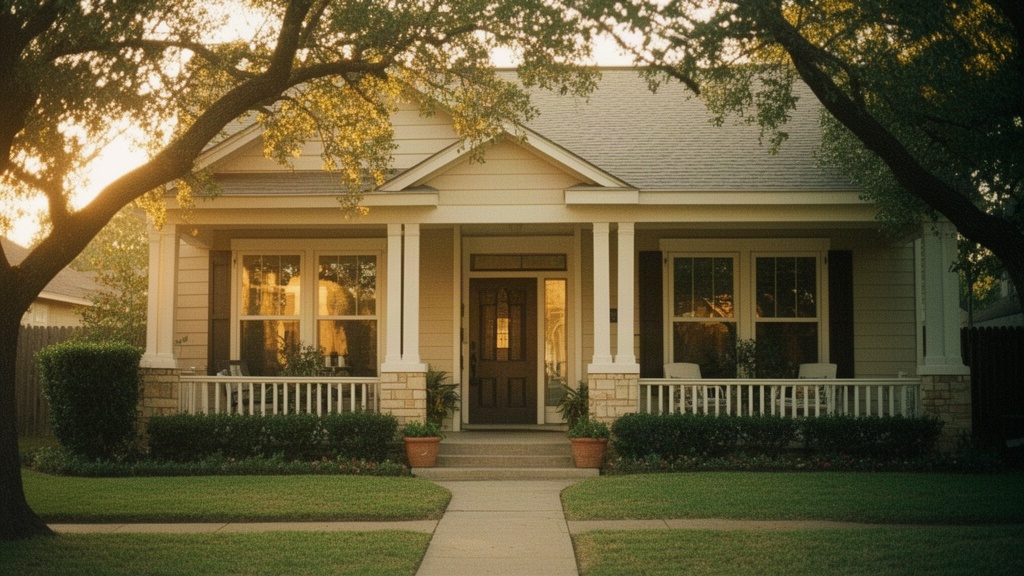
Arkadelphia's housing stock ranges from older craftsman-style bungalows built in the early 1900s near downtown to ranch-style brick homes from the 1960s and 1970s, newer construction subdivisions on the city's edges, and a handful of larger properties on acreage in the surrounding Clark County countryside. The Ouachita River corridor and proximity to DeGray Lake State Park, located about 10 miles north of the city center, give many properties a natural setting that buyers relocating from urban areas often find appealing.
Price Ranges Across Arkadelphia's Housing Stock
Entry-level homes in Arkadelphia, typically smaller two- and three-bedroom houses that need some updating, are generally priced in the low-to-mid $100,000s. Move-in-ready three- and four-bedroom homes in established neighborhoods cluster in the $150,000 to $250,000 range. Larger homes, newer construction, and properties with acreage can push into the $300,000s and beyond. For a detailed breakdown of current price data, see the companion article on average home prices in Arkadelphia right now.
2. The Full Home-Buying Process in Arkadelphia, Step by Step
Buying a home in Arkadelphia, Arkansas follows the same broad legal framework as buying anywhere in the state, but the local details matter enormously. Working with an agent and a lender who know Clark County specifically will save you time, money, and stress at every stage. Here is exactly how the process unfolds.
Step 1: Get Pre-Approved With an Arkansas Lender
Pre-approval is not optional in this market. A pre-approval letter from a licensed Arkansas lender tells sellers you are a serious buyer with verified income, credit, and assets. It also tells you your actual budget before you fall in love with a home you cannot finance. In Arkadelphia, where some listings attract multiple offers quickly, sellers routinely reject offers that arrive without pre-approval documentation. Contact at least two lenders to compare rates and fees; a difference of even a quarter of a percentage point on a $200,000 loan translates to thousands of dollars over the life of the mortgage.
Arkansas buyers have access to several loan types worth knowing about. Conventional loans require a minimum 3% down payment for qualifying buyers. FHA loans allow down payments as low as 3.5% with a credit score of 580 or higher. USDA loans are available for properties in eligible rural areas, and parts of Clark County outside Arkadelphia's city limits may qualify. VA loans, available to eligible veterans and active-duty service members, require no down payment. The Arkansas Development Finance Authority also offers down payment assistance programs that can reduce upfront costs for income-qualifying buyers.
Step 2: Search With a Local Agent Who Knows the Inventory
Online portals show you what is listed, but they do not tell you which streets flood after heavy rain, which properties have been on and off the market for two years, or which sellers are genuinely motivated. A local agent with active Arkadelphia experience fills those gaps. Mandy Ledbetter of Crye Leike Pro Elite Realty works specifically in this market and can identify properties that match your criteria before you waste weekends touring homes that will never work for your situation.
When touring homes in Arkadelphia, pay attention to the age of the roof, the HVAC system, and the plumbing. Many of the city's older homes, particularly those built before 1980 near downtown, have original systems that will need replacement within a few years of purchase. Factor those costs into your offer price, not just your renovation wishlist. The Arkadelphia real estate market guide has additional context on what to expect from different parts of the local housing stock.
Step 3: Make an Offer and Negotiate
Your offer is a legally binding contract in Arkansas once both parties sign, so every term matters. Beyond the purchase price, your offer will specify your earnest money deposit, the inspection period, the closing date, and any contingencies you want included. Earnest money in Arkadelphia typically runs between 1% and 2% of the purchase price, deposited into escrow within a few days of acceptance. This money is applied toward your closing costs at settlement.
Contingencies protect you, but too many can make your offer less competitive. The most common contingencies in Arkansas purchase contracts are the inspection contingency, which allows you to negotiate repairs or walk away based on the inspection findings, and the financing contingency, which protects your earnest money if your loan falls through for reasons outside your control. In a multiple-offer situation, your agent can advise you on which contingencies are essential and which ones can be modified to strengthen your position without exposing you to unnecessary risk.
Step 4: Inspections, Appraisal, and Due Diligence
Once your offer is accepted, the inspection period in Arkansas typically runs 10 to 14 days. A general home inspection in the Arkadelphia area costs roughly $300 to $450 depending on the size and age of the home. Given the age of much of Arkadelphia's housing stock, it is worth adding a separate termite inspection, which costs an additional $75 to $125. If the general inspector flags concerns about the foundation, roof, or HVAC, specialty inspections for those systems will add to your upfront costs but can save you from expensive surprises after closing.
Your lender will order a licensed appraisal to confirm the home's value supports the loan amount. If the appraisal comes in below the purchase price, you have several options: negotiate the price down with the seller, pay the difference in cash, or walk away if your contract includes an appraisal contingency. Appraisals in the Arkadelphia market typically take one to two weeks to schedule and complete, and the fee, which you pay, runs approximately $400 to $600.
Step 5: Final Walk-Through and Closing
The final walk-through happens within 24 hours of closing and is your last chance to confirm the property's condition before you sign. Check that all agreed-upon repairs were completed, that no fixtures or appliances were removed, and that the home is in the same condition as when you made your offer. Closings in Arkansas are typically handled by a title company or real estate attorney. You will sign a stack of documents, wire your closing funds, and receive your keys. The deed is recorded with the Clark County Circuit Clerk's office, and you are a homeowner.
3. Real Costs of Buying a Home in Arkadelphia, Arkansas
Understanding the full cost of buying a home in Arkadelphia, Arkansas goes beyond the down payment. Most buyers are surprised by how much cash they need to bring to closing on top of their down payment. Here is a realistic breakdown of what to budget.
Closing Costs: What Arkansas Buyers Actually Pay
Closing costs in Arkansas typically run between 2% and 5% of the purchase price. On a $200,000 home, that means budgeting $4,000 to $10,000 in closing costs on top of your down payment. According to Redfin's breakdown of closing costs in Arkansas, buyers in the state pay a mix of lender fees, title-related charges, prepaid items, and government recording fees. The specific line items vary by lender and transaction, but the major categories are consistent.
- Loan origination fee: Typically 0.5% to 1% of the loan amount, charged by your lender for processing the mortgage.
- Appraisal fee: Approximately $400 to $600 in the Arkadelphia area, paid to the licensed appraiser your lender selects.
- Title search and title insurance: Usually $500 to $1,200 combined. Title insurance protects you against ownership disputes or liens discovered after closing.
- Homeowner's insurance prepaid: Lenders require at least one year of homeowner's insurance paid at closing. Annual premiums in Arkansas average around $1,200 to $1,800 depending on coverage and the home's age.
- Property tax escrow: Lenders typically collect two to three months of property taxes upfront into an escrow account. Clark County property tax rates are among the lower ones in Arkansas.
- Recording fees: Paid to the Clark County Circuit Clerk's office to officially record the deed and mortgage documents, generally $50 to $200.
- Home inspection fees: Paid before closing, typically $300 to $450 for a general inspection plus $75 to $125 for a termite inspection.
One strategy worth asking your agent about is seller concessions. In some Arkadelphia transactions, particularly when a home has been sitting on the market, sellers will agree to contribute a set dollar amount toward the buyer's closing costs. This keeps your out-of-pocket cash lower at closing, though it sometimes means accepting a slightly higher purchase price in exchange. Your agent can tell you when this approach makes sense given current market conditions.
Ongoing Costs After Closing
Your monthly housing cost in Arkadelphia will include your mortgage principal and interest, property taxes, homeowner's insurance, and, if your down payment is less than 20%, private mortgage insurance. PMI typically costs 0.5% to 1.5% of the loan amount annually and is added to your monthly payment until you reach 20% equity. On a $180,000 loan, that is roughly $75 to $225 per month until you hit that threshold. Utility costs in Arkadelphia, served by Entergy Arkansas for electricity, run on the higher side during summer months due to Arkansas's heat and humidity, so budget accordingly.
4. Realistic Timeline: How Long Does It Take to Buy in Arkadelphia?
From the day you start getting serious to the day you get your keys, most Arkadelphia home purchases take between 60 and 120 days. The range is wide because the search phase is entirely unpredictable. Some buyers find the right home in two weeks; others search for three months before finding a property that fits their needs and budget. The contract-to-closing phase is more predictable.
Pre-Approval Through Offer Acceptance
- Pre-approval: 3 to 7 business days, depending on how quickly you can gather your financial documents and how responsive your lender is.
- Active home search: Anywhere from 2 weeks to 3 months. Arkadelphia's inventory is limited, so buyers with flexible criteria tend to move faster than those with a very specific wish list.
- Offer negotiation: 1 to 5 days in most Arkadelphia transactions. Sellers typically respond to offers within 24 to 48 hours.
Under Contract Through Closing
- Inspection period: 10 to 14 days after contract acceptance. Scheduling a qualified home inspector in Clark County promptly is important because good inspectors book up quickly.
- Repair negotiation: 3 to 7 days after the inspection report is delivered. Both parties review findings and agree on repairs, credits, or price adjustments.
- Appraisal: Ordered by the lender within a few days of contract acceptance; the report typically comes back 1 to 2 weeks after the appraiser visits the property.
- Loan underwriting and clear to close: This phase takes 2 to 4 weeks and is often the longest part of the contract-to-close timeline. Respond to your lender's requests for additional documents immediately to avoid delays.
- Closing day: Total contract-to-close time in Arkadelphia typically runs 30 to 45 days for a conventional or FHA loan. USDA loans can take 45 to 60 days due to the additional rural development review process.
According to NAR's research on home buyer behavior, the median buyer searches for homes for about 10 weeks before making a purchase. In a smaller market like Arkadelphia, that window can be shorter if you are flexible, or longer if you have very specific requirements. You can read more about national buyer trends in NAR's Profile of Home Buyers and Sellers, which provides useful context even for buyers in smaller markets like Arkadelphia.
5. Common Mistakes Arkadelphia Buyers Make and How to Avoid Them
Buyers who are new to Arkadelphia or to homeownership in general tend to repeat a handful of the same costly mistakes. Knowing them in advance is most of the battle.
Skipping the inspection to win a bidding situation is the most expensive mistake buyers make. Older homes in Arkadelphia can have foundation issues related to the expansive clay soils common in Clark County, as well as aging electrical panels and galvanized plumbing that is past its useful life. A few hundred dollars spent on a thorough inspection can reveal problems that would cost tens of thousands to fix after closing.
Underestimating ongoing costs is the second most common issue. Buyers who stretch to their maximum approval amount sometimes find themselves cash-poor after closing, with no reserves for the inevitable repair or replacement that comes with owning an older home. A general rule of thumb is to budget 1% of the home's value annually for maintenance and repairs, though older homes in Arkadelphia may require more in the first few years.
Choosing an agent without local experience is a third mistake that is easy to avoid. An agent who does not regularly work in Arkadelphia will not know which streets are in the flood plain, which subdivisions have HOA restrictions, or which properties have a history of price reductions that signals a motivated seller. The article on finding the right real estate agent in Arkadelphia for first-time buyers walks through exactly what to look for when choosing representation.
Making large financial changes between pre-approval and closing is a mistake that derails more purchases than most buyers realize. Opening a new credit card, financing a car, changing jobs, or making large cash deposits into your bank account can all trigger a re-underwriting review that delays or kills your loan. Keep your financial picture as stable as possible from the moment you apply for pre-approval through the day you close.
If you are also thinking about what happens on the other side of the transaction, the guide on selling a home in Arkadelphia covers pricing strategy and seller timelines in the same local context.
FAQ
How much money do I need to buy a home in Arkadelphia, Arkansas?
The total cash you need at closing includes your down payment plus closing costs. On a $200,000 home with a 5% down payment, that means $10,000 down plus roughly $4,000 to $10,000 in closing costs, so plan for $14,000 to $20,000 in total out-of-pocket funds. If you qualify for a USDA or VA loan, your down payment requirement drops to zero, though you will still owe closing costs unless you negotiate seller concessions. Arkansas Development Finance Authority programs may also reduce your upfront costs if you meet income guidelines. Your lender will give you a Loan Estimate within three business days of application that spells out every projected cost.
Is Arkadelphia, Arkansas a good place to buy a home right now in 2026?
Arkadelphia offers home prices that are meaningfully lower than Little Rock and most other Arkansas metros, which means buyers get more square footage and more lot size for their dollar. The city's two universities provide economic stability and consistent housing demand. DeGray Lake State Park nearby, the Ouachita River corridor, and a compact downtown with local businesses give the area a distinct character. Whether Arkadelphia fits your life depends on your work situation, commute tolerance, and lifestyle preferences, all of which are personal decisions. What the market data shows is that prices in Arkadelphia have been relatively stable and the cost of homeownership here compares favorably to renting over a multi-year horizon.
How long does it take to close on a house in Arkadelphia, Arkansas?
Once you have an accepted offer, closing in Arkadelphia typically takes 30 to 45 days for a conventional or FHA loan. USDA loans, which are common in rural Clark County properties, can take 45 to 60 days because of the additional rural development review required by the federal program. The biggest variable is the underwriting process at your lender: buyers who respond quickly to document requests and avoid financial changes during the process tend to close at the faster end of that range. Your agent and lender will set a target closing date in the purchase contract and work backward from it to keep each stage on schedule.