← Back to Blog
Neighborhoods
The Rose Garden neighborhood of San Jose real estate market guide: prices, timing
By Manjula Sharma
Doorlight · DRE# 02103906
September 19, 2026 · 12 min read
The Rose Garden neighborhood of San Jose real estate market guide covers everything buyers, sellers, and relocating households need to understand: current price ranges, the character of the housing stock, how the local market has moved in 2026, and what timing looks like right now. Rose Garden sits roughly two miles northwest of downtown San Jose and is one of the city's most architecturally distinct pockets, defined by its 1920s to 1950s period homes, mature tree canopy, and the five-acre Municipal Rose Garden itself. Whether you are buying, selling, or simply figuring out whether this neighborhood fits your next chapter, this guide gives you the concrete numbers and local context to make a confident decision.
1. What Makes Rose Garden Distinct Within San Jose
Rose Garden is one of the few San Jose neighborhoods where the built environment feels intentional and cohesive rather than assembled over decades of sprawl. The neighborhood takes its name from the San Jose Municipal Rose Garden, a five-acre city park at Naglee Avenue and Dana Avenue that contains roughly 3,500 rose plants across nearly 200 varieties. The park is maintained by the city and draws visitors from across the South Bay, which means Rose Garden residents have a genuinely well-kept green space within walking distance rather than a scrubby pocket park.
The Physical Neighborhood
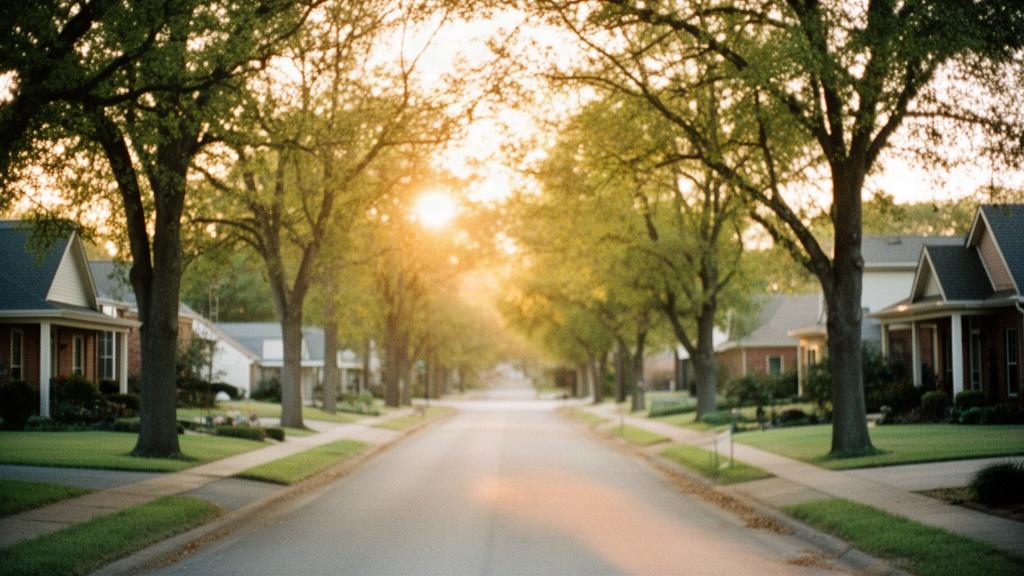
Rose Garden is bounded roughly by The Alameda to the east, Race Street to the west, West San Carlos Street to the south, and Hedding Street to the north. The street grid is walkable and relatively flat. Most blocks are lined with mature sycamores, elms, and liquid amber trees that create a canopy unusual for a city of San Jose's density. The neighborhood is about 1.5 miles wide and sits approximately two miles from San Jose City Hall, making it genuinely close to downtown without the noise or density of the core.
Architecture and Lot Sizes
The dominant architectural styles are Spanish Colonial Revival, Tudor Revival, Craftsman bungalow, and Colonial Revival, most of them built between 1920 and 1955. Lot sizes typically run from about 5,000 to 8,000 square feet, though corner lots and a handful of larger parcels can reach 10,000 square feet or more. The homes themselves generally range from around 1,200 to 2,800 square feet of living space, with the smaller bungalows concentrated near the park and the larger two-story colonials spread across the interior blocks. Original details like arched doorways, hardwood floors, coved ceilings, and decorative tile work are common, and many owners have preserved or carefully restored them.
2. Rose Garden San Jose Real Estate Prices in 2026
Rose Garden commands a meaningful price premium over the San Jose citywide median, driven by its period architecture, lot sizes, and central location. As of September 2026, the neighborhood's single-family home prices cluster between approximately $1.55 million and $2.4 million, with the most common transactions landing in the $1.7 million to $2.1 million range. That puts Rose Garden well above the San Jose citywide median, which has been tracking in the $1.2 million to $1.35 million range for detached homes through the second and third quarters of 2026.
Current Median Price Range
Median sold price for a detached single-family home in Rose Garden sits near $1.85 million as of September 2026, based on closed sales through the summer. Entry-level access into the neighborhood, meaning smaller bungalows in original condition or homes that need updating, starts around $1.4 million to $1.55 million. Fully renovated or expanded homes with updated kitchens, new systems, and ADUs regularly close above $2.2 million. The ceiling for the most significant properties, those over 2,500 square feet on large lots with high-quality restorations, has reached $2.8 million to $3.1 million in 2026.
How Prices Have Moved
San Jose has been a consistent performer in the broader California housing market. The National Association of Realtors reported that home prices increased in 80% of metro areas in the second quarter of 2026, and the San Jose metro was among the metros posting year-over-year gains. Rose Garden specifically has seen modest appreciation of roughly 4% to 6% over the prior twelve months, consistent with the broader pattern of limited inventory keeping upward pressure on prices even as mortgage rates have remained elevated.
Price Per Square Foot
Price per square foot in Rose Garden currently runs between $850 and $1,150 for most closed transactions, with outliers on both ends. Smaller homes in original condition tend to land at the lower end of that range because buyers apply a discount for the renovation work ahead. Larger homes that have been updated to current standards, particularly those with open floor plans, modern kitchens, and energy-efficient systems, push toward the top of the range. ADUs, which are increasingly common in Rose Garden given the lot sizes and the city's permitting improvements, can add $150,000 to $300,000 in value depending on size and finish level.
3. Housing Stock: What You Will Actually Find for Sale
Rose Garden is primarily a single-family neighborhood, and inventory is consistently tight. In a typical month, you will find between four and ten active listings across the entire neighborhood, which reflects both the high owner-occupancy rate and the fact that people who buy here tend to stay for many years. Turnover is low by design: the combination of Proposition 13 property tax protections and strong neighborhood attachment means sellers often hold for a decade or more before listing.
Single-Family Homes
The vast majority of what comes to market in Rose Garden is detached single-family homes on individual lots. Most have two or three bedrooms in the original footprint, though additions and permitted expansions have pushed many to four bedrooms. Garages are typically one-car structures from the original construction era, and driveways are often short. Basements are uncommon in this part of San Jose given the soil conditions, but partial basements and large attic spaces do appear in some of the larger colonials. Many homes have been replumbed and rewired over the decades, but buyers should always commission a thorough inspection given the age of the stock.
Condos and Attached Properties
A smaller number of condos and townhomes exist along the edges of Rose Garden, particularly near The Alameda corridor and West San Carlos Street. These are generally 1970s to 1990s construction and offer a lower entry price into the neighborhood, typically ranging from $700,000 to $1.1 million depending on size and HOA situation. They are less common and sell quickly when they do appear. Buyers focused on attached product should also look at adjacent areas like Shasta-Hanchett Park and the blocks immediately south of West San Carlos, which share a similar walkable character.
What Condition to Expect
Condition in Rose Garden varies widely, and that variance drives most of the price spread within the neighborhood. Some homes have been continuously maintained and updated by long-term owners and show beautifully. Others have had deferred maintenance accumulate over decades and will need significant investment in roofing, foundation work, plumbing, or electrical before they are move-in ready. Buyers should budget for inspection costs and, if targeting an older unrenovated home, get contractor estimates before submitting offers. The reward for buying a home that needs work is usually a lower entry price and the ability to customize the renovation to your own preferences.
4. Market Timing: When to Buy or Sell in Rose Garden
Timing in Rose Garden follows broader San Jose seasonal patterns but is amplified by the neighborhood's low inventory. Because so few homes come to market in any given month, a single well-priced listing can attract a disproportionate number of buyers who have been waiting for months. This dynamic means that even in slower market periods, a move-in-ready Rose Garden home priced correctly will generate multiple offers.
Seasonal Patterns
The strongest listing activity in Rose Garden typically occurs between late February and late May, when the garden is in bloom and the neighborhood shows at its best. A secondary wave of listings often appears in September and October as sellers who did not list in spring try to catch the fall window before the holiday slowdown. Right now, in September 2026, the market is in that fall window: inventory is slightly higher than it was in July and August, and buyers who stepped back during the summer are returning. For sellers, this month and October represent a genuine opportunity before activity compresses in November and December.
Days on Market
Well-priced Rose Garden homes have been selling in seven to fourteen days on average through 2026, with some move-in-ready listings going pending within the first weekend. Homes that are overpriced or in significantly compromised condition sit longer, sometimes thirty to sixty days, before sellers reduce the price or accept a lower offer. The days-on-market figure is one of the most useful signals for buyers: a home that has been sitting for three or four weeks in this neighborhood is almost always carrying a price problem or a condition problem, and both create negotiating room.
Competition and Offer Dynamics
Multiple offers remain common on desirable Rose Garden listings in 2026, though the frenzy of 2021 and 2022 has not returned. Buyers can generally expect to compete with two to five other offers on a well-prepared home, and overbidding of 3% to 8% above list price is typical for those properties. Homes with deferred maintenance or awkward floor plans are more likely to receive one or two offers at or near list price, giving buyers more room to negotiate on price, contingencies, and closing timelines. Pre-approval from a lender familiar with jumbo loan products is essential in this price range, since most Rose Garden transactions exceed conforming loan limits.
5. Commute, Amenities, and Surrounding Context
Location is one of Rose Garden's practical strengths: it sits close to major employment corridors without being directly on a freeway. The neighborhood has convenient access to Highway 880, Interstate 280, and Highway 17, which connect to the broader Silicon Valley tech campus belt stretching from San Jose through Santa Clara, Sunnyvale, Mountain View, and Cupertino. Downtown San Jose, including Diridon Station, is roughly a ten-minute drive under normal traffic conditions.
Getting Around from Rose Garden
Diridon Station, approximately 1.5 miles from the center of Rose Garden, serves Caltrain, Amtrak, VTA light rail, and ACE train. Caltrain connects to Millbrae and San Francisco to the north and to Gilroy to the south, making it a realistic commute option for people working in the Peninsula or South of Market. VTA bus routes run along The Alameda and West San Carlos Street, providing connections to downtown San Jose and the broader transit network. The neighborhood is bikeable by San Jose standards: the terrain is flat, and the streets are relatively calm compared to arterial corridors.
Parks, Retail, and Everyday Errands
Beyond the Municipal Rose Garden itself, the neighborhood is within a short drive or bike ride of Guadalupe River Park, which offers paved trails running north toward the airport and south toward downtown. The Alameda corridor immediately east of the neighborhood has a concentrated stretch of independent restaurants, coffee shops, a Whole Foods, and specialty retail. Santana Row and Westfield Valley Fair, two of the South Bay's largest retail and dining destinations, are about a mile and a half west on Stevens Creek Boulevard, reachable by car in under ten minutes. SAP Center, home of the San Jose Sharks, is about two miles east near Diridon.
6. What Sellers in Rose Garden Need to Know Right Now
Selling in Rose Garden in September 2026 means entering a market where buyers are active but selective. The days of buyers waiving all contingencies on any listing regardless of condition are largely behind us. Today's buyers in this price range, which typically involves jumbo financing and significant down payments, are more deliberate. They will read the inspection report carefully, they will research comparable sales, and they will walk away from a home that is overpriced relative to its condition. Sellers who understand this and prepare accordingly consistently achieve stronger outcomes.
Pricing Strategy
Accurate pricing in Rose Garden requires comparing against a small pool of recent sales, since the neighborhood does not turn over frequently enough to produce a large comparable set. An agent who knows Rose Garden will look at sales from the past six months, weight them by condition and square footage, and then factor in whether the current market is moving faster or slower than it was when those comps closed. Pricing slightly below the top of the comparable range tends to generate the offer competition that ultimately produces a higher final sale price. Pricing above the top of the range without a clear justification tends to produce extended market time and eventual reductions, which cost sellers both money and negotiating leverage.
Preparation and Presentation
Rose Garden buyers are often drawn to the neighborhood specifically because of its architectural character, so sellers who highlight original details rather than obscuring them tend to connect with the right audience. Refinishing original hardwood floors, repairing or repointing original tile work, and freshening landscaping to complement the period style of the home are investments that consistently pay off. Professional photography that captures the scale of the lot and the architectural details is essential at this price point. A pre-listing inspection, which gives sellers the chance to address issues before buyers discover them, is increasingly standard in Rose Garden and helps preserve the seller's negotiating position.
For a broader look at how the San Jose market is performing across all neighborhoods, the San Jose, California Real Estate Market Guide on this site covers citywide price trends, inventory conditions, and what buyers and sellers are navigating right now.
If you are also considering other established San Jose neighborhoods with distinct architectural character, the guide to living in the Willow Glen neighborhood of San Jose offers a detailed look at another part of the city with a strong sense of place and a similarly tight inventory picture.
Buyers who want to understand the school attendance zones that serve Rose Garden and surrounding areas should read the guide on how to research San Jose Unified and East Side Union High School attendance zones before you buy, which walks through how to verify which school serves a specific address using the district's own tools.
Rose Garden falls within the San Jose Unified School District. For specific school attendance boundaries tied to a particular address, the district's official website and the California Department of Education are the authoritative sources. These are personal decisions worth researching directly.
San Jose's housing market has drawn attention nationally for its resilience. HousingWire noted that San Jose's housing market continues to defy broader national trends, driven by constrained supply and persistent demand from the technology sector. Rose Garden, with its fixed supply of period homes that cannot be replicated, sits at the intersection of those two forces.
Sellers deciding between hiring an agent and attempting a private sale should also read the breakdown of what to expect when selling a home in Berryessa, which covers the agent hiring question, pricing mechanics, and timeline in practical terms that apply across San Jose neighborhoods.
FAQ
What is the typical price range for a home in the Rose Garden neighborhood of San Jose in 2026?
As of September 2026, most single-family home sales in Rose Garden close between $1.55 million and $2.4 million, with the most common transactions landing in the $1.7 million to $2.1 million range. Smaller or unrenovated bungalows can come in closer to $1.4 million, while fully restored or expanded homes on larger lots have sold above $2.8 million this year. Condos and attached properties along the neighborhood's edges offer a lower entry point, generally $700,000 to $1.1 million. Price per square foot for detached homes runs between roughly $850 and $1,150 depending on condition, size, and whether an ADU is present.
How competitive is the Rose Garden real estate market right now, and should I expect a bidding war?
Rose Garden is a competitive market in 2026 because inventory is consistently low: in a typical month, only four to ten homes are actively listed across the entire neighborhood. Move-in-ready homes priced accurately tend to attract two to five offers and sell within seven to fourteen days, often at 3% to 8% above list price. Homes with deferred maintenance or condition issues are more likely to receive one or two offers near list price, giving buyers more negotiating room. Buyers should have jumbo pre-approval in place before touring, since most Rose Garden transactions exceed conforming loan limits. Working with an agent who knows the neighborhood's comparable sales closely is important for writing competitive offers without overpaying.
Is September a good time to buy or sell in the Rose Garden neighborhood of San Jose?
September is part of the fall market window in Rose Garden, which runs roughly through mid-October before holiday-related slowdowns reduce activity. For sellers, this period represents a real opportunity: buyers who paused during the summer are actively searching again, and inventory is slightly higher than it was in July and August, which means there is a pool of motivated buyers without as much competition from other new listings. For buyers, the fall window can offer more selection than the compressed spring market and occasionally more negotiating room on homes that have been sitting since the spring. The spring season from late February through May is typically the highest-volume period and tends to produce the most competitive offer situations.