← Back to Blog
Buying
First-Time Home Buyer Guide for Anderson, South Carolina: Steps, Costs, and Local Tips
By Maria Kozak
North Group Real Estate · DRE# 100103
September 20, 2026 · 11 min read
If you are buying your first home in Anderson, South Carolina, the process involves more moving parts than most people expect. This first-time home buyer guide for Anderson, South Carolina walks you through every stage, from getting pre-approved to picking up your keys, with real local numbers and details specific to this market.
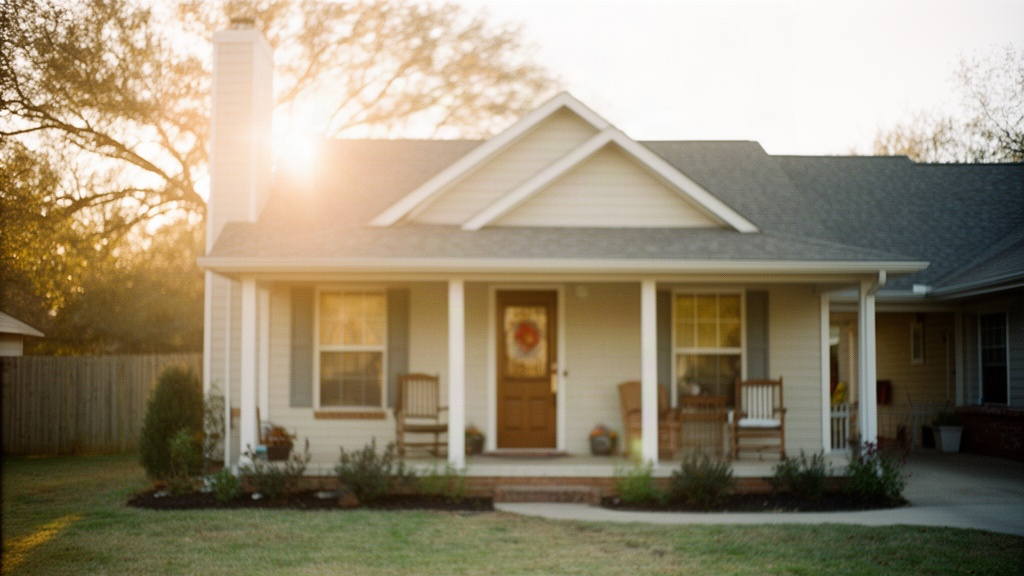
1. What the Anderson, SC Housing Market Looks Like for First-Time Buyers Right Now
Anderson remains one of the more accessible entry points into South Carolina homeownership in September 2026. Median home prices in Anderson County are tracking in the low-to-mid $200,000s for existing single-family homes, with pockets of the city where move-in-ready properties still appear below $200,000. That is meaningfully lower than the Greenville metro median, which has pushed well past $300,000, making Anderson a realistic option for buyers who want proximity to the Upstate job market without the Greenville price tag.
Current Prices and Inventory
Inventory in Anderson has loosened slightly compared to the tight conditions of 2023 and 2024, but the market still favors sellers on well-priced homes that show well. Homes priced correctly in the $180,000 to $250,000 range, which is exactly where most first-time buyers are shopping, tend to move in two to three weeks. Overpriced listings sit longer, which means patient buyers who watch the market can sometimes negotiate on homes that have been sitting for 45 days or more.
For a detailed breakdown of what prices are doing in Anderson right now, see the current price analysis on this site. It covers median prices by area and how conditions have shifted over the past year.
What Your Budget Gets You in Anderson
At $180,000 to $220,000, buyers in Anderson can realistically find a three-bedroom, two-bathroom ranch-style home on a quarter-acre lot in established neighborhoods within a few miles of downtown. Many of these homes were built between the 1970s and the 1990s and have been updated to varying degrees. Brick ranch construction is common throughout the city and county, which tends to mean lower exterior maintenance costs.
At $250,000 to $310,000, the options expand to include newer construction townhomes, larger four-bedroom homes in subdivisions off Highway 28 and Highway 187, and some properties closer to Lake Hartwell. Buyers at this price point often have more choices in terms of updated kitchens, newer HVAC systems, and larger lots. If waterfront or water-access living is on your list, the Lake Hartwell corridor has its own distinct set of considerations worth researching separately.
The Lake Hartwell area guide on this site covers pricing, lot types, dock permits, and what to watch for when buying near the water.
2. Down Payment Assistance and Loan Programs Available to Anderson Buyers
First-time buyers in Anderson, South Carolina have access to several assistance programs that can significantly reduce the cash needed to close. The key is knowing which programs you qualify for before you start shopping, because some have income caps, purchase price limits, or require you to use an approved lender.
South Carolina State Programs
SC Housing, the state's housing finance agency, offers the SC Housing Homebuyer Program, which provides a 30-year fixed-rate mortgage combined with optional down payment assistance of up to $10,000 in the form of a forgivable second loan. To qualify, buyers generally need a minimum credit score of 620, must meet income limits that vary by county and household size, and the home must fall within purchase price limits. In Anderson County, those limits have historically been set to accommodate the local price range, so many first-time buyers here do qualify. SC Housing also offers the Palmetto Home Advantage program, which has slightly different terms and is worth comparing side by side with a participating lender.
For a full list of current South Carolina assistance programs, income limits, and lender requirements, Bankrate's South Carolina first-time homebuyer assistance guide is a reliable starting point. It pulls together state and local options in one place and is updated regularly.
Federal Loan Options Worth Knowing
FHA loans are the most common choice for first-time buyers in Anderson because they allow down payments as low as 3.5% with a credit score of 580 or higher. On a $220,000 home, that translates to roughly $7,700 down. FHA loans do carry mortgage insurance premiums, both upfront and monthly, which adds to your total cost of ownership. Buyers who can put 20% down avoid private mortgage insurance entirely, but for most first-time buyers that threshold takes years to reach.
USDA loans are another option worth exploring for buyers looking at properties in less densely developed parts of Anderson County. USDA loans require no down payment and have competitive interest rates, but the property must be in a USDA-eligible rural area and the buyer must meet income limits. Portions of Anderson County outside the city limits do qualify, so if you are open to a location that is not inside the city, it is worth checking the USDA eligibility map. VA loans are available to eligible veterans and active-duty service members and also require no down payment, with no mortgage insurance requirement.
3. The Step-by-Step Buying Process in Anderson, South Carolina
The home buying process in Anderson follows the same general sequence as anywhere in the country, but local customs and timelines matter. South Carolina is an attorney-state for real estate closings, meaning a licensed attorney must conduct the closing and handle the title work. That is different from states where a title company handles everything, and it affects both your timeline and your closing cost structure.
Getting Pre-Approved
Pre-approval is the first real step, and in Anderson's current market it is non-negotiable before touring homes seriously. A pre-approval letter from a lender tells sellers you are a qualified buyer and gives you a firm budget to work within. To get pre-approved, you will need recent pay stubs, two years of W-2s or tax returns if self-employed, two to three months of bank statements, and your Social Security number for a credit pull. The lender will calculate your debt-to-income ratio, which most conventional loan programs want to see below 43%, though some programs allow higher ratios with compensating factors.
Shopping multiple lenders matters more than most first-time buyers realize. A difference of even 0.25% on your interest rate on a $230,000 loan adds up to thousands of dollars over 30 years. Get quotes from at least two or three lenders, including a local community bank or credit union alongside any national lender, before committing.
Making an Offer and Navigating Inspections
Once you find a home you want to buy, your agent will help you structure an offer that reflects current market conditions. In Anderson, earnest money deposits typically run between $1,000 and $3,000 for homes in the $200,000 range, though higher deposits can strengthen your position in a competitive situation. The South Carolina standard contract includes an inspection contingency period, usually ten days, during which you can have a licensed home inspector evaluate the property.
Home inspections in Anderson typically cost between $350 and $500 depending on the size of the home. Given the age of much of the housing stock in the city, inspectors frequently flag deferred maintenance items like aging HVAC units, older electrical panels, and crawl space moisture issues. These are negotiating points, not necessarily deal-breakers. After the inspection, you can request repairs, a price reduction, or a closing cost credit from the seller.
What Happens Between Contract and Closing
After the inspection period closes and both parties agree on any repairs or credits, the file moves to your lender for underwriting. The lender will order an appraisal, which in Anderson typically costs $450 to $600 and takes one to two weeks to schedule and complete. Underwriting can take another one to two weeks depending on how quickly you respond to document requests. The closing attorney will run a title search to confirm there are no liens or ownership disputes on the property.
Total time from accepted offer to closing in Anderson currently runs 30 to 45 days for financed purchases. Cash deals can close faster, sometimes in two weeks, but the majority of first-time buyers are financing. Plan for 45 days as your baseline and communicate that timeline to your landlord or current housing situation so you are not caught off guard.
4. Costs First-Time Buyers in Anderson Often Underestimate
The down payment is not the only cash you need at closing. First-time buyers in Anderson are often surprised by how much the closing costs add to the total cash required. Understanding these numbers in advance lets you plan accurately and avoid last-minute stress.
Closing Costs Specific to South Carolina
In South Carolina, buyers typically pay closing costs equal to 2% to 4% of the purchase price. On a $220,000 home, that range is roughly $4,400 to $8,800. The largest line items are lender fees (origination, underwriting, and discount points if applicable), the appraisal, title insurance, the closing attorney fee, and prepaid items like homeowners insurance and property tax escrow. South Carolina also charges a deed recording fee and a transfer tax, though the transfer tax is typically paid by the seller.
One strategy worth asking about is seller-paid closing costs. In a negotiation, sellers can agree to contribute toward the buyer's closing costs, which reduces the cash you need to bring to the table. In Anderson's current market, seller concessions are more common on homes that have been sitting for a while or on new construction where the builder has incentive to close deals before year-end.
Ongoing Costs After You Close
Property taxes in Anderson County are calculated on assessed value, and South Carolina's primary residence assessment ratio is 4%, which is lower than most states. On a $220,000 home, the annual property tax bill for a primary residence typically falls in the $1,200 to $1,800 range depending on the millage rate in your specific area. You must apply for the 4% primary residence assessment with the Anderson County Assessor's office after closing; if you do not apply, you will be taxed at the higher 6% non-owner-occupied rate until you do.
Homeowners insurance in the Upstate South Carolina region typically runs $900 to $1,400 per year for a home in the $200,000 range, though homes near Lake Hartwell or in identified flood zones may require separate flood insurance. HOA fees apply in some subdivisions and can range from $25 per month in a basic neighborhood with common area maintenance to $150 or more per month in communities with amenities like pools or gated access. Always confirm whether an HOA exists and request the financials before going under contract.
5. Choosing Where to Buy in Anderson County
Anderson County covers a wide geographic area with meaningfully different housing options depending on where you look. The city of Anderson itself sits at the center, with neighborhoods ranging from historic streets near downtown to post-war subdivisions further out. Beyond the city limits, unincorporated areas of the county offer larger lots and a more rural character, while communities like Pendleton, Williamston, and Honea Path each have their own small-town downtown areas and distinct housing stock.
Inside the City Limits vs. the Surrounding County
Homes inside the city of Anderson are typically on smaller lots, closer to amenities like the Anderson Arts Center, the Anderson County Museum, Linley Park, and the dining and retail along North Main Street. The city has invested in its downtown corridor over the past several years, and the walkable blocks around the square give Anderson a more urban feel than many comparable-sized South Carolina cities. City utility rates apply within city limits, which differs from county water and sewer pricing for homes outside.
Homes in the unincorporated county often sit on half an acre to several acres, which appeals to buyers who want more space between neighbors or room for outbuildings. Trade-offs include longer drives to grocery stores or medical facilities and, in some cases, well and septic systems rather than public utilities. Well and septic inspections are a separate cost from the general home inspection and are strongly recommended for any property that uses them.
For a detailed look at specific neighborhoods within the city and county, the Anderson neighborhoods guide on this site covers the physical character, price ranges, and lot sizes of different areas across Anderson. School district boundary information is a separate research step; the Anderson County school district boundaries guide on this site walks you through how to look up official zone data directly from the district.
New Construction vs. Existing Homes
New construction is an active part of the Anderson market in 2026, with several subdivisions under development in areas like Williamston Road, Midway Road, and the Highway 81 corridor. New builds typically start in the $250,000 to $320,000 range for production homes from regional builders, though some communities offer entry-level townhomes at lower price points. The appeal of new construction is the builder warranty, energy efficiency of newer systems, and the ability to choose finishes. The trade-off is that new subdivisions often have less mature landscaping, longer commutes to established retail, and HOA fees that fund common area development.
Existing homes in Anderson, particularly brick ranches from the 1970s through the 1990s, offer established lots with mature trees, larger square footage per dollar in many cases, and locations closer to the city core. The inspection process matters more with older homes because systems like HVAC, roofing, and plumbing are closer to the end of their service life. Buyers who budget for near-term updates can often find more home per dollar in the existing inventory than in new construction at comparable price points.
The new construction guide on this site covers the specific developments currently under construction in Anderson County, which builders are active, and what to watch for when buying directly from a builder.
FAQ
How much money do I need saved before buying my first home in Anderson, SC?
The minimum cash required depends on your loan type. With an FHA loan at 3.5% down on a $220,000 home, you need roughly $7,700 for the down payment plus an estimated $5,000 to $8,000 in closing costs, bringing your total to approximately $12,700 to $15,700. If you qualify for a USDA or VA loan with no down payment, your cash need drops significantly, though closing costs still apply. South Carolina down payment assistance programs can reduce or eliminate the down payment portion for qualifying buyers, so getting a full picture of your options from a lender before setting your savings target is the right first move.
Is Anderson, South Carolina a good place to buy a first home compared to other Upstate SC cities?
Anderson offers a lower median home price than Greenville or Spartanburg, which makes it an accessible entry point for buyers who want to build equity in the Upstate region. The city is roughly 30 to 35 miles southwest of downtown Greenville, which puts it within commuting range of the Greenville-Spartanburg job market while maintaining a lower cost of living. Anderson has its own employment base anchored by AnMed Health, Clemson University's International Center for Automotive Research nearby, and manufacturing along the I-85 corridor. Whether Anderson is the right fit depends on your specific priorities around commute, property type, and price range, which is a personal decision best made after researching the area directly.
Do I need a real estate agent to buy a home in Anderson, SC, or can I go directly to the listing agent?
You are not legally required to have your own agent in South Carolina, but working without one means the listing agent represents the seller's interests, not yours. The listing agent's fiduciary duty is to the seller, so they cannot advise you on offer strategy, inspection negotiations, or whether the price is fair from a buyer's perspective. A buyer's agent is typically compensated through the transaction rather than out of your pocket directly, though compensation structures changed with the 2024 NAR settlement and you should confirm the arrangement in writing before starting your search. For a first-time buyer navigating inspections, financing contingencies, and closing attorney coordination in an unfamiliar market, having an agent in your corner is a meaningful practical advantage.