← Back to Blog
Selling
Selling a Home in the Midtown Area of Anderson, South Carolina: Pricing, Timeline and What to Expect
By Maria Kozak
North Group Real Estate · DRE# 100103
September 22, 2026 · 10 min read
Selling a home in the Midtown area of Anderson, South Carolina looks different from selling anywhere else in the county, and the details matter: the housing stock, the price bands buyers are shopping, and the rhythm of the local market all shape your outcome. This guide covers current pricing, a realistic timeline from prep to closing, and the specific steps that move a Midtown Anderson listing from active to sold.
1. What Makes Midtown Anderson a Distinct Selling Market
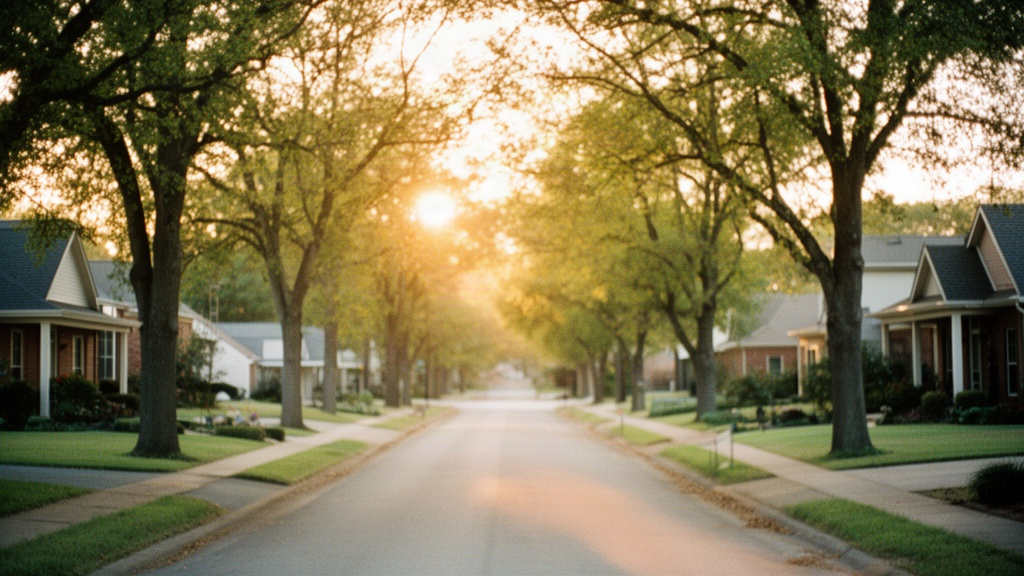
Midtown Anderson is its own micro-market. The area sits close to the core of the city, within a short drive of the Anderson Arts Center on South McDuffie Street, the AnMed Health Medical Center campus, and the shops and restaurants along North Main Street and Whitner Street. That central location shapes what buyers expect and what they will pay.
The Housing Stock and Price Landscape
Midtown Anderson's housing stock is largely made up of older construction, with many homes built between the 1940s and the 1980s. You will find brick ranch homes, craftsman-style cottages, and two-story traditional homes on established lots, often with mature trees and larger yards than newer subdivisions on the city's outskirts. Lot sizes tend to run from a quarter acre to half an acre on most blocks.
In September 2026, homes in the Midtown Anderson corridor are generally trading in a range from the low $150,000s for smaller, unrenovated properties to the upper $300,000s for larger, updated homes with renovated kitchens, new roofs, and modernized systems. The sweet spot for move-in-ready three-bedroom homes is roughly $200,000 to $270,000, depending on square footage, lot size, and finish level. Homes with original kitchens and bathrooms but solid bones are moving closer to $160,000 to $190,000.
How Midtown Compares to the Broader Anderson Market
Midtown Anderson properties tend to attract a different buyer profile than new construction subdivisions on Highway 81 North or the lake-adjacent communities near Lake Hartwell. Buyers drawn to Midtown are often prioritizing walkability to downtown, proximity to AnMed Health, or the character of an established neighborhood with sidewalks and canopy trees. That means your buyer pool may include people relocating for medical or professional positions, as well as buyers who specifically want an older home they can renovate over time.
For more context on how Midtown fits into the Anderson market as a whole, the Anderson, South Carolina Real Estate Market Guide covers pricing trends and timing across the full city and county.
2. Pricing Your Midtown Anderson Home Correctly From the Start
Pricing is the single biggest lever you control as a seller. In Midtown Anderson, where the price range is wide and buyers are comparing updated homes against unrenovated ones on the same block, landing on the right number from day one is critical. Overpriced homes sit, accumulate days on market, and typically sell for less than they would have at a well-researched initial price.
How a Comparative Market Analysis Works Here
A comparative market analysis, or CMA, pulls closed sales from the past three to six months within a defined radius of your home. In Midtown Anderson, a good CMA will separate homes by condition: fully updated, partially updated, and original condition. A renovated three-bedroom brick ranch on a half-acre lot near Whitner Street is not the same comparable as an original-condition home two blocks away, even if they share the same square footage.
Key factors that move price per square foot in Midtown Anderson include roof age, HVAC system age, kitchen and bathroom updates, whether the home has original windows or replacements, and whether the lot has alley access or a detached garage. A home with a roof replaced in 2022, a new HVAC, and an updated kitchen can reasonably command $15 to $30 per square foot more than a comparable home with original systems.
The Cost of Overpricing in a Shifting Market
Research from NAR on navigating listing price reductions shows that a price reduction signals to buyers that a home has been sitting, which raises questions about condition and seller motivation even when neither is an issue. In Anderson's market as of September 2026, homes that require a price cut typically sit for 20 to 35 days longer than correctly priced homes and often close below where an accurate initial price would have landed.
The practical implication for Midtown sellers is to resist the urge to test the market at a high price. Midtown Anderson buyers are often comparing your home to new construction on the city's edges, where they can get a builder warranty and modern finishes at similar or slightly higher price points. If your older home is priced as though it competes with those new builds without the updates to back it up, buyers will move on.
You can also check how long homes are sitting on the market in Anderson this month for current days-on-market data that will help you calibrate your expectations before you list.
3. The Full Timeline: From Prep to Closing in Midtown Anderson
From the day you decide to sell to the day you hand over keys, most Midtown Anderson transactions take between 60 and 100 days total. That window breaks into three distinct phases: pre-listing preparation, the active listing period, and the contract-to-close stretch. Each phase has its own tasks and its own risks if you rush or skip steps.
Pre-Listing Preparation: Two to Four Weeks
Most Midtown Anderson homes need two to four weeks of prep before they are ready to photograph and list. This phase covers decluttering, deep cleaning, addressing deferred maintenance, touch-up painting, and any targeted repairs your agent recommends. For older homes in this area, common pre-list repairs include fixing wood rot on exterior trim, servicing the HVAC, repairing or replacing dated light fixtures, and addressing any obvious moisture issues in crawl spaces.
Professional photography is not optional in this market. Midtown Anderson buyers are browsing listings on their phones, and the first showing happens online. Homes with professional photos and a virtual tour generate more in-person showings and tend to go under contract faster than homes with phone snapshots. Budget $200 to $400 for photography in this market.
Active Listing Phase: What to Expect Week by Week
A correctly priced, well-presented Midtown Anderson home typically draws the most activity in its first ten to fourteen days on the market. This is when buyer interest is highest and when you are most likely to receive multiple offers. If you are not seeing showings in the first week, that is a signal worth taking seriously: it usually means price, photos, or both need adjustment.
In September 2026, move-in-ready Midtown Anderson homes priced in the $200,000 to $260,000 range are going under contract in roughly 18 to 28 days on average. Homes priced above $280,000 or those needing significant updates are taking 35 to 55 days. Timing your list date matters too: homes that hit the MLS on a Thursday or Friday tend to capture weekend foot traffic from the first open house.
Under Contract Through Closing: Thirty to Forty-Five Days
Once you accept an offer, the contract-to-close period in Anderson typically runs 30 to 45 days for a conventional loan buyer and 30 to 35 days for a cash buyer. The main milestones during this stretch are the home inspection, the appraisal if the buyer is financing, and the title search. For Midtown Anderson homes, which are often older, the inspection period is where sellers are most likely to face renegotiation requests.
The appraisal is a separate step that typically happens in the second or third week after contract. If your home appraises below the agreed purchase price, you and the buyer will need to renegotiate the price, the buyer will need to make up the gap in cash, or the deal will fall apart. Pricing accurately from the start reduces appraisal risk considerably.
4. What Buyers Are Looking For in Midtown Anderson Right Now
Buyers shopping Midtown Anderson in September 2026 are weighing character and location against condition and price. Many are drawn to the area precisely because of the older architecture and the established feel of the streets near McCants Drive, Whitner Street, and the blocks surrounding Linley Park. But they are not willing to pay a premium for charm if the mechanicals are failing and the roof is at the end of its life.
Condition and Presentation at This Price Point
At the $200,000 to $270,000 price point that defines much of the Midtown Anderson market, buyers are using conventional or FHA financing and often have limited cash reserves after their down payment. That means they are less able to absorb a long list of repairs after closing, and they will factor deferred maintenance into their offer price. Sellers who invest in pre-list repairs see that investment returned in stronger offers and fewer post-inspection concessions.
Curb appeal carries extra weight on Midtown Anderson's tree-lined streets. Fresh paint on the front door, trimmed shrubs, a clean driveway, and visible gutters in good condition all contribute to a buyer's first impression before they even step inside. These are low-cost improvements that consistently move the needle in this market.
Inspection and Appraisal Realities
Older homes in Midtown Anderson frequently surface inspection findings related to crawl space moisture, aging electrical panels (particularly homes with Federal Pacific or Zinsco panels), galvanized plumbing, and wood rot on exterior trim or sills. None of these are deal-killers on their own, but they become negotiating points. Sellers who address the most significant items before listing have more control over the transaction.
For FHA-financed buyers, which are common in this price range, the appraiser also acts as a property condition reviewer. FHA appraisers will flag peeling paint on pre-1978 homes (a lead paint concern), missing handrails, broken windows, and exposed wiring. If your home was built before 1978, address peeling exterior paint before you list to avoid an FHA appraisal condition that delays your closing.
5. Costs Sellers Should Plan For in Anderson, South Carolina
Selling is not free, and Midtown Anderson sellers should plan for net proceeds that are meaningfully lower than the sale price. Understanding your costs before you list helps you price strategically and avoid surprises at the closing table.
Closing Costs and Concessions
In South Carolina, sellers typically pay real estate commission, their share of the attorney closing fee, prorated property taxes through the day of closing, any outstanding HOA dues or assessments, and deed preparation fees. Real estate commission in Anderson currently ranges from 5% to 6% of the sale price, split between the listing agent and the buyer's agent. On a $230,000 sale, that is $11,500 to $13,800 in commission alone.
Buyer concessions are also common in this market. In September 2026, many Midtown Anderson buyers are asking sellers to contribute 2% to 3% of the purchase price toward their closing costs, particularly FHA and VA buyers who have less cash available. On a $230,000 sale, a 2.5% concession is $5,750. Factor this into your net proceeds calculation before you settle on a list price.
For a detailed breakdown of what buyers pay at the closing table in Anderson, the article on closing costs when buying a home in Anderson, SC gives line-by-line estimates that help both sides understand the full picture.
Pre-Sale Repairs and Staging Investment
Pre-sale repair budgets for Midtown Anderson homes vary widely depending on the home's condition, but sellers should plan for a minimum of $1,000 to $3,000 in cosmetic and minor mechanical repairs for a home in average condition. Homes with older HVAC systems, roof issues, or crawl space moisture problems may need $5,000 to $15,000 in work to present competitively. Your agent can help you prioritize which repairs generate the best return versus which ones you can price around.
Staging, even light staging using your existing furniture with a few rented or borrowed pieces, makes a measurable difference in Midtown Anderson's older homes where room layouts can feel dated. Professional staging consultations in the Anderson market typically run $150 to $300 for a walkthrough with written recommendations. Full staging for a vacant home costs more but is worth considering if the home has been empty for a while.
Sellers who plan early and approach the process strategically consistently outperform those who list quickly without preparation. A piece from Inman on how strategic home sellers find success in a shifting market reinforces that the sellers who start preparing months before their target list date, rather than weeks, have more options and more leverage when it counts.
FAQ
What is the best time of year to list a home in the Midtown area of Anderson, South Carolina?
Spring, specifically March through May, historically produces the highest buyer activity and the strongest offers in Anderson's residential market. That said, Midtown Anderson sees consistent demand year-round because of its proximity to AnMed Health and downtown employers, which generate buyer activity in every season. Fall listings, particularly September and October, can also perform well because inventory tends to thin out and serious buyers who missed spring are still active. The worst window is typically late November through January, when buyer activity slows and homes tend to sit longer. If you have flexibility, targeting a late February or early March list date gives you the best combination of buyer demand and limited competing inventory.
How do I know if my Midtown Anderson home needs repairs before I list it?
The most reliable way to find out is to hire a licensed home inspector for a pre-listing inspection before you go on the market. In Anderson, a standard home inspection costs between $300 and $450 depending on the home's size, and it gives you a clear picture of what a buyer's inspector will find. For Midtown Anderson's older housing stock, the most common findings involve crawl space moisture, aging HVAC equipment, dated electrical panels, and wood rot on exterior trim. Knowing these issues in advance lets you decide which ones to fix, which ones to price around, and which ones to disclose proactively, which builds buyer trust and reduces the chance of a contract falling apart after inspection.
Can I sell my Midtown Anderson home without making any updates or repairs?
Yes, but your pricing needs to reflect the home's condition accurately. Buyers in the Midtown Anderson market will absolutely purchase unrenovated or original-condition homes, particularly investors, house flippers, and buyers who want to customize a home themselves. The key is that the price must account for the work the buyer will need to do. A home in original condition that is priced as though it were updated will sit on the market and likely sell for less than if it had been priced correctly from the start. If you choose to sell as-is, your agent can help you identify the right price range and target the buyer pool most likely to be interested in a project home in this location.