
← Back to Blog
Market Trends
What Is the Average Home Price in Kansas City Kansas Right Now in September 2026
By Maria Solis, LICENSED REAL ESTATE PROFESSIONAL & ADVISOR
The Brand KC · DRE# 00251872
September 3, 2026 · 11 min read
If you are trying to figure out what the average home price in Kansas City Kansas is right now in September 2026, the short answer is that the median sale price sits in the mid-to-upper $200,000s, with meaningful variation depending on neighborhood, home size, and condition. This article breaks down current pricing across Kansas City, KS, explains what is moving the numbers, and gives you the context you need to make a confident decision whether you are buying, selling, or relocating.
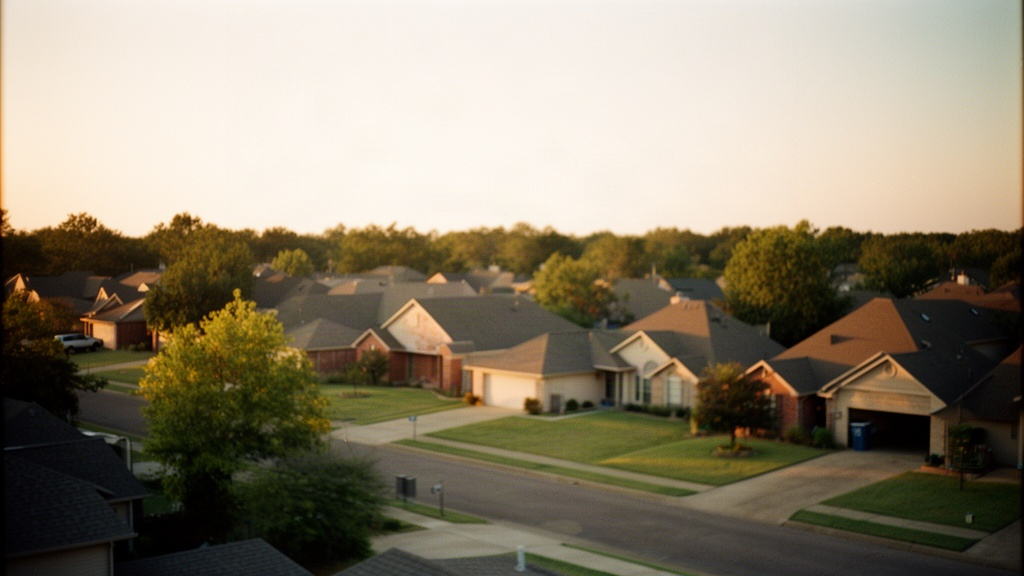
1. The Average Home Price in Kansas City Kansas Right Now
The median sale price for a home in Kansas City, Kansas is approximately $255,000 to $270,000 as of September 2026. That figure reflects closed sales across Wyandotte County, which is the county that contains Kansas City, KS. Prices have held relatively steady compared to the same period in 2025, though the market has softened slightly from the peak activity seen in early 2026. Sellers are still finding buyers, but the days of every listing receiving five offers in a weekend are largely behind us in this part of the metro.
Median vs. Average: What the Numbers Actually Mean
Median and average are not the same thing, and the distinction matters when you are making a financial decision. The median is the middle sale price when all closed transactions are sorted from lowest to highest. It is less affected by a handful of high-end or distressed sales. The average, by contrast, gets pulled upward by luxury closings and pulled downward by foreclosures. In Kansas City, KS, where the price range runs from under $100,000 for older bungalows needing work to over $500,000 for newer construction near the Piper corridor, the median gives you a more reliable read on what a typical buyer is actually paying.
When real estate professionals and economists quote home price data, they almost always use median. So when you see a figure like $260,000 cited for Kansas City, KS, that is the price at which half of homes sold for more and half sold for less. It is a useful benchmark, not a guarantee of what any specific property will cost.
How September 2026 Compares to a Year Ago
Prices in Kansas City, KS are up roughly 3 to 5 percent compared to September 2025. That is a more modest gain than the 8 to 12 percent annual appreciation the area saw in 2022 and 2023, but it reflects a market that is stabilizing rather than collapsing. Nationally, housing economists have noted that affordability constraints are cooling price growth in many markets, and Kansas City, KS is no exception. The difference here is that the baseline price is lower than most major metros, which means the market has more room to hold its ground even when buyer demand softens.
For context on the broader national picture, the National Association of Realtors' 2026 real estate outlook highlights that Midwest markets have generally fared better than coastal markets in terms of price stability, largely because affordability never reached the extreme levels seen on the coasts. Kansas City, KS fits squarely into that pattern.
2. Price Ranges Across Kansas City KS Neighborhoods
The average home price in Kansas City Kansas varies considerably depending on which part of the city you are looking in. Kansas City, KS spans a wide geographic area within Wyandotte County, and the housing stock ranges from early 20th-century brick bungalows near the urban core to newer subdivisions with two-car garages and open floor plans in the outer northwest sections. Understanding these differences helps buyers set realistic expectations and helps sellers price competitively.
Central and Near-Downtown Corridors
Homes closer to downtown Kansas City, KS and the Central Avenue corridor tend to fall in the $120,000 to $210,000 range. Most of this housing stock consists of two- and three-bedroom bungalows and craftsman-style homes built between the 1920s and 1950s. Lot sizes are typically modest, often 5,000 to 7,000 square feet, and many homes have detached garages or no garage at all. Buyers willing to take on cosmetic updates can find real value here, particularly within a few miles of downtown and the Argentine neighborhood, where access to I-70 and I-635 makes commuting into Kansas City, Missouri straightforward.
The Strawberry Hill neighborhood, perched on the bluffs above the Kansas River just north of downtown, features a mix of Victorian-era homes and smaller brick residences. Prices here can range from the low $100,000s for properties that need significant work up to the mid-$200,000s for renovated homes with river views. The neighborhood is within two miles of the Heart of America Bridge and offers quick access to both the KCK and KCMO sides of the metro.
Turner and Edwardsville Area
The Turner area, located in the southern portion of Kansas City, KS near K-32, offers a mix of post-war ranch homes and some newer construction. Prices here generally run from the mid-$180,000s to the low $300,000s, depending on lot size and updates. Edwardsville, which sits at the southwestern edge of Wyandotte County near the Leavenworth County line, tends to have slightly larger lots and a quieter, more suburban character. Homes in Edwardsville frequently list in the $220,000 to $320,000 range, with some newer builds pushing higher.
Proximity to the Kansas Speedway and the Village West retail and entertainment district is a notable feature of this western portion of KCK. The area around Village West, which includes Children's Mercy Park, the Hollywood Casino at Kansas Speedway, and a large concentration of national retailers and restaurants along Parallel Parkway, draws consistent buyer interest from people who want suburban space without a long drive to amenities.
Piper and Northwest KCK
The Piper area in the far northwest corner of Kansas City, KS consistently commands the highest prices in the city. Newer subdivisions here feature four-bedroom homes with two- and three-car garages, open-concept layouts, and larger lots often exceeding a quarter acre. Prices in this corridor typically range from the upper $280,000s to well over $450,000 for larger or more recently built homes. The area sits roughly 15 to 20 miles from downtown Kansas City, Missouri, with K-7 providing the primary north-south connection.
For a deeper look at how these neighborhoods fit into the broader Wyandotte County picture, the Wyandotte County Real Estate Market Guide on this site covers pricing context, housing stock details, and timing considerations across the county in more depth.
3. What Is Driving Home Prices in Kansas City Kansas
Several forces are shaping the average home price in Kansas City Kansas right now, and understanding them helps you interpret the numbers rather than just react to them. The interplay between inventory, mortgage rates, and regional economic conditions is different here than it is in Dallas or Phoenix, and that distinction matters for anyone making a decision in this market.
Inventory Levels and Listing Activity
Active inventory in Kansas City, KS has risen compared to 2025, giving buyers more options than they had during the tightest stretch of the market. More listings are sitting on the market longer, and price reductions have become more common. Reporting from HousingWire noted that Kansas City homebuyer activity has slowed and roughly 45% of listings have reduced prices, which signals that sellers who price aggressively at the outset are finding the market less forgiving than it was two years ago.
That said, well-priced homes in good condition are still moving. Properties that are updated, accurately priced, and marketed well are spending two to four weeks on the market rather than two to four days, which is a return to something closer to a normal pace rather than a sign of a distressed market. Buyers now have time to schedule inspections, compare options, and negotiate without the pressure of a same-day deadline.
Mortgage Rates and Buyer Purchasing Power
Mortgage rates remain one of the biggest variables affecting what buyers can afford in September 2026. Rates on a 30-year fixed mortgage have fluctuated between the mid-6s and low 7s through most of 2026. At those levels, a buyer putting 10 percent down on a $260,000 home in Kansas City, KS is looking at a principal and interest payment somewhere in the $1,500 to $1,650 range before taxes and insurance. That payment is meaningfully lower than what a comparable buyer would face in Denver, Austin, or Chicago, which is part of why the Kansas City, KS market has held up better than many predicted.
Rate sensitivity is real here. When rates ticked upward in the first quarter of 2026, buyer activity slowed noticeably. When they pulled back slightly in the spring, showings picked up. Buyers who are on the fence about timing should talk with a lender about rate lock options and factor in the full monthly cost rather than focusing only on the purchase price.
The Midwest Pricing Advantage
Kansas City, KS benefits from a structural pricing advantage relative to coastal metros, and that advantage is drawing relocating buyers from higher-cost cities. The median home price in Kansas City, KS is roughly one-third of what buyers pay in Seattle or Boston, and less than half the median in Denver. For remote workers or people transferring with employers who have a presence in the Kansas City metro, the math is compelling. That steady influx of relocating buyers has provided a floor under prices even as local buyer activity has softened.
4. What Buyers and Sellers Should Know About This Market
Knowing the average home price in Kansas City Kansas is a starting point, not a strategy. Whether you are buying or selling, the current conditions call for a specific approach rather than the tactics that worked in 2021 or 2022. Here is what the data points to for each side of the transaction.
For Buyers: Where the Value Is
Buyers in Kansas City, KS right now have leverage they did not have two years ago. With more listings available and sellers more willing to negotiate, there is genuine opportunity to negotiate on price, request seller-paid closing costs, or ask for repairs that would have been laughed off in 2022. The key is knowing which properties are priced fairly and which are still reflecting a seller's wishful thinking from a hotter market.
Homes in the $200,000 to $280,000 range are seeing the most consistent activity because that is where the largest pool of qualified buyers is shopping. Listings above $350,000 in Kansas City, KS are sitting longer on average, which means buyers in that price range have more room to negotiate. If you are relocating to Kansas City, KS from out of state, the Homes for Sale in Kansas City Buyer's Guide 2026 on this site is a practical resource for understanding the local process before you start touring properties.
Buyers should also pay attention to days on market as a negotiating signal. A home that has been listed for 45 days with no price reduction is often a seller who has not yet accepted that the market has shifted. That creates an opening for a well-structured offer below list price, particularly if the inspection reveals deferred maintenance.
For Sellers: Pricing Realistically Matters More Than Ever
Sellers in Kansas City, KS who price their homes accurately from day one are still closing at strong numbers. The problem is overpricing. A home that sits for 60 or 90 days accumulates what buyers and agents call market stigma: people assume something is wrong with it, even when the only issue is the price. Homes that require a price reduction after a long stretch on the market typically sell for less than they would have if they had been priced correctly at the start.
Condition still drives outcomes. Sellers who invest in fresh paint, updated fixtures, professional photos, and a clean, decluttered presentation are consistently outperforming comparable homes that are listed as-is. In a market where buyers have options, first impressions carry real financial weight. A $5,000 investment in preparation can easily translate to a $10,000 to $20,000 difference in final sale price at current Kansas City, KS price points.
For a broader look at how to time your sale and what to expect through the closing process, the Kansas City, Kansas Real Estate Market Guide covers seasonal patterns and strategic timing considerations in detail.
5. Key Price Data Points to Know in September 2026
Here is a quick reference for the numbers that matter most if you are buying or selling in Kansas City, KS right now. These figures are based on Wyandotte County closed sale data and reflect market conditions as of September 2026.
- Median sale price, Kansas City KS: Approximately $255,000 to $270,000 as of September 2026.
- Year-over-year price change: Up roughly 3 to 5 percent compared to September 2025.
- Entry-level price range: $100,000 to $180,000, primarily older bungalows and ranches near the urban core needing cosmetic or structural updates.
- Mid-range price band: $185,000 to $320,000, the most active segment, covering updated ranches, split-levels, and newer builds in Turner, Edwardsville, and central KCK.
- Upper price range: $325,000 to $475,000 and above, concentrated in the Piper corridor and newer northwest KCK subdivisions.
- Average days on market: Approximately 25 to 40 days for well-priced homes; overpriced listings are averaging 60 to 90 days before price reductions.
- List-to-sale price ratio: Accurately priced homes are closing at roughly 97 to 99 percent of list price; overpriced homes are closing at 91 to 94 percent after reductions.
- Price per square foot (citywide average): Approximately $130 to $155 per square foot, with newer construction in the northwest running higher.
These numbers give you a foundation, but they are averages across a diverse market. A three-bedroom brick bungalow in Strawberry Hill and a four-bedroom new build near Piper Road are both in Kansas City, KS, but they are not competing with each other. The relevant comparison is always within the same sub-market and property type.
FAQ
What is the average home price in Kansas City Kansas right now in September 2026?
The median sale price in Kansas City, Kansas is approximately $255,000 to $270,000 as of September 2026, based on closed sales across Wyandotte County. Prices have risen roughly 3 to 5 percent compared to September 2025, a more moderate pace than the sharp appreciation seen in 2022 and 2023. The range across the city is wide: entry-level homes near the urban core start below $150,000, while newer construction in the Piper corridor can exceed $450,000. The mid-range band between $185,000 and $320,000 represents the most active segment of the market. For the most current figures on a specific neighborhood or property type, a local market analysis from a Kansas City, KS agent is the most reliable tool.
Is now a good time to buy a home in Kansas City Kansas?
September 2026 offers buyers in Kansas City, KS more leverage than they have had in several years. Inventory is higher than it was in 2024 and 2025, more sellers are reducing prices, and homes are staying on the market long enough for buyers to conduct proper due diligence. Mortgage rates remain in the mid-to-upper 6 percent range, which affects purchasing power, but Kansas City, KS prices are low enough relative to most metros that monthly payments remain manageable for many buyers. Whether now is the right time for you personally depends on your financial situation, how long you plan to stay, and how your target price range is performing locally. A conversation with a local agent and a lender is the best way to evaluate your specific position.
How do home prices in Kansas City Kansas compare to Kansas City Missouri?
Kansas City, Kansas generally offers lower median home prices than many comparable zip codes in Kansas City, Missouri, particularly in the more established neighborhoods on the Missouri side like Brookside, Waldo, and the Northland. In Kansas City, KS, the median hovers around $255,000 to $270,000 as of September 2026, while certain Kansas City, MO neighborhoods carry medians well above $300,000 or even $400,000. The trade-off involves differences in property tax structures between Kansas and Missouri, commute patterns, and the specific amenities each area offers. Buyers comparing both sides of the state line should run the full cost-of-ownership numbers, including taxes and insurance, rather than comparing list prices alone.