
← Back to Blog
Buying
Buying a Home in the Turner Neighborhood of Kansas City, Kansas: Process, Costs and Timeline
By Maria Solis, LICENSED REAL ESTATE PROFESSIONAL & ADVISOR
The Brand KC · DRE# 00251872
September 3, 2026 · 11 min read
Buying a home in the Turner neighborhood of Kansas City, Kansas involves a distinct set of steps, costs, and timing considerations that differ from other parts of Wyandotte County. Turner sits along the southwestern edge of Kansas City, Kansas, bordered by State Avenue to the north and the Kansas River corridor to the east, with quick access to I-70 and K-7. This guide walks you through every stage of the purchase process, what you will actually spend, and how long it realistically takes from first search to closing day.
1. What Makes Turner a Distinct Market Inside Kansas City, Kansas
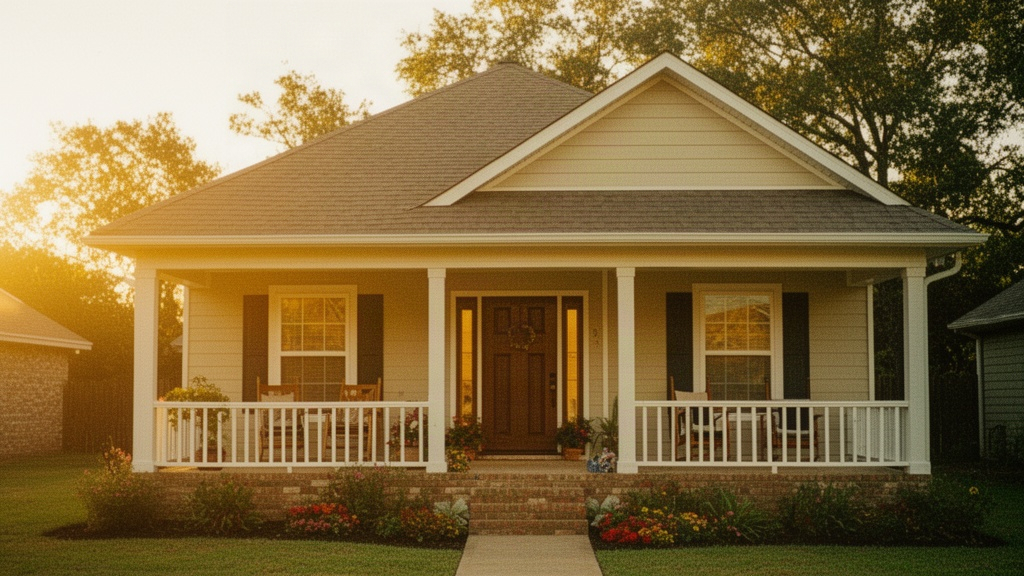
Turner is its own pocket of the Kansas City, Kansas housing market. It functions almost like a small town within the larger city, with its own commercial strip along Turner Diagonal and a residential grid that stretches south from State Avenue toward 55th Street. The neighborhood was built out primarily in the mid-twentieth century, which means the housing stock is dominated by single-family ranch homes, Cape Cods, and brick bungalows sitting on lots that typically run 6,000 to 8,500 square feet.
Housing Stock and Price Range
Homes in Turner generally range from the low $100,000s for smaller properties needing cosmetic work up to the mid-$200,000s for updated three-bedroom homes with newer roofs, HVAC systems, and finished basements. The median sale price for Turner homes in September 2026 sits in the $155,000 to $175,000 range, which positions the neighborhood well below the broader Kansas City, Kansas median. For context, the wider KCK market has seen sustained price pressure; you can read more about those citywide figures in the Kansas City, Kansas Real Estate Market Guide.
Most Turner homes were built between 1945 and 1975. That age range matters to buyers because it means you should budget for older mechanical systems, possible galvanized plumbing in the very oldest homes, and original single-pane windows that affect utility costs. The tradeoff is solid construction, generous lot sizes by urban standards, and detached garages on most properties.
Commute and Location Context
Turner's location along I-70 puts downtown Kansas City, Missouri roughly 20 to 25 minutes away under normal traffic conditions. The K-7 corridor to the south opens access to Lenexa, Olathe, and the broader Johnson County employment base in about 15 to 25 minutes depending on destination. The Turner Community Center on Turner Diagonal provides a local gathering point, and the neighborhood is within a short drive of Wyandotte County Lake Park, a 1,500-acre park with fishing, camping, and trails that is one of the larger green spaces in the Kansas City metro.
2. The Step-by-Step Process for Buying a Home in Turner
The process of buying a home in the Turner neighborhood of Kansas City, Kansas follows the same legal framework as any Kansas purchase, but the local details matter. Kansas is an attorney-optional state, meaning you are not required to hire a real estate attorney, though many buyers choose to. Title companies handle the bulk of closing work here. The steps below reflect how a typical Turner transaction actually moves from start to finish.
Step 1: Get Pre-Approved Before You Search
Pre-approval is not a formality in Turner; it is a prerequisite. Sellers in this price range often receive multiple offers within the first few days of listing, and an offer without a pre-approval letter rarely gets serious consideration. Work with a lender before you schedule a single showing. Your lender will pull your credit, verify income and assets, and issue a letter stating the loan amount you qualify for.
Kansas mortgage rates in September 2026 remain elevated compared to the historic lows of 2020 and 2021. You can check current Kansas rate benchmarks through Forbes Advisor's Kansas mortgage rate tracker, which updates regularly and breaks down conventional, FHA, and VA options side by side. FHA loans are common in Turner given the price range; the FHA loan limit for Wyandotte County in 2026 is $524,225, which covers virtually every home in the neighborhood.
Step 2: Define Your Turner Search Criteria
Turner's inventory is relatively tight. At any given point in September 2026, active listings in the neighborhood number in the low to mid-double digits. That means buyers who wait to get specific about what they want often find themselves scrambling once a good property appears. Before you start touring, lock in your non-negotiables: minimum bedroom count, whether you need a garage, basement finish preference, and your ceiling price.
Also consider the block-by-block differences within Turner. Streets closer to State Avenue tend to have slightly smaller lots and more commercial activity nearby. Blocks further south, toward 50th and 55th Street, are quieter and more residential in character. Your agent can walk you through these distinctions in person, which is worth doing before you fall in love with a listing online.
Step 3: Make an Offer and Negotiate
Kansas purchase contracts are governed by the Kansas Association of Realtors standard forms. Your offer will include the purchase price, earnest money amount, financing contingency, inspection contingency, and proposed closing date. In Turner, earnest money deposits typically run 1% of the purchase price, so roughly $1,500 to $2,000 on a median-priced home. That deposit goes toward your closing costs at settlement.
Seller concessions are more available in September 2026 than they were two years ago. With a meaningful share of listings across the Kansas City market sitting longer and reducing prices, buyers in Turner have more room to ask for concessions toward closing costs or repairs than they did during the peak seller's market of 2021 and 2022. Your offer strategy should reflect current conditions rather than outdated assumptions.
Step 4: Due Diligence, Inspection, and Appraisal
Do not skip the inspection on a Turner home. Given the age of the housing stock, a thorough general inspection plus a sewer scope is strongly advisable. Sewer lateral lines in mid-century homes can be original clay tile, which is prone to root intrusion and collapse. A sewer scope typically costs $150 to $250 and can reveal a problem that would cost $5,000 to $15,000 to repair after closing.
Your lender will order an independent appraisal once the contract is signed. The appraisal confirms that the home is worth at least the purchase price before the lender funds the loan. If the appraisal comes in below the agreed price, you have options: renegotiate the price, pay the difference in cash, or walk away if your contract includes an appraisal contingency. In Turner's price range, appraisal gaps are less common than in higher-priced submarkets, but they do happen.
Step 5: Clear to Close and Closing Day
"Clear to close" means your lender has completed underwriting and approved the loan. At that point, the title company schedules closing, prepares the Closing Disclosure, and coordinates the final walkthrough. You will receive your Closing Disclosure at least three business days before closing, showing every cost to the penny. Review it carefully and compare it to your Loan Estimate from early in the process.
On closing day, you sign the deed, loan documents, and transfer paperwork at the title company. You bring your down payment and closing costs via wire transfer or cashier's check. The title company records the deed with Wyandotte County, and you receive the keys. The whole signing appointment typically takes 60 to 90 minutes.
3. True Costs of Buying a Home in Turner, Kansas City, Kansas
Understanding the full cost picture before you make an offer prevents unpleasant surprises at the closing table. The purchase price is only one piece. Buyers in Turner need to account for upfront out-of-pocket costs during the transaction, plus the ongoing costs that begin the day they own the home. For a broader look at how these costs fit into the wider Wyandotte County market, the Wyandotte County Real Estate Market Guide provides useful context.
Upfront and Out-of-Pocket Costs
- Earnest money deposit: Typically 1% of purchase price, or roughly $1,500 to $2,000 on a $160,000 home. This is credited toward your costs at closing, not an added expense.
- Home inspection: General inspection runs $300 to $450 for a typical Turner home. Add $150 to $250 for a sewer scope, which is strongly advisable given the age of the housing stock.
- Appraisal fee: Lender-ordered appraisals in Wyandotte County typically run $500 to $650. This is paid upfront, usually within the first two weeks after going under contract.
- Down payment: FHA requires 3.5% down (about $5,600 on a $160,000 home). Conventional loans can go as low as 3% down for qualifying buyers, or 5% to 20% for those avoiding private mortgage insurance.
- Closing costs: Buyers in Kansas typically pay 2% to 4% of the loan amount in closing costs. On a $155,000 loan, that is roughly $3,100 to $6,200, covering lender fees, title insurance, recording fees, and prepaid items like homeowners insurance and property tax escrow.
- Moving costs: Local moves within the Kansas City metro typically run $800 to $2,000 depending on volume and whether you use full-service movers or a truck rental.
Ongoing Costs After Closing
- Property taxes: Wyandotte County's effective property tax rate runs approximately 1.5% to 1.9% of assessed value annually. On a home assessed at $160,000, expect $2,400 to $3,040 per year, paid through your escrow account if you have a mortgage.
- Homeowners insurance: Kansas sits in a hail and storm-prone corridor. Annual premiums for a Turner home typically run $1,200 to $1,800, though this varies by coverage level and the age of the roof.
- Utilities: Older Turner homes with original insulation and windows can run higher utility bills. Budget $150 to $250 per month for gas and electric combined, depending on the season and whether the home has been updated.
- Maintenance reserve: A standard rule of thumb is 1% of home value per year for maintenance. On a $160,000 Turner home, that is $1,600 annually set aside for routine upkeep and unexpected repairs.
4. Realistic Timeline: How Long Does It Take?
The full process of buying a home in the Turner neighborhood of Kansas City, Kansas typically takes 60 to 90 days from the start of your home search to keys in hand. That timeline compresses or expands depending on how quickly you find the right home and how smoothly the financing moves. Here is how the phases break down.
Pre-Approval Through Accepted Offer
- Pre-approval: 3 to 7 business days with a responsive lender who has all your documents. Gather two years of tax returns, recent pay stubs, two months of bank statements, and your ID before you start.
- Active home search: Highly variable. Some buyers find a Turner home in two weeks; others search for two to three months. With limited inventory, patience and flexibility on cosmetic preferences help.
- Offer to acceptance: Kansas contracts typically give sellers 24 to 72 hours to respond. Negotiations on price or terms add another one to three days in most cases.
Under Contract Through Closing
- Inspection period: Typically 10 to 14 days after contract acceptance. Inspection scheduling, the inspection itself, and any repair negotiation all happen within this window.
- Appraisal: Ordered by the lender shortly after inspection. In September 2026, appraisal turnaround in Wyandotte County is running 7 to 14 days from order to report delivery.
- Underwriting and clear to close: Once the appraisal is in, underwriting typically takes 5 to 15 business days. Respond to any lender document requests within 24 hours to keep this phase moving.
- Closing: Scheduled once you receive clear to close. Most Turner transactions close 30 to 45 days after the contract is signed, though 21-day closes are possible with conventional financing and a cooperative seller.
5. Current Market Conditions in Turner and What They Mean for Buyers
The Kansas City market in September 2026 is more balanced than it was two years ago, and that shift benefits buyers in Turner. Inventory has grown compared to the low-supply environment of 2022 and 2023, and days on market have stretched. Sellers who priced aggressively at the start of 2026 have increasingly had to reduce, which opens room for negotiation that simply did not exist during the peak years.
Inventory and Pricing Trends in September 2026
Across the Kansas City market, a significant portion of active listings have undergone at least one price reduction in 2026. Reporting from HousingWire on Kansas City homebuyer activity and listing price reductions documents this trend in detail. Turner is not immune to this dynamic; homes that are priced at the top of their condition range are sitting longer than they did in prior years.
That said, well-priced, move-in-ready Turner homes in the $140,000 to $170,000 range still move quickly. The entry-level price point continues to attract strong buyer demand because it is accessible to first-time buyers using FHA or Kansas Housing Resources Corporation down payment assistance programs. If you are looking at a home that has been sitting for 30 or more days, that is often a signal that the price has room to move.
Negotiating Power in the Current Market
Buyers in Turner currently have more leverage than the recent past, but it is not a buyer's market in the classic sense. Motivated sellers are more willing to cover a portion of closing costs, accept inspection repair requests, or negotiate on price. However, multiple-offer situations still occur on the most desirable, well-maintained properties. The key is reading each listing individually rather than applying a blanket strategy.
If you are also considering other parts of Kansas City, Kansas, the Homes for Sale in Kansas City Buyer's Guide 2026 covers the broader market and gives you a useful baseline for comparing what your budget buys in different parts of the city.
FAQ
What down payment assistance programs are available for buying a home in Turner, Kansas City, Kansas?
Kansas Housing Resources Corporation (KHRC) offers the First Time Homebuyer Program, which provides down payment and closing cost assistance as a forgivable loan for income-qualifying buyers. The program is available statewide, including Wyandotte County, and works alongside FHA, conventional, and USDA financing. Wyandotte County also occasionally runs local homeownership programs through its community development office, so it is worth checking directly with the county. Income limits and purchase price caps apply, and your lender or a HUD-approved housing counselor can walk you through eligibility. Given Turner's price range, many buyers find they qualify for multiple layers of assistance.
How competitive is the Turner housing market for buyers in September 2026?
Turner sits at a more balanced point in September 2026 than it did during the peak years of 2021 and 2022, but it is not uniformly slow. Homes priced accurately for their condition and location still attract multiple offers within the first week on market. Properties that have been sitting for three weeks or more often have room for price negotiation or seller concessions on closing costs. The best strategy is to monitor new listings closely and be ready to move quickly on well-priced homes while taking a more measured approach with listings that have accumulated days on market.
What should buyers watch for when inspecting older Turner homes?
Turner's housing stock is primarily mid-twentieth century construction, which means buyers should pay close attention to a few specific areas. Sewer lateral lines in homes built before 1970 may be original clay tile, which is vulnerable to root intrusion and collapse; a sewer scope is a worthwhile add-on to any general inspection. Electrical panels in older homes may be undersized or contain outdated wiring types that some insurers flag. Roof age is critical given Kansas hail exposure, and original single-pane windows significantly affect heating and cooling costs. A thorough general inspector familiar with Wyandotte County housing stock will know exactly where to look.