
← Back to Blog
Neighborhoods
What Is It Actually Like to Live in the Strawberry Hill Neighborhood in Kansas City Kansas
By Maria Solis, LICENSED REAL ESTATE PROFESSIONAL & ADVISOR
The Brand KC · DRE# 00251872
September 3, 2026 · 10 min read
People ask what it is actually like to live in the Strawberry Hill neighborhood in Kansas City, Kansas, and the honest answer is that it is one of the most distinctive residential areas in all of Wyandotte County. Perched on a bluff above the Missouri River, Strawberry Hill packs historic architecture, walkable streets, and a deep cultural identity into roughly one square mile. This guide covers the housing stock, price ranges, daily life, commute times, and everything else you need to know before making a move.
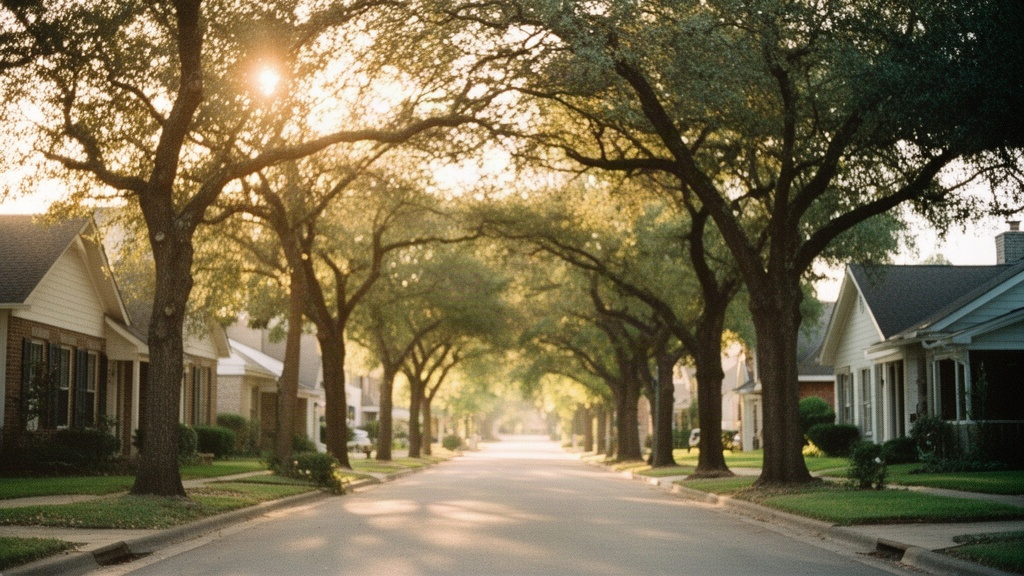
1. The History and Character of Strawberry Hill
Strawberry Hill is one of the most historically layered neighborhoods in Kansas City, Kansas. It sits on a limestone bluff on the northeast edge of KCK, overlooking the confluence of the Kansas and Missouri Rivers. The elevated position gives the neighborhood a distinct physical presence: streets that rise and fall sharply, panoramic river views from certain vantage points, and a sense of separation from the flat industrial corridors below.
Where the Neighborhood Sits
The neighborhood is bounded roughly by Minnesota Avenue to the south, the Missouri River bluff to the north, 7th Street to the east, and the Argentine neighborhood line to the west. It covers approximately 0.8 square miles. That compact footprint means most errands, restaurants, and gathering spots are within a short walk of one another, which is unusual for Kansas City, Kansas as a whole.
The neighborhood is listed on the National Register of Historic Places as a historic district, which reflects the density and integrity of its 19th and early 20th century architecture. That designation also shapes what property owners can and cannot do when renovating, so buyers should understand local guidelines before purchasing.
The Cultural Roots That Shaped It
Strawberry Hill was settled heavily by Croatian, Slovenian, and other Central European immigrants beginning in the late 1800s. Many came to work in the nearby meatpacking and railroad industries. Their influence is still visible today: the St. John the Baptist Croatian Catholic Church on Ann Avenue is one of the neighborhood's most recognizable landmarks, and the Strawberry Hill Museum and Cultural Center on N. 4th Street preserves the history of those immigrant communities.
That layered history gives Strawberry Hill a character that newer suburban developments simply cannot replicate. Walking the streets, you pass century-old churches, corner stores converted into residences, and brick-paved alleys that have been there longer than most of the surrounding city. For a thorough overview of what makes the area tick day to day, the local guide published by Visit Kansas City KS is worth reading before you visit in person.
2. Housing Stock, Architecture, and Home Prices
The housing in Strawberry Hill is almost entirely pre-World War II, and that is a large part of the neighborhood's appeal. You will find Victorian-era cottages, two-story Craftsman bungalows, brick foursquares, and narrow worker's cottages on lots that run 25 to 40 feet wide. Many homes share party walls or sit within a few feet of their neighbors, which is a defining feature of the neighborhood's dense, urban grid.
What the Homes Look Like
Original woodwork, transomed doorways, covered front porches, and steeply pitched rooflines are common throughout the neighborhood. Some homes retain their original hardwood floors and built-in cabinetry. Others have been fully renovated, with updated kitchens and bathrooms tucked inside exteriors that look unchanged from 1910. Buyers should expect to encounter a wide range of renovation levels, from move-in ready to full gut rehabs, often on the same block.
Lot sizes are modest by suburban standards. Rear yards tend to be small, and off-street parking is limited. Most residents park on the street, which is typical for neighborhoods of this era and density. A few properties have detached garages accessible from the alley.
What Homes Cost Right Now
As of September 2026, home prices in Strawberry Hill generally range from the low $100,000s for smaller cottages needing significant work up to the mid $300,000s for fully renovated, larger homes with updated systems and period details intact. The median sale price for the neighborhood has been tracking in the $175,000 to $220,000 range, which sits below the broader Kansas City, Kansas median but reflects both the age of the housing stock and the premium buyers place on historic character.
Renovated homes with river views or on the most walkable blocks command the highest prices. Homes that need mechanical updates, roof work, or foundation repairs sell at a significant discount. Buyers who are comfortable with older construction and willing to budget for deferred maintenance will find more options here than in newer parts of Wyandotte County. For broader context on pricing across KCK, see the Kansas City, Kansas Real Estate Market Guide.
Rental properties are also common in Strawberry Hill. A number of the two-story homes have been converted into upper-lower duplexes, and some buyers purchase with the intent to owner-occupy one unit and rent the other. If that is your plan, confirm zoning and occupancy classifications with the Unified Government of Wyandotte County before making an offer.
3. Daily Life: Walkability, Food, and Local Amenities
Living in the Strawberry Hill neighborhood in Kansas City, Kansas means daily life looks different from most of Wyandotte County. The neighborhood's compact grid, sidewalked streets, and concentration of locally owned businesses make it one of the more walkable pockets in the entire city. You can walk to a restaurant, a coffee spot, or a corner market without getting in your car, which is a genuine distinction in a metro area built largely around driving.
Getting Around on Foot
The main commercial corridor runs along N. 5th Street and the surrounding blocks. Sidewalks are present throughout most of the neighborhood, though the steep terrain means some blocks involve a noticeable climb. The bluff itself offers informal walking routes with views of the river bottoms below. Residents who walk or bike regularly tend to appreciate the topography once they adjust to it.
KCK Metro bus service connects Strawberry Hill to Minnesota Avenue and downtown Kansas City, Kansas via several routes. For trips into Kansas City, Missouri, the neighborhood's proximity to I-70 and the Heart of America Bridge makes driving the most practical option for most residents.
Places to Eat and Gather
Strawberry Hill has a small but genuine local food and drink scene. Chez Elle Creperie on N. 5th Street is one of the neighborhood's most recognized spots, drawing visitors from across the metro for its French-style crepes in a historic storefront. Grinders West, a longstanding neighborhood bar and restaurant, has been a gathering point for residents for years.
The neighborhood also hosts community events tied to its Croatian heritage, including annual festivals that draw attendees from outside the immediate area. The Strawberry Hill Museum and Cultural Center holds rotating exhibits and programming throughout the year. These are not tourist attractions in the commercial sense; they are neighborhood institutions that have been part of the community fabric for generations.
For a broader look at what residents and visitors experience in the neighborhood, the KC Today neighborhood guide covers local spots and seasonal events in useful detail.
Green space in the neighborhood itself is limited, as is typical for urban districts of this density and era. Kaw Point Park, located at the confluence of the Kansas and Missouri Rivers just north of the bluff, offers open space, river access, and historical significance as the site where Lewis and Clark camped in 1804. It is a short drive or a longer walk from most Strawberry Hill addresses.
4. Commuting From Strawberry Hill
Strawberry Hill's location gives it commute times that are competitive with most of the Kansas City metro. The neighborhood sits approximately 3 miles from the heart of downtown Kansas City, Missouri, and about 2 miles from downtown Kansas City, Kansas. That proximity is one of the practical arguments for living here, particularly for anyone who works in either downtown core.
Distance to Downtown Kansas City Missouri
Driving from Strawberry Hill to the Power and Light District in downtown Kansas City, Missouri takes roughly 10 to 15 minutes in normal traffic via I-70 east. The route is straightforward: down the bluff to the interstate, across the bridge, and into downtown. During peak morning hours, that window can stretch to 20 to 25 minutes, but it remains one of the shorter commutes available from any Kansas City, Kansas address.
The Sprint Campus in Overland Park, Kansas, which draws a significant number of metro commuters, is approximately 20 to 25 miles south of Strawberry Hill via I-35. That drive runs 30 to 45 minutes depending on time of day. The Kansas Speedway and Village West retail district in western Wyandotte County are about 10 miles away, a 15 to 20 minute drive.
Access to the Broader Metro
I-70 runs directly adjacent to the neighborhood's northern edge, giving residents quick on-ramp access heading both east into Missouri and west toward the rest of Kansas. US-69 and I-635 are also reachable within a few minutes, which opens up routes to the southern Johnson County suburbs without requiring a long surface-street drive first.
Kansas City International Airport is approximately 25 miles north of Strawberry Hill, a drive of 30 to 40 minutes via I-29 north. That is a longer trip than residents of the Northland experience, but comparable to commute times from most of the urban core on either side of the state line.
5. What Buyers and Sellers Should Know About the Market
The Strawberry Hill real estate market behaves differently from the broader Wyandotte County market, and understanding those differences matters before you make an offer or list a home. Inventory here is constrained by the neighborhood's physical boundaries. There are only so many homes, the land is fully built out, and new construction is essentially nonexistent. That means when a well-maintained property comes to market, it tends to attract attention quickly.
Inventory and Demand
As of September 2026, active listings in Strawberry Hill at any given time typically number in the single digits to low teens. Turnover is modest: many owners hold their properties for years, and investor-owned rentals further reduce the pool of homes that cycle through the market. Buyers should expect to move decisively when a property fits their criteria, because waiting often means losing the home to another buyer.
Sellers in Strawberry Hill benefit from the neighborhood's name recognition within the metro. People actively seek out this area, which means well-priced, well-presented homes do not typically sit long. Pricing correctly for the condition of the home is critical: buyers here are often informed and have seen enough of the neighborhood's housing stock to know when a price does not match the condition.
If you are comparing Strawberry Hill to other KCK neighborhoods before deciding where to buy, the Wyandotte County Real Estate Market Guide gives a broader picture of how prices and inventory compare across the county.
Working With a Local Expert
Historic homes require a different kind of due diligence than newer construction. Buyers should budget for a thorough inspection that includes knob-and-tube wiring checks, foundation assessment given the bluff terrain, and a review of any work done without permits on older properties. An agent who knows Strawberry Hill specifically can flag these issues before you are under contract rather than after.
Maria Solis of The Brand KC works with buyers and sellers throughout Kansas City, Kansas, including in Strawberry Hill. She understands the particular considerations that come with historic housing stock, the local permitting landscape through the Unified Government, and the pricing patterns that are specific to this neighborhood. If you are trying to figure out what it is actually like to live in the Strawberry Hill neighborhood in Kansas City, Kansas, and whether a particular home is priced and positioned correctly, that local knowledge makes a real difference.
Buyers who are newer to KCK and want a broader orientation before focusing on Strawberry Hill may also find the Homes for Sale in Kansas City: Buyer's Guide 2026 a useful starting point.
FAQ
Is Strawberry Hill in Kansas City, Kansas walkable compared to the rest of KCK?
Yes, Strawberry Hill is notably more walkable than most of Kansas City, Kansas. The neighborhood's compact grid, continuous sidewalks, and concentration of locally owned restaurants and businesses along N. 5th Street mean residents can handle a number of daily errands without a car. That said, the steep bluff terrain means some blocks involve a significant incline, and larger grocery stores or big-box retailers require a short drive. For most of Wyandotte County, which is built around automobile travel, Strawberry Hill's pedestrian environment is an outlier.
What should I know about buying a historic home in Strawberry Hill?
Homes in Strawberry Hill are almost entirely pre-World War II construction, and many fall within the neighborhood's National Register Historic District boundaries. That designation can affect what exterior changes are permissible and may influence financing options, particularly for renovation loans. Buyers should hire an inspector with experience in older homes and specifically request checks on electrical systems, plumbing, foundation integrity given the bluff terrain, and roof condition. Deferred maintenance is common in this price range, so building a realistic repair budget into your offer strategy is important. An agent familiar with the neighborhood can help you interpret inspection findings in the context of what is typical for Strawberry Hill homes.
How do home prices in Strawberry Hill compare to the rest of Kansas City, Kansas?
As of September 2026, Strawberry Hill home prices generally run below the broader Kansas City, Kansas median for move-in ready homes, but renovated properties with intact historic details and river views can reach the mid $300,000s. The wide price range within the neighborhood, from the low $100,000s to the mid $300,000s, reflects the significant variation in renovation level and condition from one home to the next. The neighborhood's constrained inventory means well-priced, well-maintained homes tend to sell relatively quickly. Buyers looking for the most current pricing data should work with a local agent who tracks active and recent sales in this specific area.