
← Back to Blog
Market Trends
Bellevue, Washington Has the Most Experienced Real Estate Market Guide: Prices, Neighborhoods and Timing
By Marianna Caba
Coldwell Banker Bain
September 12, 2026 · 12 min read
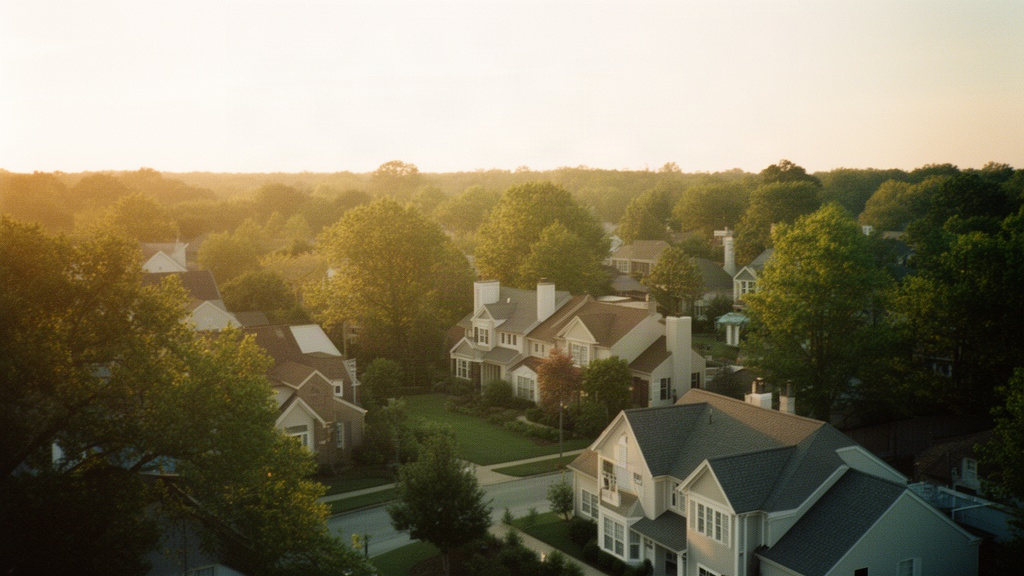
Bellevue, Washington has one of the most experienced real estate markets on the West Coast, with median home prices well above the national average, a housing stock that ranges from 1960s ramblers to newly delivered high-rise condominiums, and a pace of sales that rewards preparation. This guide covers current prices as of September 2026, a breakdown of what you actually find in each part of the city, and the timing patterns that matter most whether you are buying, selling, or relocating to the Eastside.
1. What Bellevue's Real Estate Market Looks Like Right Now
Bellevue's housing market is one of the most closely watched on the West Coast. As of September 2026, the median sale price for a single-family home in Bellevue sits in the range of $1.85 million to $2.1 million depending on the neighborhood, with condominiums ranging from roughly $650,000 for a one-bedroom in the Bel-Red corridor to $2.5 million or more for a penthouse unit in downtown. Those numbers reflect a market that has absorbed significant new supply from the development pipeline while still seeing strong demand tied to Eastside employment.
For a deeper look at the specific median figures broken down by property type, the average home price in Bellevue, Washington right now in September 2026 article on this site covers the data in full detail. The short version: Bellevue is not a market where you can afford to be unprepared, whether you are writing an offer or setting a list price.
Current Price Benchmarks
Price per square foot tells a clearer story than median sale price alone in a city with such varied housing stock. In September 2026, detached single-family homes in Bellevue are trading at roughly $700 to $950 per square foot in most established neighborhoods, with West Bellevue parcels on larger lots regularly exceeding $1,100 per square foot. Attached townhomes and newer condominiums near the Spring District light rail station are landing closer to $650 to $800 per square foot, reflecting the newer construction and the transit premium that has built into those addresses since East Link service expanded.
Days on market in Bellevue currently averages around 18 to 26 days for well-priced single-family homes, though properties that come to market overpriced by even five percent are sitting 45 to 60 days before sellers adjust. The gap between correctly priced and incorrectly priced homes has widened in 2026 as buyers have become more disciplined with data. According to Norada Real Estate's Bellevue housing market forecast, Bellevue has maintained its position as one of the most liquid high-priced markets in the country, with absorption rates that most comparably priced cities cannot match.
How Supply and Demand Are Balanced Today
Inventory in Bellevue as of September 2026 sits at roughly 1.8 to 2.4 months of supply for single-family homes, which places the market in seller-favored territory. Balanced market conditions typically require four to six months of supply, so buyers are still competing for the best listings. The condominium segment is slightly more balanced, with two to three months of supply downtown, partly because the new-construction pipeline delivered several hundred units over the past 18 months.
Multiple-offer situations remain common on single-family homes priced below $1.7 million, which represents the most competitive segment of the market. Homes priced above $3 million move more slowly and tend to attract a smaller pool of buyers who are less urgency-driven, giving sellers in that range a longer runway but also less pricing leverage than they had in 2022 and 2023.
2. A Practical Neighborhood Breakdown by Price and Housing Type
Bellevue is not a single market. It is a collection of distinct neighborhoods, each with its own housing stock, lot sizes, price floors, and commute characteristics. Understanding which part of the city you are shopping in, or selling from, changes the strategy entirely. For a full narrative description of each area, the Bellevue neighborhoods guide on this site covers the character of each district in detail. What follows here is the market-focused lens: what you pay, what you get, and what the sales data shows.
Downtown Bellevue and the Bel-Red Corridor
Downtown Bellevue is the densest part of the city, anchored by Lincoln Square, Bellevue Square, and the new tower inventory that has been delivered along NE 8th Street and 106th Avenue NE over the past several years. Condominiums here range from around $700,000 for a compact one-bedroom to over $3 million for a large unit with Lake Washington or Cascade views. The Bel-Red corridor, which runs east from downtown toward Redmond along the light rail alignment, has seen the most new construction activity in the city, with townhomes and mid-rise condos priced from the mid-$600,000s to around $1.4 million for a three-bedroom townhome with a rooftop deck.
The Spring District, located within the Bel-Red area, has matured into a walkable mixed-use neighborhood with direct light rail access to Seattle's South Lake Union in under 30 minutes. That commute profile has driven sustained demand for attached housing in this corridor even as prices have risen. For buyers who want to understand exactly what that commute looks like day to day, the Bellevue to Seattle light rail commute guide breaks down station-by-station travel times and practical details.
West Bellevue and Medina-Adjacent Pockets
West Bellevue sits between downtown and Lake Washington and contains some of the highest-priced residential land in Washington State. Neighborhoods like Beaux Arts, Enatai, and the streets immediately north of Meydenbauer Bay are characterized by large lots, mature tree canopy, mid-century architecture alongside newer custom builds, and direct proximity to the waterfront. Single-family homes here routinely trade between $2.5 million and $6 million, with waterfront parcels exceeding those figures. The housing stock is a mix of 1950s and 1960s originals, many of which have been substantially renovated, and purpose-built luxury construction from the past decade.
Lot sizes in West Bellevue typically run from 7,000 square feet on the smaller end to over 20,000 square feet for the estate parcels near the water. Buyers considering this area should also understand the property tax picture, which is meaningful at these price points. The article on property taxes on a $2 million home in Bellevue walks through the King County levy structure and what owners at various price points should budget annually.
Eastgate, Somerset, and the Cougar Mountain Foothills
The southeastern quadrant of Bellevue, including Eastgate, Somerset, and the neighborhoods that climb toward Cougar Mountain Regional Wildland Park, offers a different profile than the westside. Homes here tend to sit on larger lots with more topography, and the housing stock skews toward 1970s and 1980s construction, though the area has seen significant renovation activity over the past decade. Somerset in particular sits on a ridge with views of the Cascades and Lake Sammamish, and homes there have traded between $1.4 million and $2.8 million in 2026 depending on lot size, view exposure, and update level.
Eastgate is more accessible by price, with single-family homes ranging from roughly $1.1 million to $1.7 million, and it offers direct freeway access to I-90 for commuters heading east toward Issaquah or west toward Seattle. The Cougar Mountain trailhead is within a short drive of most addresses in this zone, which means residents have access to over 3,000 acres of forested trails without leaving Bellevue city limits.
Crossroads, Northgate, and the Northeast Quadrant
The northeast section of Bellevue, anchored by the Crossroads neighborhood and the commercial activity along NE 8th Street east of 148th Avenue NE, represents the most accessible price point within Bellevue city limits. Single-family homes in Crossroads and the surrounding streets have traded in the $900,000 to $1.4 million range in 2026, and the area has a significant supply of attached townhomes and older condominium complexes priced from the mid-$400,000s. Crossroads Mall serves as a community hub, with a year-round farmers market, a public basketball court, and a diverse mix of restaurants that reflects the international character of this part of the city.
The northeast quadrant also borders Redmond, which means buyers in this area are often weighing Bellevue addresses against Redmond options at similar price points. The proximity to the Microsoft campus on the Redmond side and to Amazon and Google offices in the Bel-Red and Spring District area on the Bellevue side makes this a practical location for dual-income households with Eastside employment.
3. Timing the Bellevue Market: When to Buy and When to Sell
Bellevue has clear seasonal rhythms, and understanding them gives both buyers and sellers a measurable advantage. The patterns here are shaped not just by weather and school calendars, as in most markets, but also by the hiring and compensation cycles of the large technology employers on the Eastside.
Seasonal Patterns Specific to Bellevue
The strongest listing activity in Bellevue runs from late February through June, with April and May historically producing the highest number of offers per listing and the tightest days-on-market figures. Sellers who list in this window benefit from the largest pool of active buyers. Buyers who wait until this window to start their search often find themselves in competitive situations with less time to be deliberate.
September, the current month, sits in what local agents call the second-wave period. Inventory is lower than the spring peak, but serious sellers who did not transact in spring are still active, and the buyer pool has thinned enough that well-prepared buyers sometimes encounter less competition than they would have in April. October and November see further slowdown, and December is historically the softest month for new listings in Bellevue, though motivated sellers in that window often price more aggressively to close before year-end.
How Tech Hiring Cycles Affect Inventory
Bellevue's housing demand is unusually sensitive to technology sector hiring, which creates timing dynamics you will not find in most other cities. When major employers on the Eastside, including Microsoft in Redmond, Amazon in Bellevue and South Lake Union, and Google in Kirkland, announce large hiring cohorts or return-to-office mandates, demand for housing within a 15-minute commute of those campuses spikes within 60 to 90 days. Buyers who can anticipate those windows, or who are already pre-approved and actively searching, have a meaningful edge.
Conversely, when hiring pauses or layoff cycles hit the sector, inventory tends to rise modestly as some owners relocate for opportunities elsewhere. These windows, which occurred in late 2022 and again in early 2024, created brief periods of better negotiating leverage for buyers. The market absorbed those corrections quickly, but they illustrate why watching Eastside employment news is a legitimate part of timing a Bellevue purchase.
4. What Buyers Need to Know Before Making an Offer
Buying in Bellevue requires more preparation than most markets because the pace is fast and the financial stakes are high. A buyer who arrives with a pre-approval letter, a clear understanding of their target neighborhoods, and a realistic view of current prices will be far better positioned than one who is still figuring out those basics when a good listing appears.
Financing in a High-Price Market
Most single-family home purchases in Bellevue exceed the conforming loan limit, which means buyers are working with jumbo loan products rather than conventional Fannie Mae or Freddie Mac financing. Jumbo loans have their own underwriting standards, typically requiring stronger reserves, a lower debt-to-income ratio, and sometimes a larger down payment than conforming loans. Buyers should get jumbo pre-approval from a lender who actively works in the Eastside market before they start touring homes, not after they find one they want to buy.
All-cash offers are more common in Bellevue than in most markets, particularly for homes priced above $2.5 million. Buyers who are financing should be prepared to compete against cash offers and should work with their agent on offer structure, including escalation clauses, shortened inspection periods, and appraisal gap coverage, to make their financed offers as competitive as possible.
Due Diligence Priorities for Bellevue Properties
Bellevue's topography creates specific inspection priorities that buyers should not skip. Homes in Somerset, Eastgate, and the hillside neighborhoods above I-90 sit on slopes that can have drainage issues, retaining wall concerns, or soil movement history. A standard general inspection is not sufficient for these properties; buyers should budget for a geotechnical review if the home sits on a significant grade or if there are signs of past water intrusion.
For condominiums, the homeowners association financial health is as important as the physical condition of the unit. Bellevue has several older condominium complexes, particularly in the Crossroads and Lake Hills areas, where deferred maintenance and underfunded reserves have led to special assessments. Reviewing the HOA reserve study, meeting minutes from the past two years, and the current operating budget before waiving contingencies is essential.
5. What Sellers Need to Know to Price and Position Correctly
Sellers in Bellevue are dealing with a buyer pool that is unusually data-literate. Many buyers in this market work in technology, finance, or consulting and will run their own comparable sales analysis before writing an offer. Overpricing a home in Bellevue does not produce a higher sale price; it produces longer days on market, price reductions, and a final sale price that is often lower than what a correctly priced home would have achieved.
Pricing Strategy in a Data-Literate Buyer Pool
The most effective pricing strategy in Bellevue right now is to price at or just below the market's demonstrated clearing price for comparable homes, then let buyer competition drive the outcome. Homes priced this way in the $1.3 million to $2 million range are consistently receiving two to five offers within the first week of listing in September 2026. The final sale price on a well-priced home in this range is running roughly two to five percent above list, while overpriced homes that sit and reduce are closing at one to three percent below their original list price.
Sellers should also understand that Bellevue buyers are comparing their home not just to other Bellevue listings but to comparable properties in Kirkland, Redmond, and Mercer Island. A home priced at a significant premium to what a buyer could get in Kirkland for the same square footage and lot size will face resistance unless the Bellevue address offers a clear and demonstrable advantage in terms of commute, amenities, or condition.
Preparation Steps That Move the Needle
Pre-listing preparation in Bellevue follows a clear pattern among homes that sell quickly and at strong prices. Professional staging, high-quality photography, and a pre-inspection report made available to buyers upfront all reduce friction and buyer hesitation. Sellers who provide a clean pre-inspection report give buyers the confidence to waive or shorten their inspection contingency, which is one of the most meaningful ways to make an offer more attractive to a seller in a competitive situation.
Cosmetic updates with the highest return in Bellevue's market continue to be kitchen and primary bathroom refreshes, exterior paint, and landscaping. Full kitchen renovations rarely return dollar-for-dollar in a market where buyers often plan to customize anyway, but a dated kitchen with new appliances, fresh cabinet hardware, and clean countertops will photograph better and attract more showings than one that looks tired. Sellers considering larger renovation projects should consult with an agent before spending, because the right update in the wrong neighborhood can add cost without adding value.
FAQ
What is the current median home price in Bellevue, Washington as of September 2026?
As of September 2026, the median sale price for a single-family home in Bellevue ranges from approximately $1.85 million to $2.1 million depending on the specific neighborhood and lot characteristics. Condominiums range from around $650,000 for a one-bedroom unit in the Bel-Red corridor to over $2.5 million for larger units in downtown high-rises. Price per square foot for detached homes is running $700 to $950 in most neighborhoods, with West Bellevue parcels regularly exceeding $1,100 per square foot. These figures reflect a market with limited single-family inventory and sustained demand tied to Eastside technology employment. For the most current data broken down by property type, the average home price article on this site provides detailed figures.
Is it a buyer's market or seller's market in Bellevue right now?
Bellevue is currently in seller-favored territory as of September 2026, with single-family home inventory sitting at roughly 1.8 to 2.4 months of supply. A balanced market requires four to six months of supply, so buyers are still competing for well-priced listings, particularly in the $900,000 to $1.7 million range where multiple-offer situations remain common. The condominium segment is slightly more balanced, with two to three months of supply downtown due to recent new-construction deliveries. Buyers who are pre-approved, flexible on closing timelines, and working with an experienced local agent are best positioned to compete. Sellers who price correctly are still seeing strong outcomes, while overpriced listings are sitting much longer than the market average.
What are the best months to list a home for sale in Bellevue, Washington?
The strongest listing window in Bellevue historically runs from late February through June, with April and May producing the highest offer counts and tightest days-on-market figures. Sellers who list during this period benefit from the largest pool of active buyers and the most favorable seasonal conditions for photography and showings. September, the current month, represents a second-wave period with lower inventory but still-active serious buyers, which can work in a seller's favor if the home is priced correctly. October and November see further slowing, and December is the softest month for new listings, though motivated sellers in that window often attract buyers who are equally motivated to close before year-end. The right timing also depends on the specific neighborhood and price point, which is worth discussing with a local agent before setting a list date.