← Back to Blog
Market Trends
Charlotte, North Carolina Real Estate Market Guide: Prices, Neighborhoods and Timing
By Mark Weinberg
September 1, 2026 · 12 min read
This Charlotte, North Carolina real estate market guide covers what buyers, sellers, and relocating households need to know right now: where prices stand in September 2026, how the city's distinct corridors differ in housing stock and commute distance, and how timing affects what you pay or pocket at closing.
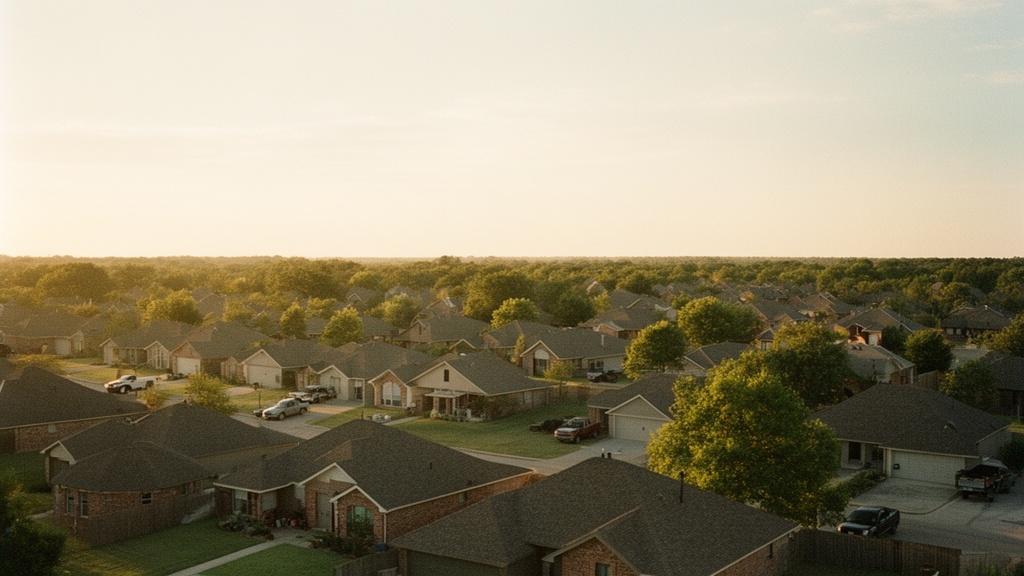
1. Where Charlotte's Housing Market Stands in September 2026
Charlotte's housing market is active but selective. Demand remains strong because the metro continues to add jobs in financial services, technology, and logistics, but buyers have more negotiating room than they did during the frenzy of 2021 and 2022. Homes that are priced correctly and well-presented are still moving. Overpriced listings are sitting.
Median Prices and Inventory Levels
As of September 2026, the median sale price for a single-family home inside the Charlotte city limits is approximately $415,000, up from roughly $395,000 in September 2025. The broader Charlotte metro, which includes Mecklenburg, Union, Cabarrus, Gaston, and Iredell counties, carries a median closer to $385,000 when you blend in more affordable suburban markets like Kannapolis, Gastonia, and Concord. Active inventory across the metro sits at roughly 2.8 months of supply, which still favors sellers on well-priced properties but gives buyers enough selection that multiple-offer situations are no longer automatic.
Days on market for Mecklenburg County have stretched to an average of around 28 days, compared to under 15 days at the peak of the seller's market in 2022. That extra time gives buyers a window to complete due diligence carefully, which matters enormously under North Carolina's contract structure.
How Charlotte Compares to National Affordability Data
North Carolina as a whole continues to offer meaningful value relative to the national median. According to HousingWire's affordability analysis, North Carolina home prices have tracked roughly 20 percent below the national average, a gap that has drawn consistent relocation demand from higher-cost metros in the Northeast, Mid-Atlantic, and West Coast. For Charlotte specifically, that relative affordability is one reason the National Association of Realtors has flagged the metro as a top homebuying destination heading into 2026.
The NAR's recognition is consistent with what buyers relocating from markets like New York, Washington D.C., or Los Angeles experience when they arrive: a dollar stretches further in Charlotte, even accounting for the price appreciation the city has seen over the past five years.
2. Charlotte's Major Housing Corridors: What the Numbers and Features Actually Look Like
Charlotte is not one housing market. It is a collection of distinct corridors, each with its own price range, housing stock, lot size, and commute profile. Understanding those differences is the foundation of any serious Charlotte, North Carolina real estate market guide.
South Charlotte and the Ballantyne Corridor
The South Charlotte corridor stretches from SouthPark at roughly 5 miles from Uptown down to Ballantyne at the Mecklenburg and Union county line, about 16 miles from the city center. Housing stock along this corridor runs heavily toward brick-front and full-brick traditional homes built between 1990 and 2015, with four-bedroom floor plans on lots ranging from 0.15 to 0.5 acres. Median prices in established South Charlotte communities such as Ballantyne Country Club, Piper Glen, and Providence Plantation currently range from $550,000 to well over $1 million for larger homes on premium lots.
Commute times to Uptown Charlotte from Ballantyne average 30 to 45 minutes by car depending on the time of day, with I-485 and Johnston Road serving as the primary routes. The Ballantyne area also has its own employment cluster anchored by corporate campuses, which shortens the commute for many residents who work south of Uptown.
NoDa, Plaza Midwood and the Inner East Side
NoDa (North Davidson) and Plaza Midwood sit 2 to 4 miles from Uptown and represent Charlotte's most walkable, transit-accessible housing stock. The LYNX Blue Line light rail connects NoDa directly to Uptown in under 15 minutes, and the 36th Street and 25th Street stations are within walking distance of hundreds of homes and condos. Bungalows from the 1930s and 1940s, craftsman cottages, and newer infill townhomes priced from $350,000 to $650,000 define the residential mix. Lot sizes are small, typically 0.08 to 0.15 acres, but the trade-off is proximity to the restaurants and music venues along North Davidson Street and the boutiques and coffee shops of Central Avenue.
Plaza Midwood skews toward bungalows and ranch-style homes from the 1950s and 1960s, with median prices currently in the $420,000 to $550,000 range. Both areas have seen significant renovation activity over the past decade, so buyers will find a mix of move-in-ready remodeled homes and original-condition properties that need updating.
University City and the North Tryon Corridor
University City, located about 9 miles northeast of Uptown along the North Tryon Street corridor, offers some of the most accessible price points inside Mecklenburg County. Median home prices in this area currently run from $280,000 to $380,000 for single-family homes, with a mix of 1980s and 1990s brick ranches, split-levels, and newer townhome developments. The LYNX Blue Line extension has stations at Tom Hunter, Old Concord Road, and University City Boulevard, giving residents a rail option into Uptown that takes roughly 25 to 35 minutes.
The University Research Park and the UNC Charlotte campus anchor employment and activity in this corridor. Buyers who want more square footage per dollar and a shorter commute to employers in the northeast quadrant of the metro tend to find this area worth a close look.
Steele Creek, Berewick and the Southwest Corridor
The southwest corridor along South Tryon Street and Steele Creek Road, roughly 10 to 15 miles from Uptown, has absorbed significant new construction over the past eight years. Master-planned communities like Berewick and Berewick Town Center offer newer homes in the $320,000 to $480,000 range on lots of 0.12 to 0.25 acres. These are predominantly two-story homes built after 2010, with open floor plans, attached two-car garages, and community amenities including pools and walking trails.
The southwest corridor's proximity to Charlotte Douglas International Airport, about 8 miles from Berewick, is relevant for households with frequent travel needs. I-485 provides the primary route to the airport and to other parts of the metro.
Huntersville, Cornelius and Lake Norman Towns
The Lake Norman towns of Huntersville, Cornelius, and Davidson sit 15 to 25 miles north of Uptown via I-77 and represent one of the fastest-growing housing markets in the greater Charlotte metro. Huntersville's median sale price currently runs around $450,000 to $520,000, while waterfront or water-view properties on Lake Norman itself can exceed $1.5 million. Cornelius and Davidson carry similar price ranges for non-waterfront homes, with Davidson adding a historic downtown grid of early 20th-century homes priced from $600,000 upward.
Commute times to Uptown from Huntersville average 35 to 50 minutes by car during peak hours on I-77. Express lane options on I-77 have reduced unpredictability for drivers who commute regularly. The presence of Lake Norman itself, a 32,475-acre reservoir with over 500 miles of shoreline, means residents have immediate access to boating, kayaking, and waterfront dining.
3. Timing the Charlotte Market: When to Buy and When to List
Timing matters in Charlotte, but the city's year-round mild climate and steady in-migration mean the swings are less dramatic than in colder northern markets. That said, there are real seasonal patterns that affect both what buyers pay and what sellers net.
Seasonal Patterns in Charlotte
Spring, specifically March through May, is Charlotte's highest-volume listing and sales season. More buyers are active, more homes hit the market, and competition for well-priced properties peaks. Sellers who list in late March or April typically see the most showings and the strongest offers. For a deeper look at how spring compares to fall for sellers specifically, this breakdown of Charlotte spring vs. fall listing timing covers the price and days-on-market differences in detail.
September, which is right now, sits at the tail end of the secondary summer market. Inventory has typically thinned slightly from its June peak, but serious buyers are still active, particularly corporate relocation buyers whose employers run on calendar-year job cycles. Sellers listing in September and October face less competition from other listings than they would have in April, which can work in their favor if the home is priced correctly.
November through January is Charlotte's slowest period. Fewer buyers are actively touring, and homes that sit through the holiday season often require price reductions in January to attract fresh attention. Buyers who shop in this window sometimes find motivated sellers willing to negotiate on price and terms.
What Mortgage Rate Shifts Mean for Charlotte Buyers Right Now
Mortgage rates in September 2026 remain elevated relative to the historic lows of 2020 and 2021, which has compressed purchasing power across every price point. A buyer approved for $500,000 at a 3.5% rate in 2021 qualifies for roughly $380,000 to $400,000 at current rates, depending on the lender and the buyer's debt profile. That gap is real and it has pushed some buyers toward condos, townhomes, and smaller single-family homes in corridors like University City and the southwest that they might not have considered at lower rates.
For buyers weighing whether to act now or wait, the core question is whether rates will drop enough to justify the likely price increase that would follow. Charlotte's in-migration pipeline, driven by Bank of America, Wells Fargo, Truist, Honeywell, and dozens of technology companies that have expanded here, means demand pressure is not going away. If you are weighing that decision, this article on whether now is a good time to buy in Charlotte works through the rate-versus-price trade-off in detail.
4. What Buyers Need to Know Before Making an Offer in Charlotte
North Carolina has a distinct contract structure that every buyer in this market needs to understand before writing an offer. Missing these details can cost thousands of dollars or result in losing a home you wanted.
Closing Costs and Due Diligence in North Carolina
North Carolina uses a due diligence fee system that is unlike most other states. When you make an offer, you pay a due diligence fee directly to the seller at contract execution. This fee is non-refundable if you terminate the contract for any reason during the due diligence period, which is the window you negotiate to complete inspections, appraisals, and financing. In Charlotte's current market, due diligence fees on homes priced between $400,000 and $600,000 typically range from $3,000 to $10,000 or more, depending on competition for the property. Understanding how to set this fee strategically, without overpaying on a home you may not close on, is one of the most important decisions in a Charlotte purchase.
Buyer closing costs in North Carolina typically total 2 to 3 percent of the purchase price, covering lender fees, title insurance, attorney fees (North Carolina requires a real estate attorney at closing), prepaid property taxes, and homeowners insurance escrow. On a $415,000 purchase, that is roughly $8,300 to $12,450 in closing costs on top of your down payment.
New Construction vs. Resale in Charlotte's Suburbs
Charlotte's suburban corridors, particularly Steele Creek, Concord, Mooresville, and Indian Land just across the South Carolina line, have active new construction pipelines from builders including Ryan Homes, Meritage, Toll Brothers, and David Weekley. New construction typically offers warranty protection, modern floor plans, and energy-efficient systems, but buyers need to understand that builder contracts favor the builder, not the buyer, and that the builder's on-site agent works to support and advance the builder's interests.
Resale homes in established neighborhoods often come with mature landscaping, larger lots, and proximity to existing amenities that new subdivisions on the suburban fringe have not yet developed. The trade-off is that resale homes built before 2000 may need roof, HVAC, or systems updates that add to the total cost of ownership. A buyer's agent who knows both the new construction and resale inventory in each corridor can help you model the true cost comparison.
5. What Sellers Need to Know About Charlotte's Market in 2026
Selling in Charlotte in September 2026 requires a sharper strategy than it did two or three years ago. Buyers are more selective, they are doing more research before touring, and they are less willing to overlook condition or pricing issues. Sellers who account for that reality upfront do significantly better than those who test the market with an aspirational price.
Pricing Strategy in a Selective Market
Accurate pricing from day one is the single most important decision a Charlotte seller makes. Homes that enter the market priced at or just below recent comparable sales generate the most showing activity in the first two weeks, which is when buyer interest peaks. Homes that are overpriced by 5 percent or more typically sit past 30 days, accumulate days-on-market stigma, and ultimately sell for less than they would have if priced correctly from the start. In Charlotte's current market, a well-priced home in South Charlotte or the Lake Norman towns can still receive multiple offers, while an overpriced listing in the same area may sit for 60 or 90 days.
Choosing the right agent to guide that pricing decision is critical. If you are evaluating agents, this guide on what to look for when choosing a Realtor in Charlotte to sell your home covers the specific questions to ask and the credentials to verify.
Preparing Your Home for Charlotte Buyers
Charlotte buyers in September 2026 are making decisions based heavily on online photos and virtual tours before they ever schedule a showing. Professional photography is not optional; it is the price of entry. Homes that present well online generate more showings, and more showings create the competitive dynamic that protects your price.
Pre-listing inspections have become more common in Charlotte over the past two years. A seller who completes a home inspection before listing can address deferred maintenance items proactively, which reduces the likelihood of a buyer using inspection findings to negotiate a price reduction during due diligence. Common items that Charlotte buyers flag in inspections include HVAC systems over 12 years old, roof age on homes built before 2010, and moisture intrusion in crawl spaces, which are common in the Charlotte area's clay-heavy soil.
For sellers who are also weighing whether a local agent or a national discount brokerage makes more sense for their situation, this comparison of local Charlotte agents versus national discount brokers breaks down the real cost and service differences.
HousingWire has noted that Charlotte's market is adjusting rather than declining, with prices holding in most corridors while the pace of sales normalizes. That distinction matters for sellers: the market is not collapsing, but the strategy that worked in 2021 will not work today.
FAQ
What is the median home price in Charlotte, North Carolina right now?
As of September 2026, the median sale price for a single-family home inside Charlotte city limits is approximately $415,000, up from around $395,000 in September 2025. The broader Charlotte metro, which includes suburban markets in Union, Cabarrus, Gaston, and Iredell counties, carries a blended median closer to $385,000. Prices vary significantly by corridor: inner-ring areas like NoDa and Plaza Midwood see medians in the $420,000 to $550,000 range, while University City and the southwest corridor offer entry points closer to $280,000 to $380,000. Waterfront properties on Lake Norman can exceed $1.5 million.
Is it a buyer's market or a seller's market in Charlotte in 2026?
Charlotte's market in September 2026 sits between the two extremes, with roughly 2.8 months of active inventory across the metro. That level technically still favors sellers on correctly priced homes, but buyers have meaningfully more negotiating room than they did during the 2021 and 2022 peak. Homes priced accurately and presented well continue to move within 30 days and occasionally attract multiple offers. Overpriced listings are sitting for 60 days or longer and often require price reductions. The practical answer is that the market rewards preparation and accurate pricing from both sides of the transaction.
What should people relocating to Charlotte know about the different areas of the city?
Charlotte's housing corridors differ substantially in price, housing stock, lot size, and commute distance to Uptown. The South Charlotte and Ballantyne corridor offers larger brick traditional homes from the 1990s and 2000s in the $550,000 to $1 million-plus range, about 16 miles from Uptown. NoDa and Plaza Midwood offer walkable, transit-connected bungalows and townhomes 2 to 4 miles from the city center, priced from $350,000 to $650,000. University City provides more affordable options in the $280,000 to $380,000 range with light rail access. The Lake Norman towns of Huntersville and Cornelius sit 15 to 25 miles north with larger lots and water access. Researching school options directly through the Charlotte-Mecklenburg Schools district website and visiting each corridor in person are the best ways to make a well-informed location decision.