
← Back to Blog
Market Trends
What New Construction and Development Projects Are Happening in Dayton Ohio in 2026 That Could Affect Home Values
By Melissa Erbaugh, Licensed Real Estate Agent
Gillen Group - Keller Williams Community Partners
September 19, 2026 · 10 min read
If you are buying, selling, or relocating to Miamisburg, Ohio, understanding what new construction and development projects are happening in Dayton Ohio in 2026 that could affect home values is one of the most important pieces of research you can do. The greater Dayton metro is in the middle of a significant investment wave, with billions of dollars committed to projects that reshape neighborhoods, attract employers, and shift buyer demand. This article breaks down the major developments, what they mean for property values, and how Miamisburg fits into the picture.
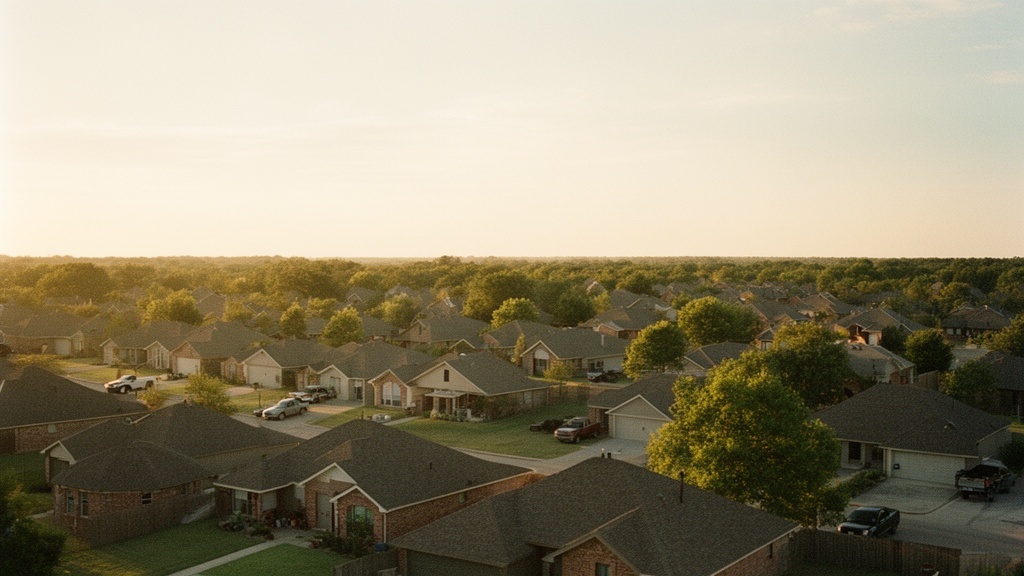
1. The Scale of Dayton's 2026 Development Activity
Dayton's development pipeline is larger than most people realize. City officials have tracked a surging list of projects that collectively represent well over a billion dollars in committed investment across the metro. That number has grown steadily through 2025 and into 2026 as private developers, federal funds, and state incentives have aligned in ways that rarely happen at the same time.
How Much Is Being Invested
According to reporting from the Dayton Daily News, the city had already seen more than $365 million invested across 25-plus completed or active projects before this current wave fully matured. More recent figures from city officials put the broader pipeline, including projects in planning and permitting stages, at over $1.3 billion. That includes mixed-use redevelopment, residential construction, commercial and industrial projects, and major infrastructure improvements.
For context, that level of investment in a mid-sized Ohio metro is significant. It reflects a combination of post-pandemic urban reinvestment, federal infrastructure dollars flowing through Ohio, and the continued economic pull of Wright-Patterson Air Force Base, which remains one of the largest single-site employers in the state.
Why This Cycle Is Different From Past Ones
Previous development cycles in Dayton tended to be isolated: one or two anchor projects surrounded by years of inactivity. What is happening in 2026 is broader and more interconnected. Multiple projects are moving simultaneously across downtown, the riverfront, suburban corridors, and industrial zones. When investment clusters this way, it tends to lift property values across a wider radius than any single project would on its own.
2. Major Development Projects in Dayton Ohio in 2026 That Could Affect Home Values
The projects most likely to move residential prices are the ones that attract new residents, create jobs, or improve the quality of daily life in surrounding neighborhoods. Several of Dayton's current projects meet that bar. Here is a look at the ones buyers and sellers in the Miamisburg area should be tracking.
Downtown Dayton Reinvestment
Downtown Dayton has seen a meaningful shift in activity over the past two years. Several historic buildings have been converted into market-rate and workforce apartments, adding residential density to a core that was largely office-only for decades. The Dayton Arcade redevelopment, which brought hundreds of residential units and commercial tenants into a long-vacant landmark, is now fully occupied and has become a proof point that the market can support urban living at scale.
Additional adaptive reuse projects are in permitting or construction as of September 2026, targeting older commercial buildings along Third Street and the Webster Station corridor. Each new residential unit added downtown tends to reduce pressure on the surrounding suburban inventory, but it also signals employer confidence in the metro, which historically correlates with rising home values in nearby communities like Miamisburg.
The Water Street District and Riverfront Corridor
The Water Street District along the Great Miami River has been one of the most visible development stories in the Dayton metro. This mixed-use corridor now includes apartment buildings, restaurants, a hotel, and public riverfront access that connects to the regional trail network. Expansion phases are continuing in 2026, with additional commercial and residential square footage under construction.
The Great Miami River trail system connects directly south through Miamisburg, which means improvements to the riverfront corridor in Dayton have a physical link to the amenities that Miamisburg residents already use. When a trail network anchors multiple communities, it tends to lift desirability and price competitiveness across the entire corridor, not just at the urban end.
Tech and Defense Sector Growth Near Wright-Patterson
Wright-Patterson Air Force Base, located roughly 15 miles northeast of Miamisburg, remains the single largest economic engine in the Dayton metro. Defense contractor expansion is a consistent driver of housing demand in 2026. Several defense and aerospace technology firms have announced facility expansions in the Fairborn and Beavercreek corridors adjacent to the base. Those expansions bring relocating employees who need housing, and Miamisburg, with its I-75 access and 25 to 35 minute commute window to Wright-Patterson, consistently appears on the radar for those buyers.
Beyond defense, the Dayton region has attracted logistics and advanced manufacturing investment tied to Ohio's broader economic positioning. The Dayton International Airport cargo expansion and associated industrial park development on the north end of the metro add jobs that ripple into housing demand across the entire county.
3. New Residential Construction in the Dayton Metro and What It Means for Prices
New residential construction directly shapes how competitive the resale market is. When builders are active and producing significant new inventory, buyers have more options and sellers face more competition. When construction is limited relative to demand, existing home prices tend to hold or rise. Understanding where new homes are being built in the Dayton metro helps both buyers and sellers set realistic expectations.
Where New Homes Are Being Built
Active new construction in the Dayton metro in 2026 is concentrated in a handful of suburban corridors. Beavercreek and Sugarcreek Township continue to see single-family subdivision activity, largely in the $350,000 to $500,000 price range. Centerville and Washington Township have infill and townhome development pushing into the $280,000 to $400,000 range. Springboro, directly south of Miamisburg along State Route 741, has several active phases of subdivision development with homes priced from the low $300,000s into the mid-$400,000s.
Miamisburg itself has limited vacant land for large-scale subdivision development, which constrains new supply within the city's boundaries. Most of the residential construction activity near Miamisburg is happening in adjacent townships rather than inside the city proper. That supply constraint is one of the structural factors supporting resale prices in established Miamisburg neighborhoods.
How New Supply Affects Existing Home Values
New construction and resale homes compete for the same buyers, but they do not compete equally across all price points. Resale homes in established Miamisburg neighborhoods, particularly those in the $200,000 to $320,000 range, face less direct competition from new construction because most new builds in the metro are priced higher. Buyers who want a move-in-ready home under $280,000 in a location with mature trees, walkable streets, and proximity to the Little Miami Scenic Trail will not find that in a new subdivision. That dynamic keeps demand for Miamisburg's existing housing stock relatively stable.
For a broader look at how current prices are shaking out across the metro, the average home price in Dayton Ohio right now in September 2026 gives a detailed breakdown by area and price tier that is worth reading alongside this article.
4. What Dayton's Development Wave Means Specifically for Miamisburg
Miamisburg sits about 12 miles south of downtown Dayton along I-75, close enough to benefit from the metro's investment activity while maintaining its own distinct character. The city has a walkable historic downtown district centered on Central Avenue, a riverfront park system, and a housing stock that ranges from early 20th-century craftsman bungalows to 1970s and 1980s ranch homes to newer townhome developments near the Dayton Mall corridor. What happens in Dayton's broader development pipeline filters down to Miamisburg in several specific ways.
Miamisburg's Position in the Metro
Miamisburg offers something that many of its neighboring communities do not: a genuine small-city downtown with independent restaurants, local retail, a mound park with views of the Miami Valley, and direct trail access to a regional network that extends for miles in both directions. Home prices in Miamisburg have generally tracked between $190,000 and $340,000 for single-family resales in 2026, with some renovated properties and newer townhomes pushing above that ceiling.
As Dayton's downtown and riverfront attract more residents and employers, the communities within a 15-minute drive tend to see spillover demand. Miamisburg, with its own amenity base and relatively affordable price point compared to Centerville or Springboro, is positioned to absorb some of that demand. That is not speculation; it is a pattern that has played out in similar mid-sized metros when urban cores reinvest at scale.
The Ben & Jerry's Site and Local Redevelopment
Within Miamisburg itself, the former Ben and Jerry's manufacturing facility site has been a topic of local conversation for redevelopment. The site, located near the river, represents one of the larger available parcels in the city. Planning discussions have included mixed-use and residential components, though the timeline for any specific project continues to evolve. If and when a project moves forward, it would add residential inventory and commercial activity to the riverfront area, which could shift values in adjacent blocks.
Buyers considering properties near Miamisburg's riverfront should monitor this site's redevelopment status. A well-executed mixed-use project there would likely increase the appeal of nearby homes. The city's planning and zoning commission is the best source for current status on any active redevelopment proposals.
Commute and Infrastructure Factors
Infrastructure investment in the Dayton metro directly affects how accessible Miamisburg is from major employment centers. The I-75 corridor through Miamisburg provides direct access to downtown Dayton in roughly 20 minutes under normal conditions, and to the Dayton Mall employment and retail hub in under 10 minutes. Ohio Department of Transportation projects in the metro are focused on interchange improvements and freight corridor upgrades that keep this corridor moving. Buyers relocating for work in Dayton proper consistently find Miamisburg's commute times competitive with communities that carry higher price tags.
5. How Buyers and Sellers Should Use This Information Right Now
Development news is only useful if it translates into actionable decisions. Here is how buyers, sellers, and relocating households in the Miamisburg area should be thinking about what new construction and development projects are happening in Dayton Ohio in 2026 and what those projects mean for their specific situation.
Advice for Buyers
Buyers should pay attention to which Miamisburg neighborhoods sit closest to planned infrastructure improvements, trail extensions, and commercial redevelopment. Proximity to the Great Miami River trail and the historic downtown district has historically supported stronger price appreciation in Miamisburg than locations further from those anchors. If you are comparing Miamisburg to Springboro or Centerville, factor in not just current price but the trajectory that metro investment is likely to create over the next three to five years.
If you are still exploring the broader Dayton market before narrowing your search, the Dayton Ohio buyer's guide covers the full picture of what to expect when purchasing in this metro, from offer strategy to inspection considerations.
Advice for Sellers
Sellers in Miamisburg are in a position where metro-wide development activity is working in their favor. Increased employer investment, downtown Dayton reinvestment, and limited new construction supply within Miamisburg's city limits all point toward continued demand for existing homes. That said, sellers should not assume that every home prices itself. Buyers in 2026 are informed and have access to data. Homes that are priced accurately for their condition and location move. Homes that are priced based on hope rather than comparable sales tend to sit.
If you are planning to sell in the next six to twelve months, understanding what development activity is happening near your specific property can help you tell a more compelling story to buyers. A home within walking distance of a trail connection or a revitalizing commercial district has a narrative that supports its asking price. That is the kind of local context a knowledgeable agent can help you articulate.
Advice for Relocating Households
If you are relocating to the Dayton area for work, Miamisburg deserves a serious look. The city offers a price point that is generally lower than Centerville or Beavercreek, a genuine downtown with walkable amenities, and commute times that work for most major employment corridors in the metro. The development activity happening across Dayton in 2026 signals a metro that is investing in itself, which matters for long-term value when you are choosing where to put down roots.
Relocating buyers often underestimate how much local knowledge matters in a market like this. Knowing which streets back up to planned commercial development, which neighborhoods are near trail expansion phases, and which pockets of Miamisburg have seen the most consistent appreciation requires someone who works this market daily. That is exactly what Melissa Erbaugh of Gillen Group at Keller Williams Community Partners brings to the table for buyers coming from outside the area.
FAQ
Will Dayton's development projects cause home prices in Miamisburg to rise in 2026?
The development activity happening across Dayton in 2026 creates conditions that tend to support price stability and gradual appreciation in nearby communities like Miamisburg. Increased employer investment, downtown reinvestment, and riverfront improvements attract more residents to the metro, which sustains buyer demand. Miamisburg's limited supply of vacant land for new construction means that demand largely flows into the existing resale market rather than being absorbed by new subdivisions. That said, local price movement depends on specific neighborhood conditions, home condition, and interest rate trends, so the overall metro investment picture is one input among several. Working with a local agent who tracks Miamisburg specifically gives you a more precise read than metro-wide data alone.
How close is Miamisburg to the major development projects happening in Dayton?
Miamisburg is approximately 12 miles south of downtown Dayton via I-75, which puts it within a 20-minute drive of the Water Street District, the Dayton Arcade, and other downtown reinvestment projects. The Great Miami River trail system physically connects Miamisburg to Dayton's riverfront corridor, meaning trail improvements made in the city flow directly to Miamisburg's trail access as well. For employment-driven projects near Wright-Patterson Air Force Base, the commute from Miamisburg runs roughly 25 to 35 minutes depending on the specific destination. That commute distance makes Miamisburg a practical option for households working at the base or with defense contractors in the Beavercreek corridor.
Should I wait for development projects to finish before buying in Miamisburg?
Waiting for development to complete before purchasing is a strategy that often costs buyers more than it saves them. In markets where investment activity is underway and visible, prices tend to rise as projects progress rather than after they finish. Buyers who purchase during the investment phase typically capture more appreciation than those who wait for the ribbon-cutting. In Miamisburg specifically, the combination of limited new supply and sustained metro investment means that the window for purchasing at current price levels may be shorter than it appears. The most useful step is to get a clear picture of your specific budget, target neighborhoods, and timeline with a local agent who can map those factors against what is actually available in the market right now.