← Back to Blog
Selling
Selling a Home in Centennial, Colorado: Pricing, Timeline and What to Expect
By Melissa Smith, Broker
Brokers Guild Real Estate
September 2, 2026 · 12 min read
Selling a home in Centennial, Colorado is one of the more nuanced decisions you can make in the Denver metro real estate market, and getting the pricing and timeline right from the start determines whether you close confidently or spend months making price reductions. This guide covers what Centennial sellers need to know right now in September 2026: how to set a price that holds up under scrutiny, how long the process realistically takes, and what each stage of the transaction looks like on the ground.
1. What Makes Centennial a Distinct Selling Market
Centennial is not a generic Denver suburb. It is a planned city incorporated in 2001 that sits in the southern portion of Arapahoe County, bordered by Greenwood Village to the north, Highlands Ranch to the west, and Parker to the east. That geography shapes everything about how homes are priced and how buyers approach the market here.
Housing Stock and Price Ranges
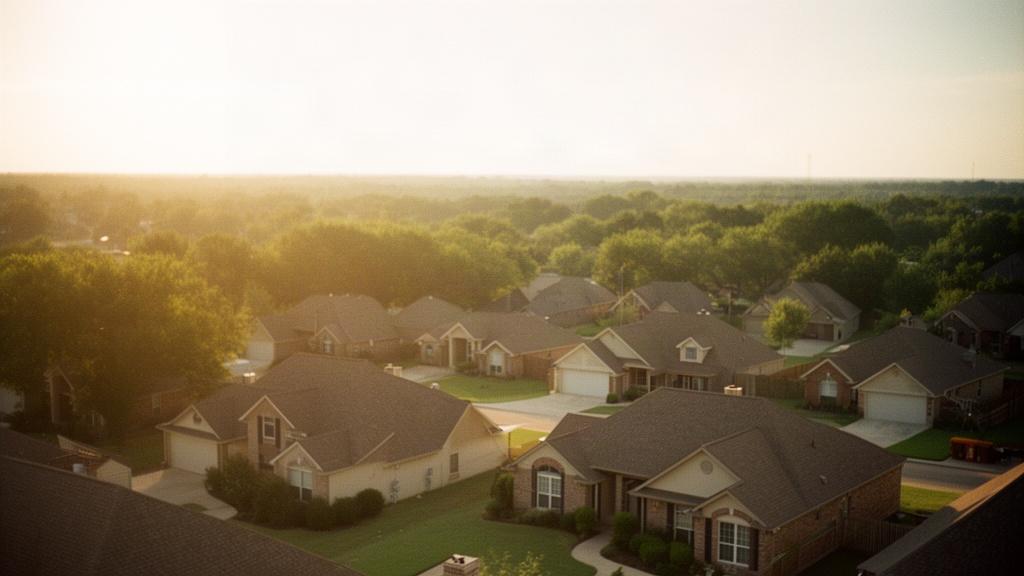
The dominant housing type in Centennial is the single-family detached home built between 1975 and 2005, ranging from roughly 1,400 square feet in the older Smoky Hill corridor near East Smoky Hill Road to 3,500 square feet or more in the newer pockets near Willow Creek and Foxridge. As of September 2026, median home prices in Centennial sit in the $575,000 to $650,000 range depending on the subdivision, lot size, and finish level. Townhomes and paired homes, concentrated near the Dry Creek and Arapahoe light rail stations, trade in the $380,000 to $480,000 range.
Lot sizes vary considerably. Homes along the older streets off South Yosemite and South Quebec typically sit on 7,000 to 9,000 square foot lots, while properties in the Piney Creek area can reach a quarter acre or more. Finished basements are common and add meaningful square footage that buyers in this price range expect.
How Centennial Compares Within the Denver Metro
Centennial sellers benefit from the city's proximity to major employment corridors. The Denver Tech Center, which straddles the Centennial and Greenwood Village border along I-25, is a 5 to 15 minute drive from most Centennial neighborhoods. Downtown Denver is roughly 18 to 22 miles north, accessible via I-25 or the light rail's E and F lines from Dry Creek Station or Arapahoe at Village Center Station. That commute story matters when you are writing marketing copy and explaining your home's location to buyers relocating from out of state.
Buyers comparing Centennial to Aurora, Englewood, or Littleton will find that Centennial tends to command a modest price premium for comparable square footage, driven largely by the newer infrastructure, the Cherry Creek trail system access, and the density of retail and dining along Arapahoe Road and University Boulevard. For sellers, that premium is real but it must be supported by condition and presentation.
2. Pricing Your Centennial Home Correctly
Correct pricing is the single most important decision in selling a home in Centennial, Colorado. A home priced within 2 to 3 percent of its true market value in September 2026 conditions will attract competitive offers and close without extended negotiations. A home priced 5 percent or more above market will typically sit for 30 or more days, accumulate price reduction history visible to every buyer on the MLS, and ultimately sell for less than it would have at a correct initial price.
How Comparable Sales Work in Centennial
A comparative market analysis (CMA) in Centennial pulls closed sales from the past 90 to 180 days within a half-mile to one-mile radius of your property, filtered by similar square footage, bedroom and bathroom count, lot size, and finish level. The challenge in Centennial is that subdivisions can be adjacent but have meaningfully different price points. A home in Piney Creek will not compare cleanly to a home in Smoky Hill even if the two streets are a mile apart, because the architectural style, lot depth, and buyer pool differ.
The National Association of Realtors outlines how asking price should be grounded in verifiable comparable data rather than seller expectations or online automated estimates. NAR's guidance on determining asking price makes clear that overpricing is the most common and most costly mistake sellers make. In Centennial, where inventory has been running at roughly 1.5 to 2.5 months of supply in late summer 2026, buyers are informed and patient, and they will not overbid for a home that is clearly priced above the comps.
Common Pricing Mistakes and How to Avoid Them
Relying on Zestimate or other automated valuation tools is a frequent misstep. These tools use broad county-level data and do not account for whether your basement is finished, whether you have a three-car garage in a neighborhood where most homes have two, or whether your kitchen was updated two years ago versus fifteen. In Centennial's tighter subdivisions, those details can swing value by $30,000 to $60,000.
A second common mistake is pricing to leave room for negotiation. In September 2026, Centennial buyers are not automatically offering 3 to 5 percent below list. They are comparing your home to the three or four other active listings in your price band and making offers based on relative value. If your list price is padded, those buyers simply move to the next listing.
3. The Realistic Timeline for Selling in Centennial
From the day you decide to sell to the day you hand over keys, plan for 60 to 90 days in a typical Centennial transaction. That window breaks into three distinct phases: pre-listing preparation, the active listing period, and the under-contract to closing phase. Each phase has its own tasks and its own pressure points.
Pre-Listing Preparation
Allow 2 to 4 weeks for pre-listing work. This includes completing any deferred maintenance, deep cleaning, decluttering, and staging. In Centennial, where many homes were built in the 1980s and 1990s, common pre-listing repairs involve HVAC servicing (buyers will ask for service records), water heater age checks (anything over 12 years old will flag in inspection), and exterior paint condition, which takes a beating from Colorado's UV intensity and hail seasons.
Professional photography and, increasingly, Matterport 3D tours are standard at this price point. Budget 3 to 5 days for photography scheduling and editing before your listing goes live. Rushing this step costs you the first impression that online buyers form before they ever schedule a showing.
Active Listing to Under Contract
In September 2026, well-priced Centennial homes in the $550,000 to $700,000 range are going under contract in 14 to 28 days on average. Homes priced at or below $500,000 move faster, sometimes within a week, because that segment has fewer active listings relative to buyer demand. Homes above $800,000 carry longer average days-on-market, often 30 to 50 days, because the buyer pool is smaller and financing timelines are longer.
Expect the first week of showings to be the most active. If you have not received an offer by day 14, that is a signal to revisit pricing or presentation before the listing accumulates days-on-market stigma. Research from Inman on how strategic sellers find success in shifting markets consistently points to early planning and honest pricing as the two variables sellers control that have the greatest impact on outcome.
Under Contract to Closing
Once you accept an offer, the standard Colorado contract provides a 30 to 35 day closing timeline, though 21 day closes are possible with cash buyers or buyers who have full loan approval in hand. The under-contract phase includes the inspection period (typically 10 days in Colorado), the appraisal (ordered by the lender within the first 2 weeks), and the title search and loan underwriting that happen in parallel.
Colorado uses a buyer-friendly inspection process under the standard Contract to Buy and Sell Real Estate. The buyer submits an Inspection Objection and you, as the seller, can agree to repairs, offer a credit, or decline. Knowing this in advance helps you avoid being surprised by requests to repair a 20-year-old roof or replace a water heater that is still functional.
4. What to Expect at Each Stage of the Sale
Selling a home in Centennial, Colorado involves more moving parts than most sellers anticipate. Understanding what happens at each stage reduces stress and helps you make faster, better decisions when the pressure is on. For a broader look at how these stages fit into the overall Denver metro market, the Denver Metropolitan Area Real Estate Market Guide provides useful regional context.
Showings and Offer Negotiations
Showings in Centennial are typically scheduled through a lockbox system with 1 to 2 hours of advance notice. Plan to leave the home during showings and take pets with you. Buyers in this price range are often touring 5 to 10 homes before making a decision, and they need uninterrupted time to evaluate the space.
When offers arrive, your agent will walk you through the full package: purchase price, earnest money (typically 1 percent of purchase price in Centennial transactions), inspection and appraisal contingencies, closing date, and any seller concessions requested. In September 2026, it is not uncommon for buyers to request 1 to 2 percent of the purchase price in closing cost assistance, particularly in the $550,000 to $650,000 range where buyers are stretching their down payment.
Inspection and Appraisal
The inspection is the most emotionally charged part of the transaction for most Centennial sellers. A licensed home inspector will spend 2.5 to 4 hours examining the home and will produce a report documenting every observable defect, from the minor (a cracked outlet cover) to the significant (a failing sump pump or evidence of past water intrusion in the basement). Older Centennial homes built before 1990 frequently show inspection items related to polybutylene plumbing, older electrical panels, or original windows with failed seals.
The appraisal is ordered by the buyer's lender and is independent of the inspection. If your home appraises below the purchase price, you and the buyer must negotiate the gap: the buyer can make up the difference in cash, you can reduce the price, or you can split the difference. In Centennial's current market, appraisal gaps are less common than they were in 2021 and 2022, but they still occur when a home sells above the most recent comparable sales.
Final Steps Before Closing
The final week before closing involves the buyer's walk-through (typically 24 hours before closing), signing your closing documents with the title company, and coordinating utility transfers. Colorado closings are handled by title companies, not attorneys, and the process is efficient. You will receive your net proceeds via wire transfer on the day of closing or the next business day after the deed records with Arapahoe County.
5. Costs Sellers Should Plan For
Most Centennial sellers net between 7 and 10 percent less than the gross sale price after accounting for all transaction costs. Planning for these costs in advance prevents unpleasant surprises at the closing table.
Closing Costs Breakdown
Real estate commission: The total commission paid at closing varies by negotiation and market conditions. As of September 2026, following the NAR settlement changes that took effect in August 2024, commission structures are more openly negotiated than in prior years. Budget accordingly based on your listing agreement.
Title insurance and closing fees: In Colorado, sellers typically pay for the owner's title insurance policy. On a $620,000 sale in Centennial, owner's title insurance runs approximately $1,800 to $2,200 depending on the title company. Closing and settlement fees add another $400 to $700.
Property tax proration: Colorado property taxes are paid in arrears, so sellers credit the buyer for the portion of the year the seller occupied the home. On a Centennial home with an assessed value in the $580,000 range, this proration can run $2,500 to $4,000 depending on the closing date within the year.
HOA transfer fees: Many Centennial subdivisions, including Piney Creek, Willow Creek, and Foxridge, have homeowner associations. HOA transfer fees and document preparation fees are typically a seller cost and range from $200 to $600 depending on the association.
Pre-Sale Investments That Affect Net Proceeds
Pre-sale repairs and staging are costs that most sellers underestimate. A professional stager in the Centennial market charges $1,500 to $3,500 for an initial consultation and partial staging of the main living areas. Interior painting, which dramatically improves buyer perception in older homes, runs $3,000 to $6,000 for a full interior depending on square footage. Carpet replacement in a 2,000 square foot home costs $4,000 to $7,000 installed.
These investments are not always necessary, but they frequently return more than their cost in final sale price. A staged, freshly painted Centennial home with updated flooring will out-perform an unstaged, dated home in the same subdivision by a margin that typically exceeds the cost of the improvements. Your listing agent should help you prioritize which investments make financial sense for your specific property.
6. Timing the Market in Centennial
The best time to list in Centennial is when your home is ready and your personal circumstances align. That said, seasonal patterns in Arapahoe County are real and worth understanding before you pick a list date.
Seasonal Patterns in Arapahoe County
Spring, specifically late March through May, is historically the highest-activity period for home sales in the Denver metro including Centennial. Buyer demand peaks, inventory rises, and multiple-offer situations are more common. The NAR has published data showing that late spring consistently produces the highest sale-to-list price ratios nationally, a pattern that holds in the Denver metro as well.
Summer brings continued activity through July, then a modest slowdown in August as families focus on back-to-school transitions. September and October in Centennial are underrated selling months. Buyer competition is lower than spring, but serious buyers who did not find a home during the spring rush are still active and motivated. Inventory typically drops in October and November, which can work in a seller's favor if you list in September before that inventory contraction.
How September 2026 Conditions Affect Your Strategy
In September 2026, the Centennial market is operating in a more balanced environment than the seller-dominated conditions of 2020 through 2022. Mortgage rates have moderated compared to their 2023 peaks but remain elevated relative to the pre-2022 baseline, which keeps some buyers on the sidelines and extends average days-on-market compared to the frenzy years. Sellers who price correctly and present their homes well are still achieving strong results; sellers who overprice are sitting longer and reducing.
If you are weighing whether to list now or wait until spring 2027, consider that waiting introduces uncertainty around rate movements, your own carrying costs (mortgage, taxes, insurance, and maintenance), and the possibility that more competing inventory enters the spring market. For sellers who are ready, September can be a window worth using. If you want to understand how buyer demand is shaping decisions on the other side of the transaction, the article on whether now is a good time to buy in the Denver metro provides useful context on what buyers are thinking right now.
Before you commit to a list date, it is worth reviewing how to evaluate and select the right listing agent for your Centennial home. The article on questions to ask a listing agent in the Denver metro area walks through exactly what to ask before signing a listing agreement.
FAQ
How long does it take to sell a home in Centennial, Colorado?
In September 2026, a correctly priced Centennial home in the $550,000 to $700,000 range typically goes under contract within 14 to 28 days of listing. Add 2 to 4 weeks of pre-listing preparation and 30 to 35 days from accepted offer to closing, and the full process from decision to keys runs 60 to 90 days for most sellers. Homes priced above $800,000 carry longer average days-on-market, often 30 to 50 days in the active listing phase, because the buyer pool is smaller and financing timelines are longer. Cash transactions can close in as few as 21 days once a contract is signed.
What are the typical closing costs for a seller in Centennial, Colorado?
Centennial sellers should plan for total transaction costs that reduce gross sale proceeds by roughly 7 to 10 percent. The largest components are real estate commission (negotiated per your listing agreement), owner's title insurance (approximately $1,800 to $2,200 on a $620,000 sale), property tax proration ($2,500 to $4,000 depending on closing date), and HOA transfer fees for the many Centennial subdivisions that have homeowner associations ($200 to $600). Pre-sale repair and staging investments are additional but typically improve net proceeds by more than their cost when done strategically.
What price range do Centennial, Colorado homes sell for in 2026?
As of September 2026, the median sale price for single-family detached homes in Centennial sits in the $575,000 to $650,000 range, with significant variation by subdivision, lot size, and finish level. Homes in the Piney Creek and Willow Creek areas with larger lots and updated interiors frequently trade above $700,000, while older homes in the Smoky Hill corridor with original finishes can price in the $480,000 to $540,000 range. Townhomes and paired homes near the Dry Creek and Arapahoe light rail stations trade in the $380,000 to $480,000 range. Automated valuation tools are often unreliable at the subdivision level; a comparative market analysis from a local agent provides a more accurate starting point.