← Back to Blog
Selling
Selling a Home in Washington Park, Denver Has the Best Track Record: Pricing, Timeline and What to Expect
By Melissa Smith, Broker
Brokers Guild Real Estate
September 4, 2026 · 10 min read
Selling a home in Washington Park, Denver has the best track record of any central Denver neighborhood for consistent buyer demand, strong pricing, and predictable timelines. This guide covers what Washington Park sellers need to know right now in September 2026: how to price accurately, how long the process actually takes, what buyers in this pocket of Denver are looking for, and how to avoid the mistakes that cost sellers money.
1. Why Washington Park Homes Sell the Way They Do
Washington Park consistently draws serious buyers because of what is physically there. The 165-acre Washington Park itself anchors the neighborhood, with two lakes, a recreation center, tennis courts, a flower garden maintained by Denver Parks and Recreation, and paved loops that connect to the broader Denver trail network. The park sits between South Downing Street and South Franklin Street, and homes on the perimeter blocks command a measurable price premium over interior streets.
The Housing Stock That Drives Demand
Washington Park's residential blocks are dense with early twentieth century construction. Craftsman bungalows from the 1910s and 1920s sit alongside Tudor revivals, Dutch colonials, and brick two-stories built through the 1940s. Lot sizes on the standard grid run roughly 6,250 square feet, though corner lots and the larger parcels along East Virginia Avenue and East Tennessee Avenue occasionally exceed 7,500 square feet. Most original homes run between 1,200 and 2,400 square feet of finished living space, though extensive basement finishes and rear additions have pushed many properties to 2,800 square feet or more.
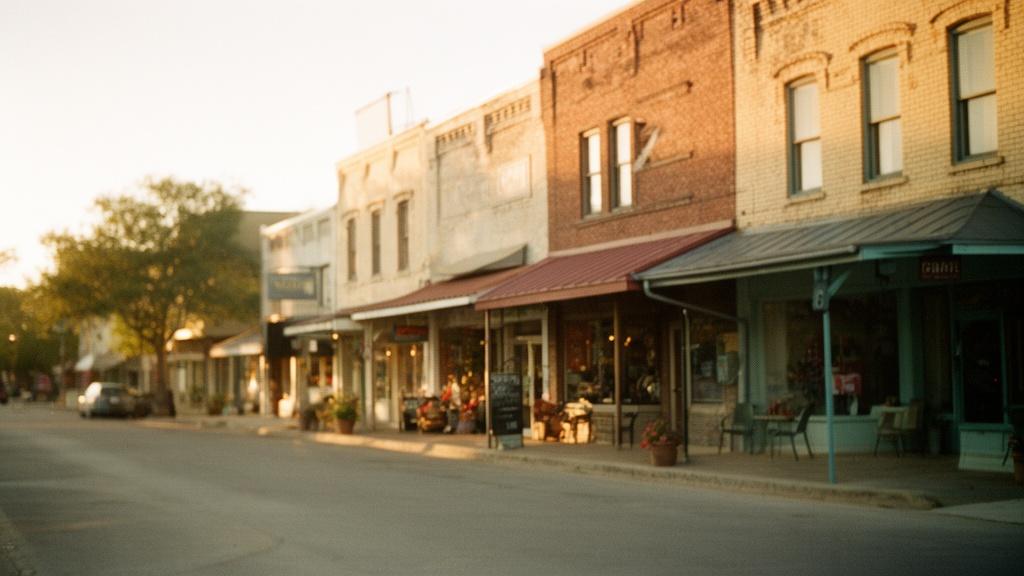
The neighborhood is bounded roughly by Mississippi Avenue to the north, Louisiana Avenue to the south, South Downing Street to the west, and South University Boulevard to the east. South Gaylord Street, the neighborhood's main commercial spine, runs through Washington Park West and offers independent restaurants, coffee shops, and retail within walking distance of most homes. That walkability, combined with the park itself, is a concrete feature that shows up in buyer search behavior and offer prices.
What Buyers Are Paying Right Now
As of September 2026, detached single-family homes in Washington Park are trading in a wide range depending on size, condition, and proximity to the park. Entry-level bungalows in original or lightly updated condition generally start around $850,000 to $950,000. Mid-range homes with updated kitchens, finished basements, and modern mechanicals typically close between $1,050,000 and $1,350,000. Fully renovated or newly constructed homes on park-facing blocks regularly exceed $1,600,000, with some custom builds on large lots trading above $2,000,000.
The broader Denver market has seen price cuts and extended days on market in some segments. Washington Park has remained more insulated than outer suburban corridors because the supply of homes in this specific neighborhood is structurally limited. The grid is fully built out; new inventory only enters when existing owners sell. That constraint keeps absorption rates tighter here than in areas where new construction competes directly with resale listings. For context on how Washington Park compares to the wider metro, the Denver metro home price analysis for September 2026 breaks down year-over-year trends across the region.
2. Pricing Your Washington Park Home to Sell
Accurate pricing is the single most important decision a Washington Park seller makes. A home priced within two to three percent of true market value typically receives offers within the first two weeks. A home priced five to eight percent above market will sit, accumulate days on market, and often close below what a correct initial price would have achieved.
How Comparable Sales Work in a Tight Grid
Washington Park's uniform street grid is both an advantage and a discipline for pricing. Because lot sizes, setbacks, and original construction eras are consistent across most blocks, appraisers and buyers can draw tight comparisons. A home on South Humboldt Street is genuinely comparable to one on South High Street two blocks away, provided the condition and finish level match. That transparency means inflated pricing is quickly visible to active buyers who are watching the neighborhood closely.
The variables that justify a price above the block average are specific and documentable. These include a finished square footage materially larger than neighbors, a full basement remodel with egress and a legal bedroom, a recently replaced roof and mechanicals, a detached garage with an accessory dwelling unit above it, or a direct park-facing address. Each of these features needs to be priced against actual closed sales that had the same feature, not against active listings that may be aspirationally priced.
The Cost of Overpricing in This Market
Denver's market in 2026 is not forgiving of overpriced listings the way it was in 2021 or 2022. Buyers today are watching days on market carefully and treating any listing over 21 days as a signal that something is wrong, even when the only problem was the original price. A price reduction after three or four weeks on market draws lower offers than the correct price would have drawn on day one, because buyers factor in negotiating room on a property that has already sat.
Industry research on strategic pricing in shifting markets consistently shows that sellers who price accurately from the start net more than those who test high and reduce. In Washington Park specifically, where the buyer pool is experienced and well-represented by agents who know the neighborhood's closed data, overpricing by even five percent can add six to eight weeks of market time and result in a final sale price below what a sharp initial list price would have produced.
3. The Washington Park Selling Timeline: From Prep to Close
A realistic Washington Park sale takes between 60 and 90 days from the moment you start preparing to the day you hand over keys. That window includes pre-list preparation, the active listing period, the contract negotiation, and the closing process. Each phase has its own requirements and its own timeline risks.
Pre-List Preparation
Most Washington Park homes benefit from two to four weeks of focused preparation before going live. This phase typically includes a pre-listing inspection so you can address deferred maintenance before buyers find it, interior painting in neutral tones if original colors are dated, refinishing hardwood floors if they show wear, and professional staging or furniture editing to photograph well. Older homes in this neighborhood often have original windows, knob-and-tube wiring in unfinished attic sections, or galvanized supply lines; knowing what you have before buyers start asking protects your negotiating position.
Photography is not optional at this price point. Buyers searching above $900,000 in Denver are viewing dozens of listings online before scheduling showings. High-resolution professional photography, a Matterport or equivalent 3D walkthrough, and an aerial drone shot of the park proximity are standard expectations for Washington Park listings in September 2026. Skipping any of these reduces your showing traffic measurably.
Active Listing Phase
Well-priced Washington Park homes that are properly prepared typically go under contract within 10 to 21 days of hitting the MLS. The first weekend of showings is the highest-traffic window. Homes that receive offers in that first weekend are almost always priced correctly and show well. If the first weekend passes without offers, the feedback from showings should drive an immediate pricing conversation rather than waiting another week.
September is historically an active month for Denver real estate. Buyers who paused during the summer often re-engage after Labor Day with urgency to close before the end of the year. Washington Park listings that come to market in September 2026 are entering a window of motivated, qualified buyers who have been watching inventory and are ready to move. The fall window typically runs through mid-November before holiday slowdown takes hold.
Under Contract Through Closing
Once you accept an offer, the Colorado contract process runs 30 to 45 days to closing in most Washington Park transactions. The inspection period under Colorado's standard contract is typically 10 days, during which the buyer may request repairs or a credit. At this price point, buyers almost always conduct a general inspection, a sewer scope, a radon test, and sometimes an electrical panel inspection on older homes. Being prepared for these findings and having a realistic sense of what you will and will not address keeps the deal on track.
Appraisals are required for financed purchases and can add a layer of complexity if the agreed price is near the upper edge of comparable sales. In Washington Park, where park-facing premiums and renovation quality are real but sometimes hard to quantify in an appraisal grid, it is worth discussing appraisal risk with your agent before accepting an offer. Cash offers, which are not uncommon at this price point, eliminate that risk entirely.
4. What Buyers in Washington Park Expect From a Listing
Washington Park buyers in the $900,000 to $1,500,000 range are experienced, well-informed, and have usually seen multiple homes before writing an offer. They are not looking for a project; they are looking for a home that is move-in ready or close to it. Understanding what this buyer cohort expects helps sellers decide where to spend preparation dollars and where to save them.
Condition Standards in This Price Range
At $1,000,000 and above, buyers expect updated kitchens with stone countertops and stainless appliances, renovated primary bathrooms, hardwood floors throughout the main level, and mechanicals that are not at end of life. A furnace that is 22 years old or a roof with five years of life remaining will show up in the inspection and in the buyer's offer price. Sellers who address these items before listing either get a higher price or avoid a painful post-inspection negotiation. The math usually favors addressing them proactively.
Original character details are a genuine selling point in Washington Park. Intact built-in bookshelves, original hardwood with a quarter-sawn pattern, period tile in bathrooms, and craftsman woodwork are features buyers specifically seek in this neighborhood. Sellers sometimes over-renovate and inadvertently remove the character that made the home valuable. Preserving original details while updating systems and finishes is the balance that produces the strongest sale prices here.
Outdoor Space and the Park Premium
Outdoor living space is a concrete value driver in Washington Park. A rear yard with a patio, mature trees, and privacy landscaping adds measurable appeal. Homes with a detached garage that has been converted or expanded to include an accessory dwelling unit above generate additional buyer interest because Denver's ADU ordinance allows them to be rented. If your property has this feature, it should be prominently marketed.
Park-facing homes on the east side of South Downing Street or the west side of South Franklin Street carry a documented premium. The view of Washington Park's open lawn and tree canopy from a front porch or second-floor window is a feature that buyers will pay for consistently. If your home has this exposure, the listing should lead with it in both the description and the photography.
5. Seller Costs, Net Proceeds and What to Budget
Knowing your net proceeds before you list prevents surprises at closing. Washington Park sellers typically pay several categories of costs that reduce the gross sale price to an actual deposit into their bank account. Planning for these costs in advance lets you price strategically and evaluate offers with clear eyes.
Closing Costs Sellers Typically Pay
In Colorado, sellers pay a defined set of closing costs that are largely predictable before the sale. Real estate commission is negotiated but typically ranges from four to six percent of the sale price, split between the listing broker and the buyer's broker. On a $1,200,000 Washington Park home, that is $48,000 to $72,000. The Colorado title insurance premium for the owner's policy on a $1,200,000 transaction runs approximately $2,800 to $3,200. The documentary fee, Colorado's real property transfer tax, is $1.00 per $500 of sale price, so roughly $2,400 on a $1,200,000 sale. Prorated property taxes, HOA fees if applicable, and any seller concessions negotiated in the contract add to the total.
How to Estimate Your Net
A rough net proceeds estimate starts with the expected sale price, subtracts your outstanding mortgage payoff, then subtracts total closing costs. On a $1,200,000 sale with a $400,000 mortgage payoff and six percent in closing costs, a seller would net approximately $728,000 before federal capital gains considerations. If you have owned the home for more than two years and it is your primary residence, the IRS exclusion of $250,000 per person ($500,000 for married couples filing jointly) may shelter a significant portion of the gain. Consult a tax professional for your specific situation before listing.
Pre-listing repair and staging costs vary widely but budget $3,000 to $10,000 for a typical Washington Park home that needs moderate preparation. Sellers who skip preparation often give back more than they saved in the form of buyer repair requests, price reductions, or a final sale price below market. For a broader look at how seller costs work across the Denver metro, the guide to selling a home in the Denver metro area covers the full cost structure in detail.
FAQ
How long does it take to sell a home in Washington Park, Denver right now?
In September 2026, a well-priced and properly prepared Washington Park home typically goes under contract within 10 to 21 days of hitting the market. From the start of pre-list preparation through closing, the full process runs 60 to 90 days for most sellers. Homes that are priced above market or need significant preparation work take longer, sometimes 60 to 90 days on market alone before going under contract. Once under contract, Colorado's standard closing timeline is 30 to 45 days. Planning for the full 90-day window from start to finish gives you realistic expectations and avoids scheduling pressure.
What price range should I expect when selling a home in Washington Park, Denver in 2026?
As of September 2026, Washington Park detached single-family homes are selling across a wide range based on size, condition, and location within the neighborhood. Original or lightly updated bungalows generally start around $850,000 to $950,000. Homes with updated kitchens, finished basements, and modern mechanicals typically close between $1,050,000 and $1,350,000. Fully renovated homes and new construction on park-facing blocks regularly exceed $1,600,000, with some properties trading above $2,000,000. The most important pricing input is a comparative market analysis based on homes that have actually closed in the past 90 days within Washington Park, not active listings or homes in adjacent neighborhoods.
Is September a good time to list a home in Washington Park?
September is historically one of the stronger months to list in Denver, and Washington Park is no exception. Buyers who paused during the summer often return after Labor Day with renewed urgency, particularly those motivated to close before the end of the calendar year for tax or relocation reasons. The fall window in Denver typically runs from early September through mid-November before holiday-related slowdowns reduce showing traffic. Washington Park listings that come to market in September 2026 are entering a period of motivated, pre-qualified buyers who have been tracking inventory. Proper preparation and accurate pricing matter more than the specific month, but September offers a competitive showing environment.