← Back to Blog
Market Trends
Chicago, Illinois Has Sold the Most Homes So Far This Year: Real Estate Market Guide: Prices, Neighborhoods and Timing
By Miguel Velazquez
September 27, 2026 · 10 min read
Chicago, Illinois has sold the most homes so far this year of any major Midwest metro, and the numbers behind that headline tell a more detailed story than the headline alone. This guide covers what prices actually look like right now, which parts of the city are moving fastest, and how to use timing to your advantage whether you are buying, selling, or relocating.
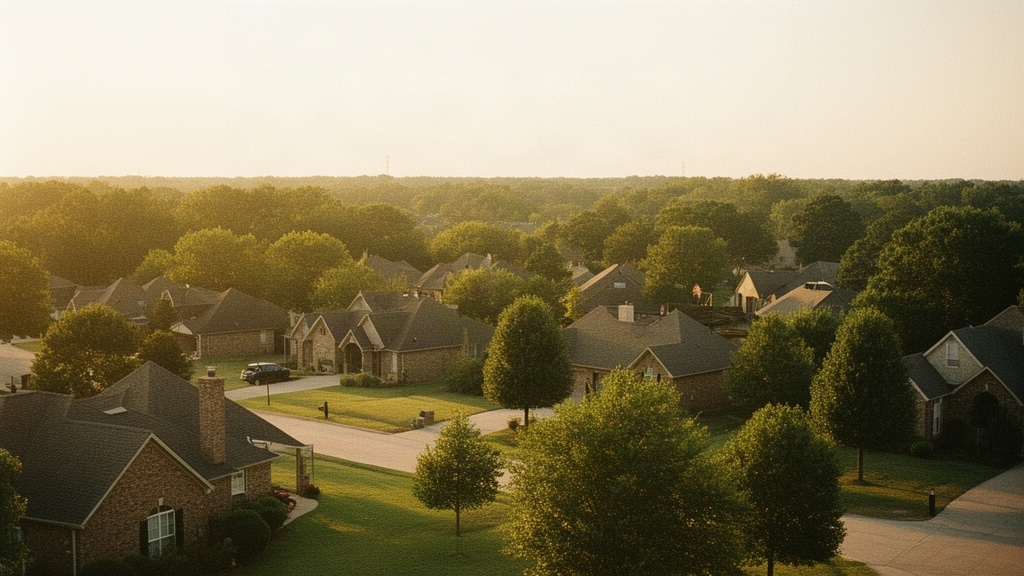
1. Why Chicago Has Led Home Sales Volume in 2026
Chicago leads Midwest home sales volume in 2026 because its housing stock is unusually broad and its price points remain accessible relative to coastal cities. From two-flats in Pilsen to single-family bungalows in Beverly to high-rise condos along the lakefront, the city offers entry points at almost every price tier. That breadth keeps transaction volume high even when mortgage rates create friction elsewhere.
The Supply and Demand Picture
Active inventory in Chicago as of September 2026 sits at roughly 6,400 single-family and condo listings, up about 9 percent from September 2025 but still below the 8,000-plus listings the market carried in pre-pandemic years. That tighter supply has kept competition real without pushing the market into the frenzied multiple-offer environment of 2021 and 2022. Buyers have more choices than they did two years ago; sellers still hold meaningful leverage in most price bands.
Demand is being fed by a steady stream of people relocating from higher-cost metros, particularly from the coasts, who find that a Chicago budget stretches considerably further. A buyer priced out of a one-bedroom condo in San Francisco or New York can purchase a two-bedroom condo in Lincoln Square or a three-bedroom brick bungalow in Bridgeport for the same monthly payment. That dynamic has kept the buyer pool deep throughout 2026.
How Chicago Compares to Other Major Metros
Earlier this year, Inman identified Chicago as one of 20 major metros positioned for stronger affordability in 2026, citing the city's relatively low price-to-income ratio compared to Sun Belt and coastal markets. That affordability advantage has translated directly into transaction volume. Minneapolis, Detroit, and Indianapolis all posted strong numbers this year as well, but Chicago's sheer size, its 77 recognized community areas, and its variety of housing types give it a structural advantage in raw sales counts.
2. What Home Prices Look Like Right Now Across Chicago
The citywide median sale price in Chicago as of September 2026 is approximately $340,000, up roughly 6 percent from September 2025. That figure covers everything from sub-$200,000 condos in parts of the South Side to $1.5 million-plus single-family homes in Lincoln Park and Lakeview. The median alone does not tell the full story, so understanding prices by property type and by geography matters a great deal.
Median Prices by Property Type
Detached single-family homes across the city carry a median of approximately $415,000 in September 2026. Attached homes, which include condos, townhomes, and co-ops, sit at a median closer to $285,000. Two-flats and multi-unit buildings, which are among Chicago's most distinctive property types, range widely from $300,000 in emerging South Side corridors to well over $900,000 in Wicker Park and Bucktown, depending on condition and rental income.
New construction adds another layer. In the West Loop, new condo units frequently start at $550,000 and climb past $1 million for larger floor plans with parking. If you are considering a new build, it helps to understand exactly how those purchases work, including timelines and contract structures. A detailed breakdown is available in the guide on buying a home in the West Loop through new construction.
Price Trends Since Early 2026
Prices climbed steadily from January through May 2026, then leveled off slightly over the summer as more inventory came to market. September 2026 represents a modest cooling from the June peak, which is typical seasonal behavior for Chicago. The spring rush drives prices up; late summer and fall bring slightly more negotiating room for buyers without dramatically changing the overall trend line.
HousingWire has noted that Chicago sellers are navigating a market where prices are climbing but buyer sensitivity to list price is also rising. Overpriced listings are sitting longer than they were in early 2026, which is a signal that the market is functioning with more discipline than it did during the pandemic era.
3. Which Neighborhoods Are Driving the Most Transactions
Transaction volume is not evenly distributed across Chicago's 77 community areas. A handful of neighborhoods on the North Side, several on the South and West sides, and the downtown condo corridor account for a disproportionate share of closed sales so far this year. Understanding where activity is concentrated helps both buyers and sellers set realistic expectations.
High-Volume Areas on the North Side
Logan Square, Avondale, and Portage Park have posted some of the highest transaction counts on the North Side through September 2026. Logan Square draws buyers with its 1920s courtyard buildings and greystone two-flats along the Milwaukee Avenue corridor, with median prices hovering around $480,000 for single-family homes and $310,000 for condos. Avondale, directly east of Logan Square, offers slightly lower entry points, with single-family medians closer to $390,000, and has seen strong demand from buyers who want proximity to the Blue Line's Belmont and Addison stops.
Portage Park, further northwest, is known for its large brick bungalows and Chicago foursquares on oversized lots. Median prices there sit around $330,000 for detached homes, which represents one of the more accessible single-family price points on the North Side. Irving Park Road and Central Avenue form the commercial spine of the neighborhood, with the Six Corners intersection serving as a local landmark.
South and West Side Activity
Bridgeport continues to be one of the most active markets for single-family buyers on the South Side, with its stock of brick cottages and bungalows drawing consistent interest. Median prices in Bridgeport for detached homes are running around $285,000 in September 2026, making it one of the few areas in the city where a buyer can purchase a freestanding home with a yard for under $300,000. For a closer look at what that market looks like in practice, the Bridgeport single-family home buying guide for 2026 covers current prices and what to expect during the search.
On the West Side, Humboldt Park and Garfield Park have seen increased sales volume in 2026, driven partly by buyers who have been priced out of Logan Square and Wicker Park. The housing stock in those neighborhoods includes large Victorian-era graystones and two-flats that offer significant square footage at prices that remain well below the citywide median. Buyers willing to take on renovation projects are finding opportunities that are increasingly rare in more established corridors.
Downtown and Near-Loop Condos
The downtown condo market, stretching from Streeterville and the Gold Coast through River North and the South Loop, has been active throughout 2026. River North in particular has seen strong absorption of mid-range condos priced between $350,000 and $600,000. For a detailed look at how that specific market is priced and what buyers should know, the River North real estate market guide breaks it down by building type and price tier.
The South Loop, with its mix of converted loft buildings and newer high-rise towers along Michigan Avenue and State Street, offers condos starting around $220,000 for one-bedrooms and reaching $700,000 or more for two-bedroom units with parking and lake views. Proximity to Grant Park, the Museum Campus, and Soldier Field gives the area a distinct character that draws buyers who want walkable access to the lakefront.
4. Timing the Chicago Market: When to Buy and When to List
Chicago real estate follows a predictable seasonal rhythm, and September 2026 sits at a meaningful inflection point in that cycle. Spring is the highest-volume season, running from March through June. Summer sustains activity. Fall brings a secondary market that is smaller in volume but often more serious in buyer intent. Winter is the quietest period but not dead, particularly for condos.
What September 2026 Looks Like for Buyers
Buyers entering the market right now face a window that has some real advantages. Competition has eased from the spring peak, meaning fewer multiple-offer situations and more room to negotiate inspection contingencies and closing timelines. Sellers who listed in the spring and have not yet sold are often more flexible on price than they were in April or May. Listings that have sat 45 days or longer represent the clearest negotiating opportunities.
The tradeoff is selection. The best-priced, move-in-ready properties tend to go quickly regardless of season. Buyers who are pre-approved, have a clear sense of their priorities, and can move decisively are still the ones closing on the properties they want. Getting pre-approved before touring is not optional in this market; it is the baseline expectation from sellers and their agents.
What September 2026 Looks Like for Sellers
Sellers listing in September 2026 are working with a buyer pool that is smaller than spring but more motivated. Buyers actively searching in the fall typically have a real reason to move, whether that is a job change, a lease ending, or a family transition. That motivation translates to cleaner offers and fewer deals falling apart over minor contingency issues.
Pricing discipline matters more in September than it does in March. A home that comes out at the right price in the fall tends to sell within 30 days. A home that comes out even 5 percent too high in the fall can sit through the holidays and require a price cut that ultimately nets the seller less than a well-priced listing would have. For a detailed breakdown of how to price and what to expect through the full process, the guide on selling a home in Chicago covers the full arc from preparation to closing.
5. What Buyers and Sellers Need to Know Before Acting
The purchase price is only one number in a Chicago real estate transaction. Understanding the full cost picture and the pace at which homes are closing helps both sides prepare more accurately and avoid surprises at the closing table.
Costs Beyond the Purchase Price
Chicago has one of the more complex closing cost structures of any major U.S. city, largely because of the city's transfer tax. The City of Chicago imposes a real estate transfer tax of $5.25 per $500 of the sale price on the buyer and $3.75 per $500 on the seller, which adds up meaningfully on a $400,000 purchase. On top of that, Cook County and the State of Illinois each impose their own transfer taxes. Budgeting for all three layers is essential.
For a full breakdown of how the transfer tax process works and exactly what to budget, the guide on Chicago's real estate transfer tax process walks through each layer with specific dollar figures. Beyond transfer taxes, buyers should also account for title insurance, attorney fees (Illinois is an attorney-review state), lender fees, and any HOA move-in fees for condo purchases.
How Quickly Homes Are Moving
The citywide median days on market as of September 2026 is approximately 28 days, down from 34 days in September 2025. That figure varies considerably by neighborhood and price point. Well-priced single-family homes in high-demand areas like Roscoe Village, Irving Park, and Beverly are often going under contract in under two weeks. Condos in the $200,000 to $300,000 range in the South Loop and Streeterville are moving at a similar pace. Luxury properties above $1.5 million are taking longer, with median days on market closer to 60 to 75 days.
Understanding days-on-market data by neighborhood is one of the most useful tools a buyer or seller can have. Homes that go under contract quickly signal that list prices are calibrated correctly and that demand is real. Homes sitting well past the neighborhood average signal either a pricing issue or a condition issue that the market is rejecting. For a deeper look at which agents and listing strategies are producing the fastest closings in Chicago, the article on who sells homes the fastest in Chicago based on days on market provides useful context.
Relocating buyers navigating Chicago's neighborhoods for the first time often find the pace and variety of the market overwhelming. The guide on relocating to Chicago covers neighborhood characteristics, cost comparisons, and realistic timelines for getting settled, which can help frame the search before you start making offers.
FAQ
Why has Chicago sold the most homes of any Midwest metro so far this year?
Chicago's lead in home sales volume in 2026 comes from a combination of factors: a large and diverse housing stock, price points that remain accessible relative to coastal cities, and a steady inflow of buyers relocating from higher-cost markets. The city's 77 community areas offer entry points from under $200,000 for condos on the South Side to well over $1 million for single-family homes in Lincoln Park, which means the buyer pool is broad. Inventory has risen modestly from 2025 levels but remains tight enough to sustain demand without flooding the market. The result is a high transaction count that reflects genuine buyer activity rather than distressed or investor-driven sales.
What is the current median home price in Chicago as of September 2026?
The citywide median sale price in Chicago as of September 2026 is approximately $340,000, representing a roughly 6 percent increase from September 2025. That median covers all property types across all 77 community areas, so it blends a wide range of values. Detached single-family homes carry a higher median of around $415,000, while condos and attached homes sit closer to $285,000. Prices peaked in late spring 2026 and have moderated slightly through the summer, which is a normal seasonal pattern for the Chicago market. Neighborhood-level medians vary dramatically, so working with a local agent who tracks specific community area data is important for making accurate comparisons.
Is fall 2026 a good time to buy or sell a home in Chicago?
Fall in Chicago brings a smaller but more motivated buyer pool compared to the spring peak, which creates distinct advantages for both sides of a transaction. Buyers in September 2026 face less competition than they did in April or May, which means more room to negotiate on price, contingencies, and closing timelines, particularly on listings that have been on the market for 45 days or more. Sellers who price accurately in the fall tend to find serious buyers quickly, often within 30 days, because people searching in September typically have a genuine reason to move. The key risk for sellers is overpricing: a listing that starts too high in the fall can drift through the holidays and ultimately close for less than a well-priced fall listing would have. Both buyers and sellers benefit from working with an agent who has current, neighborhood-specific data rather than relying on citywide averages.