← Back to Blog
Neighborhoods
What Is It Actually Like to Live in the Highlands Neighborhood in Louisville KY
By Missy Klein, Licensed Real estate Broker in Kentucky and Florida
Missy Klein Realty
September 3, 2026 · 13 min read
If you are asking what it is like to live in the Highlands neighborhood in Louisville KY, the short answer is this: it is one of the most walkable, architecturally varied, and commercially active urban neighborhoods in the city, with a housing stock that ranges from modest bungalows to large Victorian-era homes on tree-lined streets. This guide covers the day-to-day experience, the real estate landscape, commute times, green space, food and retail, and the things buyers rarely think to ask until after they have moved in.
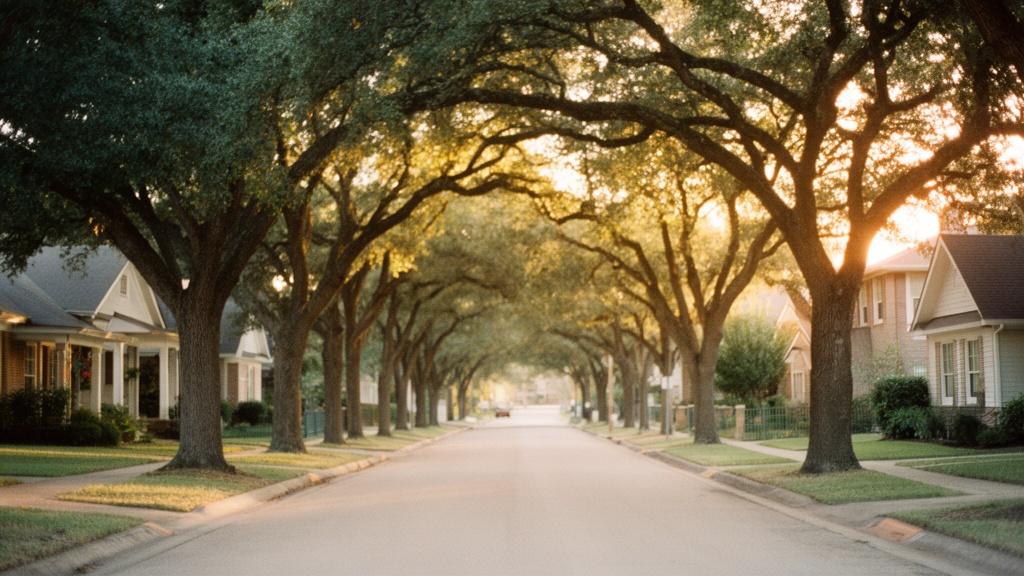
1. The Physical Layout of the Highlands and What That Means for Daily Life
The Highlands is a long, narrow corridor that stretches roughly from Eastern Parkway in the south to Cherokee Road in the north, running along the eastern edge of Louisville's urban core. Bardstown Road and Baxter Avenue form its commercial backbone, and the residential streets branch off to the east and west from there. Understanding this layout matters because where your home sits within the neighborhood determines almost everything about your daily experience, including how much street noise you hear, how far you walk to a coffee shop, and whether parking is a minor inconvenience or a daily frustration.
Bardstown Road as the Spine of the Neighborhood
Bardstown Road runs for several miles through the Highlands, and the section between Eastern Parkway and Grinstead Drive is the densest stretch, packed with independent restaurants, bars, record shops, bookstores, and coffee houses. The stretch north of Grinstead toward Cherokee Road transitions into a quieter mix of retail and residential. Homes on or immediately adjacent to Bardstown Road tend to be louder and harder to park near, while homes two or three blocks off the corridor feel noticeably more residential, even though they are still within easy walking distance of everything.
The neighborhood also borders several distinct micro-areas. The Original Highlands sits closer to Baxter Avenue and Eastern Parkway. Cherokee Triangle is a historic district north of Grinstead with some of the most architecturally significant homes in the city. Bonnycastle and Belknap are adjacent residential areas that share the Highlands' walkable character without sitting directly on the commercial strip. Buyers often discover these sub-areas only after starting their search, and understanding the differences between them can meaningfully affect both price and lifestyle.
Street Grid, Walkability, and Getting Around
The Highlands has one of the most walkable street grids in Louisville. Sidewalks are consistent throughout most of the neighborhood, and the blocks are short enough that walking to errands, restaurants, or the park is a realistic option rather than an aspiration. For buyers relocating from car-dependent suburbs, this is one of the most noticeable differences in day-to-day life.
Baxter Avenue connects the neighborhood to NuLu and downtown to the west, while Bardstown Road runs south toward the Douglass Loop and Crescent Hill to the north. The street grid means you rarely need to backtrack or navigate a cul-de-sac maze, which makes biking and walking both practical and direct.
2. What Living in the Highlands Neighborhood in Louisville KY Looks Like Day to Day
Day-to-day life in the Highlands is defined by proximity. Most residents can walk to a grocery store, a hardware store, a pharmacy, and a dozen restaurants without getting in a car, and that density of options shapes the rhythm of the neighborhood in ways that are hard to fully appreciate until you live it.
Food, Coffee, and Retail Within Walking Distance
The Highlands has more independent restaurants per block than almost any other Louisville neighborhood. Bardstown Road alone includes Thai, Ethiopian, Mexican, Japanese, and American spots, along with several coffee shops that double as neighborhood gathering points. Heine Brothers Coffee has multiple locations in and around the neighborhood and is a fixture of morning routines for many residents.
For grocery shopping, the Highlands has a Kroger on Bardstown Road and a Whole Foods nearby on Shelbyville Road, reachable in under ten minutes by car. The Douglass Loop Farmers Market, held on Saturday mornings at the Bardstown Road and Douglass Boulevard intersection, draws vendors from across the region and has been a neighborhood institution for years. Retail is largely independent, with record stores, vintage clothing shops, bookstores, and specialty boutiques filling the storefronts along Bardstown Road.
For a broader look at what the Highlands commercial strip offers, Let's Go Louisville's Highlands neighborhood guide covers the restaurant and bar scene in detail and is worth bookmarking if you are planning a visit before committing to a purchase.
Green Space and Outdoor Life
Cherokee Park is the anchor green space for the northern Highlands. Designed by Frederick Law Olmsted, the same landscape architect behind Central Park in New York, Cherokee covers roughly 409 acres and includes a paved loop road popular with runners and cyclists, a creek, open meadows, and wooded trails. Homes along Cherokee Road and within the Cherokee Triangle neighborhood are within a short walk of the park entrance.
Seneca Park borders the eastern edge of the neighborhood and offers tennis courts, a golf course, and additional trail access. Shawnee Park is further west but reachable by bike along the Olmsted parks trail system. For residents who want outdoor access without leaving the city, the Highlands sits within one of the better-served park networks in Louisville.
Noise, Density, and the Trade-Offs of Urban Living
The Highlands is an urban neighborhood, and that comes with trade-offs that buyers should think about honestly before purchasing. Homes close to Bardstown Road can hear bar noise on weekend nights, particularly in the blocks between Eastern Parkway and Grinstead Drive. Street parking is competitive near the commercial strip, and many older homes were built without driveways or garages, so off-street parking is a feature worth specifically asking about during your search.
Lot sizes in the Highlands are small by suburban standards. Most residential lots run between 3,500 and 6,000 square feet, which means yards are modest and neighbors are close. Buyers who prioritize a large private yard or significant separation from adjacent homes typically find the Highlands a poor fit and should look further east toward St. Matthews or Anchorage instead.
3. The Housing Stock: What You Actually Buy Here
The Highlands has some of the most architecturally diverse housing in Louisville, ranging from late 1800s Victorians to 1920s Craftsman bungalows to mid-century brick two-stories. This variety means buyers need to look carefully at condition, renovation history, and mechanical systems rather than assuming that a charming exterior means a move-in-ready interior.
Architecture and Home Styles
The Cherokee Triangle historic district, roughly bounded by Cherokee Road, Longest Avenue, and Grinstead Drive, contains a concentration of Queen Anne, Colonial Revival, and Tudor Revival homes built between 1890 and 1930. Many of these homes have been carefully restored and retain original woodwork, stained glass, and wide front porches. Buyers interested in historic preservation tax credits should ask specifically about properties within the designated historic district boundary, since eligibility depends on exact location.
South of Grinstead, the Original Highlands area has more modest housing stock: smaller bungalows, shotgun-style homes, and two-family duplexes mixed in with single-family houses. This section tends to have lower price points and more renovation opportunity, which attracts buyers who want to build equity through updates rather than paying a premium for a turnkey property.
Lot Sizes, Parking, and Storage
Garages are not standard in the Highlands. Many homes were built before car ownership was universal, and detached garages or carports were added later, often in the alley behind the home. Buyers moving from suburban homes with two-car attached garages should budget for the adjustment, whether that means renting a nearby storage unit, downsizing their vehicle count, or specifically filtering their search to homes that have off-street parking.
Basement storage is common in the older homes, though many basements are unfinished and some have moisture issues given the age of the construction. A thorough inspection by a licensed home inspector with experience in Louisville's older housing stock is worth the investment before making an offer on any home built before 1960.
Current Prices and What the Market Looks Like in September 2026
As of September 2026, single-family homes in the Highlands are trading in a wide range depending on sub-area, condition, and size. Smaller bungalows and Original Highlands properties are generally priced from the upper $200,000s into the mid-$400,000s. Larger, renovated Victorians in Cherokee Triangle regularly list from $500,000 to well over $800,000, with fully restored showpieces occasionally crossing seven figures.
The Highlands commands a price premium relative to comparable square footage in other Louisville neighborhoods, and that premium has held steady through 2026. Inventory remains tight, particularly for move-in-ready homes priced under $450,000, and well-priced listings in good condition still move quickly. For broader Louisville market context, the Louisville KY Real Estate Market Guide on this site covers citywide pricing trends and timing in depth.
4. Commutes and Getting Around Louisville from the Highlands
Location within Louisville gives the Highlands a commute advantage that is worth quantifying before you buy. The neighborhood sits roughly two to four miles from downtown Louisville, and the street grid makes it accessible from multiple directions without relying on a single highway interchange.
Driving to Downtown and Major Employment Centers
From the heart of the Highlands, downtown Louisville is approximately a 10 to 15 minute drive during normal traffic conditions. Baxter Avenue and Broadway are the most direct routes west toward the central business district, the University of Louisville Health campus, and the medical corridor along Chestnut Street. Rush hour adds time, but the Highlands' access to multiple parallel routes means there is usually a way to avoid the worst bottlenecks.
The University of Louisville main campus on South Third Street is roughly 15 minutes by car from the Highlands. Louisville Muhammad Ali International Airport is about 20 to 25 minutes southwest via I-264 or Poplar Level Road. The UPS Worldport hub near the airport and the Ford truck assembly plant on Fern Valley Road are both reachable in 25 to 35 minutes from the Highlands depending on traffic.
Public Transit and Biking
TARC, Louisville's public bus system, runs routes along Bardstown Road and Baxter Avenue that connect the Highlands to downtown and other parts of the city. Transit-dependent buyers should check current TARC route maps directly at ridetarc.org, since schedules and routes are updated periodically.
Biking to downtown is realistic from the Highlands. The trip is roughly 3 to 4 miles depending on your exact starting point, and the terrain is relatively flat. Louisville Cycling shares a network of bike lanes and shared paths, and the Olmsted parks trail system gives cyclists a car-free option through parts of the route. LouVelo, Louisville's bike-share program, has docking stations in and around the Highlands that make one-way trips practical.
5. Schools, Research, and What Buyers Need to Know Before Deciding
The Highlands falls within Jefferson County Public Schools, the largest school district in Kentucky. School assignments in JCPS are determined by a combination of geographic attendance zones and a choice program, and the specifics can be complex enough that buyers should research them directly rather than relying on general neighborhood assumptions.
How to Research Jefferson County Public Schools
The official source for school attendance boundaries and program information is the JCPS website at jefferson.kyschools.us. You can enter a specific property address to look up the assigned school for that address. The Kentucky Department of Education at education.ky.gov publishes school-level data including enrollment, programs offered, and state assessment participation, which gives you objective information to evaluate on your own terms.
There are also several private and parochial schools in and near the Highlands, including Assumption High School on Kresge Way and Trinity High School on Shelbyville Road, both within a 10 to 15 minute drive. Buyers who are weighing public versus private options should visit schools directly and speak with admissions staff rather than relying on secondhand accounts. For a detailed walkthrough of how to research school assignments before buying in Louisville, see the article on how to research school districts before you buy on this site.
Making the Decision That Is Right for Your Household
School assignment is a personal decision that depends on your household's priorities, and no article can make it for you. What a buyer's agent can do is confirm the exact school assignment for any property address before you make an offer, so you are not surprised after closing. If school assignment is a primary factor in your search, tell your agent upfront so the search can be filtered by attendance zone from the start.
It is also worth noting that JCPS boundaries and magnet program structures have been subject to ongoing review and adjustment. Always verify current assignments directly with the district before relying on information from a listing description or a neighbor's account, since what was true two years ago may not reflect the current boundary.
6. How the Highlands Compares to Other Louisville Neighborhoods Buyers Often Consider
Buyers who are drawn to the Highlands often also look at NuLu, St. Matthews, and Crescent Hill, and understanding how these areas differ helps clarify whether the Highlands is the right fit.
Highlands vs. NuLu
NuLu, Louisville's New Louisville district along East Market Street, is more condo and loft-heavy, with fewer single-family homes and a denser, more urban feel. It sits closer to downtown and the Ohio River. The Highlands has more single-family housing inventory and more residential street character, while NuLu leans harder into walkable urban living with less green space nearby. Buyers comparing both should read the NuLu condo buyer's guide on this site for a detailed breakdown of what the NuLu market looks like.
Highlands vs. St. Matthews
St. Matthews is about 3 miles northeast of the Highlands along Shelbyville Road and has a more suburban character, with larger lots, more garages, and newer construction mixed in with mid-century ranch homes. Median prices in St. Matthews are broadly comparable to the Highlands, though you typically get more square footage and more parking for the money. Walkability is lower in St. Matthews, which is more car-dependent for daily errands. The St. Matthews buyer's guide on this site covers the St. Matthews market in detail if you want to compare both options side by side.
Highlands vs. Crescent Hill
Crescent Hill is directly north of the Highlands along Frankfort Avenue and shares a similar urban residential character, with older housing stock, walkable retail, and tree-lined streets. Frankfort Avenue's restaurant and bar scene is smaller and quieter than Bardstown Road, which some buyers prefer. Home prices in Crescent Hill tend to run slightly lower than comparable Highlands properties, and the neighborhood has a similar lot-size profile.
7. What Buyers Often Overlook When Considering the Highlands
There are several practical realities about living in the Highlands that do not show up in listing photos and are worth knowing before you make an offer.
Older Homes Mean Older Systems
The majority of homes in the Highlands were built between 1890 and 1960, and while many have been updated, buyers should budget for the possibility of older electrical panels, cast iron or clay sewer lines, original plaster walls, and aging HVAC systems. A sewer scope inspection is worth adding to your standard inspection package on any home built before 1970, since tree root intrusion into clay sewer lines is common in neighborhoods with mature street trees.
Flood Zone Awareness
Portions of the Highlands near Beargrass Creek and its tributaries sit in or near FEMA-designated flood zones. Flood insurance requirements and premiums vary significantly depending on the specific parcel's flood zone designation. Buyers should pull the FEMA flood map for any property they are seriously considering and ask their insurance agent for a flood insurance quote before removing contingencies, since this cost is not reflected in the listing price.
Historic Overlay Restrictions
Properties within the Cherokee Triangle Historic District are subject to Louisville Metro's historic overlay zoning, which governs exterior alterations including window replacements, siding changes, porch modifications, and additions. Buyers who plan to renovate should review the historic preservation guidelines through Louisville Metro's Planning and Design Services office before purchasing, since some planned changes may require a Certificate of Appropriateness before work can begin.
None of these factors are reasons to avoid the Highlands, but they are things that experienced buyers and their agents account for during due diligence. Knowing them in advance puts you in a much better position to make a confident offer and avoid surprises after closing.
FAQ
What is it like to live in the Highlands neighborhood in Louisville KY on a daily basis?
Daily life in the Highlands is defined by walkability and proximity to independent businesses, restaurants, and green space. Most residents can handle a significant portion of their errands on foot, and the neighborhood's street grid makes biking and walking practical rather than aspirational. The trade-off is that lots are small, parking near the commercial strip is competitive, and homes close to Bardstown Road can be noisy on weekend evenings. Buyers who prioritize urban convenience over yard space and suburban quiet tend to find the Highlands a strong fit, while those who want more land and separation from neighbors typically look further east in Louisville.
How much do homes in the Highlands neighborhood in Louisville KY cost in 2026?
As of September 2026, home prices in the Highlands range widely based on sub-area, size, and condition. Smaller bungalows and Original Highlands properties generally start in the upper $200,000s and run into the mid-$400,000s. Larger, renovated Victorians in the Cherokee Triangle historic district list from $500,000 to over $800,000, with fully restored showpieces occasionally exceeding $1 million. The Highlands commands a premium over comparable square footage in many other Louisville neighborhoods, and inventory for move-in-ready homes under $450,000 has remained tight through 2026. Buyers should expect to move quickly on well-priced listings.
What should buyers know about older homes in the Highlands before making an offer?
Most Highlands homes were built between 1890 and 1960, which means buyers should plan for a thorough inspection that includes a sewer scope, electrical panel review, and assessment of the roof and HVAC systems. Cast iron or clay sewer lines are common in this age of housing and can be subject to tree root intrusion from the neighborhood's mature street trees. Properties in the Cherokee Triangle Historic District also carry exterior renovation restrictions under Louisville Metro's historic overlay zoning, so buyers with renovation plans should review those guidelines before purchasing. Budgeting for deferred maintenance is standard practice for buyers in this market, and working with an agent who knows the neighborhood's typical inspection findings saves time and money.