← Back to Blog
Selling
Selling a Home in Anchorage, Ky Consistently Gets the Best Results: Pricing, Timeline
By Missy Klein, Licensed Real estate Broker in Kentucky and Florida
Missy Klein Realty
September 2, 2026 · 11 min read
Selling a home in Anchorage, KY consistently gets the best results when sellers understand exactly how this small, distinct Louisville-area community is priced, how long the process takes, and what buyers in this market are actually looking for. Anchorage sits just 12 miles east of downtown Louisville along US-42, and its combination of large lots, mature trees, and older estate-style homes creates a market that behaves very differently from nearby St. Matthews or the Bardstown Road corridor. This guide walks you through every stage of the Anchorage selling process so you can go into it with clear expectations.
1. What Makes the Anchorage, KY Market Distinct
Anchorage is one of the most geographically contained real estate markets in the Louisville metro area. The city covers roughly 5.5 square miles and has a population of around 2,400 people. Because the city incorporated to preserve its low-density character, there is very little new construction. Nearly every home that comes to market is a resale, which means buyers are competing for a finite and rarely replenished pool of properties.
Housing Stock and Lot Sizes
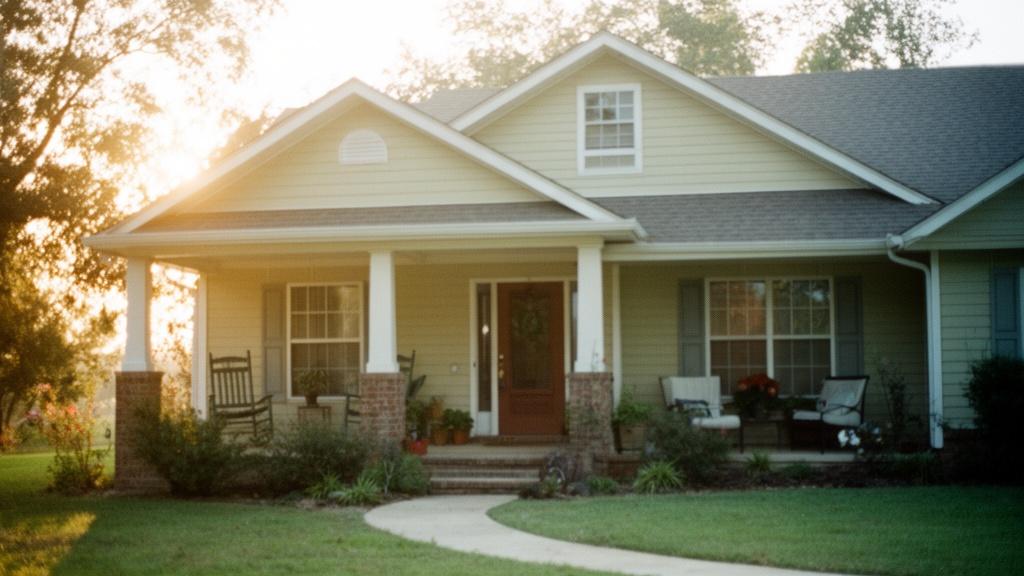
The typical Anchorage property sits on a lot of one acre or more, often with mature hardwoods, private driveways, and homes built anywhere from the 1920s through the 1990s. Architectural styles range from brick Colonial and Tudor Revival to ranch-style homes and newer custom builds that replaced older structures. Square footage commonly runs between 2,800 and 6,000 square feet, and many homes include features like detached garages, guest houses, or carriage houses that add complexity to the appraisal process.
Anchorage borders Prospect to the north, Glenview to the west, and the broader eastern Jefferson County communities to the south and east. The city has no commercial zoning to speak of, so residents typically drive to Middletown, St. Matthews, or the Westport Road corridor for groceries, dining, and retail. That intentional separation from commercial activity is a defining feature of the community and shapes what buyers expect when they shop here.
Who Is Buying in Anchorage Right Now
Buyers shopping in Anchorage in September 2026 are overwhelmingly move-up purchasers who already own property in the Louisville metro. They know the area, they have done their research, and they arrive with specific expectations around lot privacy, home condition, and architectural character. Relocation buyers also make up a meaningful share of the pool, particularly those moving from Cincinnati, Indianapolis, or Nashville who are drawn to the Louisville metro's lower cost of living relative to those markets. If you want a broader picture of what drives buyer demand across Louisville, the Louisville, KY Real Estate Market Guide covers metro-wide trends in detail.
How Anchorage Compares to Surrounding Louisville Communities
Anchorage price-per-square-foot figures consistently run above the Louisville metro median. Where a 3,000-square-foot home in the eastern suburbs of Middletown or Jeffersontown might trade in the $250 to $300 per square foot range, comparable square footage in Anchorage often commands $320 to $400 per square foot or more, depending on lot size, condition, and recent updates. The scarcity of inventory is the primary driver of that premium. In a given calendar year, fewer than 30 homes may sell within Anchorage city limits, which makes each comparable sale critically important when pricing a new listing.
2. Pricing Your Anchorage Home to Sell
Pricing is the single decision that most determines whether selling a home in Anchorage, KY consistently gets the best results or drags on for months with price reductions. Because inventory is so limited, sellers sometimes assume the market will absorb any price. It will not. Buyers at this price point are sophisticated, they have seen other properties, and they will walk away from an overpriced listing rather than negotiate aggressively.
What Anchorage Homes Are Selling For in September 2026
As of September 2026, median sale prices for single-family homes within Anchorage city limits are running in the $900,000 to $1.3 million range for the bulk of the market, with outliers on both ends. Entry-level Anchorage properties, typically smaller ranch homes on slightly under an acre, have been trading closer to $700,000 to $850,000. Estate-scale properties with four or more acres, guest quarters, or significant renovation work can reach $2 million or above. Days on market for correctly priced homes has been running between 25 and 50 days, which is longer than the metro-wide average but reflects the smaller buyer pool at this price point rather than any softness in demand.
The Danger of Overpricing in a Low-Inventory Market
Low inventory is not a license to overprice. When a home sits for more than 60 days in Anchorage, buyers begin to wonder what is wrong with it, even if the answer is simply that the price was set too high from the start. Price reductions in a luxury-adjacent market carry a stigma that can follow a listing for months. A home that starts at $1.4 million and drops to $1.25 million after 75 days will often sell for less than a home that was priced at $1.25 million from day one.
The NAR's resource guide on determining asking price outlines the core methodology agents use to anchor a list price to verifiable market data, including how to weight recent sales, active competition, and absorption rate. For Anchorage sellers, that methodology matters more than in higher-volume markets because each comparable sale carries more statistical weight when there are only a handful of them.
How to Build a Defensible List Price
A strong comparative market analysis for an Anchorage home will draw on sold data from within the city limits first, then expand to Glenview, Prospect, and the higher-end pockets of Oldham County if needed to fill gaps. Adjustments must account for lot acreage, because a two-acre lot commands a meaningful premium over a half-acre lot even when the homes are identical in size and condition. Pool presence, guest house square footage, and the age of major systems like HVAC, roof, and windows all factor into the final figure. A well-supported list price is one a seller can defend to an appraiser, because the appraisal is where deals at this price point most commonly fall apart.
3. The Anchorage Selling Timeline: What to Expect at Each Stage
From the day you decide to sell to the day you hand over keys, the Anchorage process typically takes three to five months when everything runs smoothly. That is longer than the Louisville metro average for mid-priced homes, but it reflects the deliberate pace of buyers in this price range and the additional complexity of older, larger homes. Planning for that timeline rather than fighting it is one of the most important mindset shifts a seller can make.
Preparation and Pre-Listing
Allow four to eight weeks before your target list date for preparation work. Anchorage homes often have deferred maintenance items that are invisible to owners who have lived with them for years but immediately apparent to a buyer's inspector: aging slate or wood shake roofs, older septic systems, knob-and-tube wiring in pre-1950s homes, or HVAC systems past their useful life. Addressing these before listing, or at minimum disclosing them and pricing accordingly, prevents deals from collapsing in the inspection period.
Landscaping matters enormously in Anchorage because the lot is a primary selling feature. Overgrown tree lines, neglected garden beds, or a driveway with cracked pavement will undercut the impression of a well-maintained home before a buyer even steps inside. Budget for a professional landscape cleanup and, if the driveway is the first thing buyers see, consider whether a reseal or partial repaving is worth the investment.
Days on Market and Offer Stage
Correctly priced Anchorage homes in September 2026 are receiving serious inquiries within the first two to three weeks of listing. Unlike the sub-$500,000 Louisville market where multiple offers in the first weekend are common, Anchorage buyers typically take one to two weeks to schedule a showing, return for a second visit, and consult with their advisors before submitting an offer. Do not interpret a slower pace as lack of interest. Buyers at this price point are methodical, and a patient seller who holds price will generally do better than one who panics and reduces after two weeks of activity.
From Contract to Closing
Once a contract is signed, plan on 45 to 60 days to closing for most Anchorage transactions. Buyers using jumbo mortgage financing, which is common at Anchorage price points, often face stricter underwriting timelines than conventional loan borrowers. The appraisal process for a $1 million-plus property in a low-volume market can also take longer because appraisers must do more research to support the value. Build that buffer into your moving plans rather than assuming a 30-day close.
4. Presentation, Staging and Marketing in Anchorage
Presentation is where sellers in Anchorage can meaningfully influence both the speed of their sale and the final price. Research from the National Association of Realtors consistently shows that staged homes sell faster and for more money than unstaged ones. According to the NAR staging report, a significant share of buyers' agents report that staging made it easier for their clients to visualize the property as their future home, which directly accelerates the decision to offer.
Staging Larger Homes for Faster Sales
Staging a 4,000-square-foot Anchorage home is a different challenge than staging a 1,800-square-foot suburban ranch. Large, formal rooms that owners have used as home offices or storage spaces for years can read as cold and purposeless in listing photos. A professional stager who works in the Louisville luxury market will know how to give those rooms a clear function without making the home feel like a showroom. Focus staging investment on the entry, the primary living spaces, the kitchen, and the primary bedroom suite. Those are the rooms buyers remember.
If the home is vacant, full staging is worth the cost at Anchorage price points. An empty 5,000-square-foot home photographs poorly, feels cavernous during showings, and gives buyers no reference for how their own furniture would fit. The staging investment of $3,000 to $8,000 for a large Anchorage home is a small fraction of a potential price reduction.
Photography, Video and Digital Reach
Professional photography and aerial drone footage are non-negotiable for Anchorage listings. The lot is often as compelling as the home itself, and ground-level photos cannot capture a two-acre wooded property the way an aerial shot can. Video walkthroughs have become a standard expectation for buyers who are relocating from other cities and may not be able to visit in person before making an offer. A buyer moving from Nashville or Cincinnati needs to feel confident enough in the property to commit before they fly in, and video is what bridges that gap.
Anchorage-Specific Buyer Expectations
Buyers in Anchorage expect a home that has been genuinely maintained, not cosmetically refreshed. Fresh paint and new light fixtures will not mask a 20-year-old HVAC system or a roof that is past its warranty. This buyer pool has the resources to hire thorough inspectors and the willingness to walk away if they feel a seller has hidden problems behind cosmetic updates. Transparency about the home's age, systems, and any known issues builds trust and keeps deals together through the inspection period.
5. Negotiation, Inspections and Closing Costs
The period between accepted offer and closing is where Anchorage transactions most often hit turbulence. Understanding the most common friction points in advance lets sellers respond strategically rather than emotionally when issues arise.
What Buyers Negotiate Most in Anchorage
Anchorage buyers negotiate most aggressively on inspection findings and on items that affect the appraised value. A buyer who discovers a failing septic system or a roof with two years of life left will typically request either a price reduction or a seller credit at closing rather than asking the seller to make repairs. Seller credits are often preferable for both parties because they close faster and give the buyer control over who does the work. Be prepared to negotiate on these items; building some flexibility into your net proceeds expectation before you list will reduce stress when the inspection report arrives.
Inspection Issues Common to Older Anchorage Homes
Homes built before 1970 in Anchorage frequently surface inspection findings around electrical panels, plumbing materials, and foundation drainage. Older homes may have original cast iron drain lines, galvanized water supply pipes, or electrical panels that no longer meet current code. Septic systems that have not been inspected or pumped recently are a common source of buyer concern, particularly on larger lots where the system is older. If you have records of recent service on major systems, gather them before listing. Documentation of a recently pumped septic, a newer roof with a transferable warranty, or a recently replaced HVAC system can meaningfully reduce buyer anxiety during the inspection period.
Seller Closing Costs in Kentucky
Kentucky sellers should budget for closing costs that typically total between 7 and 9 percent of the sale price when agent commissions are included. On a $1.1 million Anchorage home, that range translates to roughly $77,000 to $99,000 in total selling costs. The largest line items are agent commissions, Kentucky transfer tax (which runs $0.50 per $500 of value, or 0.1 percent), title insurance, and any prorated property taxes owed at closing. Jefferson County property taxes on a home assessed at $900,000 to $1.2 million can represent a meaningful proration depending on where in the calendar year you close.
If you are selling in Anchorage and also purchasing elsewhere in the Louisville metro, coordinating the timing of both transactions is one of the most logistically complex parts of the process. The Moving to Louisville: A Complete Relocation Guide covers the buyer side of that equation in detail, including what to expect from Louisville's different price tiers and how to navigate contingency offers.
Sellers who are also relocating out of the Louisville area entirely should read the Moving to Louisville KY Guide: What to Know Before You Buy to understand how buyers approaching Louisville from other markets think about the Anchorage area relative to the broader metro, which can sharpen your marketing message.
FAQ
What time of year is best for selling a home in Anchorage, KY?
Spring, specifically March through May, has historically produced the most buyer activity in Anchorage, consistent with Louisville metro patterns. However, because Anchorage sees so few listings in any given year, well-prepared homes sell in every season. A home listed in September 2026 faces less competition than one listed in April, which can offset the slightly smaller buyer pool that comes with fall timing. The more important variable is pricing and condition, not the calendar month.
Do I need to disclose septic system issues when selling a home in Anchorage, KY?
Kentucky law requires sellers to complete a residential property disclosure form that covers known material defects, and septic system condition is a category that falls within that requirement. Sellers who are aware of a failing or aging septic system and do not disclose it face potential legal liability after closing. The more practical approach is to have the system inspected and pumped before listing, document the service, and disclose any findings proactively. Buyers in Anchorage expect older homes to have older systems; transparency is far less damaging than a discovery during inspection.
How does the appraisal process work for a high-value Anchorage home?
Appraisals for Anchorage homes priced above $800,000 often require a jumbo or high-value property appraisal, which takes longer and involves more research than a standard appraisal. Because Anchorage has a small number of annual sales, appraisers frequently need to expand their comparable search radius to include Glenview, Prospect, or Oldham County properties, and then make adjustments for location and lot size differences. Sellers can support the appraisal process by providing a list of recent improvements with dates and costs, documentation of major system replacements, and any unique features that might not be visible to the appraiser during a brief visit. A low appraisal is one of the most common reasons high-value Louisville-area deals fall apart, so preparation on the front end is worth the effort.