← Back to Blog
Neighborhoods
The Highlands Neighborhood of Louisville, KY Real Estate Market Guide: Prices, Neighborhoods and Timing
By Missy Klein, Licensed Real estate Broker in Kentucky and Florida
Missy Klein Realty
September 3, 2026 · 10 min read
The Highlands neighborhood of Louisville, KY is one of the city's most active real estate markets, drawing buyers who want walkable streets, historic architecture, and proximity to Bardstown Road's restaurants and shops. This guide covers current prices, the distinct sub-neighborhoods within the Highlands, what the housing stock actually looks like, and how to time a purchase or sale in this part of Louisville in 2026.
1. What Is the Highlands in Louisville, KY?
The Highlands is a broad corridor of Louisville neighborhoods running roughly from Eastern Parkway in the south to the Cherokee Triangle and Seneca Garden areas in the north, and from Baxter Avenue east toward Grinstead Drive and beyond. Most locals use the term loosely to describe the stretch of activity centered on Bardstown Road and Frankfort Avenue, but the official boundaries recognized by Louisville Metro Government are more specific. Understanding where the Highlands begins and ends matters for buyers, because property values, lot sizes, and housing character shift noticeably from one block to the next.
Geographic Boundaries and Sub-Neighborhoods
The Highlands contains several distinct sub-neighborhoods, each with its own character and price range. Cherokee Triangle sits at the northern end and is the most architecturally preserved section, with Victorian-era homes on tree-lined streets like Cherokee Road and Alta Vista Road. Bonnycastle, Deer Park, and Belknap occupy the middle portion of the corridor and offer a mix of bungalows, two-stories, and infill construction. Germantown and Schnitzelburg sit at the southern edge and are technically separate neighborhoods, though many buyers lump them into the broader Highlands search area because of their proximity to Bardstown Road.
For buyers researching this area, it is worth noting that a home listed as being 'in the Highlands' could be in any of these sub-areas. Confirming the specific street and sub-neighborhood before scheduling a showing will save time and prevent surprises about price or property type.
What the Streets Actually Look Like
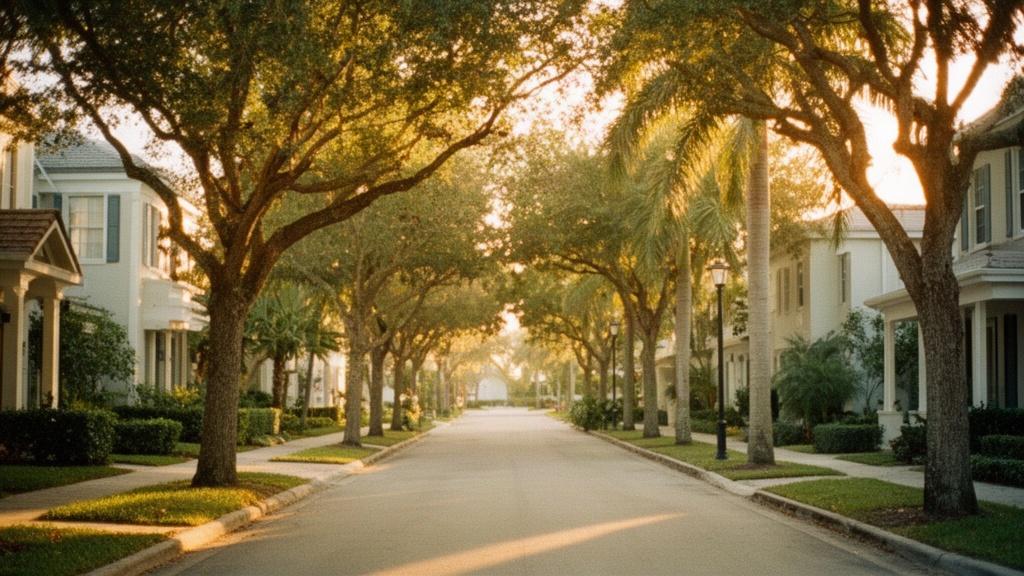
Mature tree canopy is one of the most consistent features across the Highlands. Streets like Cherokee Road, Longest Avenue, and Grinstead Drive have sidewalks on both sides and are lined with oaks and maples that are decades old. Lots tend to be narrower than those in Louisville's eastern suburbs, typically ranging from 40 to 60 feet wide, which means homes sit close together. Rear-access alleys are common in Cherokee Triangle and parts of Bonnycastle, allowing garages to be set back from the street and preserving the pedestrian feel of the block.
2. Highlands Louisville KY Real Estate Market: Current Prices and Inventory
The Highlands real estate market in Louisville, KY remains competitive as of September 2026, with well-priced listings in the core sub-neighborhoods still attracting multiple offers within the first week. Prices have held firm compared to the broader Louisville market, supported by limited land for new construction and consistent buyer demand for walkable, established neighborhoods.
Median Sale Prices as of September 2026
Prices vary significantly by sub-neighborhood and property type. In Cherokee Triangle, fully updated Victorian homes are regularly trading in the $550,000 to $800,000 range, with unrenovated properties starting closer to $350,000 for buyers willing to take on a project. Bonnycastle and Deer Park bungalows and two-story colonials are currently selling in the $380,000 to $550,000 range depending on square footage and condition. In Belknap and the southern portions of the corridor, prices dip into the $280,000 to $400,000 range, offering entry points for buyers who want proximity to Bardstown Road at a lower price.
For a broader look at how the Highlands fits into Louisville's overall pricing landscape, the Louisville, KY Real Estate Market Guide: Prices, Neighborhoods and Timing on this site covers citywide trends and comparisons across Louisville's major areas.
Inventory Levels and Days on Market
Inventory in the Highlands has been tight throughout 2026. At any given time, there are typically fewer than 30 active single-family listings across the entire Highlands corridor, which creates urgency for buyers who find a property they like. Well-priced homes in Cherokee Triangle and Bonnycastle are spending an average of 8 to 14 days on market before going under contract, while properties needing significant work or priced above recent comparables are sitting closer to 30 to 45 days.
A detailed analysis of Highlands market activity, including historical absorption rates, is available through resources like this comprehensive Highlands Louisville housing market analysis, which tracks how the neighborhood has moved over time.
How the Highlands Compares to the Broader Louisville Market
The Highlands trades at a premium over Louisville's citywide median. Louisville's overall median sale price for single-family homes as of September 2026 sits in the low-to-mid $280,000s, while the Highlands median runs roughly 30 to 50 percent higher depending on the sub-neighborhood. That premium reflects the walkability, the architectural stock, and the concentration of restaurants, coffee shops, and independent retail within walking distance of most front doors in the area.
3. Housing Stock: What You Will Find in the Highlands
The Highlands offers a wide range of property types, from fully renovated Victorians to original-condition bungalows to newer condo buildings, all within a compact geographic area. Understanding what you are likely to encounter in each price range helps buyers set realistic expectations before they start scheduling showings.
Architectural Styles and Lot Sizes
Victorian and Craftsman homes dominate Cherokee Triangle and the northern Highlands. These homes were built primarily between 1890 and 1930 and range from 1,400 to over 3,500 square feet. Original details like decorative woodwork, transom windows, and wide front porches are common, though the condition of those details varies enormously from one property to the next.
Moving south into Bonnycastle, Deer Park, and Belknap, the stock shifts toward American Foursquares, brick bungalows, and Cape Cods built between the 1920s and 1950s. These homes typically run 1,000 to 1,800 square feet on lots of 4,500 to 6,500 square feet. Detached garages are common but not universal, and many homes have had additions built in the 1970s and 1980s that expanded the footprint but did not always match the original architecture.
Condos and Multi-Family Properties
Condo and attached housing options exist throughout the Highlands, particularly along Bardstown Road and near the Baxter Avenue corridor. Converted Victorian homes with two or three units are common, and some of these have been converted back to single-family use while others remain income-producing properties. Purpose-built condo buildings in the Highlands tend to be smaller, four to twelve unit buildings rather than large complexes, and they currently trade in the $175,000 to $320,000 range depending on size and finishes.
If you are comparing condo options across Louisville's urban neighborhoods, the Condos for Sale in NuLu Louisville buyer guide covers how the NuLu condo market differs from what you will find in the Highlands corridor.
What Buyers Should Inspect
Older housing stock comes with specific inspection priorities that buyers should plan for in the Highlands. Foundation issues are not uncommon in homes built before 1940, particularly in areas with clay-heavy soil. Knob-and-tube wiring, cast iron drain lines, and original plaster walls are present in many unrenovated homes and can affect both insurability and renovation budgets. Buyers should budget for a thorough inspection and, for homes built before 1978, a lead paint assessment as well.
4. Timing the Highlands Real Estate Market: When to Buy or Sell
Timing in the Highlands follows Louisville's broader seasonal patterns but with some nuances specific to this neighborhood's tight inventory and high demand. Knowing when competition peaks and when it eases can make a meaningful difference in the price a buyer pays or the speed at which a seller closes.
Seasonal Patterns in the Highlands
Spring is the most active season for the Highlands real estate market. March through June typically brings the highest number of new listings and the most buyer competition. Homes listed during this window in 2026 have been receiving offers at or above asking price, and inspection contingency waivers have appeared on competitive offers in Cherokee Triangle and Bonnycastle.
Late summer and fall bring a modest slowdown in new listings but buyer demand does not disappear entirely. September through November can be a useful window for buyers who want slightly less competition, since some buyers exit the market after the spring rush. Sellers who list in this window often find a smaller pool of buyers but one that is more motivated, which can still produce strong outcomes on a well-prepared home.
Rate Environment and Buyer Demand in 2026
Mortgage rates have remained a central factor in buyer purchasing power throughout 2026. Even modest rate movement affects how much home a buyer can afford at the Highlands' price points, where a $500,000 purchase at a 6.5 percent rate carries a meaningfully different monthly payment than the same home at 7.25 percent. Buyers who have been pre-approved and are ready to move quickly are at a significant advantage in this market, since the window between a new listing appearing and offers being due can be as short as four to five days.
Seller Timing Considerations
Sellers in the Highlands benefit from listing before the market gets crowded with competing inventory. In practical terms, that means preparing a home in January and February so it can launch in early March, ahead of the wave of spring listings. Pricing accurately from day one is critical in this neighborhood: overpriced homes in the Highlands sit and accumulate days on market, which signals to buyers that something is wrong even if the only issue was the original price.
For a detailed breakdown of the selling process and what to expect from pricing through closing in Louisville, the Selling a Home in Louisville, KY: Pricing, Timeline and What to Expect guide covers each stage in depth.
5. Relocating to the Highlands: Commutes, Amenities, and What to Research
People relocating to Louisville frequently target the Highlands because of its density of walkable amenities and its central position in the city. Before committing to a specific block or sub-neighborhood, it is worth understanding what the daily logistics of living here look like.
Commute Times from the Highlands
The Highlands sits roughly 3 to 5 miles from downtown Louisville, making it one of the closer residential areas to the central business district. A drive from Cherokee Triangle to the corner of Fourth and Main in downtown Louisville takes approximately 10 to 15 minutes outside of peak hours and 20 to 25 minutes during the morning and evening commute windows. The Highlands is also served by TARC bus routes along Bardstown Road, providing transit access to downtown and the University of Louisville campus without a car.
For those commuting east toward Shelbyville Road or the Blankenbaker corridor, the Highlands adds roughly 20 to 30 minutes to that drive depending on traffic. Buyers who commute to the airport at Louisville Muhammad Ali International should plan on 20 to 30 minutes via I-264, depending on where in the Highlands they are starting from.
Parks, Dining, and Local Landmarks
Cherokee Park is the anchor green space for the Highlands, covering over 400 acres of Frederick Law Olmsted-designed landscape at the neighborhood's northern edge. The park includes paved loop roads popular with runners and cyclists, open meadows, a creek, and picnic areas. Seneca Park, which sits adjacent to the eastern side of the Highlands, adds another 70-plus acres with tennis courts, a golf course, and athletic fields.
Bardstown Road from Eastern Parkway north to the Baxter Avenue intersection is the commercial spine of the Highlands. It contains an unusually dense concentration of independent restaurants, coffee shops, bookstores, vintage clothing shops, and live music venues for a neighborhood of this size. Frankfort Avenue, which runs through the northern edge of the Highlands into Crescent Hill, adds another corridor of locally owned businesses including art galleries, wine bars, and specialty food shops.
Schools and Other Research You Should Do Yourself
School assignment in Louisville is determined by Jefferson County Public Schools boundaries and magnet program enrollment, and those boundaries can shift. For any home you are seriously considering, confirm the current school assignment directly with JCPS using their official boundary tool at jefferson.kyschools.us, since a street address in the Highlands can fall into different assignment zones depending on which side of a boundary line it sits. This site's guide on how to research school districts before you buy in Louisville walks through exactly how to verify assignment and what questions to ask the district.
For crime and public safety data, Louisville Metro Police Department publishes neighborhood-level incident reports at louisvilleky.gov, which allows you to look at specific streets rather than relying on broad area generalizations. These are decisions that are personal and worth researching directly rather than relying on secondhand descriptions.
If you are still in the early stages of figuring out which Louisville neighborhood fits your priorities, the Moving to Louisville: A Complete Relocation Guide covers how the Highlands compares to other areas across the city in terms of commute, housing cost, and available amenities.
FAQ
What is the average home price in the Highlands neighborhood of Louisville, KY in 2026?
As of September 2026, prices in the Highlands range from roughly $280,000 for entry-level bungalows in the southern portions of the corridor to over $800,000 for fully renovated Victorians in Cherokee Triangle. The middle of the market, covering Bonnycastle, Deer Park, and Belknap, sits primarily in the $380,000 to $550,000 range. The wide spread reflects differences in sub-neighborhood, square footage, and renovation level rather than a single average that applies across the board. Buyers should narrow their search to a specific sub-area and property type to get a realistic sense of what their budget will buy.
Is the Highlands a buyer's market or a seller's market right now?
The Highlands is currently a seller's market as of September 2026, driven by low inventory and consistent buyer demand. Active single-family listings across the entire corridor rarely exceed 30 at any given time, and well-priced homes in Cherokee Triangle and Bonnycastle are going under contract in under two weeks. Buyers who are pre-approved and prepared to move quickly are in a much stronger position than those who are still arranging financing when a listing appears. That said, homes that are overpriced or need significant work are sitting longer, so buyers do have some negotiating room on those properties.
What should I know about the housing stock in the Highlands before I start looking?
Most homes in the Highlands were built between 1890 and 1955, which means buyers are almost always dealing with older systems and materials. Knob-and-tube wiring, cast iron plumbing, original plaster walls, and older HVAC systems are common in unrenovated properties. Foundation monitoring is worth asking about specifically, since Louisville's clay soil can cause settling in homes of this age. A thorough home inspection from an inspector experienced with pre-war housing is essential, and buyers should budget for potential updates to electrical, plumbing, or roofing even on homes that appear move-in ready. The architectural character that makes these homes appealing comes with maintenance responsibilities that newer construction does not.