
← Back to Blog
Neighborhoods
What Is It Actually Like to Live in Alton Village in Burlington Compared to Millcroft?
By Nayaki Penumarthy
September 24, 2026 · 11 min read
If you are comparing Alton Village and Millcroft as you search for a home in Burlington, you are asking one of the most common questions buyers in this city face. Both neighbourhoods sit in Burlington's north end, yet they feel quite different on the ground, from the age of the homes and the layout of the streets to the price points and the daily routines they support. This guide breaks down what daily life looks like in each area so you can make a genuinely informed decision.
1. Where Each Neighbourhood Sits in Burlington
Both neighbourhoods sit in Burlington's north end, but they occupy different pockets of the city. Understanding their geography is the first step to understanding how daily life unfolds in each one.
Alton Village: Location and Layout
Alton Village occupies the northwest corner of Burlington, roughly bounded by Appleby Line to the west, Dundas Street to the north, Walkers Line to the east, and Derry Road to the south. It is one of Burlington's newest large residential communities, with most of its development happening after 2000 and continuing well into the 2010s. The street grid is relatively open, with wider collector roads feeding into cul-de-sacs and crescents, and the overall feel is of a planned community that was built in phases. You can read a detailed overview of the neighbourhood's boundaries and character on Burlington Neighbourhoods.
Millcroft: Location and Layout
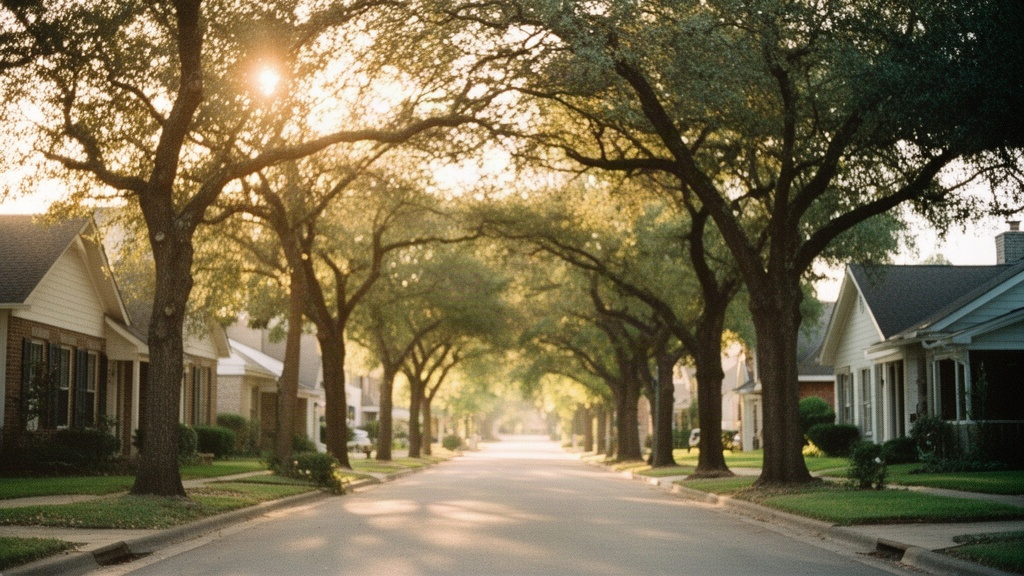
Millcroft sits east of Walkers Line, roughly between Upper Middle Road to the south and Dundas Street to the north, with Appleby Line marking its eastern edge. It is an older community than Alton Village, with most homes built between the mid-1980s and the late 1990s. The neighbourhood wraps around the Millcroft Golf Course, a private 18-hole course that winds through the residential streets and gives many properties backing onto the fairways a distinct sense of open space. The street layout here feels more organic than Alton Village, with curved roads and mature tree canopies that reflect the neighbourhood's age.
2. Housing Stock, Architecture, and Price Ranges
The clearest difference between living in Alton Village and Millcroft shows up in the homes themselves. Age of construction, architectural style, lot sizes, and price points all diverge in ways that matter when you are deciding where to put down roots in Burlington.
What Homes Look Like in Alton Village
Alton Village offers a wide range of housing types, which is one of the reasons so many buyers land here. You will find detached two-storey homes, semi-detached properties, townhouses (both freehold and condo), and stacked townhomes, all built to post-2000 standards. Interior layouts tend toward open-concept main floors, attached double garages on the larger detached homes, and finished basements. Lot sizes on detached homes typically run from about 30 feet wide on smaller lots to 40 to 50 feet on the larger ones. As of September 2026, detached homes in Alton Village are generally trading in the range of $1.1 million to $1.5 million depending on size and lot, while freehold townhomes are moving in the $800,000 to $950,000 range. Stacked townhomes and condo towns can be found starting closer to $600,000.
The newer construction also means buyers face fewer surprises with major systems. Roofs, HVAC systems, and windows on homes built after 2005 are generally still within their expected service life, which can reduce short-term maintenance costs compared to older housing stock. For a closer look at the neighbourhood's property landscape, Genuine Realtor's Alton Village guide provides additional context on the community's development history.
What Homes Look Like in Millcroft
Millcroft is almost exclusively detached single-family homes, with some executive-style semis near its edges. The architecture reflects the late 1980s and 1990s: brick exteriors, traditional two-storey layouts, formal dining rooms, and larger lot sizes than most of what Alton Village offers. Lots of 45 to 60 feet wide are common, and homes backing onto the golf course can sit on even larger parcels. Homes here are generally bigger in square footage than comparable-priced properties in Alton Village, and the mature landscaping, established trees, and wider streets give the area a settled character that newer communities simply cannot replicate.
As of September 2026, detached homes in Millcroft are generally priced between $1.2 million and $1.8 million, with golf-course-backing properties and fully renovated homes pushing toward the upper end of that range. Because the homes are older, buyers should budget for updates: kitchens and bathrooms in homes that have not been renovated since original construction can require meaningful investment, and buyers should commission thorough home inspections to assess the condition of roofing, windows, and mechanical systems on homes that are now 30 to 40 years old.
3. Commutes, Transit, and Getting Around
Both neighbourhoods are car-dependent for most daily tasks, but their highway access and transit options differ in ways that affect your morning routine. If you commute regularly, this section is worth reading carefully before you decide between the two.
Getting Out of Alton Village
Alton Village's position in the northwest corner of Burlington means your primary highway connection is the 407 ETR, accessible via Appleby Line or Walkers Line interchanges within roughly five to eight minutes of most Alton Village addresses. The 407 is a toll highway, so commuters heading to Mississauga, Brampton, or Toronto who use it regularly should factor that cost into their monthly budget. For those who prefer the 403 or QEW, the drive south on Walkers Line or Appleby Line to those corridors takes approximately 15 to 20 minutes in normal traffic conditions. Burlington Transit routes do serve Alton Village, with connections toward the Appleby GO Station, which is roughly a 10-minute drive or a longer bus ride from the neighbourhood's core.
For GO Train commuters, Appleby GO is the closest station and sits on the Lakeshore West line, offering service into Union Station in Toronto. Peak-hour trains run frequently enough to make GO commuting practical for many residents. The drive from Alton Village to Appleby GO is straightforward, and the station has a large commuter parking lot, though it fills early on weekday mornings.
Getting Out of Millcroft
Millcroft's position slightly further east and south of Alton Village gives it a marginally shorter drive to the QEW and 403 via Upper Middle Road or Appleby Line. Most Millcroft addresses can reach the QEW in roughly 12 to 18 minutes depending on traffic. The Appleby GO Station is also accessible from Millcroft, though the drive is similar in length to Alton Village. Burlington Transit routes run along Appleby Line and Upper Middle Road, providing connections to the GO network. Residents who work in Hamilton or the western GTA may find Millcroft's highway access slightly more direct for those routes, while those heading deep into Toronto's core will likely find the GO Train the most practical option regardless of which neighbourhood they choose.
4. Parks, Amenities, and Daily Errands
Day-to-day convenience looks different in Alton Village versus Millcroft, and the gap is more significant than many buyers expect. Here is what you can actually walk to, drive to in under five minutes, and access on foot in each neighbourhood.
Everyday Life in Alton Village
Alton Village has significantly more retail infrastructure than Millcroft, largely because it was developed alongside commercial plazas. The Alton Village shopping area along Appleby Line and Dundas Street includes a Walmart Supercentre, a Real Canadian Superstore, Canadian Tire, Dollarama, a variety of restaurants, a Rona, and several medical and dental offices. Residents can handle most weekly errands without leaving the immediate area. There is also a Goodlife Fitness and a number of fast-casual dining options within a five-minute drive of most addresses.
Green space in Alton Village is planned and plentiful. The neighbourhood includes multiple local parks with playgrounds, splash pads, and open fields, as well as the Bronte Creek Provincial Park a short drive to the north, which offers hiking trails, a campground, and a working farm. The Alton Village Community Centre is a newer facility with an indoor pool, fitness areas, and program space. The overall feel of the neighbourhood's amenity layer is modern and well-resourced, which reflects its relatively recent construction.
Everyday Life in Millcroft
Millcroft is a quieter neighbourhood in terms of retail density. The area does not have a large commercial hub within its boundaries, so residents typically drive to Appleby Line or Upper Middle Road for groceries and most shopping. That said, the Millcroft Shopping Centre at Upper Middle Road and Appleby Line provides a reasonable selection of everyday services, including a grocery store, pharmacy, and various specialty shops, all within a five to ten minute drive of most Millcroft addresses.
The defining green space in Millcroft is the golf course itself. Even for non-golfers, the fairways create a visual buffer that keeps the neighbourhood feeling open and low-density. Several local parks are scattered through the residential streets, and the Millcroft Park area along Millcroft Park Drive provides open fields and walking paths. The overall pace of the neighbourhood is quieter and more residential than Alton Village, with less through-traffic and fewer commercial vehicles moving through the streets.
5. Schools, Community Feel, and What to Research Yourself
Schools are one of the most common questions buyers ask when comparing Alton Village and Millcroft, and it is important to approach this research carefully. Both neighbourhoods are served by the Halton District School Board and the Halton Catholic District School Board, but boundary lines, program offerings, and school catchments can change, so you should always verify current information directly with the relevant school board before making a decision based on a specific school.
How to Evaluate Schools on Your Own
The Halton District School Board publishes school boundary maps and program information on its website, and the Ontario Ministry of Education maintains the Ontario School Information System (OnSIS) with data on enrolment and programs. These are the most reliable sources for understanding which schools serve a specific address in either neighbourhood. School boundaries in Burlington's north end have been adjusted in recent years as the population in Alton Village grew, so checking directly with the board is essential. Visiting schools in person and speaking with principals or parent councils gives you information that no website can fully replicate.
Community Character in Each Area
Alton Village has a community association that organizes neighbourhood events, and the newer construction means many residents moved in at similar stages of life, which creates an active social fabric in many pockets of the neighbourhood. Community Facebook groups and local events at the Alton Village Community Centre keep residents connected. The neighbourhood also has a relatively high density of residents compared to Millcroft, simply because it includes more townhomes and semis alongside detached properties.
Millcroft has an established, quieter character that comes with a neighbourhood where most residents have lived for a decade or longer. Turnover is lower than in Alton Village, and the street-level feel is more private, partly because larger lots and mature landscaping create more separation between properties. The Millcroft Golf Course also serves as a social hub for residents who are members, adding a layer of community that is specific to the neighbourhood. Burlington's broader amenities, including Spencer Smith Park on the waterfront and the downtown core along Brant Street, are equally accessible from both neighbourhoods at roughly 20 to 25 minutes by car.
6. Which Neighbourhood Fits Your Search?
The honest answer to what it is like to live in Alton Village in Burlington compared to Millcroft is that they serve different priorities, and neither is a universal better choice. The right fit depends entirely on what you need from your home and your daily routine.
Alton Village tends to appeal to buyers who want newer construction, a wider range of price points and housing types, walkable retail access, and a community with strong local infrastructure. The neighbourhood is dense enough to feel active but planned well enough to avoid feeling chaotic. If you are entering the Burlington market with a budget closer to $700,000 to $900,000 and want a freehold property, Alton Village gives you options that Millcroft simply does not offer at that price.
Millcroft tends to appeal to buyers who prioritize larger lots, more square footage per dollar in the detached segment, mature landscaping, and a quieter residential atmosphere. The golf course setting is a genuine draw for buyers who value open space and a more private feel. Buyers who are comfortable with older homes and willing to invest in updates often find that Millcroft delivers more land and living space than Alton Village at comparable price points. If you are also exploring the broader Burlington market, our guide to homes for sale in Burlington covers the city's full housing landscape and can help you understand where each neighbourhood fits within Burlington's overall market.
One practical note: inventory in both neighbourhoods moves quickly in Burlington's north end. As of September 2026, well-priced detached homes in both Alton Village and Millcroft are typically receiving offers within two to three weeks of listing, and competitively priced properties in either area can see multiple-offer situations. Understanding current market conditions before you begin your search is essential, and working with someone who knows both neighbourhoods at street level will save you time and money.
FAQ
Is Alton Village or Millcroft more affordable for detached homes in Burlington?
As of September 2026, both neighbourhoods sit in a similar price band for detached homes, generally between $1.1 million and $1.8 million depending on size, lot, and condition. Alton Village offers entry points below $1 million through its townhouse inventory, which Millcroft largely does not have. In the detached segment specifically, Millcroft homes tend to offer more square footage and larger lots at comparable prices to Alton Village, but they are also older and may require renovation investment. Buyers should weigh purchase price against expected maintenance and update costs when comparing the two neighbourhoods.
How far is Alton Village from the GO Train compared to Millcroft?
Both Alton Village and Millcroft are served primarily by the Appleby GO Station on the Lakeshore West line. From most Alton Village addresses, the drive to Appleby GO takes roughly 8 to 12 minutes. From Millcroft, the drive is similar, in the range of 10 to 15 minutes depending on your specific street. Neither neighbourhood is within walking distance of the station, so GO commuters in both areas typically drive or use Burlington Transit to connect. The GO Train provides service into Union Station in Toronto, making both neighbourhoods viable for downtown Toronto commuters who are comfortable with the GO corridor.
What is the biggest practical difference between living in Alton Village and Millcroft day to day?
The most noticeable day-to-day difference is retail and amenity access. Alton Village has a large commercial area immediately adjacent to the neighbourhood, with a Walmart Supercentre, Real Canadian Superstore, and numerous services within a five-minute drive or less. Millcroft's nearest shopping is slightly further and more limited within the immediate neighbourhood, though the Millcroft Shopping Centre on Upper Middle Road at Appleby Line covers most everyday needs. The other significant difference is the physical feel of the streets: Alton Village is newer, denser, and more active, while Millcroft is quieter, more private, and defined by mature trees and the golf course setting.