
← Back to Blog
Buying
Buying a Home in the Orchard Neighbourhood of Burlington, Canada: Process, Costs and Timeline
By Nayaki Penumarthy
September 27, 2026 · 12 min read
Buying a home in the Orchard neighbourhood of Burlington, Canada involves a specific set of steps, costs and timelines that differ in meaningful ways from other parts of the city. The Orchard sits in Burlington's north end, bordered by Dundas Street to the north, Appleby Line to the east, and Upper Middle Road to the south, and it draws buyers with its mix of detached homes on generous lots, walkable green corridors and quick access to both Highway 407 and the Appleby GO Station. This guide covers everything you need to know before making an offer, from current price ranges and down payment requirements to closing costs and how long the whole process realistically takes.
1. What the Orchard Neighbourhood Actually Looks Like
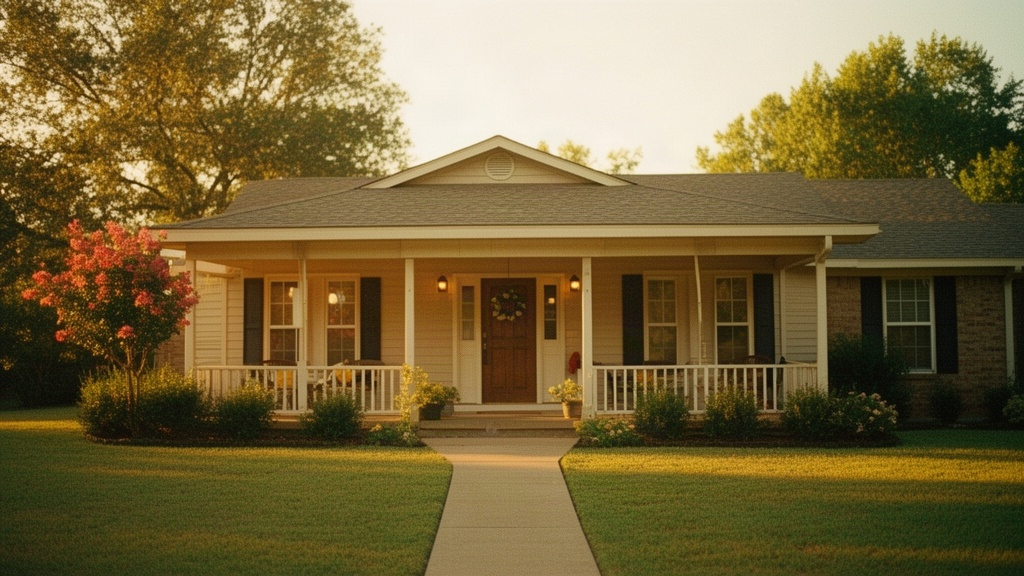
The Orchard is a planned residential community in Burlington's north end, developed primarily through the 1990s and 2000s. It is one of Burlington's larger suburban neighbourhoods, covering roughly the area between Dundas Street to the north, Upper Middle Road to the south, Appleby Line to the east and Sutton Drive to the west.
Housing Stock and Lot Sizes
The neighbourhood is dominated by two-storey detached homes. Most were built by builders such as Mattamy Homes and Fernbrook, and the architectural styles lean toward traditional brick exteriors with attached double-car garages. Lot sizes typically run between 35 and 50 feet wide, with depths of 90 to 115 feet, giving most properties usable backyard space. There is also a meaningful supply of freehold townhomes and a smaller number of semi-detached properties along the neighbourhood's interior streets, which broadens the price range available to buyers.
Interior finishes vary considerably depending on the era of construction and whether the home has been updated. Homes built in the mid-1990s tend to have smaller kitchens and bathrooms by today's standards, while those built after 2005 generally feature more open-concept main floors. Buyers who are flexible on finishes often find better value in the older pockets of the Orchard than in the newer sections closer to Dundas Street.
Parks, Trails and Daily Amenities
The Orchard is threaded with the City of Burlington's trail network. The Orchard Trail system connects through the neighbourhood's green corridors and links to the larger Bruce Trail access points to the north near the Niagara Escarpment. Bronte Creek Provincial Park sits a short drive west along Dundas Street and offers hiking, camping and a splash pad. Within the neighbourhood itself, there are several smaller parks including Orchard Community Park, which has sports fields and a playground.
For daily errands, the Orchard is well-positioned relative to Burlington's north-end retail corridors. Appleby Line has grocery stores, pharmacies and restaurants within a few minutes' drive. The Appleby GO Station on Burloak Drive is approximately a 10-minute drive from most parts of the Orchard, giving residents a direct rail link to Toronto's Union Station in roughly 55 to 65 minutes. Highway 407 access at Appleby Line is also close, which matters for buyers commuting toward Mississauga or Hamilton by car.
2. Current Home Prices in the Orchard
As of September 2026, the Orchard sits in a mid-to-upper price tier within Burlington's north-end neighbourhoods. Prices have stabilized compared to the peak of the 2021 and early 2022 market, and buyers currently have more negotiating room than they did during that period. Inventory in the Orchard tends to be moderate, meaning well-priced homes still move within two to four weeks while overpriced listings can sit for 30 to 60 days.
Detached Homes
Detached homes in the Orchard are currently trading in a range of approximately $1,050,000 to $1,450,000. Entry points around $1,050,000 to $1,150,000 typically correspond to homes with original finishes, smaller lot sizes or backing onto busier interior roads. Homes in the $1,250,000 to $1,450,000 range are generally larger (2,200 to 2,800 square feet above grade), on wider lots, and have been updated within the last five to ten years. Premium lots backing onto the trail system or a ravine can push past $1,500,000.
Townhomes and Semi-Detached
Freehold townhomes in the Orchard are currently priced between approximately $850,000 and $1,050,000. These are typically two-storey, three-bedroom homes with small private backyards and single-car garages. Semi-detached properties fall in a similar range, from about $875,000 to $1,025,000, depending on size and condition. Both property types give buyers a foothold in the neighbourhood at a lower price point than a detached home, and most are freehold rather than condo-ownership, so there are no monthly maintenance fees.
How Orchard Prices Compare Within Burlington
The Orchard prices are broadly in line with other established north-end Burlington neighbourhoods such as Millcroft and Headon Forest. If you are comparing Burlington's broader market or researching other areas of the city, the Burlington, Canada Real Estate Market Guide on this site provides a city-wide overview of prices and neighbourhood comparisons.
3. The Step-by-Step Process for Buying a Home in the Orchard
Buying a home in the Orchard neighbourhood of Burlington follows Ontario's standard purchase process, but there are local nuances worth knowing before you start. For a detailed step-by-step walkthrough of the full Canadian home-buying process, this complete timeline guide is a useful reference. The summary below focuses on what is specific to buying in the Orchard.
Getting Pre-Approved
Pre-approval is the non-negotiable first step, and in the Orchard it matters more than in lower-priced markets. Because most detached homes here are priced above $1,000,000, buyers need a minimum 20 percent down payment, as CMHC mortgage insurance is not available on purchase prices above $1,500,000 and requires at least 20 percent down on any home priced between $1,000,000 and $1,499,999. A pre-approval letter from a lender or mortgage broker gives you a clear budget ceiling and signals to listing agents that you are a serious buyer.
During pre-approval, your lender will review your income, credit score, existing debts and the size of your down payment. The stress test currently requires you to qualify at either 5.25 percent or your contract rate plus 2 percent, whichever is higher. Buyers relocating from outside Ontario sometimes underestimate how the stress test affects their maximum purchase price, so it is worth running the numbers with a broker before you begin touring homes in the Orchard.
Searching and Making an Offer
Active listings in the Orchard are available through the MLS system and your agent's access to real-time inventory. In September 2026, the Orchard is not experiencing the frenzied multiple-offer environment of 2021 and 2022, so buyers generally have time to view a home more than once and submit offers with conditions. That said, a well-priced, move-in-ready detached home in a quiet interior street can still attract competing offers, so being pre-approved and ready to move quickly remains an advantage.
An offer in Ontario is submitted on a standard Agreement of Purchase and Sale. Your offer will specify a purchase price, a closing date (typically 30 to 90 days from acceptance), a deposit amount, and any conditions you want included. The deposit in the Orchard is typically 5 percent of the purchase price, held in trust by the listing brokerage, and is due within 24 hours of offer acceptance.
Conditions, Inspection and Waiver
In the current Orchard market, most accepted offers include a home inspection condition and a financing condition. A home inspection in Burlington typically costs between $450 and $650 for a standard detached home and takes two to three hours on-site. The inspector will examine the structure, roof, HVAC systems, electrical panel, plumbing and insulation. Homes in the Orchard built in the 1990s sometimes have aluminum wiring in older sections or original roof shingles approaching the end of their lifespan, so a thorough inspection is worth the cost.
Condition periods are typically five to ten business days. Once both conditions are satisfied or waived, the deal becomes firm. At that point, your lawyer begins title searches and prepares closing documents. You will also want to arrange home insurance before closing, as most lenders require proof of coverage before releasing mortgage funds.
Closing Day
On closing day, your lawyer registers the transfer of title and releases funds to the seller's lawyer. You do not typically go to the property until the funds have cleared and the keys are released, which usually happens between noon and 3:00 p.m. Your lawyer will have walked you through all the documents and disbursements in the days before closing, so there are no surprises on the day itself.
4. Costs to Budget Before and at Closing
The total cost of buying a home in the Orchard is higher than the purchase price alone. Buyers routinely underestimate the closing costs that stack on top of the down payment, and being caught short at closing is one of the most stressful situations in a real estate transaction. Budget for the following categories carefully.
Down Payment
On a $1,200,000 detached home in the Orchard, the minimum down payment is 20 percent, which equals $240,000. On a $950,000 freehold townhome, the rules allow a smaller down payment: 5 percent on the first $500,000 ($25,000) and 10 percent on the remaining $450,000 ($45,000), for a total minimum of $70,000, though CMHC insurance premiums would then apply. For a thorough breakdown of how down payment percentages work across different price points in Canada, Forbes Advisor Canada's down payment guide is a clear, up-to-date reference.
Land Transfer Tax
Ontario charges a provincial land transfer tax on every home purchase, and Burlington buyers pay only the provincial rate (there is no municipal land transfer tax in Burlington, unlike in Toronto). On a $1,200,000 purchase, the Ontario land transfer tax works out to approximately $16,475. On a $950,000 purchase, the tax is approximately $13,975. First-time buyers may qualify for a provincial rebate of up to $4,000. For a full explanation of how the tax is calculated and what rebates apply, see the land transfer tax guide published on this site.
Additional Closing Costs
Beyond the down payment and land transfer tax, buyers in the Orchard should budget for the following closing costs. These numbers are estimates based on typical Burlington transactions in 2026 and can vary by lawyer, lender and property.
- Legal fees and disbursements: Typically $1,500 to $2,500 for a residential purchase in Ontario. Disbursements (title search, registration fees, photocopies, couriers) add another $300 to $600 on top of the base fee.
- Title insurance: Most lawyers in Burlington recommend title insurance as a one-time premium, typically $200 to $400 for a residential property. It protects against title fraud, survey errors and zoning violations not found during the search.
- Home inspection: $450 to $650 for a standard detached home. Larger homes or those with a pool, septic system or additional structures may cost more.
- Mortgage appraisal: Some lenders require an independent appraisal, which costs approximately $300 to $500. Many lenders waive this for well-qualified buyers or use automated valuation tools instead.
- Home insurance: Annual premiums for a detached home in the Orchard run approximately $1,800 to $2,800 per year depending on the home's age, size and coverage limits. Your first year's premium is often paid upfront before closing.
- Moving costs: A local move within the Greater Toronto and Hamilton Area using a professional moving company typically runs $1,200 to $3,000 depending on volume and distance. Long-distance moves from another province will cost considerably more.
- Utility and service connection fees: Budget $200 to $500 for transferring or connecting hydro, gas, internet and water accounts. Some providers charge connection or setup fees for new customers.
In total, closing costs beyond the down payment typically add $20,000 to $30,000 on a $1,200,000 Orchard purchase. First-time buyers should review the detailed closing cost breakdown in the First-Time Home Buyer Guide for Burlington on this site, which covers each line item with examples.
5. Realistic Timeline for Buying in the Orchard
From the moment you begin getting pre-approved to the day you receive keys to an Orchard home, most buyers should plan for three to five months in total. That range accounts for the time it takes to find the right property, negotiate an accepted offer, satisfy conditions and complete the closing process. Buyers who are highly decisive and find their home quickly can compress this to six to eight weeks from pre-approval to possession; buyers who take time to tour many properties or encounter a collapsed deal can stretch well beyond five months.
From Pre-Approval to Possession
- Pre-approval: 1 to 2 weeks. Gathering documents (pay stubs, T4s, bank statements, Notice of Assessment) takes most of this time. The actual lender review is often 24 to 72 hours once documents are submitted.
- Active home search: 2 to 8 weeks. In the Orchard, active inventory in September 2026 is moderate. Buyers typically tour 8 to 15 homes before submitting an offer, though some find their property on the first or second weekend.
- Offer and negotiation: 1 to 5 days. In the current market, sellers often respond to offers within 24 to 48 hours. Counter-offers and back-and-forth negotiation can extend this to three to five days.
- Condition period: 5 to 10 business days. This is when the home inspection is completed, the lender issues formal mortgage approval and your lawyer begins a preliminary title review.
- Firm deal to closing: 30 to 90 days. The closing date is negotiated at the time of the offer. Most Orchard buyers choose 45 to 60 days, which gives enough time for mortgage funding, lawyer preparation and moving logistics without an extended period of uncertainty.
- Total elapsed time: Approximately 10 to 20 weeks from first pre-approval meeting to possession day, with most transactions landing around 12 to 16 weeks.
Seasonal Market Patterns in the Orchard
The Orchard follows Burlington's broader seasonal rhythm: the most listings hit the market in spring (March through May) and in early fall (September and October). September 2026 is currently one of those active windows. Buyers searching right now will find more options than they would in December or January, though they will also face more competition from other buyers who are motivated by the same seasonal timing.
Winter months (December through February) see fewer listings but also fewer competing buyers. Sellers who list in winter are often more motivated, which can create negotiating opportunities. The trade-off is a thinner selection of available homes, so buyers who need a specific configuration (a certain number of bedrooms, a specific street or backing onto the trail) may find winter too limiting.
If you are relocating to Burlington from another city and need to plan your move around a job start date or school year, the Relocating to Burlington guide on this site covers timing considerations and neighbourhood comparisons that can help you plan your search around your constraints.
FAQ
What is the minimum down payment for a home in the Orchard neighbourhood of Burlington?
For any home priced at or above $1,000,000, Ontario buyers must put down at least 20 percent. Since most detached homes in the Orchard are priced between $1,050,000 and $1,450,000 as of September 2026, most buyers in this neighbourhood need a minimum down payment of $210,000 to $290,000 for a detached property. Freehold townhomes in the Orchard are priced below $1,000,000 in many cases, which means buyers may qualify for a smaller down payment with CMHC mortgage insurance, starting at 5 percent on the first $500,000 and 10 percent on the remainder. Your mortgage broker can calculate the exact minimum for the specific purchase price you are targeting.
How long does it take to close on a home in the Orchard, Burlington?
The closing period, which is the time between a firm accepted offer and possession day, is negotiated as part of the offer and typically runs 30 to 90 days in the Orchard. Most buyers choose 45 to 60 days, which allows enough time for the lender to issue mortgage funds, the lawyer to complete title work and the buyer to arrange moving logistics. If you factor in the pre-approval stage and the home search, the total timeline from starting the process to receiving keys is typically 12 to 16 weeks for most buyers in this neighbourhood.
Are there schools in the Orchard neighbourhood of Burlington, and how do I research them?
The Orchard has several publicly funded elementary and secondary schools within or adjacent to the neighbourhood, served by both the Halton District School Board and the Halton Catholic District School Board. School programs and offerings are personal decisions that depend on your own priorities and your children's needs. We recommend researching schools directly through the Halton District School Board's website (hdsb.ca) and the Ontario Ministry of Education's school information finder, which provide boundary maps, program offerings and contact information for each school. For a detailed discussion of how to research schools in a Burlington neighbourhood, the article on this site covering schools research in Tyandaga walks through the same process that applies across Burlington.