
← Back to Blog
Neighborhoods
What Schools Are in the Tyandaga Neighbourhood of Burlington and How Do You Research Them
By Nayaki Penumarthy
September 24, 2026 · 8 min read
If you're exploring a move to Tyandaga and wondering what schools are in the Tyandaga neighbourhood of Burlington, you're asking the right question at the right stage of your search. This guide names the schools that serve the area, explains what board they belong to, and walks you through exactly how to research them using official and objective sources so you can make an informed decision for your household.
1. A Quick Look at the Tyandaga Neighbourhood
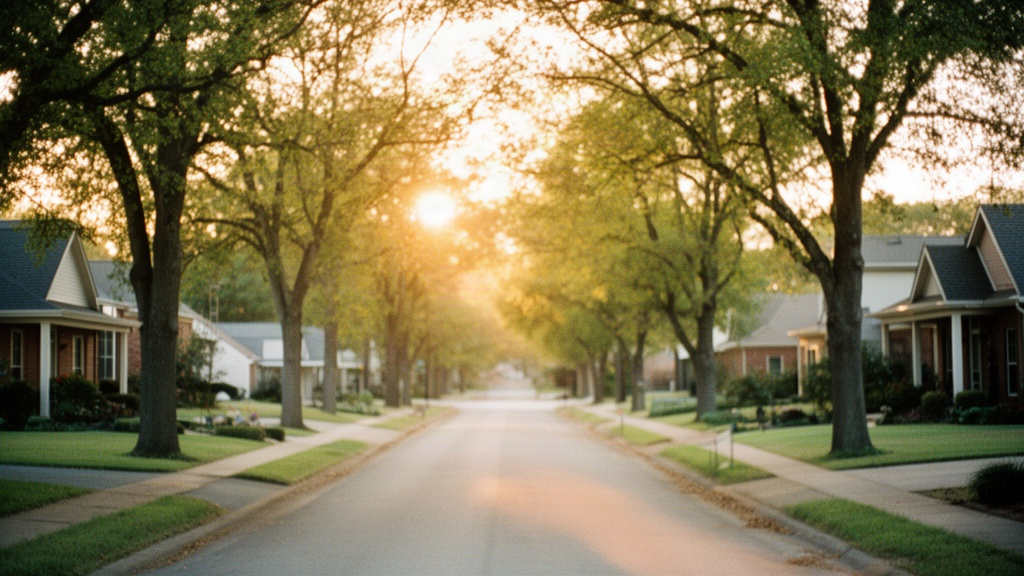
Tyandaga sits in the northwest corner of Burlington, Ontario, bordered roughly by Brant Street to the east, Dundas Street to the north, and the Tyandaga Golf Course to the west. It is one of Burlington's more established residential pockets, with much of the housing built between the late 1960s and the mid-1980s.
Where Tyandaga Sits in Burlington
The neighbourhood is roughly 6 to 8 kilometres from Burlington's downtown core and about 55 kilometres from downtown Toronto. Appleby GO Station is the closest GO Train stop, sitting about 10 to 12 minutes by car from Tyandaga's interior streets. For a full picture of what that commute looks like, this breakdown of Burlington to Toronto GO Train travel times is worth reading before you commit to a neighbourhood.
Housing Stock and Price Range
Tyandaga is primarily detached single-family homes, many of them two-storey brick builds on lots ranging from roughly 50 to 80 feet wide. Bungalows appear throughout the older sections closer to Tyandaga Park Drive. Lot sizes and mature tree cover are two features that distinguish this area from Burlington's newer subdivisions further north and east.
As of September 2026, detached homes in Tyandaga are generally priced in the $1.1 million to $1.6 million range, depending on size, updates, and lot position. For a broader view of what detached homes cost across Burlington right now, see this overview of average home prices in Burlington.
2. What Schools Are in the Tyandaga Neighbourhood of Burlington
Tyandaga is served by schools under two publicly funded boards: the Halton District School Board (HDSB) for English public education, and the Halton Catholic District School Board (HCDSB) for English Catholic education. French-language options exist through separate provincial boards. Knowing which board governs each school is the starting point for any research, because each board publishes its own program details, boundary maps, and enrolment data.
English Public Schools
Tyandaga Public School is the neighbourhood's home elementary school, located on Tyandaga Park Drive. It serves Junior Kindergarten through Grade 8 and sits within walking distance of many of the neighbourhood's interior streets. The school grounds include a playground and green space that connects to the broader park system in the area.
For secondary school, Tyandaga students are typically directed to M.M. Robinson High School on Upper Middle Road, which is an HDSB school offering a full secondary program including Advanced Placement and cooperative education streams. The drive from Tyandaga to M.M. Robinson is roughly 5 to 8 minutes depending on the specific street. Boundary assignments can shift, so confirming your address against the HDSB's current boundary map before making any decisions is essential.
English Catholic Schools
Families seeking Catholic education in or near Tyandaga typically look to Holy Rosary Catholic Elementary School on Brant Street, which is one of the closer HCDSB elementary schools to the neighbourhood. For secondary Catholic education, Notre Dame Catholic Secondary School on Mainway is the most commonly assigned school for this part of Burlington. It offers a wide range of courses and extracurricular programming under the HCDSB umbrella.
Catholic school enrollment in Ontario requires proof of Catholic faith or baptismal records for at least one parent. Non-Catholic families can apply for admission in some cases, but priority is given to Catholic families. The HCDSB website outlines the full registration process.
French-Language Options
Ontario funds two French-language school boards: the Conseil scolaire Viamonde (public) and the Conseil scolaire catholique MonAvenir (Catholic). French immersion programs are also available through the HDSB at select schools, though not all immersion programs are offered at the home school. Families interested in French immersion should contact the HDSB directly to confirm which schools currently offer the program and whether transportation is provided from Tyandaga addresses.
For a mapped overview of schools physically near Tyandaga, HoodQ's Tyandaga school guide lists the schools that fall within proximity of the neighbourhood boundary and shows their distances, which is a useful starting point before you go deeper into board websites.
3. How to Research Schools in Tyandaga the Right Way
Researching schools is a personal process, and the most reliable information comes from official sources rather than aggregated ratings. Here is a practical sequence to follow once you have identified which schools serve a specific address in Tyandaga.
Start With the School Board Directly
The HDSB and HCDSB both maintain online school boundary locators where you can enter a specific street address and receive the designated school for that address. This is the only way to confirm which school your child would actually attend, because boundaries do not always follow what seems logical on a map. A street can change school assignments mid-block in some Burlington neighbourhoods.
Once you have the confirmed school name, visit that school's individual page on the board website. You will find information on programs offered, enrolment numbers, staff contacts, and any specialized streams such as gifted, arts, or technology-focused programming.
Use the Province's Own Data
The Ontario Ministry of Education publishes the Education Quality and Accountability Office (EQAO) results for every publicly funded school in the province. These assessments measure student achievement in reading, writing, and math at Grades 3, 6, and 9. The data is available at eqao.com and is broken down by school, board, and provincial average. This is the most objective province-wide data point available, though it captures only a portion of what a school offers.
The Ontario School Information System (OnSIS) is another provincial tool that provides enrolment figures, staffing ratios, and program data by school. Comparing enrolment trends over several years can tell you whether a school is growing, stable, or declining, which has practical implications for class sizes and available programming.
What to Ask on a School Visit
No data source replaces a direct conversation with the school's principal or administrative staff. Most Ontario public schools welcome prospective families for tours and informal meetings. When you visit, consider asking about class sizes for the grade your child would enter, which specialist programs run in the building, how before and after school care is handled, and what the process is for students who need additional learning support.
Talking to current parents in Tyandaga is also valuable. Local Facebook groups, the school council, and even conversations at Tyandaga Park or the nearby Kerncliff Park can give you a ground-level sense of day-to-day school life that no website captures.
4. What School Data Does and Does Not Tell You
Aggregate school ratings published on third-party websites are a starting point, not a conclusion. Understanding what those numbers measure, and what they leave out, helps you use them without over-relying on them.
Understanding Test Score Snapshots
EQAO scores reflect student performance on standardized tests administered in a single school year. They do not measure teacher quality, extracurricular programming, school culture, or how well a school supports students with learning differences. A school with scores below the provincial average in one subject may have exceptional arts programming, strong community involvement, or an inclusive learning environment that matters more to your household than that single metric.
Scores also shift year to year based on the cohort of students being tested, staffing changes, and broader social factors. Looking at three to five years of data gives a more accurate picture than any single year's result. The EQAO website allows you to view historical data by school, which is worth the extra few minutes.
Program Offerings Matter Too
Beyond test results, Ontario schools vary considerably in what specialized programs they run inside the building. Some HDSB elementary schools in Burlington host gifted programs, French immersion streams, or enhanced arts programming. Secondary schools like M.M. Robinson offer Advanced Placement courses, co-op placements, and specialist high skills major pathways in sectors like business and technology. These program details are published on each school's board page and are worth reviewing alongside any standardized test data.
If a specific program is important to your household, confirm with the board whether your Tyandaga address qualifies for that program or whether transportation would be required to access it at another school. Program eligibility sometimes requires an application or assessment separate from standard enrolment.
5. Other Practical Details for Buyers Considering Tyandaga
Schools are one piece of the picture when evaluating a neighbourhood. Tyandaga has several other practical features worth knowing before you make an offer.
Commutes and Proximity
Tyandaga Public School is within walking distance for most addresses in the neighbourhood's core, with distances generally under one kilometre from the interior streets. The secondary schools serving the area require either a bus or a short drive. The HDSB provides bussing for students who live beyond the walk zone threshold, which is typically 1.6 kilometres for elementary students in Ontario. Confirm the current threshold and your specific address with the board, as bussing eligibility is reviewed annually.
Tyandaga is also close to Kerncliff Park, a 40-hectare naturalized area with trails along the Grindstone Creek escarpment. The Tyandaga Golf Course borders the western edge of the neighbourhood, and the area has several smaller neighbourhood parks within a short walk of most streets. Brant Hills Community Centre is a few minutes north on Brant Street and offers recreational programs for various age groups.
The Broader Burlington Context
Burlington is served by both the HDSB and HCDSB across dozens of schools city-wide, so your options are not limited to whichever school is geographically closest to Tyandaga. Both boards allow families to apply for optional attendance at schools outside their designated boundary, subject to space availability. This is worth knowing if a particular program or school appeals to you but falls outside the Tyandaga catchment.
Property taxes are another practical consideration when buying in Tyandaga. If you want to understand what ownership costs look like at this price point, this guide to property taxes on a $900,000 home in Burlington gives a clear breakdown of how the city's tax rate applies.
If you are comparing Tyandaga to other Burlington neighbourhoods on features like lot size, housing age, and proximity to amenities, the Burlington buyers guide covers the city's major areas with the kind of factual detail that helps narrow your search.
FAQ
What is the home school for the Tyandaga neighbourhood of Burlington?
For English public education, Tyandaga Public School on Tyandaga Park Drive is the designated elementary school for most addresses in the neighbourhood. Secondary students are generally assigned to M.M. Robinson High School on Upper Middle Road under the Halton District School Board. For English Catholic education, Holy Rosary Catholic Elementary and Notre Dame Catholic Secondary are the most commonly assigned schools. Because boundaries can shift and vary by specific street address, you should always confirm your address using the HDSB or HCDSB online boundary locator before assuming any school assignment.
How do I find reliable data on schools near Tyandaga without relying on third-party ratings?
The most reliable sources are the Ontario Ministry of Education's EQAO website, which publishes standardized test results by school going back several years, and the Ontario School Information System (OnSIS), which provides enrolment and program data. The HDSB and HCDSB board websites also publish detailed program information, staff contacts, and school profiles for every school in their system. For a geographic overview of which schools are physically near Tyandaga, the HoodQ neighbourhood school guide is a useful proximity reference. Visiting the school and speaking directly with administrative staff remains the most complete way to evaluate fit for your household.
Can I send my child to a school outside the Tyandaga catchment area in Burlington?
Yes, both the Halton District School Board and the Halton Catholic District School Board allow families to apply for optional attendance at schools outside their designated boundary, subject to available space. This process is sometimes called an optional attendance request or out-of-boundary application. Approval is not guaranteed and is typically reviewed each spring for the following school year. Transportation is generally not provided for students attending a school outside their designated catchment, so you would need to arrange your own drop-off and pickup. Contact the relevant board directly in early spring to understand the timeline and application process for the school year you are targeting.