
← Back to Blog
Market Trends
Mount Holly, NJ Real Estate Market Guide: Prices, Neighborhoods and Timing
By Nicholas Dougray, REALTOR® | Salesperson
Pat McKenna Realtors brokered by eXp Realty LLC · ## 2669416
September 20, 2026 · 10 min read
Whether you are buying your first home, selling a property you have owned for years, or relocating to Burlington County, this Mount Holly, NJ real estate market guide covers everything you need: current prices, what the different parts of town offer, how long homes are sitting on the market, and when the timing tends to work in your favor. Mount Holly is a compact borough of roughly 10,000 residents sitting at the geographic center of Burlington County, and its market behaves differently from the broader New Jersey averages in ways that matter to anyone making a move here.
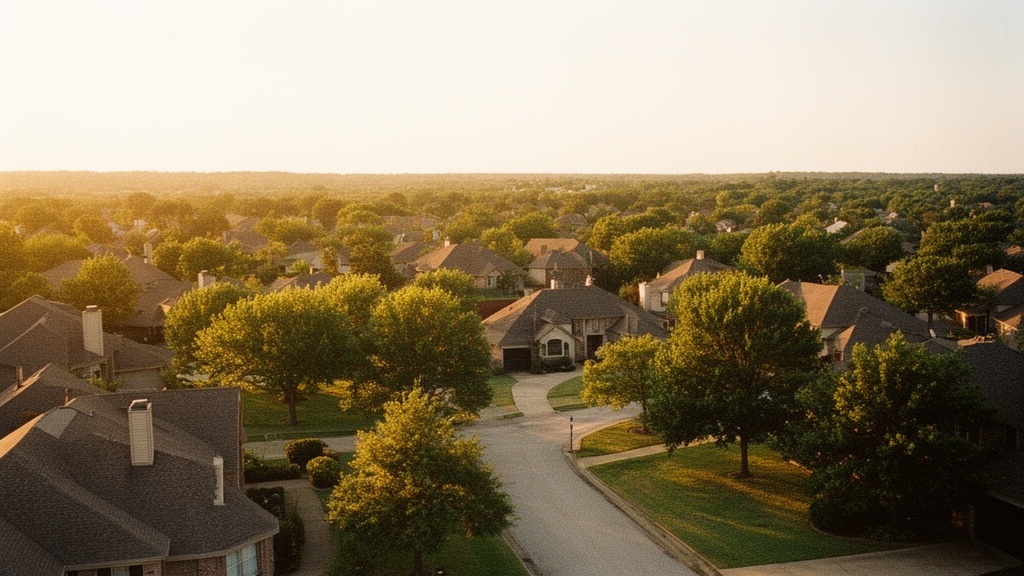
1. What the Mount Holly, NJ Housing Market Looks Like Right Now
Mount Holly's market is active and relatively affordable by New Jersey standards. As of September 2026, median sale prices in the borough are running in the low-to-mid $300,000s for attached and semi-detached homes, with single-family detached properties on larger lots pushing into the $350,000 to $430,000 range depending on condition, lot size, and proximity to the historic core. Those figures represent meaningful appreciation from where the market stood in 2023 and 2024, driven by persistently low inventory across Burlington County and sustained buyer demand from Philadelphia-area commuters.
Median Prices and Inventory
Inventory in Mount Holly remains tight. The borough is small geographically, which means the total number of homes available at any given time is limited. In a typical month right now, you might see 20 to 40 active listings across all price points and property types. Well-priced homes in move-in condition are still receiving multiple offers within the first week or two, while properties that need cosmetic work or are priced above market are sitting longer. For context on where Mount Holly fits within the broader regional picture, the Burlington County housing market trends tracked by Redfin show the county as a whole trending toward a more balanced market in mid-2026, though individual boroughs like Mount Holly remain tighter than the county average.
How Mount Holly Compares to Burlington County
Mount Holly tends to price below the county median for detached single-family homes, largely because its housing stock skews older and its lot sizes are smaller than suburban townships like Medford or Evesham. That relative affordability is one of the reasons buyers who get priced out of larger-lot suburban markets keep circling back to the borough. The trade-off is that buyers here are often competing against a smaller pool of available homes, which keeps prices from dropping even when broader market conditions soften.
2. A Practical Look at Mount Holly's Neighborhoods
Mount Holly is a small borough, but its streets vary considerably in character, age of housing, and price point. Understanding the physical differences between the parts of town helps buyers figure out what their budget actually buys, and helps sellers understand how their specific block and home type are perceived in the market. For a deeper look at each area, the full neighborhood breakdown on this site goes into considerably more detail.
You can read the complete area-by-area breakdown in the Mount Holly neighborhoods guide, which covers the physical features, housing types, and price ranges of each part of the borough.
The Historic Downtown Core
The streets immediately surrounding the Burlington County Courthouse and the historic Mill Dam area contain some of the oldest housing in New Jersey. Many of these homes date to the 18th and early 19th centuries, built in Federal, Georgian, and early Victorian styles on narrow lots with brick sidewalks and mature street trees. Homes here range from modest rowhouses in the $220,000 to $280,000 range to fully restored period properties that can exceed $450,000. The historic district designation means that exterior changes require approval from the Mount Holly Historic Preservation Commission, which affects renovation timelines and costs. Buyers considering this area should read through the specifics of those rules before making an offer.
The Rancocas Road and Levis Drive Corridors
Moving outward from the core, streets like Rancocas Road, Levis Drive, and the blocks feeding into them contain mid-century Cape Cods, split-levels, and ranch-style homes built primarily between the 1940s and 1970s. Lot sizes here tend to be larger than in the historic district, often running 6,000 to 9,000 square feet, and garages are more common. Prices in this part of the borough typically fall between $290,000 and $380,000 for a well-maintained three-bedroom home. These properties generally do not carry historic district restrictions, which gives buyers more flexibility for additions, window replacements, and exterior updates.
Eastampton and Hainesport Borders
Mount Holly shares borders with Eastampton Township to the east and Hainesport Township to the south. Buyers who search Mount Holly sometimes find that homes just across the municipal boundary in Eastampton or Hainesport offer newer construction, larger lots, and slightly different tax rates. It is worth knowing that school district assignments and property tax calculations change at those municipal lines, so buyers should confirm which municipality a specific address falls in before drawing conclusions about taxes or school enrollment.
3. Housing Stock: What You Will Actually Find for Sale
The Mount Holly housing stock is heavily weighted toward older, attached, and semi-attached construction. This is not a suburb of vinyl-sided colonials on quarter-acre lots. Most of what comes to market here is pre-1980 construction, and a significant portion is pre-1940. That means buyers need to budget for things like updated electrical panels, newer roofs, and in some cases, lead paint or knob-and-tube wiring disclosures. It also means that buyers who want a home with character, original hardwood floors, plaster walls, and a physical connection to local history have real options here that simply do not exist in newer suburban markets.
Rowhouses and Twins
Attached rowhouses and twin homes (side-by-side duplexes where each unit is separately owned) make up a large share of the for-sale inventory in Mount Holly. These properties typically offer two to three bedrooms, one to one-and-a-half baths, and living space ranging from about 1,000 to 1,600 square feet. Prices for this property type in September 2026 are generally running from the high $100,000s for properties needing significant work up to the low $300,000s for fully updated versions on desirable blocks. Outdoor space is usually limited to a rear yard, and parking is often on-street or in a shared rear alley.
Single-Family Detached Homes
Detached single-family homes are available but represent a smaller share of total inventory. When they do come to market, they tend to move quickly. A three-bedroom, one-bath Cape Cod in solid condition might list around $320,000 to $350,000 and receive offers within days. A four-bedroom colonial with a two-car garage and updated kitchen can push toward $420,000 or above. Square footage in this segment typically runs from 1,200 to 2,200 square feet, with the larger homes concentrated on the western and northern edges of the borough.
New Construction Options
True new construction within Mount Holly's borough limits is limited, largely because available land is scarce. There are occasional infill projects where older structures are demolished and replaced, but large-scale developments are rare inside the borough itself. Buyers interested in new construction near Mount Holly should look at developments in adjacent Eastampton, Hainesport, and Lumberton, where there is more undeveloped land. The article on new construction homes near Mount Holly in 2026 covers the current pipeline in detail.
4. Timing the Mount Holly Market: When to Buy and When to Sell
Timing matters in any real estate market, and Mount Holly follows recognizable seasonal patterns with some local wrinkles. The borough's small size means that a single large listing or an unusual cluster of homes coming to market can temporarily shift the supply-demand balance in ways that larger markets would barely notice. Buyers and sellers who understand these rhythms can make more confident decisions about when to act.
Spring and Summer Seller Advantages
March through June is historically the strongest window for sellers in Mount Holly. Buyer activity picks up sharply after the winter slowdown, and families with children tend to want to close before the school year ends so they can settle in over the summer. Homes listed in this window typically see the most showing activity and the highest likelihood of multiple-offer situations. Sellers who price correctly at the start of the spring season rather than testing the market at an aspirational number tend to net better outcomes than those who overprice and then reduce.
Fall and Winter Buyer Opportunities
September through February brings fewer competing buyers to the market, which can work in a buyer's favor. Right now, in September 2026, the market is transitioning out of the peak summer season. Sellers who did not find a buyer during the summer may be more willing to negotiate on price or terms. Homes that have been sitting for 45 or more days are worth investigating: in many cases the issue is price rather than condition, and a patient buyer with a realistic offer can find real value. The winter months of November through January tend to see the lowest inventory and the lowest buyer competition simultaneously, which makes them genuinely useful for buyers who are flexible on timing.
Days on Market and List-to-Sale Ratios
In the current market, well-priced Mount Holly homes are selling in roughly 15 to 30 days from list date. List-to-sale price ratios for move-in-ready properties have been running at or slightly above 100 percent during the spring and early summer of 2026, meaning buyers were frequently paying at or above asking price. That ratio softens somewhat in the fall and winter. For a current snapshot of how these figures are tracking month to month, the Mount Holly housing market report on Rocket Homes is updated regularly and provides a useful data reference.
5. What Buyers and Sellers Need to Know Before They Act
Beyond price and timing, there are several Mount Holly-specific factors that trip up buyers and sellers who do not know the local market well. Understanding them in advance saves time, money, and frustration.
Key Costs Beyond the Purchase Price
Mount Holly's property tax rate is set at the municipal level and is applied to the assessed value of the property, which may differ from the purchase price. Buyers should request the current annual tax bill for any property they are seriously considering and calculate what that means monthly, since taxes on a $320,000 home in the borough can run anywhere from roughly $5,500 to $7,500 per year depending on the specific parcel's assessed value and any applicable exemptions. Closing costs for buyers in New Jersey typically run 2 to 5 percent of the purchase price, covering title insurance, attorney fees, lender fees, and transfer taxes. Sellers pay a realty transfer fee to the state at closing, which is calculated on a sliding scale based on sale price.
How the Historic District Affects Your Purchase
If you are buying in the Mount Holly Historic District, you are taking on a layer of oversight that does not exist elsewhere in the borough. Exterior changes, including window replacements, door changes, siding, and additions, require a certificate of appropriateness from the Historic Preservation Commission before any permits can be pulled. This is not a dealbreaker for most buyers, but it does affect renovation timelines and can limit certain material choices. Buyers who want to do a quick cosmetic flip or a major exterior overhaul should understand the process before they close. The detailed article on historic district homes and restrictions in Mount Holly walks through exactly what is and is not regulated.
Commute and Location Considerations
Mount Holly sits roughly 17 miles from Center City Philadelphia, making it one of the closer Burlington County communities to the city. The NJ Transit 409 bus route connects Mount Holly to Philadelphia, and the Riverline light rail runs through the borough with a stop on Rancocas Road, connecting riders south to Camden and north to Trenton. For drivers, Route 38 and Interstate 295 are the primary arteries. The drive to Philadelphia via I-295 South typically runs 25 to 40 minutes depending on traffic. Mount Holly is also within reasonable distance of Joint Base McGuire-Dix-Lakehurst, which is a major employer in the region and a reason many buyers with military connections look seriously at the borough.
For buyers thinking through the Philadelphia commute in detail, there is a dedicated article on this site covering commute options from Mount Holly to Philadelphia that breaks down transit times, costs, and route comparisons.
Mount Holly also has meaningful local amenities that reduce the need to drive far for everyday needs. The downtown area along High Street and Garden Street has restaurants, small shops, and professional services. Smithville Park, a Burlington County park system property located just outside the borough, offers 389 acres of trails, a lake, and open space. Rancocas State Park is accessible within a short drive to the west. The Burlington County Library branch is located in the borough, and the Burlington County Institute of Technology campus is nearby.
FAQ
What is the current median home price in Mount Holly, NJ?
As of September 2026, median sale prices in Mount Holly are running in the low-to-mid $300,000s for attached and semi-detached homes, with detached single-family homes ranging from roughly $320,000 to $430,000 depending on size, condition, and location within the borough. Fully restored historic properties in the downtown core can exceed $450,000. These figures have appreciated from 2023 and 2024 levels, driven by tight inventory and sustained buyer demand from the Philadelphia commuter market. For the most current month-by-month data, the Rocket Homes Mount Holly market report is updated regularly.
Is Mount Holly, NJ a buyer's market or a seller's market right now?
In September 2026, Mount Holly leans toward seller-favorable conditions, though the market is less intensely competitive than it was during the 2021 to 2022 peak. Inventory remains low relative to buyer demand, and well-priced, move-in-ready homes are still selling within two to four weeks and sometimes receiving multiple offers. Properties that need work or are priced above comparable sales are sitting longer and giving buyers more room to negotiate. The overall Burlington County market is trending toward balance, but Mount Holly's small size and limited housing stock keep local conditions tighter than the county average.
What should I know about the Mount Holly Historic District before buying?
The Mount Holly Historic District covers a significant portion of the downtown core and includes some of the oldest residential properties in New Jersey. Homes within the district are subject to oversight by the Mount Holly Historic Preservation Commission, meaning exterior changes require a certificate of appropriateness before permits can be issued. This applies to items like window replacements, siding, doors, and additions. The process adds time to renovation projects and may limit certain material choices, so buyers planning significant exterior work should factor that into their planning. Interior changes are generally not regulated, which gives owners more flexibility inside the home.