
← Back to Blog
Selling
Selling a Home in Mount Holly, New Jersey: Pricing, Timeline and What to Expect
By Nicholas Dougray, REALTOR® | Salesperson
Pat McKenna Realtors brokered by eXp Realty LLC · ## 2669416
September 21, 2026 · 11 min read
Selling a home in Mount Holly, New Jersey involves more moving parts than most sellers anticipate, from setting the right price in a market that has shifted noticeably over the past year to navigating inspections, buyer negotiations, and a closing process that carries its own local quirks. This guide covers pricing strategy, realistic timelines, and what actually happens at each stage so you can go in prepared rather than surprised.
1. How Mount Holly's Housing Market Shapes Your Sale
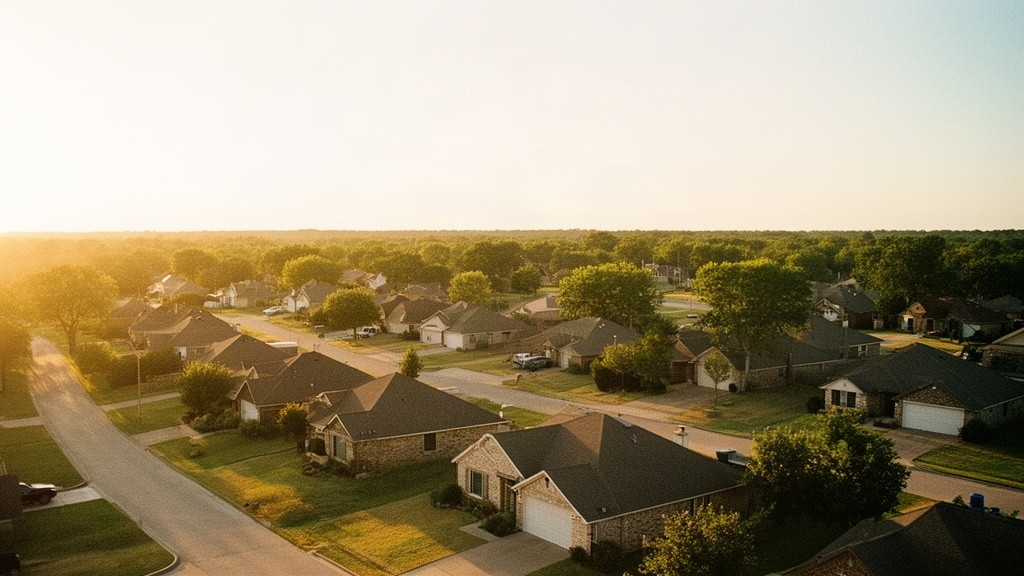
The local market sets the rules before you even pick a price. In September 2026, Mount Holly's resale market remains competitive but has cooled from the frenzy of 2022 and 2023. Median sale prices for single-family homes in the borough have been running in the low-to-mid $300,000s, with well-prepared properties in solid condition still drawing multiple offers when priced correctly. Homes that are overpriced or need significant work are sitting longer and requiring price reductions, sometimes two or three rounds before finding a buyer.
Inventory in Burlington County has been ticking upward through 2026, which means buyers have more choices than they did two years ago. That shift puts more pressure on sellers to present their homes well and price them accurately from the start. If you want a deeper look at what prices are doing right now, the current Mount Holly home price breakdown covers median figures, days on market, and list-to-sale price ratios in detail.
What the Current Market Looks Like
Mount Holly sits in a sweet spot geographically. The borough is roughly 17 miles from Philadelphia via Route 38 or Interstate 295, and the NJ Transit River LINE light rail connects Riverline Drive to Camden and Trenton. That commute access draws buyers who work in Philadelphia, Trenton, and throughout Burlington County, which keeps demand relatively stable even as mortgage rates remain elevated in 2026.
Buyers are also attracted by Mount Holly's walkable downtown along High Street, the Mill Race Village area, Rancocas Creek recreational access, and a historic core that includes properties dating to the 18th century. These are genuine selling points you can lean on in your listing, not just filler language.
How Mount Holly's Housing Stock Affects Pricing
Mount Holly's housing stock is unusually diverse for a small borough. You have pre-Civil War row homes and twin houses in the historic core, mid-century ranches and Cape Cods on the east and west sides, townhouse communities near Route 541, and a handful of newer construction developments closer to the Lumberton border. Each property type has its own buyer pool and its own pricing logic, so what a three-bedroom ranch on Madison Avenue sells for tells you almost nothing about what a 200-year-old Federal-style home on Garden Street is worth.
If your home sits in the Mount Holly Historic District, there are additional considerations around renovations and permitted modifications that affect both your pre-sale prep and buyer expectations. The article on historic district homes and restrictions explains what buyers and sellers in that area need to know.
2. Pricing Your Home in Mount Holly, New Jersey
Pricing is the single decision that determines how fast you sell and how much you net. Sellers who price accurately from day one consistently outperform those who start high and reduce later. A home that sits for 45 or 60 days in Mount Holly's market starts to carry a stigma; buyers assume something is wrong with it even when the only problem was the original asking price.
How a Comparative Market Analysis Works Here
A comparative market analysis, or CMA, is the foundation of any pricing decision. It pulls recent closed sales of similar homes within roughly a half-mile to one-mile radius, adjusts for differences in square footage, bedroom count, lot size, condition, and updates, and produces a defensible price range. In a borough as compact as Mount Holly, a good CMA will also account for which side of Washington Street or High Street a property sits on, whether it has off-street parking (a meaningful factor in the denser blocks near downtown), and whether it carries any historic overlay restrictions.
The National Association of Realtors has published a plain-language breakdown of what goes into pricing your home that is worth reading before you sit down with your agent. Understanding the inputs makes the pricing conversation more productive and helps you push back intelligently if a number doesn't feel right.
In September 2026, the typical price-per-square-foot for a move-in-ready single-family home in Mount Holly is running between roughly $185 and $230 depending on location and condition. Townhouses and row homes in the historic core can exceed that range when they have been thoughtfully updated. Homes needing significant mechanical or cosmetic work are pricing below $175 per square foot and attracting investors alongside owner-occupant buyers.
Common Pricing Mistakes Mount Holly Sellers Make
The most common mistake is pricing based on what a neighbor sold for two years ago. The market has shifted, and comps from 2023 or 2024 are not reliable anchors in 2026. A second common error is adding renovation costs dollar-for-dollar to the asking price. Buyers pay market value, not cost-plus; a $40,000 kitchen remodel rarely adds $40,000 to your sale price, though it can absolutely help you sell faster and with fewer concessions.
A third mistake is ignoring active competition. Right now there are other homes listed in Mount Holly and in neighboring Lumberton, Hainesport, and Eastampton that buyers are comparing yours against. Your price needs to make sense relative to that active inventory, not just the closed sales.
3. The Mount Holly Home-Selling Timeline, Start to Finish
From the day you decide to sell to the day you hand over keys, plan for roughly 60 to 90 days in a normal market. That breaks down into a pre-listing preparation phase, an active listing period, and a contract-to-close period. Each phase has its own tasks and potential delays, and understanding the sequence helps you avoid the scrambles that cost sellers time and money.
Pre-Listing Preparation
Pre-listing prep typically takes two to four weeks and is where most of the seller's physical work happens. This phase includes decluttering and deep cleaning, addressing any obvious deferred maintenance items (leaky faucets, broken fixtures, peeling paint), completing any required municipal inspections, and having professional photos taken. In Mount Holly, many sellers also order a pre-listing home inspection so they know what a buyer's inspector will find and can decide in advance what to repair versus disclose.
Mount Holly requires a Certificate of Occupancy inspection before a property can transfer ownership. Scheduling that inspection early is important because the borough's inspection calendar can back up, and delays here can push your closing date. Your agent should flag this at the very start of the listing process.
Active Listing Period
Once your home is live on the MLS, the active listing period begins. In the current Mount Holly market, well-priced homes in good condition are going under contract within 10 to 25 days. Homes that need pricing adjustments or have condition issues can sit for 45 to 75 days or longer. The first two weekends on market are the most critical; that is when buyer interest peaks and the strongest offers tend to arrive.
Timing your listing launch matters. Research published by Forbes in 2026 confirms that spring remains the strongest listing window nationally, but Mount Holly sellers who list in September and October also find an active buyer pool of people who missed out on spring inventory and need to be settled before the end of the year. The fall window here is real and worth taking seriously.
Under Contract to Closing
Once you accept an offer, the contract-to-close period typically runs 30 to 45 days for a conventional mortgage buyer. FHA and VA buyers may need 45 to 60 days. Cash buyers can close in as few as 14 to 21 days if the title work moves quickly. During this window, the buyer's inspection happens (usually within the first 10 days), the appraisal is ordered by the lender, title is searched, and the municipal CO inspection needs to be cleared if it hasn't been already.
The inspection negotiation is the phase where deals most often wobble. Buyers in Mount Holly's current market are not shy about asking for repairs or credits, particularly on older homes where the inspection turns up aging HVAC systems, knob-and-tube wiring, or roof wear. Knowing your home's condition before you list puts you in a much stronger negotiating position.
4. What Buyers in Mount Holly Are Looking For Right Now
Understanding your buyer pool helps you prepare and market your home more effectively. Mount Holly attracts a broad mix of buyers in September 2026: first-time buyers drawn by relatively accessible price points compared to Burlington City or Moorestown, buyers relocating from Philadelphia who want more space without a long commute, and buyers specifically seeking historic character in the downtown core.
Features That Move Homes Faster
Off-street parking is a consistent priority for buyers looking at Mount Holly's denser blocks. A private driveway or garage on a block where most homes rely on street parking is a genuine competitive advantage and should be featured prominently in your listing. Updated kitchens and bathrooms move the needle on offers in every price range. Central air conditioning is expected in homes priced above $250,000; window units are a known objection for buyers financing at today's rates because lenders sometimes flag them on FHA and VA appraisals.
Outdoor space matters more than it did before 2020 and that preference has held. A usable backyard, a deck, or even a private courtyard in one of the row home blocks downtown adds real appeal. Proximity to Rancocas Creek, the Mill Race trail system, and Smithville Park in neighboring Eastampton is something buyers actively search for and worth calling out in your listing description.
How Condition Affects Offers
Condition is not just about aesthetics; it directly affects financing. FHA and VA appraisers flag peeling paint, missing handrails, broken windows, and non-functional systems as required repairs before a loan can close. If your buyer is using government-backed financing, those items must be resolved either before closing or through an escrow holdback arrangement. Sellers who address these items before listing avoid the awkward mid-contract scramble and keep their timeline intact.
Buyers who are comparing your home against new construction options in the area will also weigh condition heavily. If you want context on what new construction is available nearby and how it competes with resale, the article on new construction homes in Mount Holly in 2026 lays out what is being built and at what price points.
5. Costs Sellers Should Plan For in Mount Holly
Net proceeds are what matter, not the sale price. Sellers in Mount Holly are often surprised by how much comes off the top between agent commissions, closing costs, and any repairs or concessions negotiated during the contract period. Building a realistic net sheet before you list prevents the shock at the closing table.
Closing Costs and Concessions
New Jersey sellers carry a meaningful share of closing costs. The state's Realty Transfer Fee is paid by the seller and is calculated on a sliding scale based on the sale price. On a $320,000 sale, that fee runs approximately $2,200. New Jersey also imposes an Exit Tax (formally the Gross Income Tax estimated payment) on sellers who are not New Jersey residents at the time of closing; the rate is 8.97 percent of the gain or 2 percent of the sale price, whichever is higher, collected at closing and applied against your eventual tax return.
Seller concessions are common in the current market. Buyers frequently ask for two to three percent of the purchase price toward their closing costs, particularly first-time buyers who are stretching to cover their down payment. Budgeting for this possibility in advance lets you evaluate offers more clearly rather than being caught off guard.
Repairs, Staging and Carrying Costs
Pre-listing repairs on a typical Mount Holly resale home run anywhere from a few hundred dollars for cosmetic touch-ups to $5,000 or more if mechanical systems need attention. Professional staging, even partial staging of the main living areas and primary bedroom, can meaningfully reduce days on market. Staging costs in this market range from roughly $1,200 to $3,000 for a furnished home, and many sellers recoup that in a higher offer or a faster sale that cuts carrying costs.
Carrying costs are the expenses you continue paying while the home is listed: mortgage, property taxes, insurance, and utilities. Mount Holly's property tax rates are a real number to factor in; the borough's effective rate means that for every month a $300,000 home sits unsold, you are paying roughly $400 to $500 in property taxes alone on top of your mortgage. Speed to contract has real dollar value.
If you want a full picture of what different Mount Holly neighborhoods look like from a buyer's perspective, which can help you understand how buyers will evaluate your home's location, the Mount Holly neighborhoods guide covers the distinct pockets of the borough with detail on housing stock, lot sizes, and proximity to amenities.
FAQ
How long does it take to sell a home in Mount Holly, New Jersey right now?
In September 2026, homes that are priced correctly and in good condition are going under contract in roughly 10 to 25 days in Mount Holly. From the day you decide to sell through closing, the full process typically runs 60 to 90 days when you account for pre-listing preparation, the active listing period, and the 30 to 45 day contract-to-close window. Homes that require price reductions or have significant condition issues can take considerably longer. Scheduling Mount Holly's required Certificate of Occupancy inspection early is one of the most reliable ways to protect your timeline.
What is the best time of year to sell a home in Mount Holly, NJ?
Spring, particularly late March through May, historically produces the most buyer activity and the strongest offers in Mount Holly and throughout Burlington County, consistent with broader New Jersey market patterns. That said, September and October represent a genuine secondary window; buyers who missed spring inventory are motivated and often need to close before year-end. Winter listings from December through February tend to attract fewer showings, though serious buyers in that window are typically highly motivated. The right time to list also depends on your home's readiness and your own timeline, so a conversation with a local agent is the most reliable way to calibrate.
What closing costs do sellers pay in Mount Holly, New Jersey?
New Jersey sellers pay the Realty Transfer Fee, which is calculated on a sliding scale and runs roughly $2,200 on a $320,000 sale. Non-resident sellers also face the NJ Exit Tax, collected at closing and credited against your tax return. Beyond state-specific costs, sellers typically pay real estate agent commissions, any agreed-upon buyer concessions, attorney fees (attorney representation is standard in New Jersey real estate transactions), and any repairs required by the buyer's inspection or the municipal Certificate of Occupancy inspection. Budgeting total seller-side costs at 8 to 10 percent of the sale price gives you a conservative but realistic working number.