← Back to Blog
Buying
Buying a Home in Portland, Oregon: Process, Costs and Timeline
By MELISSA YOUNG
Portland Real Estate Consulting
September 29, 2026 · 11 min read
Buying a home in Portland, Oregon involves more moving parts than most first-timers expect: a layered approval process, closing costs that can reach five figures, and a market where conditions vary significantly from one neighborhood to the next. This guide walks through every stage from pre-approval to keys in hand, with real numbers drawn from Portland's current market so you know exactly what to plan for.
1. Where Portland's Housing Market Stands Right Now
Portland buyers currently have more negotiating room than at any point in the past several years. Inventory has risen, price reductions have become more common, and the frantic multiple-offer environment of 2021 and 2022 has largely given way to a market where buyers can take time to think. That shift matters a great deal when you are planning a purchase of this size.
Median Prices Across the City
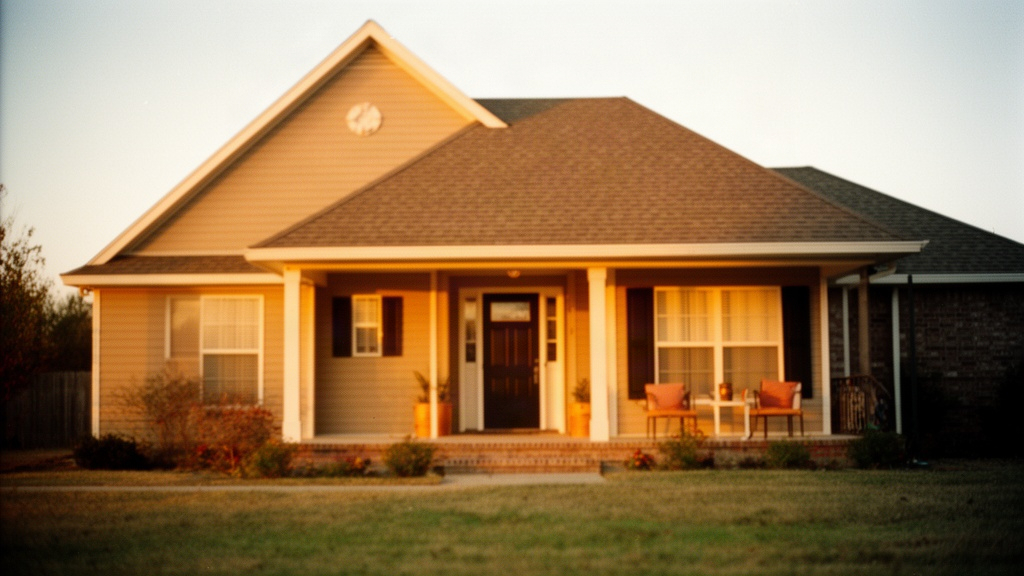
As of September 2026, Portland's citywide median home sale price sits in the low-to-mid $500,000s, though that number tells only part of the story. Detached single-family homes in close-in eastside neighborhoods such as Woodstock, Richmond, and Concordia typically list in the $500,000 to $700,000 range depending on lot size and condition. Craftsman bungalows from the 1910s and 1920s, Portland's most common housing type, dominate those blocks and often feature original fir floors, covered front porches, and small but well-established yards.
Condos and attached townhomes in the Pearl District, South Waterfront, and Lloyd District generally run from the low $300,000s for a one-bedroom up to $800,000 or more for larger units with river or mountain views. For a deeper look at how prices break down by quadrant, the Portland, Oregon real estate market guide for 2026 covers neighborhood-level data in detail.
How Long Homes Are Sitting
Median days on market across Portland is currently running between 30 and 45 days for move-in-ready homes priced accurately. Overpriced listings or homes that need significant work are sitting longer, sometimes 60 to 90 days, which is creating real opportunity for buyers willing to take on cosmetic updates. According to HousingWire's Portland market update, price cuts have become increasingly common as buyer power grows across the metro area. That is a meaningful change from just two years ago.
2. Getting Financially Ready to Buy in Portland
Getting your finances in order before you tour a single home is the most important thing you can do to protect yourself in this process. Portland sellers, even in a slower market, still prefer buyers who arrive with a pre-approval letter in hand. Without one, you cannot make a competitive offer, and you risk losing a home you want while you scramble to get paperwork together.
What Lenders Look At
Oregon lenders underwriting a conventional loan will review your credit score, debt-to-income ratio, employment history, and the source of your down payment funds. A score of 620 is the floor for most conventional programs, though scores of 740 and above unlock the best interest rates. As of September 2026, the 30-year fixed mortgage rate in Oregon is hovering in the mid-to-upper 6% range. Checking current figures through a source like Forbes Advisor's Oregon mortgage rate tracker before you apply helps you benchmark the offers you receive from local lenders.
Your debt-to-income ratio, meaning total monthly debt payments divided by gross monthly income, should ideally come in below 43% for conventional financing. FHA loans allow ratios up to 57% in some cases, which is why they remain popular with buyers who carry student loans or car payments alongside their housing costs.
Down Payment and Oregon Loan Programs
A conventional loan requires a minimum of 3% down, though putting less than 20% down means paying private mortgage insurance each month until you reach 20% equity. On a $550,000 Portland home, 3% down is $16,500; 20% down is $110,000. FHA loans require 3.5% down with a score of 580 or above. Oregon Housing and Community Services runs the Oregon Bond Residential Loan program, which offers below-market interest rates and down payment assistance for income-qualifying buyers purchasing a primary residence anywhere in the state, including Portland.
VA loans, available to eligible veterans and active-duty service members, require no down payment and no private mortgage insurance, making them one of the strongest financing tools available in Portland's market. USDA loans are generally limited to rural areas and do not apply to Portland proper, though some outer Washington County communities may qualify.
3. The Step-by-Step Buying Process in Portland
The process of buying a home in Portland, Oregon follows a predictable sequence, but each stage has Portland-specific details that matter. Understanding what happens at each step, and why, prevents surprises that can derail a transaction or cost you money.
Finding the Right Neighborhood
Portland is organized into four quadrants plus North Portland, and the housing stock, lot sizes, and price points differ substantially between them. Northeast Portland features a mix of Victorian-era homes, post-war ranches, and newer infill construction along corridors like Alberta Street and Fremont Street. Southeast Portland, particularly the area south of Hawthorne Boulevard, is dense with 1920s and 1930s bungalows on 50-foot lots, walkable to Powell's Books, Ladd's Addition, and the restaurants along Division Street.
If you are weighing close-in Portland against the western suburbs, the commute calculus is worth understanding before you commit to a location. The guide on commuting from Beaverton and Hillsboro into downtown Portland breaks down drive times, MAX Light Rail options, and what that commute actually looks like day to day. For buyers specifically drawn to Southeast, the Southeast Portland real estate market guide covers pricing and inventory in that quadrant in depth.
School boundaries in Portland are assigned by address and can change, so if school assignment matters to your household, always verify the current zoning directly. The article on how Portland public school boundaries work explains the lookup process step by step.
Making an Offer and Negotiating
Once you identify a home, your agent prepares a written offer using the Oregon Real Estate Purchase Agreement, a standardized form that covers price, earnest money, contingencies, and closing date. Earnest money in Portland typically runs 1% to 2% of the purchase price, deposited into escrow within two business days of acceptance. On a $580,000 home, that is $5,800 to $11,600 held in a neutral escrow account until closing.
In September 2026, buyers have room to negotiate on price, seller-paid closing cost contributions, and repair credits in a way that was not possible during the peak seller's market. Asking a seller to contribute $10,000 to $15,000 toward your closing costs, structured as a seller concession, is a realistic ask on many listings that have been sitting for three or more weeks. Your agent will know which listings have motivated sellers based on price history and days on market.
Inspection and Due Diligence
Oregon purchase agreements include a standard inspection contingency, typically set at 10 business days, during which you can hire licensed inspectors and walk away without losing your earnest money if you are not satisfied with what you find. A general home inspection in Portland runs $400 to $600 for a typical single-family home. Many buyers also order a sewer scope, which checks the lateral line running from the house to the city main, for an additional $150 to $250. Portland's older housing stock, particularly homes built before 1950, can have clay or Orangeburg sewer lines that are approaching end of life.
Radon testing is another inspection that Portland buyers increasingly request. Oregon has elevated radon levels in many areas, and a short-term test kit costs around $30 to $50 if you do it yourself, or $150 to $200 if a professional conducts it. If levels come back above 4 pCi/L, mitigation systems typically run $800 to $1,500 and are highly effective.
4. The Real Costs of Buying a Portland Home
The purchase price is only one piece of what buying a home in Portland, Oregon actually costs. Buyers consistently underestimate the upfront cash required beyond the down payment, and that gap can cause real problems at the closing table if you have not planned for it.
Upfront and Closing Costs
Closing costs for a buyer in Oregon typically total 2% to 3% of the loan amount, covering lender fees, title insurance, escrow fees, prepaid property taxes, and homeowners insurance. On a $560,000 purchase with a $448,000 loan (20% down), that works out to roughly $9,000 to $13,500 in closing costs on top of your down payment. Oregon does not impose a state-level transfer tax on buyers, but the Metro Supportive Housing Services tax applies to sellers in the Portland metro area, which can affect how sellers price their homes.
Here is a breakdown of the main cost categories a Portland buyer should budget for:
- Earnest money deposit: 1% to 2% of purchase price, applied toward your down payment at closing (not an additional cost, but cash you need available immediately).
- Home inspection: $400 to $600 for a general inspection; add $150 to $250 for a sewer scope; $150 to $200 for professional radon testing.
- Appraisal fee: $600 to $900 for a standard single-family home in the Portland metro, paid to your lender during the loan process.
- Lender origination and underwriting fees: Varies by lender; budget $1,000 to $2,500 combined for origination, processing, and underwriting charges.
- Title insurance and escrow: Owner's title policy and escrow fees in Oregon typically total $2,000 to $3,500 depending on the purchase price.
- Prepaid items: Lenders require prepaid homeowners insurance (typically 12 months upfront) and a property tax escrow reserve; budget $3,000 to $5,000 for these combined.
- Recording fees: Multnomah County charges approximately $100 to $200 to record the deed and deed of trust.
Ongoing Ownership Costs to Budget For
Property taxes in Multnomah County run roughly 1.0% to 1.2% of assessed value annually, though Oregon's Measure 50 limits annual assessment increases to 3%, so assessed value often sits below market value on older homes. On a home with a $420,000 assessed value, annual property taxes would be approximately $4,200 to $5,040, or $350 to $420 per month added to your housing payment.
Homeowners insurance in Portland averages $1,200 to $1,800 per year for a standard single-family home, though homes in areas with higher wildfire exposure or older electrical systems can run higher. If you buy a condo, HOA dues vary widely: Pearl District buildings commonly run $500 to $900 per month, while smaller eastside condo buildings might charge $200 to $350 per month. Always review the HOA's reserve fund study and recent meeting minutes before closing.
5. How Long Does It Take to Buy a Home in Portland?
From the day you start talking to a lender to the day you get keys, most Portland home purchases take 60 to 120 days. That range accounts for the time spent searching, the time under contract, and the loan underwriting period. Buyers who are well-prepared at the start consistently land at the shorter end of that range.
Timeline from Pre-Approval to Close
- Pre-approval: 3 to 7 business days once you submit a complete application with pay stubs, tax returns, bank statements, and ID. Some lenders offer same-day pre-approval for straightforward files.
- Home search: Highly variable. Some buyers find a home in two weeks; others search for three to four months. In September 2026, Portland's higher inventory means most active buyers find a home within four to eight weeks.
- Offer acceptance to inspection completion: 10 business days is the standard inspection period in Oregon; inspections are usually scheduled within the first three to five days.
- Appraisal: Ordered by the lender after inspection is resolved; typically takes 7 to 14 days to complete and deliver the report in the Portland metro.
- Loan underwriting and clear to close: 10 to 21 days from completed appraisal, depending on lender volume and file complexity.
- Closing day: Oregon uses escrow-based closings. You sign documents at a title company, funds are wired, and the deed records with Multnomah County (or Washington or Clackamas County, depending on location). Keys are typically released the same day recording is confirmed.
What Can Speed Up or Slow Down the Process
The single biggest source of delay in Portland transactions is incomplete documentation on the buyer's side. Lenders issue what are called conditions: additional documents or explanations they need before they will approve the loan. Responding to those conditions within 24 to 48 hours rather than waiting several days can shave a week off your timeline. Self-employed buyers and those with non-traditional income sources should expect more conditions and plan accordingly.
Appraisal gaps can also slow things down. If the appraised value comes in below the purchase price, you and the seller need to renegotiate or you need to cover the difference in cash. In the current Portland market, where sellers have been reducing prices, this is less common than it was in 2021 and 2022, but it still happens on homes where the seller's price expectations lag behind current comps.
If your situation involves a compressed timeline, the guide on buying or selling with a tight deadline in Portland covers strategies for accelerating every stage of the process without cutting corners.
FAQ
Do buyers pay a real estate agent commission in Portland, Oregon?
As of August 2024, following the National Association of Realtors settlement, buyers in Oregon are required to sign a written buyer representation agreement with their agent before touring homes. How buyer agent compensation is paid has become more negotiable: in many Portland transactions, buyers ask the seller to cover the buyer's agent fee as part of the offer, similar to how seller concessions work. In other cases, buyers pay their agent directly. The amount varies, but 2% to 3% of the purchase price is a common range. Your agent should explain the compensation structure clearly before you sign any agreement.
Is it better to buy now in Portland or wait until spring 2027?
In September 2026, Portland buyers have more leverage than they will likely have once spring inventory peaks and more competing buyers enter the market. Homes that have sat for several weeks are negotiable on price and seller concessions in ways that are less common during the spring rush. Interest rates remain elevated compared to 2020 and 2021 levels, but waiting for rates to drop while hoping prices hold steady is a bet with uncertain odds. The article on whether to list or buy now versus spring 2027 covers this timing question from both sides of the transaction with current market data.
What is earnest money and can you lose it when buying a home in Portland?
Earnest money is a good-faith deposit, typically 1% to 2% of the purchase price, that you submit to an escrow account within two business days of the seller accepting your offer. It is applied toward your down payment or closing costs at closing, so it is not an extra cost. However, you can forfeit it if you back out of the contract outside of a contingency period. Oregon purchase agreements include standard contingencies for inspection, financing, and appraisal. As long as you cancel within those contingency windows and follow the proper written notice procedures, your earnest money is returned. Waiving contingencies, which some buyers did in 2021, puts that deposit at real risk.