← Back to Blog
Buying
Buying a Home in the Hawthorne Neighborhood of Portland, Oregon: Process, Costs and Timeline
By MELISSA YOUNG
Portland Real Estate Consulting
September 12, 2026 · 12 min read
Buying a home in the Hawthorne neighborhood of Portland, Oregon draws buyers who want walkable streets, older craftsman and bungalow architecture, and a dense commercial corridor within a short distance of Southeast Portland's other established districts. This guide covers what the process actually looks like from first search to closing keys, what costs to budget for in September 2026, and how long the whole thing realistically takes in this specific pocket of Portland.
1. What Makes Hawthorne a Distinct Place to Buy
Hawthorne is one of Portland's most recognizable Southeast neighborhoods, anchored by the SE Hawthorne Boulevard commercial strip running from roughly SE 12th Avenue out toward SE 50th Avenue. The residential blocks surrounding that corridor are dense with pre-1950 housing, and that architectural character is one of the first things buyers notice when they start touring here.
The Housing Stock
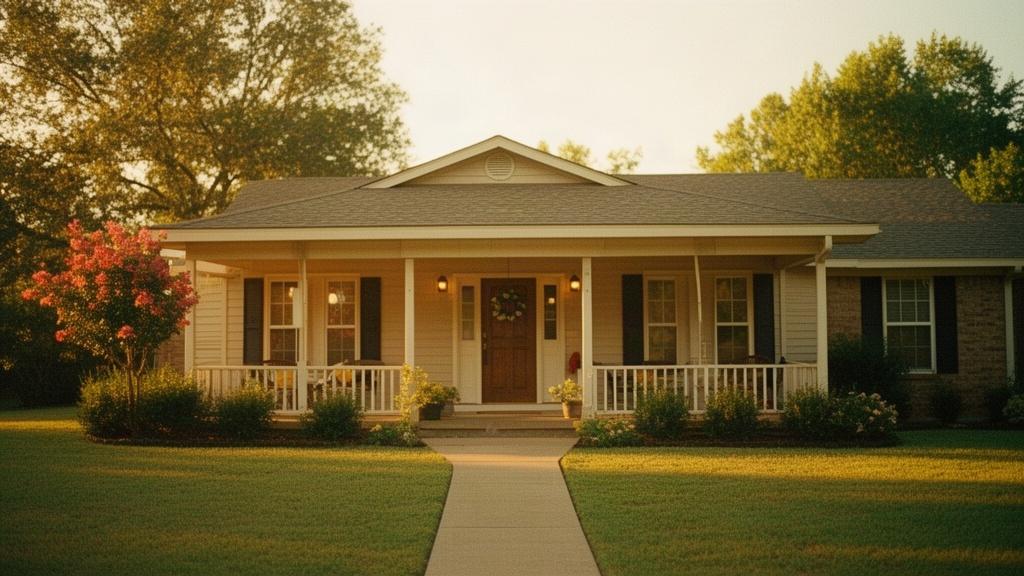
Most of what sells in Hawthorne is craftsman bungalows, foursquares, and early 20th-century cottages on lots that typically run 4,000 to 6,000 square feet. Square footage in these homes is often modest by suburban standards: 1,100 to 1,800 square feet is common, with two or three bedrooms and one or two bathrooms. Detached garages, covered front porches, original hardwood floors, and older plumbing and electrical systems are standard features buyers will encounter at nearly every price point in this neighborhood.
Condos and attached townhomes exist along and near the Hawthorne corridor but represent a smaller share of the market than single-family detached homes. Buyers who want new construction will need to look elsewhere; Hawthorne has very little of it. The appeal here is the existing stock, not ground-up builds.
Location and Commute Context
Hawthorne sits roughly two miles southeast of downtown Portland. TriMet bus lines, particularly the 14 along Hawthorne Boulevard, connect the neighborhood to downtown in about 20 to 30 minutes depending on traffic and time of day. Cyclists frequently use the neighborhood's flat to gently rolling terrain; the Springwater Corridor trail is reachable within a short ride, and the Tilikum Crossing bridge gives car-free access across the Willamette River.
Buyers relocating from outside Portland should know that Hawthorne borders Ladd's Addition to the west, the Division Street corridor to the south, and the Mount Tabor neighborhood to the east. Mount Tabor Park, a volcanic butte with paved paths, reservoirs, and open meadows, is within walking or biking distance from most Hawthorne addresses. For a broader look at how this part of the city compares to other Portland districts, the Portland neighborhoods housing guide covers the full picture.
2. What the Home Buying Process Looks Like in Hawthorne
The process of buying a home in the Hawthorne neighborhood of Portland follows Oregon's standard transaction framework, but the older housing stock and competitive price range introduce some specific wrinkles that buyers should understand before they start writing offers. Oregon is an escrow state, meaning a neutral title and escrow company manages the closing rather than an attorney, and most transactions close in 30 to 45 days once a purchase agreement is signed.
Step One Through Three: Pre-Approval, Agent, and Search
Pre-approval is the starting point, not an optional step. Sellers in Hawthorne, especially those receiving multiple offers, will not take an offer seriously without a lender letter attached. Oregon lenders will pull your credit, verify income documentation, and issue a pre-approval letter that specifies a loan amount. This process typically takes three to seven business days if you have your documents ready.
Once pre-approved, most buyers work with a buyer's agent who specializes in Southeast Portland. In Oregon, buyer's agents are compensated through the transaction, typically from the seller's proceeds, though the specifics of how compensation is structured have shifted since the 2024 NAR settlement changes took effect. Your agent will explain the buyer representation agreement before you begin touring homes together.
The active search phase in Hawthorne can move quickly. Inventory in this neighborhood is not large; at any given time in September 2026, there are typically fewer than 20 single-family homes listed in the immediate Hawthorne area. Buyers who are not prepared to move fast on a home they like will frequently lose it to someone who is.
Step Four Through Six: Offer, Inspection, and Earnest Money
Oregon uses the Oregon Real Estate Purchase Agreement, a standardized form that covers price, contingencies, timelines, and seller disclosures. Your agent will help you structure the offer with a price, earnest money deposit, and contingency periods for inspection and financing. In Hawthorne, earnest money of one to two percent of the purchase price is typical, though competitive situations may call for more.
The inspection contingency is especially important in Hawthorne given the age of the housing stock. Buyers routinely discover deferred maintenance, aging electrical panels, galvanized plumbing, older roofs, or foundation settling in homes built between 1910 and 1945. A thorough general inspection runs $400 to $600 in Portland, and buyers often add sewer scope inspections, which typically cost $150 to $250, given the clay or Orangeburg sewer lines common in this era of construction.
Oregon's inspection period is typically 10 business days from mutual acceptance, though this is negotiable. After inspections, buyers can request repairs, a price reduction, or a seller credit, or they can walk away and receive their earnest money back if the issues are significant enough. Sellers are not obligated to make repairs, so the negotiation outcome depends on the market conditions at the time.
Step Seven Through Nine: Title, Appraisal, and Closing
Once inspection contingencies are resolved, the lender orders an appraisal. In Portland, appraisals currently cost $600 to $900 and take one to two weeks to complete. If the appraised value comes in below the purchase price, buyers and sellers must renegotiate or the buyer must cover the gap in cash, which is called an appraisal gap.
Title work runs concurrently with the appraisal. The title company searches public records to confirm the seller has clear ownership and identifies any liens or encumbrances. In Oregon, both owner's title insurance and lender's title insurance are standard. The lender's policy is required; the owner's policy is optional but strongly advisable given the age of many Hawthorne properties and the potential for title complications in older chain-of-title records.
Closing in Oregon happens at the title company's office or via remote notary. Buyers sign loan documents, pay closing costs, and the deed is recorded with Multnomah County. Keys are typically released the same day recording is confirmed, which usually happens within a few hours of signing. For a detailed breakdown of who pays what at closing, see the guide to closing costs when buying a home in Portland.
3. Real Costs Buyers Should Budget for in Hawthorne
Cost is where many buyers underestimate what buying a home in the Hawthorne neighborhood of Portland, Oregon actually requires. The purchase price is only one number. Buyers need to account for the down payment, closing costs, inspection fees, prepaid expenses, and reserves for post-closing repairs, particularly in a neighborhood where nearly every home is at least 70 years old.
Purchase Price Range as of September 2026
Single-family homes in the Hawthorne neighborhood are currently trading in a range of roughly $550,000 to $850,000, with the median closer to $650,000 to $700,000 for a typical two or three bedroom craftsman bungalow in good condition. Smaller cottages or homes needing substantial work can come in below $550,000, while larger or fully updated homes on wider lots push above $800,000. Condos along the commercial corridor start lower, often in the $350,000 to $500,000 range.
For context on how Hawthorne's prices compare to the broader Portland market right now, the Portland real estate market guide for fall 2026 covers city-wide price trends and what's driving them.
Upfront and Closing Costs
Buyers using conventional financing typically put down 5 to 20 percent of the purchase price. On a $675,000 home, that means a down payment of $33,750 at five percent or $135,000 at twenty percent. FHA loans require 3.5 percent down but carry mortgage insurance premiums and have loan limits that can restrict options in this price range. VA and USDA loans have specific eligibility requirements.
Closing costs in Oregon for buyers typically run two to three percent of the loan amount. On a $675,000 purchase with a $540,000 loan (20 percent down), that means budgeting $10,800 to $16,200 for closing costs. These include lender origination fees, title insurance premiums, escrow fees, prepaid homeowner's insurance, prepaid property taxes, and prepaid mortgage interest. Oregon does not have a state transfer tax paid by buyers, which is a meaningful difference from some other states.
Inspection-related costs add another $600 to $900 when you include a general inspection and a sewer scope. Some buyers also hire specialists for radon testing (around $150), oil tank scanning (around $200 to $400, relevant for many older Southeast Portland lots), or chimney inspections if the home has a wood-burning fireplace or insert. These are paid out of pocket before closing regardless of whether the deal closes.
For a comprehensive look at how Oregon's buying process and costs compare nationally, Bankrate's guide to buying a house in Oregon is a solid reference for understanding statewide norms before you focus on the Hawthorne-specific details.
Ongoing Ownership Costs
Property taxes in Multnomah County run roughly 1.1 to 1.3 percent of assessed value annually, though Oregon's Measure 50 caps how fast assessed value can rise, so the tax bill on an older home may be lower than the market value suggests. On a home with an assessed value of $450,000 (which could have a market value of $675,000 or more), the annual property tax bill would be in the range of $4,950 to $5,850.
Homeowner's insurance on an older craftsman bungalow in Portland typically runs $1,200 to $2,400 per year, depending on the home's age, condition, and coverage level. Buyers of older homes should also set aside a maintenance reserve. A common rule of thumb is one percent of the home's value per year, though older homes often require more in the first few years of ownership as buyers address deferred items discovered during inspection.
4. How Long Does It Take to Buy in Hawthorne?
From the moment a buyer starts the pre-approval process to the day they receive keys, the full timeline for buying a home in the Hawthorne neighborhood of Portland is typically three to five months, though buyers who are decisive and prepared can compress that to two months in some cases. The biggest variable is how long it takes to find the right home and get an offer accepted.
Pre-Approval to Accepted Offer
Pre-approval takes about one to two weeks from the moment you gather your documents and contact a lender. After that, the search and offer phase is the most unpredictable part. In September 2026, Hawthorne is not a frenzy market, but well-priced homes in good condition still attract multiple offers within the first week. Buyers who need to write three to five offers before one is accepted should expect this phase to take four to ten weeks.
For context on how quickly homes are moving across Portland right now, the article on how long homes are sitting on the market in Portland before going under contract gives current data that applies to Hawthorne as part of the broader Southeast Portland market.
Under Contract to Closing
Once an offer is accepted, the transaction timeline is more predictable. The inspection period runs the first 10 business days. Appraisal and underwriting take another two to three weeks. Final loan approval and closing documents are prepared in the last week. Most Hawthorne transactions close 30 to 45 days after mutual acceptance, with 35 days being a common target that gives both sides enough time without dragging unnecessarily.
Cash buyers can close faster, sometimes in 14 to 21 days, which is one reason cash offers carry weight in competitive situations even when the price is not the highest. If you are financing and want to compete with cash offers, your lender's reputation for closing on time matters as much as the rate they quote you.
5. What Most Buyers in Hawthorne Get Right and Wrong
Buyers who have purchased newer construction elsewhere in the country sometimes underestimate what buying an older Portland bungalow involves. The charm of Hawthorne's housing stock is real, but so are the maintenance realities that come with it. Understanding both before you write an offer puts you in a much stronger position.
Common Missteps in Older Portland Homes
Skipping the sewer scope is one of the most common and costly mistakes buyers make in Southeast Portland. Clay sewer lines from the 1920s and 1930s are prone to root intrusion and collapse. A sewer scope costs $150 to $250 and can save you from a $10,000 to $25,000 repair bill after closing. This is non-negotiable in Hawthorne.
Underground oil storage tanks are another Hawthorne-specific concern. Many homes in this part of Southeast Portland were heated by oil before converting to gas, and some have decommissioned tanks still buried on the property. A tank scan before closing costs $200 to $400 and is worth every dollar. An undisclosed or improperly decommissioned tank can create environmental liability that complicates future resale.
Buyers also sometimes underestimate the cost of updating older electrical panels. Homes with Federal Pacific or Zinsco panels, or those with original knob-and-tube wiring, may face insurance complications or lender requirements. Electrical panel replacements in Portland currently run $3,000 to $6,000 depending on the scope. Knowing this before you make an offer helps you price the work into your decision.
How to Compete Without Overpaying
In September 2026, Hawthorne is not the multiple-offer-every-listing environment it was in 2021 and 2022, but desirable homes still move quickly. Buyers who come in with a clean pre-approval from a known local lender, a reasonable earnest money deposit, and flexible closing timelines tend to be taken more seriously than those with contingent offers or out-of-state lenders that sellers don't recognize.
Escalation clauses can help in competitive situations, but they need to be structured carefully so you don't end up paying significantly above what comparable sales support. Your agent should pull recent sold data within a half-mile radius before you write any offer, so you know what the home is actually worth before you decide how far above list price you are willing to go.
If you are a first-time buyer navigating this process, the first-time home buyer guide for Portland, Oregon walks through the full process with additional detail on down payment assistance programs and loan options that may apply to your situation.
FAQ
What is the typical price range for homes in the Hawthorne neighborhood of Portland right now?
As of September 2026, single-family homes in Hawthorne generally sell between $550,000 and $850,000, with the median for a two or three bedroom craftsman bungalow in good condition falling around $650,000 to $700,000. Smaller homes or those needing work can come in below $550,000, while larger or fully renovated properties push above $800,000. Condos along the Hawthorne Boulevard corridor typically start in the $350,000 to $500,000 range. These figures reflect the current market in September 2026 and can shift depending on inventory levels and broader Portland market conditions.
Do buyers in Hawthorne need a sewer scope inspection, and how much does it cost?
A sewer scope is strongly advisable for nearly every home in Hawthorne given that most of the neighborhood's housing was built before 1950 using clay sewer lines that are prone to root intrusion and deterioration over time. The inspection typically costs $150 to $250 and is ordered as part of the inspection contingency period, which runs about 10 business days after mutual acceptance in a standard Oregon purchase agreement. If the scope reveals problems, buyers can negotiate repairs, a price reduction, or a seller credit before closing. Skipping this step has cost some buyers $10,000 to $25,000 in post-closing sewer repairs.
How long does the full process of buying a home in Hawthorne take from start to finish?
From the start of the pre-approval process to closing day, most buyers should plan for two to five months total. Pre-approval takes one to two weeks, the search and offer phase typically runs four to ten weeks depending on how quickly a buyer finds a home and gets an offer accepted, and the under-contract period from accepted offer to closing is usually 30 to 45 days. Cash buyers can close in as few as 14 to 21 days once an offer is accepted. Buyers who come prepared with documents ready and a clear sense of what they want tend to move through the process faster than those who are still defining their criteria while searching.