← Back to Blog
Market Trends
Portland, Oregon right now real estate market guide: prices, neighborhoods and timing
By MELISSA YOUNG
Portland Real Estate Consulting
September 1, 2026 · 9 min read
If you are trying to make sense of the Portland, Oregon right now real estate market guide question, you are not alone. Prices have shifted, inventory has moved in unexpected directions, and the window for buyers and sellers to act strategically looks different in September 2026 than it did even a year ago. This guide breaks down what is actually happening, neighborhood by neighborhood and number by number, so you can make a confident decision.
1. Where Portland Home Prices Stand in September 2026
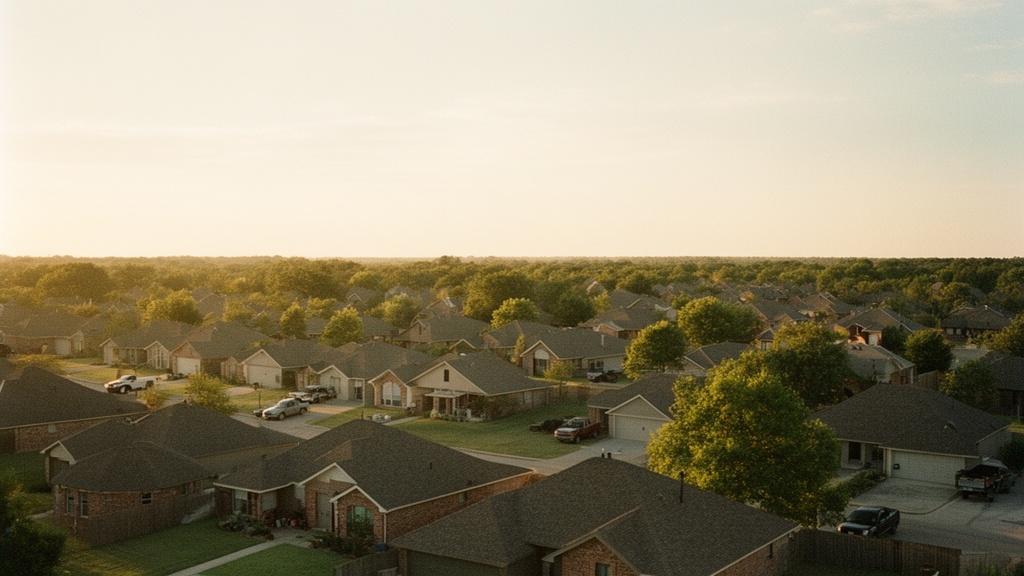
Portland's median home price sits at approximately $489,000 as of September 2026. That figure represents a modest increase of roughly 3.2 percent compared to September 2025, when the median hovered near $474,000. The pace of appreciation has slowed considerably from the double-digit years of the early 2020s, which means buyers are no longer competing in a sprint, but sellers are still seeing real equity growth.
For broader context on how Portland compares to national housing trends, Norada Real Estate's Portland housing market analysis tracks median prices, appreciation rates, and inventory data updated regularly through 2026. It is a useful benchmark to read alongside local MLS data.
Metro-Wide Median Prices
The Portland metro is not one market; it is several layered on top of each other. Condos and attached homes in the urban core, particularly in the Pearl District and South Park Blocks area, are trading in the $350,000 to $550,000 range depending on square footage and floor level. Single-family homes in close-in neighborhoods like Sellwood-Moreland, Irvington, and Concordia are clustered between $525,000 and $750,000. Larger homes on bigger lots in Southwest Portland's West Hills corridor routinely exceed $800,000.
The sub-$500,000 segment remains the most competitive price band in the Portland market right now. Buyers searching in that range should expect multiple-offer situations on well-maintained homes, particularly those within a few miles of MAX light rail stations. If you are working in that price range, the article on Portland homes for sale under $500k walks through exactly what that budget gets you neighborhood by neighborhood.
Price Trends Over the Past 12 Months
Annual appreciation in the low single digits is the new normal for Portland. From September 2025 through September 2026, single-family home prices across Multnomah County rose approximately 3 to 4 percent. Condo prices were flatter, with some segments seeing gains of only 1 to 2 percent as higher HOA fees and insurance costs have dampened demand for attached properties. Washington County, which includes Beaverton and Hillsboro, tracked slightly ahead of Multnomah at closer to 4.5 percent annual appreciation, driven by tech-sector employment near the Intel Hillsboro campus.
2. Inventory and Market Conditions Right Now
Portland currently sits at roughly 2.4 months of housing supply, which places it in seller's market territory. A balanced market is generally considered to be around 4 to 6 months of supply. Below that threshold, sellers hold more negotiating leverage, and well-priced listings move quickly. That said, the market is softer than it was in 2021 and 2022, so overpriced homes are sitting, sometimes for weeks, while accurately priced homes are still drawing competitive offers.
Months of Supply and What It Means for You
Supply varies significantly by price point and property type. Homes priced under $500,000 in close-in Portland neighborhoods have closer to 1.5 months of supply, meaning inventory is thin and competition is real. Homes priced above $750,000 are sitting at closer to 4 months of supply, giving buyers in that segment more room to negotiate on price, contingencies, and closing timelines. Condos metro-wide are approaching 5 months of supply, which is the most balanced segment in the current Portland market.
Days on Market and List-to-Sale Ratios
The average days on market for Portland single-family homes is currently 28 days, compared to 34 days in September 2025. That tightening reflects a small but meaningful uptick in buyer activity heading into fall. The list-to-sale price ratio for closed transactions in August 2026 was 98.6 percent, meaning most homes are selling slightly below list price. Homes that received multiple offers, particularly in the $400,000 to $550,000 range, closed at or above list price at a rate of about 38 percent of transactions.
3. Housing Stock Across Portland's Key Areas
Portland's neighborhoods each carry a distinct architectural character and price profile. Understanding what you are actually buying in each area, from bungalow to craftsman to mid-century ranch to new construction, shapes how you should approach your search and what to budget for in terms of maintenance and updates. The guide to Portland neighborhoods and housing stock for relocating buyers covers the full picture, but here is how the major zones break down right now.
Inner Southeast and Inner Northeast
Inner Southeast Portland, which includes Sellwood-Moreland, Woodstock, and Richmond, is dominated by early 20th-century craftsman bungalows and four-square homes on 5,000 to 6,000 square foot lots. Prices in this corridor run from the low $500,000s to the mid $700,000s depending on condition, lot size, and proximity to Division Street or Milwaukie Avenue commercial corridors. Inner Northeast, including Irvington, Sabin, and Alameda, features a similar housing stock with slightly larger lots and a mix of craftsman, Tudor revival, and colonial styles. Median prices in Irvington specifically have been tracking around $675,000 through summer 2026.
North Portland and St. Johns
North Portland offers some of the most diverse housing stock in the city. The St. Johns neighborhood, situated at the northern tip of the peninsula near the St. Johns Bridge and Cathedral Park, has a mix of early 20th-century worker cottages, 1950s ranches, and newer infill construction. Prices in St. Johns range from the high $300,000s for smaller original homes to the mid $500,000s for updated or larger properties. Kenton and Overlook, closer to Interstate Avenue and the Yellow MAX line, tend to run $420,000 to $580,000 for single-family homes.
Southwest Portland and the West Hills
Southwest Portland and the West Hills corridor are where Portland's larger lots and wooded terrain come into play. Neighborhoods like Hillsdale, Multnomah Village, and Bridlemile sit on rolling terrain with homes ranging from 1950s ranches to contemporary builds, typically on lots of 7,500 square feet and larger. Prices in this zone run from $550,000 to well over $1 million for properties with canyon or city views. The West Hills neighborhoods closer to Terwilliger Boulevard and Council Crest carry some of the highest price per square foot figures in the city.
East Portland and the Outer Neighborhoods
East Portland, the area east of 82nd Avenue stretching toward the Gresham border, represents the most accessible price points in the city proper. Homes here are predominantly post-war construction from the 1950s through 1980s, with a significant number of newer infill duplexes and small multi-family units built under Portland's middle housing code changes. Single-family homes in neighborhoods like Lents, Centennial, and Pleasant Valley are trading in the $350,000 to $480,000 range. Lot sizes tend to be generous relative to price, with many properties offering 6,000 to 8,000 square foot lots.
4. Mortgage Rates, Affordability, and Buying Power in 2026
Mortgage rates are a central factor in the Portland market right now. As of September 2026, the average 30-year fixed mortgage rate nationally is hovering near 6.4 percent, down from the 7.2 to 7.5 percent range that defined much of 2023 and 2024. That roughly one-point drop translates into meaningful monthly savings. On a $489,000 home with 10 percent down, a 6.4 percent rate produces a principal and interest payment of approximately $2,760 per month, compared to about $3,060 at 7.4 percent.
What Current Rates Mean for a Portland Purchase
Rate sensitivity is reshaping who is active in the Portland market and at what price points. Buyers who were priced out at 7.5 percent are re-entering at 6.4 percent, which is adding competition in the $400,000 to $550,000 range. At the same time, many existing homeowners who locked in rates below 4 percent between 2020 and 2022 are reluctant to sell and take on a higher rate for their next purchase. That dynamic is one of the primary reasons inventory remains constrained despite softer demand than the peak years.
Down Payment and Closing Cost Realities
Buyers in Portland should plan for closing costs of approximately 2 to 3 percent of the purchase price in addition to their down payment. On a $489,000 purchase, that is roughly $9,800 to $14,700 in closing costs covering lender fees, title insurance, escrow, prepaid property taxes, and homeowners insurance. Oregon does not impose a mortgage tax, which keeps closing costs slightly lower than in some other states. First-time buyers should also investigate Oregon Housing and Community Services programs, which offer down payment assistance for qualifying income levels.
For a detailed look at what the current rate environment means for buyers in the broader Portland metro, including Washington County, Steadily's 2026 Portland real estate market overview offers a useful breakdown of affordability metrics and investor-side data that also applies to owner-occupant buyers.
5. Timing the Market: When to Buy or Sell in Portland
September is a genuine inflection point in Portland's real estate calendar. The summer listing surge has peaked, buyer urgency tied to school-year moves has passed, and the market shifts into a quieter rhythm through October and November. That shift creates specific opportunities and risks depending on whether you are buying or selling.
The September Window for Buyers
Buyers who act in September and October often find more negotiating room than they would have in April or May. Sellers who listed in spring and summer and did not close are frequently more motivated by fall, and some are willing to negotiate on price, closing costs, or repair credits that they would not have entertained earlier in the year. Competition from other buyers also softens modestly in fall, which can reduce the likelihood of a bidding war on a well-priced home.
The trade-off is that fall inventory is thinner. Fewer new listings come to market between September and December compared to March through July. Buyers who need a specific property type or location may find their options limited and should be prepared to move quickly when a well-matched home appears. Working with an agent who has deep knowledge of Portland's neighborhood-level inventory, including off-market and pre-market opportunities, is especially valuable in the fall window.
Seller Strategy in the Current Environment
Sellers who list in September are competing against a smaller pool of active listings, which works in their favor. The key risk is overpricing. Buyers in September 2026 are more informed and more patient than buyers were in 2021. A home that comes out at $30,000 or $40,000 above comparable sales will sit, accumulate days on market, and often sell for less than it would have at an accurate initial price. Pricing correctly from day one, supported by a thorough comparative market analysis, is the single most important decision a Portland seller makes right now.
Sellers in the $500,000 to $700,000 range are finding the strongest buyer pools right now, particularly for updated single-family homes with functional layouts and outdoor space. Homes that need significant work are selling but at meaningful discounts to updated comparable properties, often 8 to 12 percent below what a move-in-ready version of the same home would fetch. If you are weighing whether to update before listing or sell as-is, that gap is worth calculating carefully with your agent.
If you are also considering options in the broader metro, including the Beaverton and Hillsboro corridor in Washington County, the guide on homes for sale in Beaverton, Oregon covers what buyers need to know before making an offer in that market, where prices and inventory dynamics differ from inner Portland.
FAQ
Is Portland, Oregon a buyer's or seller's market right now in September 2026?
Portland is currently in seller's market territory, with approximately 2.4 months of housing supply metro-wide. That said, the market is segmented: homes priced under $500,000 in close-in neighborhoods are highly competitive with limited inventory, while the luxury segment above $750,000 and the condo market are closer to balanced conditions. Buyers in the competitive price bands should be prepared to move quickly on well-priced homes, while those shopping above $750,000 have more room to negotiate. Working with a local agent who can read the micro-market conditions in each specific neighborhood is the most reliable way to calibrate your strategy.
What is the median home price in Portland, Oregon right now?
The median home price across the Portland metro is approximately $489,000 as of September 2026, up roughly 3.2 percent from September 2025. That median covers a wide range: condos in the Pearl District and South Park Blocks area start around $350,000, craftsman bungalows in inner Southeast and Northeast Portland cluster between $525,000 and $750,000, and West Hills properties frequently exceed $800,000. East Portland and outer neighborhoods remain the most accessible segments, with single-family homes trading between $350,000 and $480,000. Price per square foot, lot size, condition, and proximity to transit all influence where any specific property lands within those ranges.
Is fall a good time to buy a home in Portland, Oregon?
September and October can be a productive window for Portland buyers for a few specific reasons. Sellers who listed in spring and summer without closing tend to be more motivated by fall, which creates room to negotiate on price, closing costs, or repair credits. Buyer competition also softens modestly compared to the peak spring season, reducing the frequency of bidding wars on well-priced homes. The main trade-off is reduced inventory, since fewer new listings come to market between September and December. Buyers who are flexible on timing but have specific neighborhood or property-type requirements may want to start their search now and be ready to act decisively when the right home appears.