← Back to Blog
Market Trends
Investment Property Guide for LaGrange, Georgia Works Most
By Regenia Andrews
LoKation Real Estate, LLC & A Southern Group Realty
September 15, 2026 · 12 min read
If you are looking for an investment property guide for LaGrange, Georgia that covers what actually works most in this market, you are in the right place. LaGrange sits in Troup County about 65 miles southwest of Atlanta, and its combination of a growing manufacturing base, a state university campus, and a downtown undergoing steady reinvestment makes it a market worth understanding in real numbers. This guide walks through property types, price ranges, rental demand drivers, financing basics, and the local details that separate a well-placed investment from a costly mistake.
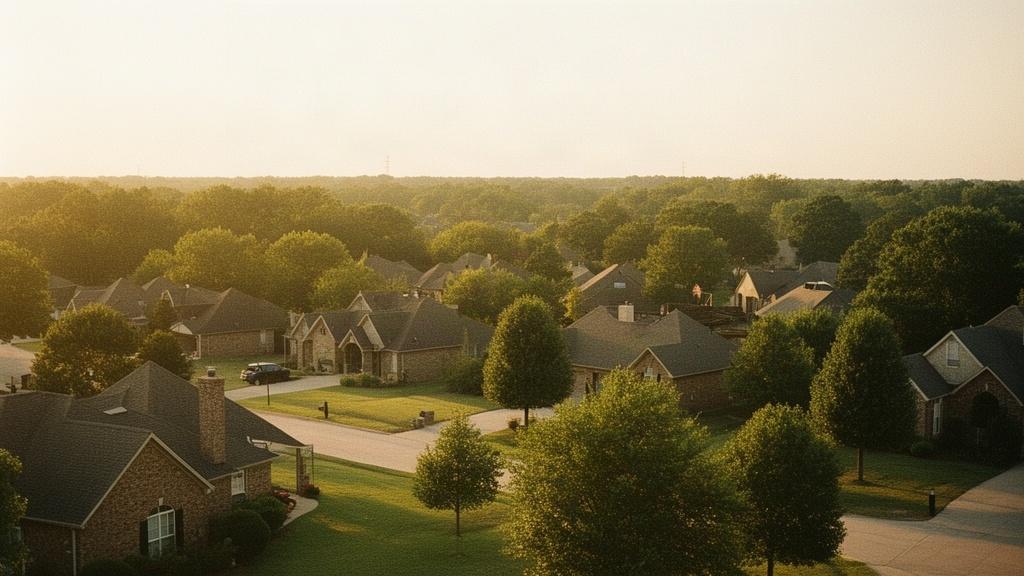
1. Why LaGrange, Georgia Attracts Real Estate Investors Right Now
LaGrange is one of the more compelling smaller markets in West Georgia for real estate investors. The city's population sits near 30,000, but its economic footprint punches above that number because of the concentration of manufacturing employment, the presence of LaGrange College, and the sustained investment in downtown along Bull Street and the Thread, a 16-mile multi-use trail that loops through the city and connects Granger Park, Sweetland Amphitheatre, and several residential corridors.
The Economic Drivers Behind Rental Demand
Kia Georgia's plant in West Point, roughly 18 miles south on I-85, is one of the largest employers in the region and draws a steady stream of workers who rent in LaGrange because housing costs here are lower than in the immediate West Point area. Duracell, Caterpillar, and several Tier 1 automotive suppliers operate facilities in and around Troup County, creating a broad blue-collar and technical workforce that rents long-term. LaGrange College enrolls roughly 1,000 students and generates demand for smaller units near the campus on Forrest Avenue.
The Thread trail has become a genuine quality-of-life asset. Properties within a short walk of a Thread access point tend to lease faster and hold value more consistently than comparable properties farther from it. That is a local detail worth tracking when you are evaluating specific addresses.
What the Current Market Numbers Say
As of September 2026, the median home price in LaGrange hovers in the low-to-mid $200,000s, with entry-level investment properties still available in the $120,000 to $160,000 range for smaller single-family homes that need cosmetic work. That price point is well below the Georgia statewide median, which means your acquisition cost per door stays manageable even as rents in the area have climbed steadily over the past two years. Gross rent multiples and cap rates in LaGrange tend to be more favorable than you will find in metro Atlanta, which is a primary reason investors from Newnan, Columbus, and Atlanta itself have been looking here.
For a broader look at how the overall LaGrange real estate market is performing right now, including inventory levels and days-on-market trends, see the LaGrange, Georgia Real Estate Market Guide: Prices, Neighborhoods and Timing published on this site.
2. Which Investment Property Types Work Most in LaGrange
Not every investment strategy fits every market. In LaGrange, three property types have consistently produced results for investors: single-family rentals, small multifamily buildings, and mid-term furnished rentals aimed at traveling workers. Each has a different risk profile, a different management load, and a different buyer pool when you eventually sell.
Single-Family Rentals
Single-family homes are the most liquid investment in LaGrange because your exit buyer pool includes both other investors and owner-occupants. Three-bedroom, two-bathroom homes in established residential areas near Callaway Stadium, Hollis Hand Elementary, or along Whitesville Road typically rent in the $1,100 to $1,450 per month range as of September 2026, depending on condition and lot size. A clean, updated home in that configuration purchased at $155,000 to $175,000 can produce a gross yield above 8 percent before expenses, which is a reasonable starting point for analysis.
Tenant turnover is the biggest cost risk in single-family rentals. In LaGrange, manufacturing workers and hospital employees at WellStar West Georgia Medical Center tend to be stable, multi-year tenants. Targeting those employment groups when screening applicants is a practical way to reduce vacancy drag.
Small Multifamily Properties
Duplexes and small fourplexes exist in LaGrange, though they trade less frequently than single-family homes. When they do come to market, they often attract multiple offers from investors because the per-unit acquisition cost can be lower than buying two separate houses. A duplex near the LaGrange College corridor, for example, can serve both a long-term tenant in one unit and a student or traveling worker in the other, diversifying your income stream within a single property.
Financing a duplex or triplex as an owner-occupant is one of the most accessible entry points into real estate investing. If you live in one unit, you may qualify for FHA or conventional owner-occupied financing at lower down payment thresholds than a pure investment loan requires. That strategy, often called house hacking, is covered in more detail in the financing section below.
Short-Term and Mid-Term Rentals
Short-term vacation rentals in LaGrange are a smaller niche than in coastal or mountain Georgia markets, but mid-term furnished rentals (30 to 90 day stays) have grown meaningfully. Insurance adjusters, construction crews working on industrial projects, and traveling healthcare workers at WellStar regularly need furnished housing for one to three months. A clean, well-located three-bedroom home furnished simply and listed on mid-term platforms can command $1,800 to $2,400 per month, which is substantially above the long-term rental rate for the same property.
The tradeoff is higher management intensity and furnishing costs upfront. You should also verify current City of LaGrange and Troup County regulations on short-term rentals before purchasing with this strategy in mind, as local ordinances can change and vary by zoning district.
3. Price Ranges, Neighborhoods, and What You Can Expect to Pay
Understanding what different price points buy you in LaGrange is essential before you make an offer. The market has distinct tiers, and each tier carries different renovation requirements, tenant profiles, and resale considerations.
Entry-Level Investment Properties
Properties priced between $90,000 and $140,000 in LaGrange are typically older stock, often built between the 1940s and 1970s, and will need updates to kitchens, bathrooms, roofing, or HVAC systems before they are rent-ready. These homes can produce strong cash-on-cash returns if you buy right and budget renovation costs accurately, but they carry more execution risk. A $15,000 renovation estimate that grows to $35,000 because of hidden plumbing or electrical issues will compress your returns significantly. Budget conservatively and get licensed contractor bids before you close.
Mid-Range and Value-Add Opportunities
The $155,000 to $210,000 range in LaGrange often includes homes built in the 1980s through early 2000s that are largely functional but benefit from cosmetic updates. These properties typically need new flooring, paint, appliance upgrades, and landscaping rather than structural work. They are easier to finance, attract a broader tenant pool, and carry lower renovation risk than the entry-level tier. For an investor who wants a property that is rent-ready within 30 to 60 days of closing, this price range is where the investment property guide for LaGrange, Georgia points most consistently.
Proximity to Key Demand Anchors
Location within LaGrange matters more than most first-time investors expect. Properties within a 10-minute drive of WellStar West Georgia Medical Center on West Point Road, or within a half-mile of a Thread trailhead, or within walking distance of downtown on Main Street, tend to lease faster and hold value better than comparable homes in more isolated corridors. The Dunson Hills and Calumet areas offer established residential streets with brick ranch homes that have proven rental histories. The area around Cleaveland Avenue and the older neighborhoods just south of downtown have seen reinvestment activity as the Thread has expanded.
If you are relocating to LaGrange and want to understand the physical layout of these corridors before investing, the Relocating to LaGrange, Georgia: Neighborhoods, Costs and Timelines guide on this site provides a useful orientation to the city's geography.
4. Financing Your LaGrange Investment Property
Financing is where many first-time investors in LaGrange get surprised. Investment property loans carry different requirements than primary residence mortgages, and knowing your options before you make an offer keeps you from losing a deal because your financing falls through.
Conventional Investment Loans
A standard conventional investment property loan requires a minimum 15 to 25 percent down payment, depending on the number of units and the lender. Interest rates on investment loans are typically 0.5 to 0.75 percentage points higher than primary residence rates. On a $160,000 purchase with 20 percent down, that means you are financing $128,000. At current rates in September 2026, your principal and interest payment on a 30-year term will be in the $850 to $950 range per month, leaving meaningful cash flow if your rent is in the $1,200 to $1,400 range and your expenses are controlled.
DSCR and Portfolio Loans
Debt Service Coverage Ratio loans, commonly called DSCR loans, qualify you based on the property's rental income rather than your personal income. If the property's gross rent covers the mortgage payment plus taxes and insurance at a ratio of 1.0 or higher, many DSCR lenders will approve the loan. This is particularly useful for self-employed investors or those who already have several mortgages on their personal tax returns. DSCR lenders active in the Georgia market typically require 20 to 25 percent down and will lend on LaGrange properties, though they tend to require the home to be in rent-ready condition at closing.
House Hacking as an Entry Strategy
House hacking means purchasing a two-to-four unit property, living in one unit, and renting the others. Because you are an owner-occupant, you qualify for FHA financing with as little as 3.5 percent down, or conventional financing with as little as 5 percent down on a duplex. The rental income from the other units offsets your housing cost, sometimes to zero. In LaGrange, a duplex near the college or near the medical center can make this math work well. The National Association of Realtors consumer guide on real estate investing covers the readiness questions every new investor should work through before committing capital.
5. How to Analyze a Deal in LaGrange Before You Buy
Deal analysis is the skill that separates investors who build wealth from those who break even or lose money. In LaGrange, where price points are accessible, it is tempting to move fast. Moving fast without running the numbers is how investors end up with a property that costs them money every month.
Running the Numbers on Gross Rent and Expenses
Start with gross monthly rent, then subtract your actual operating expenses. For a single-family rental in LaGrange, realistic expense categories include property taxes (Troup County's millage rate is worth verifying at the county tax commissioner's office before you close), landlord insurance, property management if you use a manager (typically 8 to 10 percent of gross rent in this market), maintenance reserves (budget at least 5 to 10 percent of gross rent), and vacancy reserve (budget 5 to 8 percent). Add those to your mortgage payment and compare the total to your expected rent. That gap is your actual monthly cash flow.
A property that rents for $1,300 per month and costs $1,250 per month in total expenses produces $50 per month in cash flow. That is not a bad deal if you also captured equity through a below-market purchase price or if the property appreciates, but it is a thin margin if a major repair hits in year one. Aim for at least $150 to $200 per month in cash flow after all expenses before you consider a deal in LaGrange worth pursuing.
Vacancy Rates and Tenant Demand
LaGrange's rental vacancy rate has historically been tighter than the national average for a city its size, driven by the employment anchors described earlier. Properties in good condition in accessible locations typically lease within two to four weeks of listing. Properties that need work or sit in less accessible corridors can sit for six to ten weeks, which erodes your annual return meaningfully. When you are underwriting a deal, use 8 percent vacancy (roughly one month per year) as a conservative baseline, and adjust down only if the property has a documented rental history showing better performance.
Due Diligence Steps Specific to Troup County
Georgia is a buyer-beware state, which means the burden of discovering property defects falls primarily on you as the buyer. For investment properties in LaGrange, that means hiring a licensed home inspector who has experience with older housing stock, checking the Troup County tax records for any outstanding liens or back taxes, verifying that the property's zoning allows the rental use you intend, and confirming that the septic system (if applicable, for properties outside the city's sewer service area) has been inspected and is functional. Properties near Granger Park or along the older corridors near downtown sometimes have septic systems that were grandfathered in under older codes.
If you are also thinking about the broader picture of buying in LaGrange as an owner-occupant who wants to build equity over time, the Buying a Home in LaGrange, Georgia: Process, Costs and Timeline guide walks through the purchase process step by step.
6. Managing Your LaGrange Investment Property Over Time
Buying the property is step one; managing it well is what determines your actual return over a five or ten-year hold. Investors who treat their LaGrange rental as a business from day one, with written leases, documented move-in inspections, and scheduled maintenance, consistently outperform those who manage informally.
Georgia landlord-tenant law governs security deposit handling, notice requirements for entry, and the eviction process. Familiarize yourself with the Georgia Landlord-Tenant Handbook published by the Georgia Attorney General's office before you place your first tenant. Using a Georgia-specific lease form, either through a local attorney or a reputable property management company, protects you if a dispute arises.
Local property management companies in the LaGrange area typically charge 8 to 10 percent of collected rent for full-service management, plus a leasing fee of half to one full month's rent when they place a new tenant. If you live out of the area or own multiple units, professional management often pays for itself in reduced vacancy and fewer maintenance emergencies, because a local manager can respond to issues within hours rather than days.
Research from the National Association of Realtors shows that younger investors are increasingly using investment properties as a primary wealth-building vehicle, particularly in smaller markets where acquisition costs are lower and gross yields are higher than in major metros. LaGrange fits that profile well.
FAQ
What is the average rent for a single-family home in LaGrange, Georgia as of September 2026?
A three-bedroom, two-bathroom single-family home in good condition in LaGrange rents in the $1,100 to $1,450 per month range as of September 2026, depending on location, condition, and proximity to employment centers and amenities like the Thread trail. Smaller two-bedroom homes or older properties that need updates rent at the lower end of that range or below. Furnished mid-term rentals targeting traveling workers or insurance adjusters can command $1,800 to $2,400 per month for the same property, though that strategy requires higher upfront costs and more active management. Always verify current rents by checking active listings on rental platforms for the specific zip code and property type you are considering, as rents can shift quarter to quarter.
Is LaGrange, Georgia a good market for real estate investors?
LaGrange offers a combination of below-state-average acquisition prices, steady rental demand from manufacturing and healthcare employment, and a downtown and trail system that have attracted reinvestment over the past several years. Entry-level investment properties are still available below $160,000, and gross yields on well-purchased properties can exceed 8 percent before expenses. The market is smaller and less liquid than Atlanta, which means you should plan for a longer hold period and understand that your buyer pool when you sell will include both owner-occupants and other investors. Consulting with a local agent who tracks active inventory and recent comparable sales in real time is the most reliable way to assess whether a specific property makes sense as an investment.
Do I need a real estate agent to buy an investment property in LaGrange, Georgia?
You are not legally required to use a real estate agent to purchase an investment property in Georgia, but working with a local agent provides access to the MLS, knowledge of off-market opportunities, and the ability to identify pricing anomalies that a buyer unfamiliar with the market will miss. In LaGrange specifically, some of the best value-add properties sell quickly or off-market through agent networks before they ever appear on public listing sites. A local agent can also connect you with licensed inspectors, contractors, and lenders who have experience with investment transactions in Troup County. The buyer's agent commission in Georgia is negotiated as part of the purchase contract, and in many cases the seller covers it, making agent representation effectively free to the buyer.