← Back to Blog
Market Trends
What Is the Average Home Price in Austin, Texas Right Now in September 2026
By Rohma Khan
Remax
September 3, 2026 · 11 min read
If you are wondering what the average home price in Austin, Texas is right now in September 2026, the short answer is that the Austin metro median sits in the low-to-mid $400,000s, with wide variation depending on the zip code, property type, and proximity to major employment corridors. This article breaks down current prices across different parts of the city, explains what is driving those numbers, and gives you the context you need to make a confident decision, whether you are buying, selling, or relocating.
1. Austin Home Prices Right Now: The September 2026 Snapshot
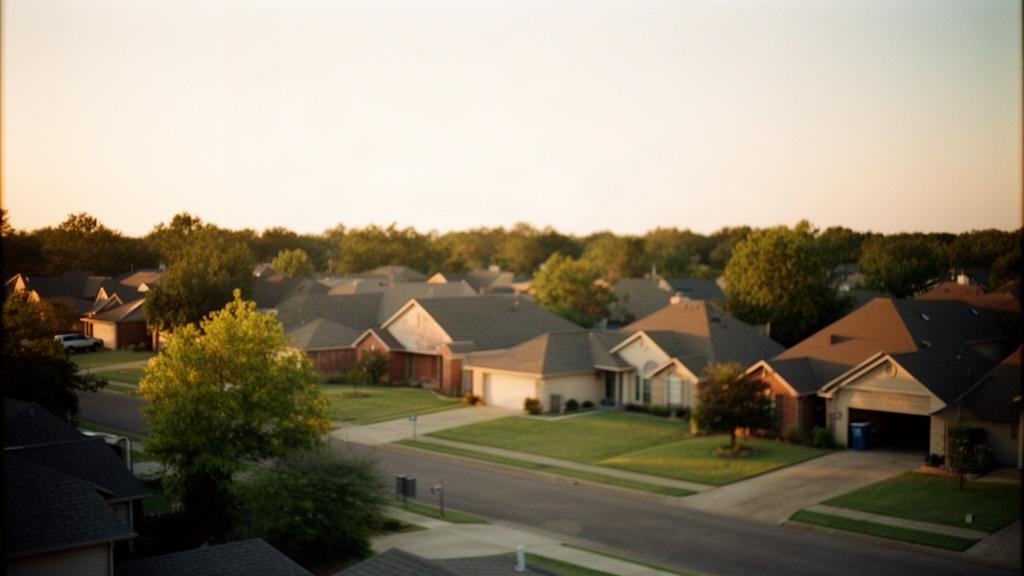
The median home price in Austin, Texas in September 2026 is approximately $447,000 for single-family homes across the Austin metro area. That figure reflects closed sales tracked across Travis County and the broader Austin-Round Rock-Georgetown MSA. It is down from the peak of roughly $550,000 reached in mid-2022, but it has stabilized and shown modest upward movement through the first three quarters of 2026.
For broader context on current trends, Redfin's 2026 Austin housing market data tracks median sale prices, days on market, and sale-to-list ratios on a rolling basis, which is useful for cross-referencing any figures you see in local news.
Median vs. Average: Why Both Numbers Matter
The median and the average are not the same thing, and in a market as varied as Austin's, the difference is significant. The median is the midpoint of all sales, meaning half of homes sold for more and half sold for less. The average, by contrast, gets pulled upward by high-dollar sales in areas like Westlake Hills, Tarrytown, and Rollingwood, where individual transactions can exceed $2 million. In September 2026, the average sale price across the metro is closer to $530,000 to $560,000, while the median tells a more grounded story about what most buyers are actually paying.
When you are budgeting for a home purchase or pricing a home for sale, the median is the more useful benchmark. It tells you what the market's center of gravity looks like, without the distortion of outlier luxury sales.
How Austin Compares to Its Own Recent History
Austin's median home price peaked around $550,000 in spring 2022 during the pandemic-era buying surge, then corrected sharply through 2023 as interest rates climbed. By late 2024, the median had settled into the low $400,000s. Through 2025 and into 2026, prices have crept upward again, reflecting a market that has found a more sustainable footing. The approximately $447,000 median in September 2026 represents a roughly 5 to 7 percent increase compared to September 2025, according to current market tracking data.
That recovery is not uniform across the city. Some zip codes are posting stronger year-over-year gains than others, which is why a neighborhood-level breakdown matters far more than a single metro-wide number.
2. Price Ranges Across Austin's Major Areas
Austin's home prices vary significantly by location, and understanding those differences is essential whether you are searching for your first home or evaluating where to list. The city spans dozens of distinct neighborhoods, each with its own housing stock, lot sizes, proximity to employers, and price per square foot.
Central Austin and the 78704 Corridor
Central Austin, which includes zip codes like 78704 (South Congress, Bouldin Creek, Travis Heights) and 78703 (Tarrytown, Bryker Woods), carries some of the highest price per square foot figures in the city. In September 2026, single-family homes in 78704 are generally listed and closing in the $600,000 to $900,000 range for properties in the 1,200 to 1,800 square foot range. Renovated bungalows on larger lots along streets like Live Oak or Kinney Avenue routinely exceed $1 million. The walkability to South Congress Avenue shops, the proximity to Barton Springs Pool, and the short commute to downtown keep demand steady in this corridor.
Tarrytown and Bryker Woods in 78703 are among the priciest areas in the city. Homes here often sit on generous lots, feature mature oak canopies, and are within walking distance of Lake Austin Boulevard and Pease District Park. Expect medians well above $900,000, with many transactions north of $1.5 million for larger or fully updated properties.
Northwest Austin and the Domain Area
The northwest corridor, including zip codes 78729, 78750, and the neighborhoods surrounding the Domain mixed-use development at Burnet Road and MoPac, offers a different price profile. Single-family homes in this part of the city typically range from $380,000 to $600,000 in September 2026, with newer construction townhomes and condos near the Domain starting closer to $320,000. This area benefits from proximity to major tech employers along Research Boulevard and the North MoPac corridor, including campuses for Apple, Indeed, and other large companies.
South and Southeast Austin
South Austin zip codes like 78745, 78748, and 78749 have seen consistent price appreciation through 2025 and 2026, driven by a combination of relative affordability and access to Slaughter Lane, William Cannon Drive, and South MoPac. In September 2026, the median for single-family homes in these zip codes sits roughly between $380,000 and $490,000. Homes here tend to be 1970s to 1990s ranch-style construction, typically 1,200 to 2,000 square feet on quarter-acre lots, with some newer infill development scattered throughout.
Southeast Austin, including areas around McKinney Falls State Park and the 78744 zip code, offers some of the lowest entry points within the Austin city limits, with medians currently in the $330,000 to $400,000 range. A significant amount of new construction has come online here over the past three years, which has kept prices relatively accessible compared to central and northwest Austin.
Suburbs and Surrounding Communities
The broader Austin metro includes cities like Round Rock, Cedar Park, Pflugerville, Georgetown, Kyle, and Buda, all of which carry meaningfully different price points than Austin proper. Round Rock, located about 20 miles north of downtown Austin via I-35, currently has a median around $360,000 to $390,000 for single-family homes. Cedar Park and Leander, to the northwest, run similarly. Kyle and Buda to the south, which are roughly 25 to 30 miles from downtown, offer medians in the $290,000 to $340,000 range, with significant new construction inventory available.
Westlake Hills, an incorporated city immediately west of Austin proper, operates in a different tier entirely. Homes there routinely close above $1.5 million, with many transactions in the $2 million to $4 million range. The area features large wooded lots, Hill Country views, and homes that range from 1960s ranch-style originals to extensively renovated or newly built custom construction. If you are thinking about selling in that market, the dynamics are quite specific, and our detailed guide on selling a home in Westlake Hills covers the pricing and timeline considerations in depth.
3. What Is Driving Austin Home Prices in September 2026
The average home price in Austin, Texas right now in September 2026 is the product of several intersecting forces. Understanding them helps you interpret price movements and anticipate where the market may head next.
Inventory Levels and Days on Market
Active inventory in the Austin metro currently sits at roughly 3.5 to 4.5 months of supply, which places the market in a roughly balanced to slightly buyer-favorable position. At the peak of the 2021 to 2022 frenzy, supply was under one month. The current level means buyers have more choices and more negotiating room than they did three years ago, but well-priced homes in desirable areas still move quickly, often within two to three weeks of listing.
Days on market across the metro average around 45 to 55 days in September 2026, compared to single-digit averages during the 2021 peak. That extra time on market gives buyers the opportunity to conduct thorough inspections and negotiate on price or concessions, which was nearly impossible two years ago.
Interest Rates and Buyer Purchasing Power
Mortgage rates have moderated from their 2023 highs but remain a meaningful constraint on purchasing power. In September 2026, 30-year fixed rates are hovering in the mid-to-upper 6 percent range for well-qualified borrowers. At a $447,000 purchase price with 10 percent down, that translates to a monthly principal and interest payment of roughly $2,650 to $2,750, before property taxes and insurance. Travis County property taxes add a significant line item, typically running 1.7 to 2.1 percent of assessed value annually.
Buyers who locked in rates during the 2020 to 2021 period at 2.5 to 3.5 percent are understandably reluctant to sell and take on a new mortgage at today's rates. This rate-lock effect has kept a portion of potential move-up inventory off the market, which continues to put some upward pressure on prices in the mid-range segments.
New Construction Activity
Austin and its surrounding suburbs have seen substantial new construction over the past several years, and that pipeline continues to influence prices. Builders in communities like Leander, Kyle, Buda, and Hutto have been offering rate buydowns and closing cost incentives to move inventory, which creates real competition for resale homes in those same price ranges. In the city of Austin itself, new construction tends to be higher-density: townhomes, condos, and ADU-enabled lots rather than traditional subdivisions.
4. What Different Price Points Actually Buy You in Austin
Raw median figures only tell part of the story. What you actually get for your money varies considerably depending on where in Austin you are looking and what type of property you are considering.
Under $400,000
Below $400,000 within Austin city limits, your options are primarily condos, smaller townhomes, or older single-family homes in southeast Austin zip codes like 78744 and 78745 that may need updating. In the suburbs, $400,000 buys considerably more: a newer 1,800 to 2,200 square foot single-family home in Round Rock, Pflugerville, or Kyle with a two-car garage and a modest yard. The tradeoff is commute time; a drive from Kyle to downtown Austin during peak hours can run 40 to 55 minutes via I-35.
The $400,000 to $600,000 Range
This is the most active price band in the Austin market right now, representing the bulk of transactions in September 2026. In south Austin zip codes like 78748 and 78749, $450,000 to $550,000 typically buys a 3-bedroom, 2-bathroom home of 1,400 to 1,900 square feet, often on a quarter-acre lot with a mature yard. In the Mueller neighborhood near 51st Street and Manor Road, the same budget gets you a newer townhome or cottage-style home within walking distance of the Mueller Lake Park and the HEB on Aldrich Street.
In Barton Hills, which sits just south of Barton Springs Road and borders the Barton Creek Greenbelt, $500,000 to $600,000 can still get you into a modest 1960s or 1970s home, though the entry point for updated properties has moved higher. For a closer look at that specific area, the Barton Hills real estate market guide covers current pricing and what to expect when buying or selling there.
Above $700,000
Above $700,000 in Austin, you are looking at central Austin single-family homes with significant updates, larger square footage in established neighborhoods, or entry-level properties in Westlake Hills and Rollingwood. In Tarrytown, $800,000 to $1 million may buy a 1,600 to 2,000 square foot home that has not been fully renovated but sits on a desirable lot. Fully renovated or custom-built homes in that neighborhood routinely exceed $2 million. The luxury segment above $1.5 million has seen steady but selective activity in September 2026, with buyers in that range taking more time to negotiate than they did during the 2021 peak.
5. How to Use Current Price Data When Buying or Selling
Knowing the average home price in Austin, Texas right now in September 2026 is a starting point, not a finish line. How you apply that information depends entirely on which side of the transaction you are on.
For Buyers: Setting a Realistic Budget
Start with the metro-wide median as a reference point, then narrow your focus to the specific zip codes and property types that match your priorities. If your budget is $450,000, you will find very different options in 78745 versus 78703, and understanding those differences before you start touring saves significant time. Get pre-approved before you make offers; in September 2026, sellers in the sub-$500,000 range still expect buyers to come with financing documentation in hand.
Pay close attention to price per square foot when comparing properties, since Austin's housing stock ranges from 1950s pier-and-beam construction to brand-new builds, and square footage alone does not tell you much about condition or value. If you are weighing whether now is the right moment to buy given current prices and rates, our article on whether it is a good time to buy in Austin right now walks through the timing question in detail.
For Sellers: Pricing Strategically in a Nuanced Market
The days of listing at any price and watching offers pile up are gone in most Austin zip codes. In September 2026, buyers are doing their homework, and overpriced listings are sitting. The homes that sell quickly and close at or above list price are the ones priced within 2 to 3 percent of their genuine market value from day one. A comparative market analysis that looks at closed sales from the past 60 to 90 days in your specific neighborhood is the most reliable pricing tool available.
Condition matters more now than it did in 2021. Buyers are requesting inspections, negotiating repairs, and walking away from homes with deferred maintenance. Sellers who address obvious issues before listing, and who present their home cleanly and with professional photography, consistently outperform those who do not. For a full breakdown of the selling process and timeline in Austin, the guide on selling a home in Austin, Texas covers what to expect from listing to closing.
For additional data you can check yourself, Zillow's Austin home values page publishes a rolling Zestimate index for the city that is updated regularly and useful for tracking directional trends over time.
FAQ
What is the average home price in Austin, Texas right now in September 2026?
The median home price in Austin, Texas in September 2026 is approximately $447,000 for single-family homes across the Austin metro area. The average sale price, which is pulled higher by luxury transactions in areas like Westlake Hills and Tarrytown, sits closer to $530,000 to $560,000. Prices vary significantly by zip code: central Austin commands premiums well above the metro median, while southeast Austin and suburban communities like Kyle and Pflugerville offer lower entry points. Year over year, the median is up roughly 5 to 7 percent compared to September 2025, reflecting a gradual recovery from the 2023 to 2024 correction period.
Is the Austin housing market a buyer's market or a seller's market in September 2026?
Austin is in a roughly balanced market in September 2026, with active inventory sitting at approximately 3.5 to 4.5 months of supply. That is a significant shift from the extreme seller's market of 2021 and 2022, when supply was under one month. Buyers now have more negotiating room, longer inspection windows, and the ability to request concessions in many price ranges. However, well-priced homes in central Austin and popular south Austin zip codes still attract multiple offers, so the balance is not uniform across the city. The sub-$500,000 segment tends to be more competitive than the $700,000-plus range, where buyers are taking more time.
How do Austin home prices compare to surrounding suburbs like Round Rock, Cedar Park, and Kyle?
Austin city proper carries a higher median than most of its surrounding suburbs. In September 2026, Round Rock and Cedar Park both have medians in the $360,000 to $390,000 range for single-family homes, while Kyle and Buda to the south run closer to $290,000 to $340,000. The tradeoff is commute time and distance: Kyle is roughly 25 to 30 miles from downtown Austin, with peak-hour drives on I-35 running 40 to 55 minutes. Cedar Park and Round Rock are 20 to 25 miles from downtown via MoPac or I-35 respectively, with commutes of 30 to 45 minutes in typical traffic. New construction availability is also considerably greater in the suburbs than within Austin city limits.