← Back to Blog
Neighborhoods
Barton Hills Austin Do You Think I Should Hire Real Estate Market Guide
By Rohma Khan
Remax
September 2, 2026 · 11 min read
If you are weighing Barton Hills as a place to buy or sell in Austin, you are asking the right questions at the right time. This guide covers what the Barton Hills Austin real estate market looks like right now, what prices and inventory are doing in September 2026, what makes this neighborhood distinct from the rest of South Austin, and whether hiring a real estate agent is worth it for a transaction here.
1. What Is Barton Hills and Where Does It Fit in Austin?
Barton Hills is a well-defined residential neighborhood in South Austin, roughly bounded by Barton Skyway to the north, MoPac Expressway (Loop 1) to the west, William Cannon Drive to the south, and South Lamar Boulevard to the east. It sits about four miles from downtown Austin, which translates to a commute of fifteen to twenty-five minutes by car depending on traffic, and roughly thirty to forty minutes by bus using Capital Metro routes along South Lamar.
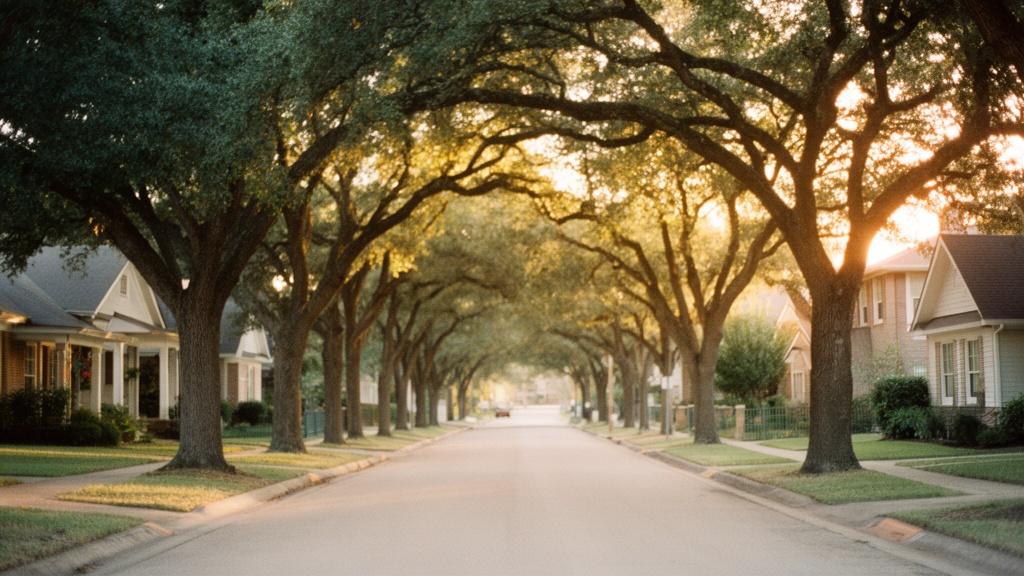
The neighborhood is not a master-planned community. It grew organically from the 1950s through the 1980s, so the streets follow the natural contours of the Hill Country terrain rather than a grid. That topography is a central feature of the area: lots are hilly, heavily wooded with live oaks and cedar elms, and many back up to the Barton Creek Greenbelt, one of Austin's most-used outdoor corridors.
The Physical Setting
Barton Hills sits on the Balcones Escarpment, the geological fault line that separates the Texas Hill Country from the coastal plain. That geology means limestone outcroppings, dramatic elevation changes within a single block, and the spring-fed Barton Creek running along the neighborhood's western and southern edge. Zilker Park, which hosts Austin City Limits Music Festival each October, is less than a mile from the neighborhood's northern boundary.
Housing Stock and Architecture
The housing stock in Barton Hills is genuinely mixed. You will find original mid-century ranch homes from the 1950s and 1960s sitting alongside substantially renovated properties and newer custom builds on infill lots. Lot sizes typically range from about 7,000 square feet to over half an acre, with the larger lots concentrated on the hillier streets closer to the greenbelt. Square footage varies widely: original homes often run 1,100 to 1,800 square feet, while renovated and new-construction homes regularly exceed 2,500 to 3,500 square feet.
Proximity to Key Austin Destinations
South Lamar Boulevard runs along the eastern edge of the neighborhood and connects residents directly to the Alamo Drafthouse South Lamar, Uchi, and a concentration of local restaurants and coffee shops. The South Congress Avenue corridor is about ten minutes by car. The Domain, Austin's northern employment and retail hub, is roughly twenty-five to thirty minutes north via MoPac. The University of Texas campus is about fifteen minutes. Austin-Bergstrom International Airport is approximately twenty minutes southeast via Ben White Boulevard.
2. Barton Hills Real Estate Market: Prices and Inventory Right Now
In September 2026, Barton Hills is a nuanced market. Prices remain elevated relative to the broader Austin metro, but the days of multiple offers within forty-eight hours are not the norm right now. Buyers have more time to conduct due diligence than they did in 2021 and 2022, and sellers who price accurately are still closing at strong numbers.
Median Prices in September 2026
Median sold prices for single-family homes in Barton Hills currently sit in the range of $875,000 to $1.1 million, depending on lot size, condition, and greenbelt proximity. Homes on the greenbelt, or with greenbelt views, routinely trade above $1.2 million and can reach $1.8 million or more for extensively renovated or custom-built properties. Original, unrenovated ranch homes on interior lots represent the entry point, with some trading in the low-to-mid $700,000s. Price per square foot across the neighborhood currently averages roughly $450 to $600, with greenbelt-adjacent properties commanding premiums above that range.
Days on Market and Price Reductions
Homes in Barton Hills are averaging thirty to fifty days on market in September 2026, which is longer than the neighborhood's pandemic-era pace but shorter than many other Austin zip codes. Overpriced listings are sitting longer and seeing price reductions, a pattern consistent with what HousingWire has documented across the broader Austin market. Homes priced correctly from day one are still moving within two to three weeks, often with competitive offers.
Active inventory in Barton Hills at any given time is limited, typically five to fifteen homes listed simultaneously. That low inventory count means individual listings carry more weight and pricing strategy matters considerably. A home that comes on at ten percent above comparable sales will sit; a home priced at market will generate genuine interest.
How Barton Hills Compares to Broader Austin Trends
The broader Austin metro has seen price softening since the 2022 peak, with some zip codes down fifteen to twenty percent from their highs. Barton Hills has held its value better than many outer-ring suburbs because of its proximity to the greenbelt, the walkability to South Lamar and Zilker Park, and the constrained land supply. You cannot build new subdivisions here; the topography and existing development prevent it. That physical scarcity is a meaningful long-term factor for buyers considering this area.
For a broader picture of where Austin sits within the Texas housing landscape heading into late 2026, the NAR's data on metro-level housing wealth provides useful context on how equity levels have held up across major markets, including Austin.
For more on how Austin's overall market conditions are shaping buyer and seller decisions this year, see the Austin Texas Real Estate Market Guide published on this site.
3. Neighborhood Breakdown: What You Are Actually Buying Into
Barton Hills is not a uniform neighborhood. The experience of living on Barton Hills Drive near the greenbelt is meaningfully different from living on a flat interior street near William Cannon. Understanding those distinctions before you make an offer is essential.
Streets, Lots and Topography
Streets like Barton Hills Drive, Barton Skyway, and Cuernavaca Drive wind through the hilliest terrain and offer the most dramatic lots, often with canyon or treetop views. Interior streets such as Stephenson Avenue and Fortview Road are flatter and more conventionally suburban in character. The steeper lots carry higher price premiums but also come with practical considerations: steep driveways, limited flat yard space, and in some cases, foundation concerns that require careful inspection. Buyers should always commission a structural inspection and, for hillside properties, a geotechnical review.
Barton Creek Greenbelt Access
The Barton Creek Greenbelt is a 809-acre preserve maintained by the City of Austin Parks and Recreation Department. It includes approximately twelve miles of trails, multiple swimming holes including Twin Falls and Sculpture Falls, and cliff jumping areas. The Barton Hills neighborhood sits directly adjacent to several greenbelt access points, most notably the Spyglass Drive entrance and the Barton Hills Drive trailhead. For homes that back up to the greenbelt, there is no rear neighbor and no possibility of development behind the property, which is a structural feature of those lots that buyers consistently value.
Schools and How to Research Them
Barton Hills is zoned to Austin Independent School District. The specific campus assignments for any address can change, so the most reliable step is to verify current zoning directly through AISD's address lookup tool at austinisd.org before making an offer. For detailed information about individual campuses, the Texas Education Agency publishes accountability ratings and performance data at tea.texas.gov. School assignments and performance are personal decisions that each buyer should research independently using those primary sources.
If you want to compare how Barton Hills fits alongside other Austin neighborhoods in terms of housing stock, lot sizes, and amenity access, the Austin Neighborhoods Compared guide on this site covers a wide range of Austin areas with the same level of specificity.
4. Timing: When Is the Right Moment to Buy or Sell in Barton Hills?
Timing in Barton Hills follows some Austin-wide seasonal patterns, but the neighborhood's thin inventory means individual listing decisions matter more here than in higher-volume submarkets. A single well-priced listing can shift the perceived market for a given street.
Seasonal Patterns in This Pocket of Austin
Spring, specifically March through May, is historically the most active listing season in Barton Hills. Buyers are motivated, the greenbelt is lush and photogenic, and families trying to close before the school year change are active. Summer activity slows somewhat in July and August due to Austin's heat. Fall, from September through November, brings a second wave of activity as buyers who paused over summer re-enter the market. Right now, in September 2026, the market is transitioning into that fall window, which historically produces solid sales activity through mid-November.
Interest Rate Context in 2026
Mortgage rates in September 2026 remain a significant factor for buyers in this price range. At a $950,000 purchase price with twenty percent down, a one-percentage-point difference in rate translates to roughly $500 per month in payment. Buyers who are rate-sensitive should get pre-approved with a lender who understands jumbo loan products, since many Barton Hills transactions exceed conforming loan limits. Sellers should be aware that rate sensitivity is compressing the buyer pool for properties above $1.2 million, making accurate pricing even more critical at that tier.
For a more detailed look at whether September 2026 is the right moment to act in Austin broadly, the article Is Right Now a Good Time to Buy a House in Austin? works through the rate, inventory, and price trajectory questions in detail.
Seller Timing Considerations
Sellers in Barton Hills who list in September and October tend to face less competition from other listings than those who list in the crowded spring window. With only five to fifteen active listings in the neighborhood at any time, adding your home to the market in fall means buyers have fewer alternatives to consider. The tradeoff is that the buyer pool is somewhat smaller than in spring. For greenbelt-adjacent properties, fall photography can actually be more compelling than summer photography, since the canopy thins slightly and views open up.
Sellers considering the broader pricing and timeline picture for Austin transactions should also read the Austin TX Housing Market Trends 2026 guide for context on how days-on-market and list-to-sale price ratios are trending across the metro.
5. Should You Hire a Real Estate Agent for Barton Hills? An Honest Answer
Yes, hiring a real estate agent for a Barton Hills transaction is worth it, and here is the specific reason why: this is a low-volume, high-variance market where individual property characteristics drive enormous price differences. Two homes on the same street, both 1,600 square feet, can be worth $200,000 apart based on lot orientation, greenbelt access, renovation quality, and foundation condition. An agent who does not know the neighborhood will not catch those distinctions. One who does will either save you from overpaying or help you price accurately enough to sell.
What an Agent Actually Does in a Complex Micro-Market
In a neighborhood like Barton Hills, a knowledgeable agent does several things that are not easily replicated with online tools alone. First, they pull and interpret comparable sales with enough granularity to distinguish between a greenbelt-view sale and a non-view sale on the same street. Those two comps are not interchangeable, but an automated valuation model will often treat them as if they are. Second, they know which streets have foundation issues tied to the limestone substrate, and they know which inspection firms have the most experience with hillside properties in this area. Third, they have relationships with listing agents in the neighborhood, which matters when inventory is thin and some of the best homes trade before they formally hit the MLS.
For buyers, an agent also manages the contract, negotiation, and due diligence timeline. In Texas, the option period gives buyers a specified number of days to conduct inspections and back out for any reason. In a market where foundation issues, tree encroachment, and drainage problems are real concerns on hillside lots, knowing how to use that option period effectively is not trivial.
What to Look for in a Barton Hills Agent
Not every Austin agent has transacted in Barton Hills. The neighborhood's volume is low enough that many active agents have never closed a deal here. When you interview agents, ask specifically how many Barton Hills transactions they have handled in the past two years, what the addresses were, and what the price outcomes looked like relative to list price. Ask whether they have relationships with the inspection firms that specialize in hillside and limestone-foundation properties. Ask how they would approach pricing a greenbelt-adjacent home versus an interior lot home.
For a full list of the questions worth asking any agent before you commit, the article Questions to Ask a Real Estate Agent Before Hiring Them in Austin covers the vetting process in detail, including how to read between the lines of an agent's answers.
Rohma Khan of RE/MAX works with buyers and sellers across Austin, including in Barton Hills and the surrounding South Austin corridor. If you are trying to understand whether a specific property is priced correctly, what your home might sell for in the current market, or how to approach a Barton Hills transaction strategically, that is exactly the kind of conversation Rohma is set up to have.
FAQ
What is the typical price range for homes in Barton Hills, Austin right now?
In September 2026, single-family homes in Barton Hills are selling in a broad range depending on condition and lot characteristics. Entry-level, unrenovated ranch homes on interior lots are trading in the low-to-mid $700,000s. Renovated homes and properties with greenbelt proximity are typically priced between $875,000 and $1.2 million. Custom-built or extensively renovated greenbelt-adjacent homes can reach $1.5 million to $1.8 million or more. Price per square foot currently averages roughly $450 to $600 across the neighborhood, with greenbelt premiums pushing above that range. Because inventory is thin and individual property features drive large price differences, automated valuation tools are less reliable here than in higher-volume submarkets.
Is Barton Hills a good place to buy in Austin, and what should I research before deciding?
Barton Hills offers a specific set of physical characteristics that buyers should evaluate on their own terms: direct access to the Barton Creek Greenbelt, proximity to Zilker Park and South Lamar Boulevard, a constrained land supply that limits future development, and a mix of mid-century and renovated housing stock within four miles of downtown Austin. Whether those features align with your priorities is a personal decision. For school information, verify current campus assignments through AISD's address lookup tool at austinisd.org and review TEA accountability data at tea.texas.gov. For any other community data, the City of Austin's open data portal at data.austintexas.gov publishes a range of municipal information you can review directly.
Do I really need a real estate agent to buy or sell in Barton Hills, or can I handle it myself?
The Barton Hills Austin real estate market guide question about whether to hire an agent has a clear answer for most buyers and sellers: yes, agent representation adds measurable value here. The neighborhood's low transaction volume means there are few comparable sales to anchor pricing decisions, and the variation between a greenbelt-view property and an interior lot can be $150,000 to $200,000 on otherwise similar homes. An agent without specific Barton Hills experience will not reliably catch those distinctions. For sellers, accurate list pricing is the single biggest driver of outcome in a thin market, and an agent with local data can make the difference between a sale in three weeks and a listing that sits for ninety days with price reductions. For buyers, the Texas option period and the due diligence process on hillside lots with limestone foundations require someone who knows what to look for and which inspectors to use.