← Back to Blog
Buying
Buying a Home in East Austin, Texas: Process, Costs and Timeline
By Rohma Khan
Remax
September 3, 2026 · 13 min read
Buying a home in East Austin, Texas is one of the most consequential financial decisions you will make, and the process looks different here than it does in almost any other Austin submarket. From the bungalows along Chicon Street to the newer infill construction near Cesar Chavez, East Austin has a distinct inventory mix, a specific price band, and a set of costs and timelines that buyers need to understand before they make an offer. This guide walks you through every step, every dollar, and every week involved.
1. What East Austin's Housing Market Looks Like Right Now
East Austin is a seller's market that has softened considerably since its 2022 peak, giving buyers more negotiating room than they have had in years. Homes are sitting on the market longer than they did in 2021 and 2022, and price reductions have become common enough that a patient buyer with solid financing can find real value. That said, well-priced, move-in-ready properties in the 78702 and 78721 zip codes still attract multiple offers, so understanding the local dynamics before you start touring is essential.
Housing Stock and Price Ranges
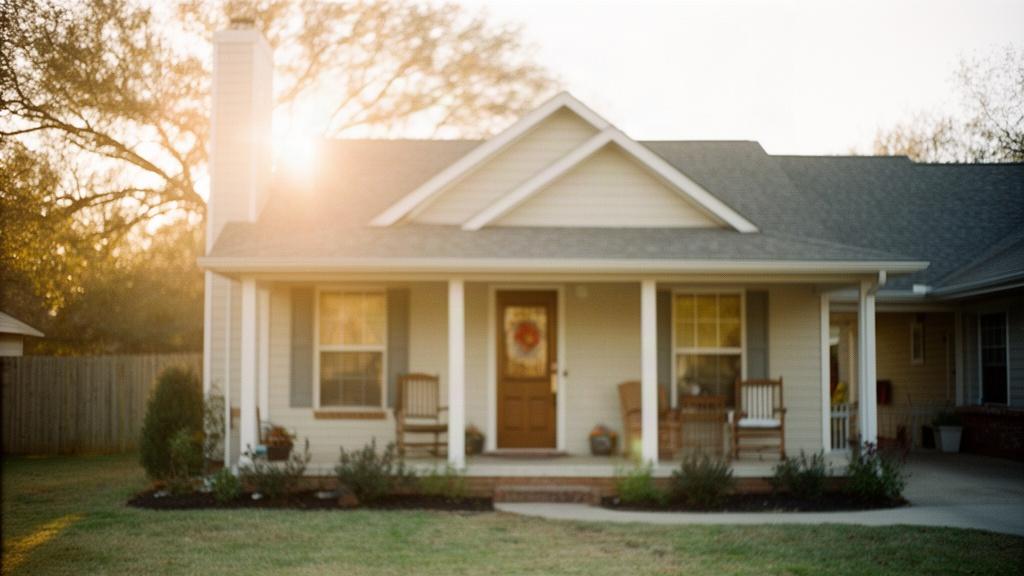
East Austin's housing stock is genuinely eclectic. You will find early 20th-century craftsman bungalows on lots as small as 5,000 square feet, side-by-side duplexes that were converted to single-family homes, and a growing wave of modern infill construction on formerly vacant lots. The older bungalows in the 78702 zip code, particularly in the Chestnut and Cherrywood neighborhoods, typically range from 900 to 1,400 square feet on interior lots. Newer construction, especially the two and three-story detached homes that have filled in along Airport Boulevard, Springdale Road, and the blocks east of 183, tends to run 1,600 to 2,400 square feet.
As of September 2026, median home prices in the core East Austin zip codes (78702 and 78721) sit in the $580,000 to $720,000 range for detached single-family homes, depending on lot size, finish level, and proximity to the 6th Street and Cesar Chavez corridors. Entry-level condos and townhomes in the area start closer to $380,000. Larger new-construction homes on Springdale or in the Govalle area can push past $900,000. For broader context on how these figures compare across the city, the Austin, Texas Real Estate Market Guide on this site covers citywide price trends in detail.
How Inventory Has Shifted
Inventory in East Austin is higher today than it was at any point between 2020 and 2023. Active listings in the 78702 zip code have roughly doubled from their pandemic-era lows, meaning buyers have more options and more time to make decisions. Average days on market for East Austin detached homes is currently running 45 to 65 days, compared to under 10 days at the height of the 2021 frenzy. Price reductions are common: according to reporting from HousingWire, Austin as a whole has leaned heavily on price cuts as homes sit longer, and East Austin reflects that pattern. This is a meaningful shift for buyers who were priced out or outbid in prior years.
2. The Step-by-Step Process for Buying a Home in East Austin
The process of buying a home in East Austin, Texas follows the same broad sequence as any Texas real estate transaction, but several steps carry local nuances that can cost you time or money if you skip them. Here is how the process unfolds from the moment you decide to buy through the day you receive your keys.
Getting Pre-Approved
Pre-approval is the non-negotiable first step, and in East Austin it matters more than in slower markets. Even though competition has eased, listing agents in the 78702 and 78721 zip codes still expect buyers to come with a lender letter in hand before a showing is confirmed on a desirable property. A pre-approval letter is different from a pre-qualification: it means a lender has verified your income, assets, and credit, not just run a quick estimate. Budget two to five business days for a thorough pre-approval, longer if your income is self-employed or commission-based.
Texas does not have state income tax, which affects how lenders calculate your debt-to-income ratio compared to states where income tax is withheld. However, Texas property taxes are among the highest in the country, and lenders will factor in the estimated annual tax bill when determining how much home you qualify for. In East Austin, where assessed values have climbed sharply over the past decade, that number matters.
Working With a Local Agent
East Austin has enough micro-level variation that working with an agent who knows the submarket is genuinely valuable, not just a formality. A block or two can separate a home on a quiet interior street from one that backs up to the elevated section of US-183, and that distinction does not always show up clearly in a listing photo. An experienced local agent will also know which properties have had foundation work, which streets flood during heavy rain events, and which new-construction builders in the Govalle and Windsor Park corridors have stronger track records on warranty service.
In Texas, buyer's agent compensation is negotiated between the buyer and their agent, so it is worth having a direct conversation about how your agent is paid before you sign a buyer representation agreement. If you are still evaluating agents, the guide on what to look for when choosing a Realtor in Austin lays out the specific questions worth asking.
Making an Offer in East Austin
Texas uses a standardized One to Four Family Residential Contract promulgated by the Texas Real Estate Commission. The offer price is obviously central, but several other terms carry significant weight in East Austin specifically. The option period, typically three to ten days, gives you the right to terminate for any reason after paying a small option fee, usually $200 to $500. The earnest money deposit, which goes into escrow and signals your seriousness, typically runs one to two percent of the purchase price in this market. On a $650,000 home, that means $6,500 to $13,000 held in escrow.
Because East Austin has a meaningful stock of older homes, sellers of bungalows built before 1970 will often push for an as-is sale or resist repair requests. Your offer strategy needs to account for this. Newer construction homes, particularly those built after 2015, tend to come with builder warranties and fewer negotiating complications on the inspection side.
Inspection and Due Diligence
The option period is your window to inspect thoroughly, and in East Austin you should use every day of it. A general home inspection runs $350 to $600 for most East Austin properties. Beyond the general inspection, older bungalows in the 78702 zip code frequently warrant a separate foundation inspection, given the expansive clay soils common across central Austin. A foundation inspection adds $200 to $400. If the home has mature trees, a sewer scope (typically $150 to $250) is worth scheduling, as root intrusion into older clay sewer lines is a documented issue in the Cherrywood and Chestnut areas.
East Austin also sits within FEMA flood zone areas in certain sections, particularly near Boggy Creek and its tributaries. Your agent should pull the current FEMA flood map for any property you are seriously considering. If the home is in a designated flood zone, you will need to factor flood insurance into your monthly budget, which can add $1,200 to $3,000 or more annually depending on the zone designation and structure elevation.
3. What It Costs to Buy a Home in East Austin, Texas
The total cost of buying a home in East Austin goes well beyond the purchase price. Buyers consistently underestimate the upfront cash required at closing, and the ongoing carrying costs in Travis County are higher than the national average. Here is a realistic breakdown.
Down Payment and Loan Costs
Down payment requirements vary by loan type. Conventional loans typically require three to twenty percent down. FHA loans require 3.5 percent with a credit score of 580 or above. VA loans allow zero down for eligible veterans. On a $650,000 East Austin home, a five percent conventional down payment is $32,500; twenty percent is $130,000. Most buyers in this price range use conventional financing with ten to twenty percent down to avoid private mortgage insurance or to keep their monthly payment manageable given current interest rates.
Loan origination fees typically run 0.5 to one percent of the loan amount. On a $520,000 loan (after a twenty percent down payment on a $650,000 home), that is $2,600 to $5,200. Discount points, if you choose to buy down your rate, add to this figure. Ask your lender for a Loan Estimate within three business days of application; that document itemizes every lender-side cost.
Closing Costs Specific to Texas
Texas closing costs for buyers typically run two to three percent of the purchase price, on top of the down payment. On a $650,000 purchase, that is $13,000 to $19,500 in closing costs. According to Bankrate's guide to closing costs in Texas, buyers should expect to pay for title insurance, escrow fees, the appraisal, prepaid property taxes and homeowner's insurance, and recording fees. Texas is an attorney-optional state for closings, meaning a title company handles most transactions, but some buyers choose to have a real estate attorney review the contract as well.
Title insurance in Texas is regulated, so the premium is set by the state based on the purchase price rather than varying by provider. On a $650,000 purchase, the owner's title policy runs approximately $3,600. The lender's title policy (required if you have a mortgage) adds roughly $100 to $200 on top of that. Prepaid items, including the first year of homeowner's insurance and property tax escrow deposits, typically add another $4,000 to $8,000 to your cash-at-closing figure.
Ongoing Costs After Closing
Property taxes in Travis County are the cost that surprises most buyers relocating from other states. The effective property tax rate in Travis County runs approximately 1.8 to 2.2 percent of assessed value annually, though the exact rate depends on the specific taxing entities that apply to your address, including the City of Austin, Austin ISD, and any applicable utility district levies. On a home assessed at $650,000, annual property taxes can run $11,700 to $14,300. Texas does offer a homestead exemption that reduces your assessed value by $100,000 for school district taxes once the property is your primary residence, which meaningfully lowers the annual bill.
Most East Austin single-family homes are not in HOAs, which is one of the area's practical advantages compared to master-planned communities elsewhere in the Austin metro. Homeowner's insurance for an older East Austin bungalow typically runs $2,400 to $4,500 annually depending on the age of the roof, the construction type, and whether flood insurance is required separately.
4. How Long the Timeline Takes From Search to Keys
Most buyers who are organized and pre-approved can go from active search to closing in 60 to 90 days in the current East Austin market. That is a meaningful improvement over the 30 to 45-day sprint buyers faced in 2021 and early 2022, when inventory was so thin that many buyers spent months losing multiple-offer situations before finally going under contract. Here is how the timeline breaks down in practice.
Pre-Approval to Offer
Pre-approval takes two to five business days for a straightforward W-2 buyer. Active home search in East Austin, given current inventory levels, typically runs three to eight weeks before a buyer finds the right property and gets an offer accepted. Buyers who are highly specific about a particular street or block may search longer; buyers who are open to both 78702 and 78721, or who will consider new construction alongside resale, tend to move faster. Budget four to six weeks for the search phase as a realistic baseline.
Under Contract to Closing
Once you are under contract, the standard Texas closing timeline is 21 to 30 days for a conventional loan. FHA and VA loans often take 30 to 45 days due to additional appraisal requirements. The option period (typically five to ten days) runs at the start of this window. The appraisal is ordered in the first week and typically returned within seven to fourteen days. Underwriting review follows. Title work runs concurrently. The final closing disclosure must be delivered to you at least three business days before closing, so plan your moving logistics around a confirmed closing date rather than an estimated one.
If you are weighing the broader question of timing your purchase, the article on whether right now is a good time to buy in Austin covers the market-timing considerations in detail.
What Can Slow You Down in East Austin
Several East Austin-specific factors can extend your timeline beyond the standard estimate. Foundation issues discovered during inspection frequently trigger re-negotiation, additional engineer reports, and sometimes a second round of offers on a different property. Appraisal gaps, where the appraised value comes in below the agreed purchase price, have become less common than they were in 2021 and 2022 but still occur on competitively priced properties. Flood zone determinations can also delay closing if the lender requires flood insurance to be bound before funding.
Title issues on older East Austin properties are another source of delay. Homes that have been subdivided, had additions built without permits, or passed through estates without clear documentation can require additional title work before a lender will fund. A good title company and a thorough agent will flag these issues early, but plan for the possibility that a bungalow with a complicated ownership history could add one to two weeks to your closing timeline.
5. Neighborhoods Within East Austin Worth Knowing
East Austin is not a single uniform area; it is a collection of distinct pockets with different housing stock, lot sizes, and proximity to amenities. Understanding the physical differences between these areas helps you narrow your search and set a realistic budget before you start touring.
Cherrywood and Chestnut
Cherrywood and Chestnut sit immediately east of Manor Road and north of 7th Street, roughly bounded by Airport Boulevard to the east. The housing stock here is predominantly pre-1960 craftsman bungalows on lots ranging from 5,000 to 7,500 square feet. Streets like Lydia Avenue, Willow Street, and Chicon Street have a dense, walkable feel, with Cherrywood Art Fair and the Manor Road restaurant corridor nearby. Commute to downtown Austin runs roughly 10 to 15 minutes by car in off-peak hours. Prices for original bungalows in this pocket typically start around $550,000 and climb past $750,000 for fully renovated examples.
Govalle and Cesar Chavez Corridor
The Govalle area, south of 7th Street and east of US-183, has seen the most new construction activity in East Austin over the past decade. Infill homes here tend to be two-story modern builds on smaller lots, often 3,500 to 5,000 square feet, with rooftop decks and open floor plans. The Cesar Chavez corridor connects this area westward to downtown in roughly 12 to 18 minutes by car. Boggy Creek Greenbelt, a linear park running along Boggy Creek, provides trail access and green space within walking distance of many properties in this zone. New construction here runs $700,000 to over $1 million depending on lot size and finish level.
Windsor Park and 78723
Windsor Park, in the 78723 zip code, offers larger lots and more mid-century ranch-style homes than the core 78702 area. Lots here commonly run 7,500 to 10,000 square feet, and the homes themselves are often 1,200 to 1,800 square feet of single-story living. Mueller, the large mixed-use development just to the west, has brought new retail and restaurant options within a short drive. The Capital Metro bus rapid transit line along Guadalupe and Lamar connects this area to the broader Austin transit network. Prices in Windsor Park currently range from roughly $480,000 for an original ranch home needing updates to $750,000 or more for a fully renovated property.
For a broader comparison of how East Austin's housing options stack up against other parts of the city, the Austin Neighborhoods Compared guide covers housing stock, price ranges, and amenities across multiple Austin submarkets.
FAQ
How much do I need in savings to buy a home in East Austin?
For a $650,000 home in East Austin, plan on having at least $45,000 to $65,000 in liquid savings if you are putting five percent down, or $150,000 to $165,000 if you are targeting twenty percent down. That total covers your down payment, estimated closing costs of two to three percent, inspection fees, and a reserve for any immediate repairs. Buyers using VA loans can reduce the upfront cash requirement significantly since no down payment is required, though closing costs still apply. Having three to six months of mortgage payments in reserve after closing is also a sound practice given that older East Austin bungalows can surface unexpected maintenance costs in the first year of ownership.
Is it better to buy a renovated bungalow or new construction in East Austin?
Both have real trade-offs specific to East Austin. A renovated bungalow in Cherrywood or Chestnut typically offers larger lots, more mature trees, and a walkable street environment, but older homes carry more risk of deferred maintenance issues including foundation movement, outdated plumbing, and aging electrical panels. New construction in Govalle or along Springdale Road offers modern layouts, builder warranties, and lower initial maintenance costs, but often comes on smaller lots with less established landscaping. Your choice should be driven by your risk tolerance, your renovation budget, and how much square footage you need. A thorough inspection during the option period is essential regardless of which direction you go.
Can I negotiate the price on East Austin homes right now?
In September 2026, there is more room to negotiate in East Austin than there has been at any point since 2019. Homes that have been sitting on the market for more than 30 days are frequently open to price reductions, seller-paid closing cost contributions, or repair credits following inspection. That said, freshly listed, well-priced properties in the core 78702 zip code still attract competitive offers, sometimes above asking price. The key is understanding the specific property's days on market, its pricing history, and how it compares to recent closed sales in the same block or street. Your agent should pull a comparative market analysis before you make any offer so your negotiating position is grounded in actual data.