← Back to Blog
Buying
Buying a Home in South Congress Austin: Process, Costs and Timeline
By Rohma Khan
Remax
September 3, 2026 · 13 min read
Buying a home in South Congress Austin is one of the most involved real estate decisions you can make in this city, and the process looks different here than it does in Round Rock or Cedar Park. This guide walks you through every step, from your first mortgage conversation to the day you get keys, with real numbers, local context, and an honest look at how long it actually takes in September 2026.
1. What South Congress Looks Like as a Housing Market Right Now
South Congress Austin is a seller's market in name only right now. As of September 2026, inventory has loosened compared to the frenzied pace of 2021 and 2022, and buyers in the SoCo corridor are finding more room to negotiate than at any point in recent memory. Days on market have stretched, and price reductions are more common. That shift matters when you are planning your budget and your timeline.
According to recent reporting, Austin's market has increasingly relied on price cuts as homes sit longer, which gives buyers in neighborhoods like South Congress a real window to negotiate on price, repairs, and closing cost contributions that simply did not exist two or three years ago.
The Physical Neighborhood and Its Housing Stock
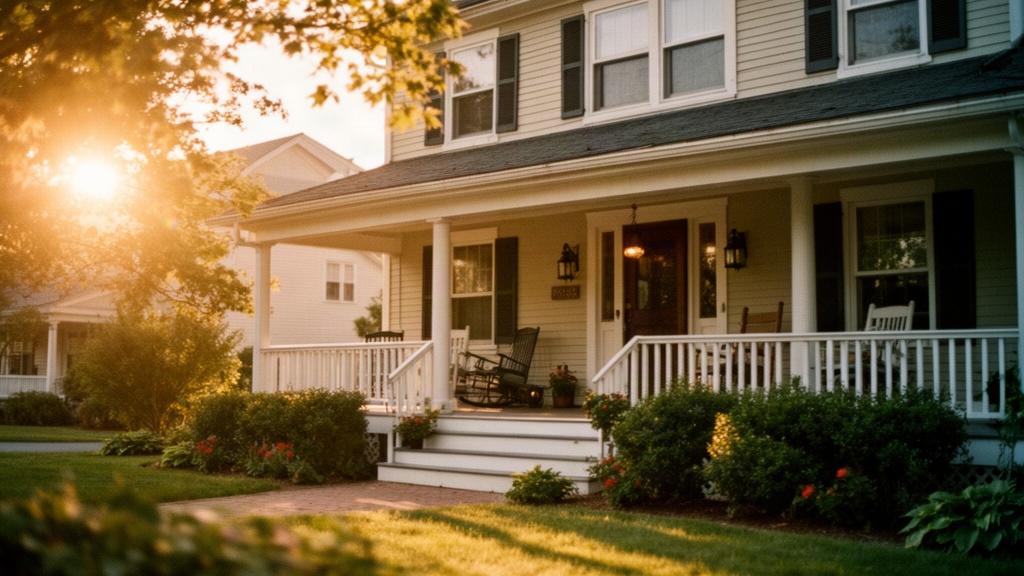
South Congress, locally called SoCo, runs south from the Ann W. Richards Congress Avenue Bridge toward Ben White Boulevard. The housing stock is a mix of bungalows and cottages built in the 1940s through 1960s, mid-century ranch homes on modest lots, and newer infill construction that has gone up steadily over the past decade. You will find single-family homes, duplexes, and a growing number of townhomes and small condo developments tucked between the commercial strips.
Lot sizes in the core SoCo area typically run between 5,000 and 7,500 square feet, though corner lots and properties closer to Bouldin Creek can be larger. Many of the older bungalows sit on 6,250-square-foot lots, the standard city platting from that era. Interior square footage on those original homes ranges from about 900 to 1,400 square feet, while renovated or newly built homes in the same footprint can stretch to 2,000 square feet or more.
Current Prices and What They Buy You
Median home prices in the South Congress zip codes (78704 covers most of SoCo proper) are running in the range of $750,000 to $850,000 as of September 2026 for single-family detached homes. Entry-level inventory in the neighborhood, meaning older bungalows that have not been fully renovated, starts around $600,000 to $650,000. Fully renovated or new construction homes on the same streets routinely list between $900,000 and $1.4 million. Townhomes and smaller attached units offer a lower entry point, often in the $480,000 to $620,000 range.
For broader Austin context, the Austin, Texas Real Estate Market Guide on this site breaks down price trends across the metro, which is useful context when you are deciding whether SoCo fits your budget or whether an adjacent neighborhood like Bouldin Creek or Travis Heights makes more sense financially.
2. The Step-by-Step Process for Buying a Home in South Congress Austin
The process of buying a home in South Congress Austin follows Texas contract law and Austin Board of Realtors customs, but there are local nuances that matter. Here is how each stage works in practice, not in theory.
Step 1: Get Pre-Approved Before You Tour Anything
Pre-approval is not optional in SoCo. Even with inventory up and days on market lengthening, sellers in the 78704 zip code are receiving multiple inquiries on well-priced listings. A pre-approval letter from a lender, not just a pre-qualification, tells the seller you are a credible buyer. Get this done before you schedule a single showing. Plan to provide two years of tax returns, recent pay stubs, two to three months of bank statements, and authorization for a credit pull.
Austin lenders who work frequently in 78704 will be familiar with the appraisal patterns in SoCo, which can be quirky given the mix of unrenovated bungalows and high-end new construction on the same block. Ask your lender whether they have closed loans in this zip code recently.
Step 2: Define Your Search Parameters for SoCo
South Congress is not a single uniform neighborhood. The blocks immediately adjacent to the South Congress Avenue commercial strip have more foot traffic and noise but also the highest walkability scores and proximity to restaurants, coffee shops, and the Alamo Drafthouse. Move a few blocks east toward Bouldin Creek Greenbelt or west toward South Lamar and the character shifts noticeably. Decide upfront whether you want to be within walking distance of the SoCo strip or prefer a quieter residential block.
Also decide on property type early. A 1950s bungalow will require more maintenance budget than a new townhome. If you are buying a home that was built before 1978, federal law requires a lead paint disclosure. Many SoCo homes fall into that category.
Step 3: Make an Offer in a Buyer-Friendly Window
In September 2026, homes in 78704 that are priced correctly are still moving within two to three weeks. Overpriced listings are sitting for 45 to 60 days or more, and many of those sellers are open to negotiation. The National Association of Realtors has noted that price cuts are growing as buyers gain more negotiating power nationally, and Austin is one of the markets where that trend is most visible.
Texas uses the TREC One to Four Family Residential Contract as the standard purchase agreement. Your offer will specify the sales price, earnest money amount, option period length and fee, financing terms, closing date, and any seller concessions you are requesting. In SoCo right now, asking for two to three percent of the purchase price in closing cost contributions from the seller is realistic on homes that have been sitting for more than 30 days.
Step 4: Inspections, Negotiations and the Option Period
Texas contracts include an option period, typically seven to ten days, during which you pay a small option fee (usually $200 to $500 in SoCo transactions) for the unrestricted right to terminate the contract. Use every day of it. Order a general home inspection, a foundation inspection (pier and beam foundations are common in older SoCo homes and require specific evaluation), and a sewer scope. Older homes on the SoCo streets often have cast iron sewer lines that have deteriorated, and replacement costs can run $8,000 to $20,000 depending on the line length and access.
After inspections, you can negotiate repairs, a price reduction, or a credit at closing. In the current market, sellers in SoCo are more willing to negotiate on inspection items than they were in 2021 or 2022. Your agent's knowledge of comparable repair costs in Austin is critical here.
Step 5: Closing
Texas is an attorney state for title work, but closings are typically handled by title companies rather than attorneys. Austin has dozens of title companies, and SoCo buyers often close at offices along South Lamar or downtown. You will receive a Closing Disclosure at least three business days before closing that itemizes every cost. Review it line by line against your Loan Estimate.
On closing day, you wire your funds (confirm the wire instructions directly with the title company by phone to avoid fraud), sign documents, and receive keys once the deed records with Travis County. Recording typically happens the same day in Austin.
3. The Real Costs of Buying a Home in South Congress Austin
The purchase price is only one part of the financial picture. Buying a home in South Congress Austin involves a set of upfront costs, closing costs, and ongoing ownership expenses that many buyers underestimate, especially those relocating from states with different real estate customs.
Upfront Costs Before You Close
- Earnest money deposit: Typically one percent of the purchase price in 78704. On a $780,000 home, expect to wire $7,800 within two to three days of contract execution. This money applies toward your down payment at closing.
- Option fee: $200 to $500 in most SoCo transactions. This is paid directly to the seller and is non-refundable, but it buys you the right to walk away for any reason during the option period.
- Home inspection: $400 to $600 for a general inspection on a typical SoCo bungalow. Add $150 to $250 for a sewer scope and $300 to $500 for a foundation evaluation.
- Appraisal: $600 to $900 for a single-family home in Travis County, paid to the lender at or before closing.
Closing Costs Breakdown
Closing costs for a buyer in Austin typically run two to three percent of the loan amount. On a $780,000 home with a 20 percent down payment, your loan amount is $624,000, so expect $12,480 to $18,720 in closing costs. Here is where that money goes.
- Lender origination fee: Varies by lender, typically 0.5 to one percent of the loan amount.
- Title insurance (owner's policy): In Texas, the seller traditionally pays for the owner's title policy. Confirm this in your contract.
- Title insurance (lender's policy): Paid by the buyer, typically $400 to $700 on a loan in this range.
- Prepaid interest: Interest accrues from your closing date to the end of the month. Closing earlier in the month means more prepaid interest.
- Property tax escrow: Lenders typically require two to three months of property taxes upfront. Travis County property taxes in 78704 average around 1.8 to 2.1 percent of assessed value annually, which on a $780,000 home is roughly $14,000 to $16,400 per year.
- Homeowner's insurance escrow: First year's premium paid at closing plus two months in escrow. Austin homeowner's insurance has risen sharply; budget $3,500 to $5,500 per year for a SoCo home in the $700,000 to $900,000 range.
- Recording fees: Travis County charges nominal recording fees, typically under $100.
Ongoing Costs After You Own
Texas has no state income tax, which is one reason Austin draws so many relocating buyers, but property taxes are among the highest in the country. Travis County's effective rate in the central Austin zip codes has historically run between 1.8 and 2.2 percent. On a $780,000 assessed value, that is $14,040 to $17,160 per year. Texas does offer a homestead exemption that reduces your taxable value by $100,000 once you occupy the home as your primary residence, so filing that exemption promptly after closing is important.
Many SoCo homes, especially the older bungalows, will also need ongoing maintenance budgets above what a newer suburban home might require. Pier and beam foundations need periodic releveling. Original hardwood floors need refinishing. Older electrical panels may need upgrading to meet current insurance requirements. Budget at least one to two percent of the home's value annually for maintenance if you are buying a pre-1980 property.
4. Realistic Timeline: How Long Does It Take to Buy in South Congress?
Most buyers who are organized and pre-approved can go from starting their search to closing in 60 to 90 days in the current SoCo market. That window is longer than it was in 2021 when buyers were waiving contingencies and closing in 21 days, but it is still faster than many other major metros because Texas contracts and title processes are efficient.
Pre-Search to Under Contract
- Pre-approval: 3 to 7 business days with a responsive lender. Some local Austin lenders can turn this around in 24 to 48 hours if your documents are ready.
- Active home search: Varies widely. In SoCo right now, buyers are typically touring homes for two to six weeks before finding one that fits their criteria and budget.
- Offer to acceptance: One to three days. Sellers in SoCo typically respond within 24 hours. Counter-offers are common on homes that have been listed for more than three weeks.
Under Contract to Closing
- Option period: 7 to 10 days. Inspections, negotiations, and any repair amendments happen here.
- Loan processing and underwriting: 21 to 30 days from contract execution for a conventional loan. FHA and VA loans can take 30 to 45 days.
- Appraisal turnaround: 7 to 14 days in Travis County as of September 2026.
- Clear to close: Typically issued one to three days before the closing date.
- Final walkthrough: Scheduled one to two days before closing to confirm the home's condition matches what you agreed to.
Total Timeline at a Glance
From the day you start getting pre-approved to the day you close, plan for 60 to 90 days if you are buying with financing. Cash buyers can close in as few as 14 to 21 days once a contract is signed, which remains a competitive advantage in SoCo even in a buyer-friendly market.
If you are weighing whether this is the right moment to move forward, the article Is Right Now a Good Time to Buy a House in Austin, Texas or Should I Wait? covers the current market dynamics in more detail and can help you think through the timing decision.
5. What Makes South Congress Different From Other Austin Neighborhoods
Buying a home in South Congress Austin is not the same as buying in Mueller, Westlake Hills, or Pflugerville. The neighborhood has specific physical characteristics that affect both your buying process and your long-term ownership experience. Understanding them before you make an offer saves time and money.
Lot Sizes, Architecture and Walkability
SoCo's grid layout and smaller lot sizes mean homes are closer together than in suburban Austin. The walkability to the South Congress Avenue strip, including spots like Home Slice Pizza, Güero's Taco Bar, and the South Congress Hotel, is a defining feature of the area. The Bouldin Creek Greenbelt runs along the eastern edge of the neighborhood and gives residents access to trails and creek access within a short walk of most SoCo addresses.
The architecture in SoCo is genuinely varied. You will find original 1940s and 1950s bungalows with intact hardwood floors and plaster walls sitting next to sleek new construction with metal roofs and polished concrete floors. This mix affects appraisals. An appraiser working in 78704 has to reconcile very different comparable sales, which can occasionally create friction in the financing process.
Proximity to Downtown and Major Employers
The South Congress corridor sits approximately two to three miles from downtown Austin and the State Capitol. The drive from SoCo to the downtown core is typically 10 to 15 minutes outside of peak traffic. During morning rush hour, that can stretch to 20 to 30 minutes. The University of Texas main campus is about four miles north, roughly a 15 to 20 minute drive.
Major Austin employers including the State of Texas, Dell Medical School, and numerous tech companies with offices along the Domain corridor (about 12 to 15 miles north) are all reachable from SoCo, though the Domain commute on MoPac can be 30 to 45 minutes during peak periods. The proximity to downtown and South Lamar makes SoCo particularly practical for anyone working in central Austin or with a hybrid schedule.
Flood Zone Awareness
Bouldin Creek runs through the eastern portion of the SoCo neighborhood, and some parcels fall within FEMA-designated flood zones. Flood zone designation affects your insurance cost significantly. Homes in a Special Flood Hazard Area (Zone AE) require flood insurance if they carry a federally backed mortgage, and premiums can add $1,500 to $4,000 or more per year to your carrying costs. Before making an offer on any SoCo property, check the FEMA Flood Map Service Center for the specific parcel's flood zone designation.
Also check with the City of Austin's Watershed Protection Department for any local drainage or impervious cover regulations that could affect additions or accessory dwelling units. Many SoCo buyers are interested in adding an ADU for rental income, and the city's rules on impervious cover limits vary by lot and zoning category.
For a comparison of how SoCo fits within the broader Austin neighborhood landscape, the guide on Austin Neighborhoods Compared: Housing, Amenities, and What to Know Before You Buy is worth reading alongside this article, particularly if you are still deciding between SoCo and adjacent areas like Travis Heights or Barton Hills.
FAQ
What is the minimum down payment to buy a home in South Congress Austin?
The minimum down payment depends on your loan type. Conventional loans allow as little as three percent down, though putting less than 20 percent means you will pay private mortgage insurance (PMI) until you reach 20 percent equity. On a $780,000 SoCo home, a three percent down payment is $23,400, but your monthly PMI could add $300 to $600 per month. FHA loans require 3.5 percent down but have loan limits; in Travis County the 2026 FHA limit for a single-family home is $571,550, which means FHA financing covers only a portion of most SoCo purchases. Many SoCo buyers put 20 percent down to avoid PMI and present a stronger offer to sellers. If you are a qualifying veteran or active military, a VA loan allows zero down payment with no PMI, which can be a significant advantage in this price range.
Can I negotiate the price on a South Congress Austin home in the current market?
Yes, and September 2026 is one of the more negotiation-friendly windows SoCo buyers have seen in several years. Homes that have been listed for more than 30 days are frequently selling below asking price, and sellers are more willing to contribute to closing costs or agree to repairs after inspections. That said, well-priced, move-in-ready homes on desirable blocks still attract competitive interest, so the negotiation opportunity is most pronounced on properties with longer days on market. Your agent's ability to pull accurate comparable sales data and read the seller's situation is what turns that market opportunity into actual dollars saved.
Do I need a real estate agent to buy a home in South Congress Austin, or can I do it myself?
Texas law does not require you to use a buyer's agent, but the SoCo market has enough local complexity that most buyers benefit from representation. Pier and beam foundation issues, flood zone designations, ADU zoning rules, and the wide variance in property condition between renovated and unrenovated homes all require local knowledge to evaluate properly. In Texas, the seller's agent commission is negotiated separately from the buyer's representation agreement, and since August 2024 buyers are required to sign a written representation agreement before touring homes. Understanding what you are agreeing to in that document, and what your agent's obligations are to you, is important. The article on what to look for when choosing a realtor to help you buy a home in Austin covers how to evaluate an agent before you commit.