← Back to Blog
Local Living
What Is It Actually Like to Live in the East Austin Neighborhood Day to Day in 2026
By Rohma Khan
Remax
September 3, 2026 · 11 min read
If you are trying to figure out what it is actually like to live in the East Austin neighborhood day to day in 2026, the answer is more layered than any highlight reel suggests. This guide covers the real texture of daily life: morning coffee runs, grocery logistics, traffic patterns, housing costs, street noise, and the small details that only show up after you have signed a lease or closed on a house.
1. The Physical Layout of East Austin and How It Shapes Daily Life
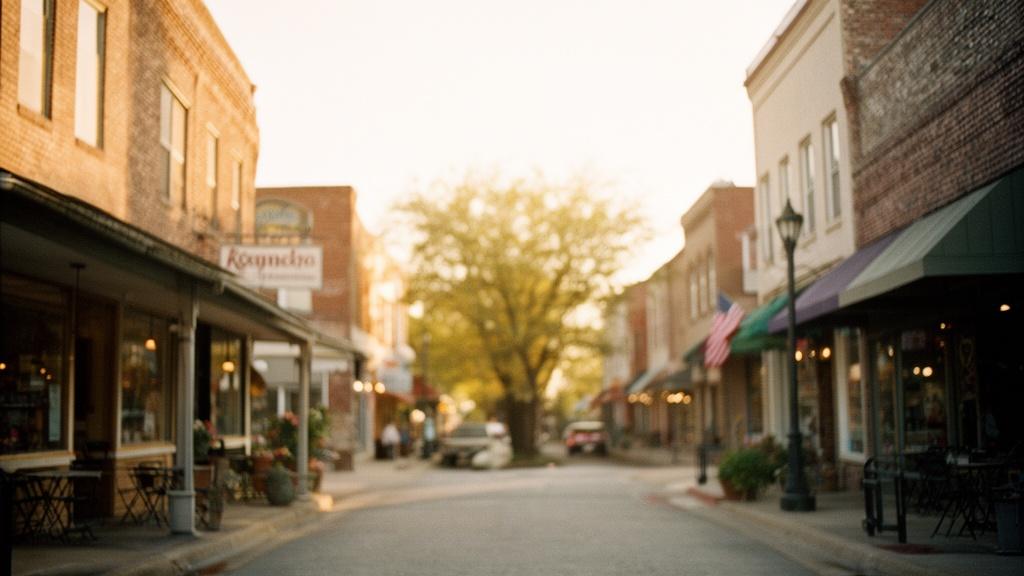
East Austin sits east of Interstate 35, the highway that has historically divided the east and west sides of the city. The neighborhood is not a single pocket; it stretches from the blocks just east of I-35 out toward 183 and covers a wide band running roughly from Airport Boulevard in the north down toward Cesar Chavez Street in the south. The inner core, sometimes called East 6th or the 78702 zip code, is the most densely developed and the most commercially active. The further east you go, the more the density drops and the lot sizes grow.
Street Grid and Walkability
The street grid in the inner east side is reasonably walkable by Austin standards. Blocks are short and sidewalks exist on most streets, though their condition varies. East 6th Street, Cesar Chavez, and Manor Road are the main commercial corridors you will use on foot. If you live within a half mile of any of these, you can handle errands on foot several days a week. Further east, past Springdale Road or Airport Boulevard, the sidewalk network thins out and a car or bike becomes more necessary for daily tasks.
Getting In and Out of the Neighborhood
The on-ramps to I-35 are the main arteries for leaving East Austin by car. During peak morning hours, roughly 7:30 to 9:00 a.m., the northbound and southbound merge points on I-35 back up significantly. Residents heading to the Domain area or north Austin typically budget an extra 15 to 20 minutes compared to off-peak travel. Heading downtown or to South Congress takes about 10 minutes by car outside of rush hour, and closer to 20 to 25 minutes during peak traffic. Airport Boulevard and Cesar Chavez offer surface street alternatives when the highway is congested.
2. Housing Stock, Prices, and What Your Money Gets You Right Now
East Austin has some of the most varied housing stock in the city, ranging from pre-1950s bungalows to brand-new concrete-and-glass townhomes on the same block. As of September 2026, the median sale price for a single-family home in the 78702 zip code sits around $650,000 to $720,000, depending on the specific street and condition of the property. That range has softened compared to the peak years of 2021 and 2022, giving buyers more negotiating room than they had a few years ago. For broader context on where Austin prices stand right now, the Austin, Texas Real Estate Market Guide covers citywide trends in detail.
Single-Family Homes
The original bungalow and craftsman homes in East Austin typically run 900 to 1,500 square feet on lots of 5,000 to 7,000 square feet. Many of these homes were built between the 1920s and 1960s and have been renovated to varying degrees. An unrenovated bungalow in need of updates might list in the low $500,000s. A fully renovated version on the same street with an updated kitchen, new roof, and modern systems can push to $800,000 or above. The lot itself carries significant value because many of these properties can be developed or expanded under current city zoning rules.
For a deeper look at what the buying process looks like in this specific part of Austin, this guide on buying a home in East Austin breaks down neighborhoods, price tiers, and what to expect at each step.
Condos, Townhomes, and New Construction
New construction townhomes are the most common product being built in East Austin right now. These are typically two or three-story structures with rooftop decks, two-car garages, and open-plan living areas. Prices for new townhomes generally start around $550,000 and climb to $850,000 or more for larger units with premium finishes near the East 6th corridor. Condos in mid-rise buildings are less common in East Austin than in downtown, but a handful of projects near Rainey Street and the 78702 boundary have added condo inventory over the past few years. HOA fees on these units range from $200 to $500 per month depending on shared amenities.
3. Morning Routines, Coffee, and Groceries
Day-to-day life in East Austin starts with genuinely good options for coffee and breakfast within walking distance of most inner east side addresses. This is one area where the neighborhood delivers on its reputation. The density of independent cafes along East 6th, Manor Road, and the surrounding blocks means you rarely need to drive for a morning cup.
Coffee and Breakfast
Patika Coffee on West Lynn is a short drive away, but East Austin has its own strong lineup. Thunderbird Coffee on Manor Road has been a neighborhood fixture for years and opens early on weekdays. Cenote on East Cesar Chavez offers a full breakfast menu in addition to espresso drinks and has outdoor seating that fills up on weekend mornings. For a quick stop, Fleet Coffee on East 6th is compact but consistently well-regarded for its espresso program. Most of these spots open between 7:00 and 8:00 a.m. on weekdays.
Grocery Shopping
Grocery access in East Austin is adequate but not as dense as in some other parts of the city. The closest full-service grocery store for most inner east side residents is the H-E-B on East 7th Street, which is a large-format store with a full deli, bakery, and curbside pickup. It gets crowded on weekend afternoons, so weekday mornings or evenings are the smoother option. A Whole Foods is located on Lamar Boulevard, roughly a 10 to 15 minute drive west. Smaller specialty markets and a growing number of bodega-style shops fill in some gaps for everyday items closer to home.
4. Noise, Traffic, and the Sensory Reality of Living Here
Noise is the variable that surprises new residents most. East Austin is not a quiet neighborhood, and the level of ambient sound depends heavily on which block you land on. Streets within two or three blocks of East 6th Street experience bar and live music noise on Thursday through Saturday nights, sometimes until 2:00 a.m. If you are a light sleeper and considering a property near the entertainment corridor, this is worth testing firsthand before you commit.
Street Noise and Live Music
The live music venues on East 6th, including Hole in the Wall East and White Horse, operate late into the night on weekends. Outdoor patios with amplified music are common, and sound carries further than you might expect on warm nights when windows are open. Residents one or two blocks off the main strip report that the noise is noticeable but manageable with double-pane windows. Residents directly adjacent to a venue describe it as a meaningful lifestyle factor. I-35 itself also generates a persistent low hum that is audible on the western edges of the neighborhood closest to the highway.
Construction and Development
Construction noise is a consistent feature of daily life in East Austin in 2026. The neighborhood is still in an active development cycle, with infill townhome projects, commercial renovations, and occasional larger mixed-use buildings going up across the zip code. Most construction activity runs Monday through Saturday, starting as early as 7:00 a.m. If you work from home, this is worth factoring into your property search. Blocks that are already fully developed tend to be quieter than those with vacant lots or aging commercial properties nearby that are likely to be redeveloped.
5. Parks, Outdoor Space, and Getting Outside
East Austin has meaningful access to outdoor space, though the distribution is uneven across the neighborhood. The southern edge of the neighborhood near Cesar Chavez Street connects directly to the Butler Hike-and-Bike Trail, which is one of the most used recreational corridors in the entire city. Residents in the northern reaches of East Austin near Airport Boulevard have a longer trip to reach that trail.
Cesar Chavez and the Hike-and-Bike Trail
The Ann and Roy Butler Hike-and-Bike Trail loops around Lady Bird Lake for approximately 10 miles. The Lakeshore entry point at the east end of Cesar Chavez is accessible from the inner east side by bike in about 10 minutes or by car in under five. The trail is paved, well-maintained, and heavily used on weekend mornings. Kayak and paddleboard rentals are available at the Rowing Dock and Zilker Park, both accessible from the trail. For residents who prioritize outdoor recreation, proximity to this trail is one of the most practical advantages of living on the southern end of East Austin.
Neighborhood Parks
Within East Austin itself, Rosewood Park is the largest neighborhood green space, covering about 22 acres near the corner of Rosewood Avenue and Chicon Street. It includes a pool, tennis courts, a recreation center, and open lawn areas. Fiesta Gardens, located along the Colorado River near the intersection of Cesar Chavez and Pedernales, hosts outdoor events and has river access. Boggy Creek Greenbelt runs through the northeastern part of the neighborhood and offers a shaded trail along a creek corridor, though it is narrower and less developed than the Lady Bird Lake trail system.
6. Commuting from East Austin to the Rest of the City
Commute times from East Austin vary widely depending on your destination and the time of day you travel. The neighborhood's position just east of downtown gives it a geographic advantage for reaching central Austin quickly, but I-35 congestion complicates trips to the north and south ends of the metro.
Driving to Downtown and the Domain
Downtown Austin is roughly 1.5 to 3 miles from most East Austin addresses, making it a 10 to 15 minute drive in normal conditions. During morning rush hour, that can stretch to 20 to 30 minutes if you are crossing I-35. The Domain, Austin's northern employment and retail hub near Mopac and Braker Lane, sits about 12 miles from the inner east side. Off-peak, the drive takes 20 to 25 minutes. During peak commute hours, 35 to 50 minutes is realistic. The Route 2 MetroRapid bus connects East Riverside and downtown, and some residents use it to avoid parking costs downtown.
Public Transit and Cycling
Capital Metro bus routes serve East Austin with several lines running along East 7th, Manor Road, and Cesar Chavez. The frequency and reliability of these routes has improved since the network redesign that took effect in 2024, but service is still more practical for downtown-bound trips than for cross-city travel. The MetroRail Red Line runs from downtown to Leander with a stop at Crestview, which is accessible from East Austin by bus. For cycling, the Cesar Chavez protected bike lane connects East Austin to downtown and the hike-and-bike trail, making bike commuting realistic for residents within a mile or two of that corridor.
7. Eating Out, Nightlife, and What Happens on a Tuesday
East Austin has one of the densest concentrations of independent restaurants and bars in the city, and that density is present on weekdays, not just weekends. On a Tuesday evening, East 6th Street and the surrounding blocks have open restaurants, a handful of bars with live music, and food trucks operating until 10:00 p.m. or later. This is one of the clearest practical differences between living in East Austin and living in a quieter part of the metro.
Restaurants and Food Culture
The restaurant options in East Austin span a wide range of cuisines and price points. Veracruz All Natural, with its original trailer on Cesar Chavez, draws lines on weekend mornings for migas tacos. Launderette on East 6th is a full-service restaurant with a wine list and a dinner menu that draws from across the city. Jacoby's Restaurant and Mercantile near the river offers a Texas-focused menu with a large outdoor space. Food truck parks along East Cesar Chavez and Springdale Road add lower-cost options for weeknight dinners. The variety is genuine and the quality is consistent enough that most residents eat out locally rather than driving across town.
Bars and Evening Activity
The bar scene on East 6th Street is distinct from the 6th Street entertainment district downtown in character and crowd. White Horse is a honky-tonk with free two-step lessons on weeknights and live country music most evenings. Whisler's is a cocktail bar with a mezcal focus and a rooftop that stays open late. The Nickel City is a dive bar with a deep beer list and a loyal local following. These are not tourist-facing spots in the same way that downtown bars are, which gives East 6th a different energy that residents either appreciate or find too close for comfort depending on their proximity.
If you are comparing East Austin to other parts of the city before making a decision, the Austin Neighborhoods Compared guide covers housing stock, amenities, and practical details across multiple neighborhoods in one place.
For a local's perspective on what the neighborhood looks and feels like beyond the listings, this East Austin neighborhood guide offers firsthand detail on the streets, food scene, and physical character of the area.
If you are weighing whether now is the right time to buy in East Austin or anywhere else in Austin, the Is Right Now a Good Time to Buy a House in Austin article walks through the current market conditions and what they mean for buyers in 2026.
FAQ
Is East Austin loud to live in day to day?
It depends almost entirely on which block you choose. Streets within two or three blocks of East 6th Street experience amplified music and bar noise on Thursday through Saturday nights until around 2:00 a.m. Blocks further from the entertainment corridor, particularly north of Manor Road or east of Springdale, are significantly quieter. I-35 also generates road noise along the western edge of the neighborhood closest to the highway. If noise sensitivity is a factor for you, visiting a property on a Friday or Saturday night before making an offer is one of the most practical things you can do.
What is the realistic cost to buy a home in East Austin in 2026?
As of September 2026, the median sale price for a single-family home in the 78702 zip code is roughly $650,000 to $720,000. An unrenovated bungalow can be found in the low $500,000s, while a fully updated home with modern systems near the East 6th corridor can reach $800,000 or more. New construction townhomes typically start around $550,000 and go up from there based on size and finishes. Prices have softened compared to the 2021 to 2022 peak, which has opened up more room for negotiation than buyers had in those years.
How long does it take to commute from East Austin to downtown or the Domain?
Downtown Austin is 1.5 to 3 miles from most inner East Austin addresses, which translates to 10 to 15 minutes by car in normal traffic and 20 to 30 minutes during morning rush hour. The Domain, located about 12 miles north near Mopac and Braker Lane, takes 20 to 25 minutes off-peak and 35 to 50 minutes during peak commute hours. Cycling to downtown is realistic from the southern and central parts of East Austin using the Cesar Chavez protected bike lane, which connects directly to the hike-and-bike trail and the central business district.