

← Back to Blog
Buying
Buying a Home in Five Points Raleigh: Process, Costs and Timeline
By Shalon Leonard
September 12, 2026 · 10 min read
Buying a home in Five Points Raleigh is a process worth understanding thoroughly before you make an offer. Five Points is one of Raleigh's most established intown neighborhoods, with bungalows and craftsman cottages sitting within a mile of Person Street's restaurants and Glenwood Avenue's shops. This guide walks through the full process, real costs, and a realistic timeline so you know exactly what to expect.
1. What Makes Five Points Raleigh Distinct as a Housing Market
Five Points is a walkable, historically dense neighborhood roughly two miles north of downtown Raleigh. The name comes from the five-way intersection of Glenwood Avenue, Whitaker Mill Road, and Peace Street, which has anchored the area since the early twentieth century. The housing stock reflects that age: most homes were built between the 1920s and the 1950s, and the dominant styles are craftsman bungalows, colonial revivals, and cape cods on lots that typically run between 6,000 and 10,000 square feet.
The Neighborhood's Physical Character
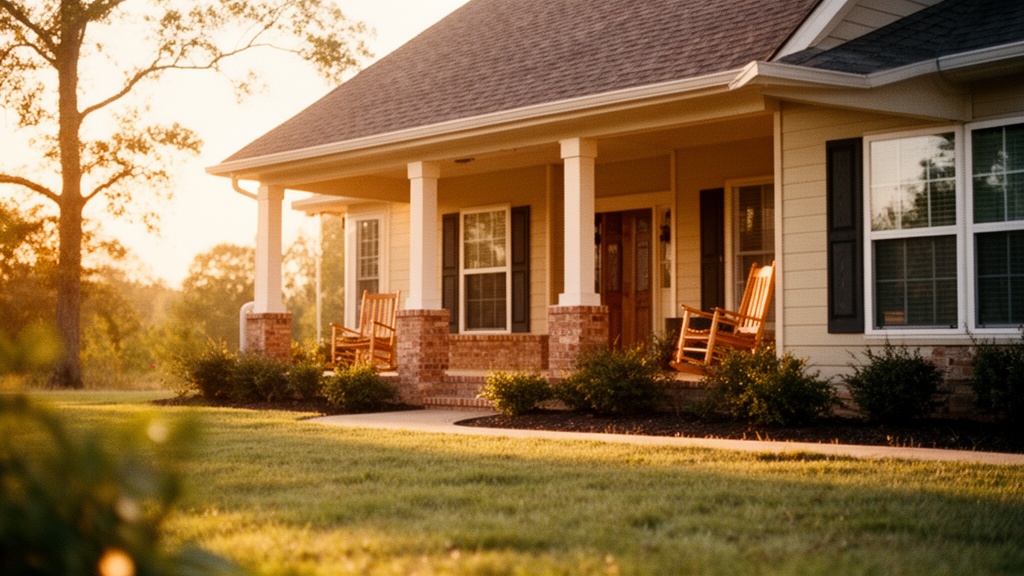
Homes here are almost entirely detached single-family houses on tree-lined streets. You will find front porches, mature hardwood trees, and alley-loaded garages on many lots. Renovations are common: a 1940s exterior often opens into a fully updated kitchen and primary suite. Original hardwood floors, arched doorways, and built-in bookcases appear regularly in listings. Condos and townhomes exist at the edges of Five Points, particularly near the Glenwood South corridor, but detached houses make up the majority of what trades here.
Proximity to Raleigh's Core
The location is one of the most practical aspects of buying here. Raleigh's downtown core is about a ten-minute drive or a 25-minute walk from the center of Five Points. Person Street, which runs through the neighborhood, is lined with coffee shops, wine bars, and locally owned restaurants. Optimist Park and the Raleigh Rose Garden at Pogue Street are within walking distance. For commuters heading to Research Triangle Park, the drive along I-40 West runs roughly 20 to 25 minutes in normal traffic conditions.
2. Home Prices and What Your Budget Gets You in Five Points
Prices in Five Points sit above the broader Raleigh median because of the neighborhood's location, lot sizes, and historic character. As of September 2026, homes in Five Points and the immediately adjacent streets are trading in a range from roughly $550,000 for a smaller unrenovated bungalow to over $1.2 million for a larger, fully updated colonial or craftsman with a detached garage and a landscaped yard. The sweet spot for most buyers is the $650,000 to $850,000 range, which covers renovated two-to-three-bedroom homes with updated kitchens and bathrooms. For broader Raleigh context, you can check the current citywide median in our article on average home prices in Raleigh for September 2026.
Current Price Ranges in September 2026
- Entry-level unrenovated bungalow (2 bed, 1 bath, under 1,200 sq ft): approximately $530,000 to $590,000, typically needing kitchen and bath updates.
- Mid-range renovated craftsman (3 bed, 2 bath, 1,400 to 1,800 sq ft): approximately $650,000 to $820,000, with updated systems, open kitchen, and original hardwood floors.
- Larger renovated colonial or expanded bungalow (4 bed, 3 bath, 2,000 to 2,800 sq ft): approximately $850,000 to $1.2 million, often with a detached garage, primary suite addition, or screened porch.
- New construction infill (rare, 3 to 4 bed, 2,200 to 3,000 sq ft): approximately $1.0 million to $1.4 million, built to current energy codes on lots where older structures were removed.
What Drives Price Variation on a Street-by-Street Basis
Lot depth, alley access, and renovation quality are the three biggest price drivers inside Five Points. A home on a deep lot with a detached garage and a renovated primary suite will command a significant premium over an otherwise similar house on a narrow lot with street parking only. Proximity to the Person Street commercial strip adds walkability value. Homes one block off the main corridors on quiet residential streets like Whitaker Mill Road or Linden Avenue tend to price slightly lower than those with direct walkability to coffee shops and restaurants.
3. The Full Buying Process: Step by Step in Five Points
Buying a home in Five Points Raleigh follows the same general sequence as any North Carolina purchase, but the intown market moves faster than suburban areas. Well-priced listings in Five Points regularly receive multiple offers within the first weekend. Understanding each step before you start searching puts you in a position to move quickly when the right home appears. Our broader Raleigh buyer's guide covers the citywide process in detail; this article focuses on what is specific to Five Points.
Getting Pre-Approved Before You Search
A full pre-approval letter, not a pre-qualification estimate, is the minimum requirement to be taken seriously by sellers in Five Points. Pre-approval means a lender has reviewed your tax returns, pay stubs, bank statements, and credit report and issued a conditional commitment to lend up to a specific amount. This process typically takes three to seven business days with a responsive lender. Given that mortgage conditions have tightened considerably over the past two years, it is worth reading up on how tough the home mortgage market has become before you start gathering documents.
For Five Points price points, most buyers are financing between $400,000 and $900,000. At those loan amounts, lenders will scrutinize debt-to-income ratios carefully. A conventional loan with 20 percent down avoids private mortgage insurance and strengthens your offer. If you are putting down less than 20 percent, be prepared to show strong reserves to offset the PMI concern in a multiple-offer situation.
Making an Offer in a Competitive Intown Market
Offers in Five Points often need to be at or above list price when a home is priced correctly. In September 2026, inventory in the Five Points area remains limited. Fewer than a dozen detached homes are typically active at any given time in this zip code range. That scarcity means sellers hold leverage on pricing, inspection contingency terms, and closing timelines. An escalation clause, a shortened due diligence period, or a flexible closing date can each make your offer more competitive without necessarily increasing the purchase price.
North Carolina uses a due diligence fee structure, which is worth understanding before you write your first offer. The due diligence fee is paid directly to the seller at contract and is non-refundable if you terminate the agreement during the due diligence period. In Five Points, due diligence fees on competitively priced homes currently range from $5,000 to $25,000 or more depending on how competitive the situation is. This money is credited back to you at closing if you proceed, but it is a real out-of-pocket risk if you walk away.
What Happens Between Contract and Closing
Once your offer is accepted, the clock starts on your due diligence period, which is negotiated in the contract and typically runs 14 to 21 days for Five Points purchases. During this window you will schedule a general home inspection, and given the age of the housing stock here, you should also budget for a sewer scope, a radon test, and possibly a chimney inspection if the home has a wood-burning fireplace. Homes built before 1978 may require a lead paint disclosure review. The NAR's guide to steps between signing and closing is a useful reference for understanding each milestone from contract to keys.
After due diligence closes, your lender orders the appraisal, the title company begins its search, and your loan moves through underwriting. For older homes in Five Points, appraisals can occasionally come in below the agreed purchase price because comparable sales are limited and the homes are architecturally distinct. If that happens, you and the seller will need to renegotiate, or you will need to cover the gap in cash. Having this conversation with your agent before you go under contract is important.
4. All the Costs Involved When Buying a Home in Five Points
The purchase price is only the starting point. Buyers in Five Points should plan for a range of upfront costs, closing costs, and ongoing ownership expenses that together can add 3 to 5 percent to the total outlay in the first year. Understanding each category prevents surprises at the closing table.
Upfront and Out-of-Pocket Costs
- Due diligence fee: $5,000 to $25,000 depending on competition; paid to seller at contract, credited at closing, non-refundable if you terminate.
- Earnest money deposit: typically 1 to 2 percent of the purchase price; held in escrow and applied to your down payment at closing.
- General home inspection: $400 to $600 for a house in the 1,400 to 2,000 square foot range; paid directly to the inspector.
- Sewer scope: $150 to $250; strongly recommended for homes built before 1970 due to aging clay or cast-iron lines.
- Radon test: $125 to $175; Raleigh sits in a moderate radon zone and testing is standard practice.
- Appraisal: $600 to $900 for a single-family home; ordered by your lender after due diligence closes.
Closing Costs Breakdown
Closing costs in North Carolina typically run 2 to 3 percent of the purchase price for a buyer using conventional financing. On a $750,000 home, that is $15,000 to $22,500 in addition to your down payment. The largest line items are loan origination fees, title insurance, attorney fees (North Carolina requires a real estate attorney at closing), prepaid homeowner's insurance, and prepaid property taxes. Wake County's property tax rate for 2026 is approximately $0.60 per $100 of assessed value for the county portion, with the City of Raleigh adding roughly $0.3735 per $100, bringing the combined rate to just under $1.00 per $100 of assessed value.
Ongoing Ownership Costs to Budget For
- Property taxes: on a $750,000 home assessed at market value, expect roughly $7,000 to $7,500 per year in combined Wake County and City of Raleigh taxes.
- Homeowner's insurance: $1,800 to $3,000 per year for a renovated older home in Five Points; rates vary based on roof age and claims history.
- Maintenance reserve: older homes in Five Points can carry deferred maintenance; budget 1 to 1.5 percent of purchase price per year for upkeep.
- HOA fees: most detached homes in Five Points have no HOA; verify before closing if the property is part of any association.
- Utility costs: older construction often means higher heating and cooling costs; ask the seller for 12 months of utility bills during due diligence.
5. Realistic Timeline: From First Search to Keys in Hand
Most buyers purchasing a home in Five Points Raleigh should plan for a total timeline of two to four months from the start of their active search to closing. That range assumes you are already pre-approved when you begin touring homes. If you need to get your finances in order first, add another two to four weeks at the front end.
How Long Each Phase Takes
- Pre-approval: 3 to 7 business days with a responsive lender and complete documentation submitted upfront.
- Active home search: 2 to 8 weeks in Five Points, where inventory is limited; buyers who are flexible on condition or lot size find homes faster.
- Offer to accepted contract: 1 to 5 days; multiple-offer situations are resolved quickly, often within 48 hours of a listing going live.
- Due diligence period: 14 to 21 days; inspections, negotiations over repairs, and final decision to proceed all happen here.
- Loan processing and underwriting: 21 to 30 days after due diligence ends; appraisal, title search, and final loan approval run concurrently.
- Closing day: typically 30 to 45 days after the contract date; North Carolina closings are conducted by a real estate attorney and take 60 to 90 minutes.
What Can Slow Things Down in Five Points Specifically
The age of the housing stock is the most common source of delay in Five Points transactions. Inspections on 1930s and 1940s homes regularly turn up issues with knob-and-tube wiring remnants, galvanized plumbing, inadequate attic insulation, or foundation cracks from settling. Negotiating repairs or a price adjustment after inspection findings takes time, and if the scope of work is significant, your lender may require repairs to be completed before closing.
Appraisal gaps are a second common friction point. When a buyer pays above list price in a competitive situation, the appraiser may not find comparable sales to support the agreed price. Plan for this possibility by discussing your appraisal gap tolerance with your agent before you make an offer, and by having cash reserves available to cover a potential shortfall without derailing the transaction.
Title issues on older properties are less common but worth knowing about. Homes that have changed hands many times over 80 to 100 years occasionally carry unresolved liens, easement questions, or deed errors. Your real estate attorney will catch these during the title search, but resolving them can add one to three weeks to the closing timeline in rare cases.
FAQ
Is buying a home in Five Points Raleigh a good investment compared to other Raleigh neighborhoods?
Five Points has maintained strong demand over many years because of its walkability, intown location, and limited housing supply. The neighborhood's lot sizes and historic character make it difficult to add new inventory at scale, which has historically supported values. That said, real estate performance depends on the specific home, your purchase price, and broader market conditions at the time you buy or sell. Shalon Leonard can walk you through recent comparable sales in Five Points so you have concrete data rather than generalizations to base your decision on.
Do I need a specialized inspector for an older Five Points home?
A general home inspector licensed in North Carolina is your starting point, but for homes built before 1960 you should also hire specialists for the sewer line, chimney, and potentially the electrical system if the inspector flags knob-and-tube wiring. Some buyers also add a structural engineer if foundation concerns appear in the general inspection report. The additional inspections typically cost $400 to $700 combined and are well worth the investment given the age of the housing stock. Scheduling all inspections within the first week of your due diligence period gives you time to review results and negotiate before your window closes.
Can I negotiate the due diligence fee in a Five Points purchase?
The due diligence fee is negotiable, and the right amount depends on how competitive the listing is. For a home that has been sitting on the market for several weeks, a seller may accept a lower due diligence fee. For a new listing expected to draw multiple offers over a weekend, a higher due diligence fee signals serious intent and can be the deciding factor between two otherwise similar offers. Your agent will advise you on what is appropriate for each specific situation based on days on market, list price accuracy, and the number of competing buyers likely to be interested.