

← Back to Blog
Market Trends
Downtown Raleigh, North Carolina Real Estate Market Guide: Prices, Neighborhoods and Timing
By Shalon Leonard
September 13, 2026 · 10 min read
Downtown Raleigh, North Carolina carries a well-earned reputation as one of the most active real estate markets in the Southeast, and this guide breaks down exactly what buyers, sellers, and relocators need to know right now. From current price ranges and condo inventory to commute distances and the timing factors that move the market, every section here is built around real, local detail. Whether you are considering a move to the Warehouse District, researching a loft near Fayetteville Street, or preparing to list a property near Moore Square, this is your starting point.
1. What Downtown Raleigh's Real Estate Market Looks Like Right Now
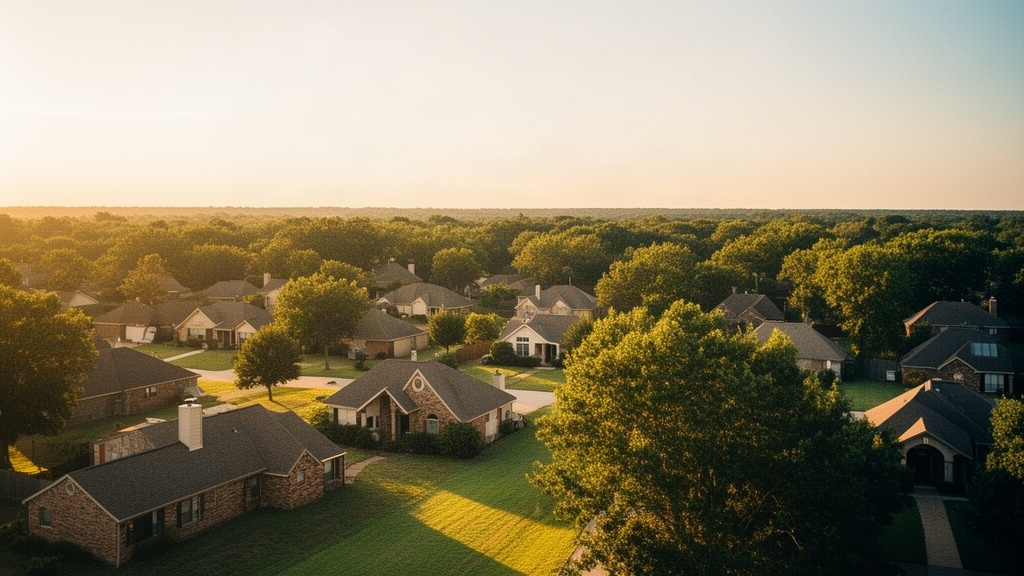
Downtown Raleigh's real estate market in September 2026 is characterized by tight condo inventory, steady demand from in-state relocators, and price points that remain more accessible than comparable downtown cores in Charlotte or Washington D.C. The market has matured considerably over the past several years, but it has not priced out buyers the way many Sun Belt downtowns have.
Current Price Ranges
Condos and lofts represent the dominant housing type in the downtown core. As of September 2026, entry-level condos in buildings like The Dawson or 210 Corcoran are trading in the $280,000 to $380,000 range for one-bedroom units in the 650 to 900 square foot range. Two-bedroom units in mid-rise buildings along Hillsborough Street and Glenwood Avenue generally fall between $420,000 and $600,000. Larger penthouse-style units in newer construction buildings push above $700,000 and can reach $1.2 million for the most finished, high-floor product.
Townhomes on the fringe of downtown, particularly in the blocks just south of Peace Street and east toward Person Street, are priced between $450,000 and $650,000 depending on age, finishes, and whether the unit has a private rooftop or garage. Single-family homes within the boundaries most buyers consider "downtown adjacent" are rare and typically command a premium above $700,000 when they do appear.
What the Inventory Looks Like
Active listings in the downtown Raleigh zip codes (primarily 27601 and 27603) sit at roughly 3.5 to 4.5 months of supply as of September 2026, which is tighter than the national average but looser than the sub-two-month conditions the market saw in 2021 and 2022. Well-priced condos under $400,000 are still moving within 20 to 30 days. Properties above $600,000 are sitting longer, often 45 to 75 days, as buyers at that price point weigh downtown living against newer single-family options in North Hills or Midtown.
How Downtown Compares to the Broader Raleigh Market
The broader Raleigh market context matters here. North Carolina's housing costs sit meaningfully below the national average, a dynamic covered in detail by HousingWire's affordability analysis. Downtown Raleigh specifically runs about 15 to 25 percent above the citywide median on a per-square-foot basis, which reflects the walkability premium and the cost of vertical construction. If you are comparing downtown to suburban Raleigh neighborhoods, expect to pay more per square foot but less in total if you are purchasing a smaller unit. For a full picture of citywide averages, the average home price guide for Raleigh in September 2026 is a useful companion to this article.
2. The Distinct Pockets of Downtown Raleigh and What They Offer
Downtown Raleigh is not a single, uniform neighborhood. It is a collection of distinct corridors and districts, each with its own street character, building stock, and price behavior. Understanding the differences helps buyers target the right block and helps sellers price and market accurately.
Warehouse District
The Warehouse District sits in the southwestern corner of downtown, roughly bounded by West South Street, South Dawson Street, and the rail corridor. The building stock here is a mix of converted industrial lofts in former tobacco and textile warehouses and newer infill construction built to complement the neighborhood's raw aesthetic. Exposed brick, high ceilings, and large windows are common in the older conversions. Prices in the Warehouse District tend to run $320,000 to $550,000 for one and two-bedroom units, with some larger live-work lofts exceeding that range.
The district is within walking distance of the Raleigh Convention Center, the Duke Energy Center for the Performing Arts, and the developing South Street corridor. CAM Raleigh (the Contemporary Art Museum of Raleigh) anchors the cultural side of the neighborhood. Restaurants and bars are concentrated along West Hargett Street and South Blount Street.
Glenwood South
Glenwood South runs along Glenwood Avenue from Peace Street down toward the Seaboard Station area. The corridor is dense with restaurants, bars, and retail at street level, with residential units stacked above in a mix of mid-rise and high-rise buildings. New construction here, including buildings completed between 2022 and 2026, features amenity packages that include rooftop pools, coworking lounges, and secured parking. Prices in Glenwood South tend to be among the highest in the downtown market, with newer two-bedroom units frequently listed at $500,000 to $750,000.
Seaboard Station, just north of the Glenwood South corridor, adds a neighborhood retail anchor with a Whole Foods Market, local shops, and a walkable cluster of dining options that residents of the surrounding blocks use regularly.
Moore Square and the Blount Street Corridor
Moore Square is one of Raleigh's original four squares, dating to the 1792 city plan, and the blocks surrounding it have seen significant reinvestment since the renovation of Moore Square Park completed in 2019. The Blount Street Corridor, running north from the square toward Person Street, includes some of downtown's older residential stock, including a handful of historic rowhouses and smaller condo buildings that predate the mid-rise construction wave. Units here tend to be priced $280,000 to $480,000 and offer more architectural character than newer buildings.
Fayetteville Street and the City Center Core
Fayetteville Street is downtown Raleigh's main pedestrian spine, running from the State Capitol south to the convention center. Residential options directly on or within one block of Fayetteville Street are limited but do exist in buildings like The Paramount and One Glenwood. These units command a location premium. The city center core is primarily commercial, but the residential buildings here offer direct walking access to the North Carolina Museum of Natural Sciences, the NC State Legislative Complex, and the full Fayetteville Street dining and retail corridor.
3. Commute Times, Walkability, and Getting Around
One of the most practical questions about downtown Raleigh real estate is how well the location works for daily life without a car, and how quickly you can reach major employers when you do need to drive. The answers vary meaningfully depending on where in the downtown footprint you are.
Walking and Biking
The downtown core scores well for walkability by Raleigh standards. Residents in the Warehouse District, Glenwood South, and the Fayetteville Street corridor can reach grocery options, restaurants, coffee shops, and green space on foot. The Capital Area Greenway system connects downtown to Dix Park, a 308-acre park on the former Dorothea Dix Hospital campus that opened its expanded trail network to the public in recent years. Biking along the greenway to Dix Park from the Warehouse District takes roughly 10 to 15 minutes.
GoRaleigh Bus and R-Line
The R-Line is a free circulator bus that loops through the downtown core, connecting major destinations from Glenwood South through Fayetteville Street and into the Warehouse District. GoRaleigh's broader network provides connections to NC State University (roughly 2 miles southwest of downtown), the Brier Creek area, and other parts of the city. For commuters heading to Research Triangle Park, the GoTriangle bus routes offer a car-free option, though travel times can reach 45 to 60 minutes depending on the specific stop.
Driving Commutes to Major Employment Centers
By car, downtown Raleigh sits at the center of a strong employment geography. Research Triangle Park is approximately 18 miles west via I-40, a drive that takes 20 to 35 minutes outside of peak hours and 35 to 55 minutes during morning rush. NC State's main campus is a 10-minute drive or a 20-minute bike ride via the greenway. Duke University in Durham is roughly 28 miles northwest, a 30 to 45 minute drive on I-40. The WakeMed main campus on New Bern Avenue is about 3 miles east of downtown, a 10 to 15 minute drive.
Parking in downtown residential buildings is a real cost consideration. Deeded parking spaces in condo buildings are sometimes included in the purchase price and sometimes sold separately for $25,000 to $45,000. Buyers should confirm parking arrangements before submitting an offer.
4. Timing the Downtown Raleigh Market: When to Buy and When to Sell
Timing matters in any real estate market, and downtown Raleigh has its own seasonal and cyclical patterns that differ from the broader suburban market. Understanding them gives both buyers and sellers a strategic edge.
Seasonal Patterns
Downtown Raleigh's condo market is less tied to the school-year calendar than suburban single-family neighborhoods. That means the spring surge (March through May) is real but less dramatic than in areas like North Hills or Midtown. Activity picks up again in September and October as corporate relocations close out and new hires from major employers settle into the area. December and January are the quietest months for new listings, which can create opportunity for buyers willing to shop during the holiday period.
What Sellers Should Know
Sellers in downtown Raleigh currently benefit from limited competing inventory in the sub-$450,000 condo range. Properties that are well-staged, professionally photographed, and priced within 2 to 3 percent of recent comparable sales are moving within 30 days. Overpricing by more than 5 percent tends to result in a price reduction within 45 days, which can signal weakness to buyers and ultimately produce a lower final sale price than a correct initial list price would have.
Sellers should also be aware that buyers are scrutinizing HOA financials more carefully than they were two or three years ago. A condo association with deferred maintenance, underfunded reserves, or a pending special assessment will slow or kill a sale. Gathering those documents early and addressing known issues before listing is worth the effort.
What Buyers Should Know
Buyers in September 2026 have more negotiating room than they did in 2021 or 2022, but the market has not flipped entirely in their favor. Well-priced units under $400,000 still attract multiple offers. Above $550,000, buyers can often negotiate seller-paid closing costs, a rate buydown contribution, or a short inspection period extension without losing the deal. Getting pre-approved before touring is essential; sellers in downtown buildings expect it and some listing agents will not schedule showings without it.
For buyers comparing downtown to other parts of Raleigh, the Midtown Raleigh real estate market guide covers a different price profile and housing type mix that may suit different priorities.
5. Costs Beyond the Purchase Price
The sticker price of a downtown Raleigh condo is only part of the monthly cost picture. HOA fees, property taxes, and closing costs add up quickly in vertical living, and buyers who do not account for them accurately can end up stretching beyond a comfortable budget.
HOA Fees and Condo Assessments
HOA fees in downtown Raleigh condo buildings range widely based on building age, amenity load, and management structure. Older buildings with minimal amenities may charge $200 to $350 per month. Mid-rise buildings with a fitness center, concierge, and secured parking typically run $400 to $600 per month. Newer luxury high-rises with rooftop amenities, pools, and full-time staff can charge $700 to $1,100 per month or more. Buyers should always request the last 12 months of meeting minutes, the current reserve study, and the most recent budget before closing.
Property Taxes
Wake County's combined property tax rate (county plus City of Raleigh) sits at approximately $1.00 per $100 of assessed value as of 2026. On a $450,000 condo, that works out to roughly $4,500 per year, or about $375 per month. Wake County reassesses property values on a regular cycle, so buyers purchasing at or above recent comparable sales should budget for assessed value to catch up over time. The full breakdown of how Raleigh property taxes work is covered in the property tax guide for Raleigh, NC.
Closing Costs and Budgeting
Buyers in North Carolina typically pay 2 to 3 percent of the purchase price in closing costs, covering lender fees, title insurance, attorney fees (North Carolina is an attorney-closing state), and prepaid items like homeowner's insurance and property tax escrow. On a $450,000 purchase, that is $9,000 to $13,500 in addition to the down payment. Sellers pay the real estate commission and the North Carolina deed excise tax of $1 per $500 of sale price, which on a $450,000 sale equals $900.
Raleigh's overall affordability relative to other major metros remains a draw. The National Association of REALTORS named Raleigh among the top homebuying markets for 2026, citing job growth, relative affordability, and population inflow as the key drivers. Downtown Raleigh benefits from all three of those tailwinds.
For buyers who want a broader view of the Raleigh purchase process before zeroing in on downtown, the Raleigh NC buyer's guide covers the full process from search to closing in detail.
FAQ
Is downtown Raleigh a good place to buy a condo right now in 2026?
Downtown Raleigh's condo market in September 2026 offers more balanced conditions than the frenzied seller's market of 2021 and 2022, which means buyers have more time to make informed decisions and some room to negotiate on properties above $500,000. Inventory in the sub-$400,000 range remains tight, and well-priced units still move quickly. The area continues to draw buyers because of its walkability, proximity to major employers, and the ongoing development of Dix Park and the South Street corridor. Whether it is the right move depends on your budget, how long you plan to stay, and how the HOA fees and property taxes fit into your monthly cost picture. Shalon Leonard can help you run those numbers for specific buildings you are considering.
What is the difference between buying in the Warehouse District versus Glenwood South?
The Warehouse District offers more architectural character, with converted industrial buildings featuring exposed brick and high ceilings, at prices that generally run $50,000 to $100,000 below comparable square footage in Glenwood South. Glenwood South skews newer, with more amenity-heavy buildings and a more active street-level dining and nightlife scene directly outside the door. HOA fees in Glenwood South's newer buildings tend to be higher because of the amenity load. Both areas are walkable to the same core downtown destinations, but the day-to-day street experience is different. Buyers who prioritize architectural character and a slightly quieter immediate block often prefer the Warehouse District, while those who want brand-new finishes and building amenities tend to gravitate toward Glenwood South.
How do I research schools for properties in downtown Raleigh?
School assignments for properties in downtown Raleigh zip codes (primarily 27601 and 27603) are determined by Wake County Public School System based on your specific address, and they can change due to redistricting. The most reliable way to verify which school serves a specific address is to use the Wake County Public School System's official address lookup tool on their website, or to contact the district directly. Shalon Leonard can also provide the address of any property you are considering so you can run that lookup yourself before making an offer.