← Back to Blog
Neighborhoods
Relocating to Magnolia, Texas: Neighborhoods, Costs and Timelines
By Shanna Holt, Real Estate Agent
Boston Real Estate Group · TX# 743733
September 21, 2026 · 11 min read
Relocating to Magnolia, Texas means trading city density for wooded lots, lower property taxes than many Houston suburbs, and a housing market that still offers genuine variety across price points. This guide covers what you need to know before you move: which neighborhoods offer what, what a realistic budget looks like in September 2026, how long the process typically takes, and what the commute and daily logistics actually look like once you are settled.
1. What Magnolia, Texas Looks Like on the Ground
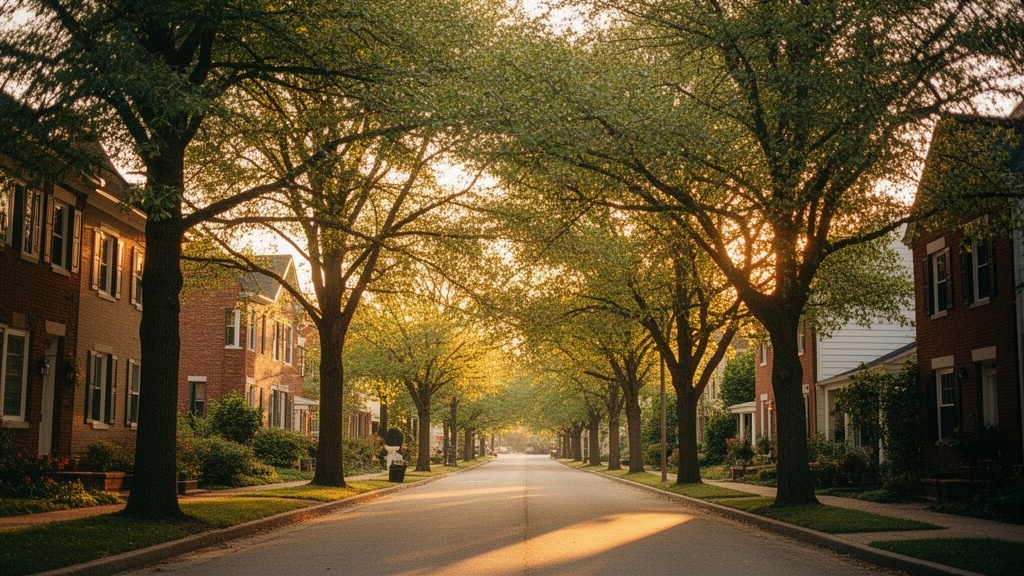
Magnolia sits in Montgomery County, roughly 40 miles northwest of downtown Houston along the SH 249 corridor. It is not a dense suburb in the traditional sense. The area blends master-planned subdivisions with large-lot acreage properties, wooded residential streets, and a small historic downtown core centered around Magnolia Boulevard. That mix is a big part of why people who are relocating to Magnolia, Texas tend to stay.
The Physical Setting
Montgomery County's landscape shapes what living here feels like day to day. The terrain is gently rolling with a heavy tree canopy, mostly loblolly pine and hardwoods. Lots that would be quarter-acre slabs in a closer-in suburb often run half an acre to several acres here. The Cypress Creek watershed cuts through the western portions of the area, and the Sam Houston National Forest sits just to the north, giving the region a genuinely rural feel even in subdivisions with HOAs and community amenities.
What the Housing Stock Looks Like
You will find a wide range of construction eras here. Older homes from the 1980s and 1990s sit on larger lots with mature trees, while newer construction from the 2010s and 2020s clusters in master-planned communities with amenity centers, trails, and community pools. Custom builds on acreage tracts are common in the areas west of SH 249 and north of FM 1488. The variety means a relocating buyer can choose between a move-in-ready new build, a resale home with established landscaping, or a custom build on raw land, all within the same zip code.
2. Neighborhoods in Magnolia: What Each Area Offers
Magnolia does not have a single dominant neighborhood type. The area breaks into a few distinct pockets, each with different lot sizes, price points, and proximity to major roads. Understanding those distinctions saves you time during a relocation search. For a deeper look at individual subdivisions and what they contain, the guide on neighborhoods in Magnolia, Texas covers specific communities in detail.
Master-Planned Communities Along FM 1488
The FM 1488 corridor is where most of Magnolia's master-planned growth has concentrated. Communities like Woodlands Hills, located just south of the Magnolia city limits near The Woodlands border, feature amenity centers, resort-style pools, and miles of walking trails. Lots in these communities typically run 6,000 to 10,000 square feet, and homes are predominantly new construction or recent resale built after 2015. Prices in these subdivisions generally start around $320,000 and reach into the low $500,000s for larger floor plans. HOA fees vary by community but typically run between $600 and $1,200 per year.
Farther west along FM 1488, communities like Magnolia Reserve and Magnolia Springs offer a slightly more established feel with larger lots and more mature vegetation. These neighborhoods have amenities alongside larger lot sizes than many of the newer master-planned developments. You can review community overviews and recent market data on HAR.com's Magnolia neighborhood guide to get a broader picture of how different pockets compare on listing inventory and price trends.
Acreage and Rural Residential Areas
North and west of the FM 1488 and SH 249 intersection, the character of the land shifts considerably. One and two acre tracts are common, and five to twenty acre parcels are not unusual. Homes in these areas range from modest ranch-style builds from the 1990s to substantial custom homes built in the last decade. Deed restrictions vary widely in this zone; some areas have none at all, which appeals to buyers who want agricultural exemptions, space for horses, or the ability to operate a small business from their property. Prices on acreage properties vary enormously based on land size, improvements, and road frontage, but a three-bedroom home on two acres commonly falls between $380,000 and $550,000 in the current market.
Closer-In Subdivisions Near SH 249
The subdivisions closest to the SH 249 tollway offer the shortest drive times toward Houston and The Woodlands. Communities like Mostyn Manor, Mostyn Lakes, and Indigo Lake Estates sit within a few miles of the SH 249 on-ramp, making them practical for buyers who commute regularly. These neighborhoods tend to have larger lots than the FM 1488 master-planned communities, often running a quarter to half an acre, and the homes skew toward 2,000 to 3,500 square feet. The trade-off is that community amenities are sometimes more limited than in the larger planned developments.
3. What It Costs to Relocate to Magnolia, Texas
Cost is one of the first questions people ask when relocating to Magnolia, Texas, and the numbers are genuinely competitive compared to closer-in Houston suburbs. Understanding what you get at each price tier helps you narrow your search before you ever visit a property.
Home Prices in September 2026
As of September 2026, the median home price in the Magnolia area sits in the low-to-mid $400,000 range, with meaningful variation depending on location and lot size. Entry-level homes in established subdivisions start around $280,000 to $310,000 for three-bedroom resales under 1,800 square feet. The largest new-construction homes in master-planned communities with four to five bedrooms and premium finishes reach $600,000 to $700,000. Custom builds on acreage can go well above that depending on the land and specifications. For a detailed breakdown of current price data by property type, the article on average home prices in Magnolia, Texas in September 2026 has current figures with context.
Property Taxes and Ongoing Costs
Montgomery County property tax rates are a key factor in the total cost of ownership in Magnolia. The combined rate for most Magnolia addresses, including county, school district, and any applicable MUD (Municipal Utility District) levies, typically falls between 1.8% and 2.4% of appraised value depending on the specific taxing entities that apply to a given property. On a $420,000 home, that translates to roughly $7,560 to $10,080 per year in property taxes. MUD districts, which fund water and sewer infrastructure in many newer subdivisions, add to the rate but are often temporary and sunset once the district retires its debt. Always confirm which taxing entities apply to a specific address before making an offer.
Texas has no state income tax, which affects the overall cost-of-living calculation for buyers relocating from states like California, New York, or Illinois. Homestead exemptions reduce the taxable value of a primary residence, and Montgomery County's appraisal district processes those exemptions annually. Homeowners insurance in this area runs higher than national averages due to wind and storm exposure; budget $2,500 to $4,500 per year for a mid-range home depending on coverage level, age of the home, and roof condition.
What Your Budget Gets You
At $350,000, a buyer in Magnolia can realistically find a three-to-four bedroom resale home in an established subdivision with a two-car garage and a backyard large enough for a pool. At $450,000, new construction with four bedrooms, an open-concept kitchen, and community amenities becomes accessible in several master-planned developments. At $550,000 and above, buyers can target larger floor plans on half-acre-plus lots, homes with dedicated home offices and media rooms, or custom builds on acreage. That purchasing power compares favorably to The Woodlands, Katy, or Sugar Land, where the same dollar amount typically buys a smaller lot and a more congested commute route.
4. Realistic Timelines for Your Move to Magnolia
One of the most common mistakes relocating buyers make is underestimating how long the full process takes from first search to move-in day. A realistic timeline helps you coordinate lease expirations, school enrollment deadlines, and job start dates without creating a stressful gap.
How Long the Home Search Takes
Most relocating buyers in the Magnolia market spend four to ten weeks actively searching before writing an offer. That range depends on how specific your criteria are, how available you are to tour homes, and how competitive the price tier you are targeting happens to be. In the $320,000 to $450,000 range, well-priced listings in subdivisions with available inventory still move within the first two weeks on market in September 2026. Buyers who are relocating from out of state and can only visit on weekends should plan for the longer end of that range. Doing virtual tours and pre-filtering heavily online before a visit weekend can compress the timeline significantly.
Getting pre-approved before you start touring is not optional in this market. Sellers in Magnolia expect a pre-approval letter with any offer. If you are coming from out of state with equity from a home sale, make sure your lender understands the timeline for your sale proceeds and can structure your pre-approval accordingly. The full process walkthrough in the guide on buying a home in Magnolia, Texas covers the offer-to-close sequence in detail.
Closing and Move-In Timeline
Once an offer is accepted, the standard closing timeline in Texas is 30 to 45 days for a financed purchase. Cash buyers can sometimes close in as few as 10 to 14 days. The 30 to 45 day window covers the option period (typically 5 to 10 days for inspections), appraisal scheduling, and lender underwriting. New construction closings on a home already under contract but not yet complete can run 60 to 120 days depending on the builder's current backlog. If you are buying a to-be-built home, confirm the builder's current delivery schedule in writing before signing a contract.
Planning Your Overlap Period
Relocating buyers who are also selling a home in another market face the challenge of coordinating two closings. If you need proceeds from your current home to fund the Magnolia purchase, your agent and lender need to know that upfront so they can structure the offer correctly. Bridge loans, sale-leaseback arrangements, and contingent offers are all tools that can reduce the financial gap between selling and buying. In a market where sellers have options, contingent offers require a strong presentation; your agent's ability to communicate the strength of your position matters as much as the numbers on the page.
Budget two to four weeks of overlap between your old home and your new one if you can manage it. That buffer absorbs closing delays, gives you time to do any painting or minor work before moving furniture in, and reduces the pressure of a same-day move. If overlap is not possible, short-term furnished rentals in the Magnolia and Tomball area are available and typically run $2,500 to $4,500 per month for a furnished three-bedroom unit.
5. Commute, Schools and Daily Life
The practical realities of living in Magnolia matter as much as the home itself. Commute patterns, school research, and access to everyday amenities all shape whether a relocation sticks or leads to a second move within a few years.
Getting to Houston and the Energy Corridor
The SH 249 tollway is the primary route connecting Magnolia to Houston's job centers. From the northern end of SH 249 near Magnolia, a non-rush-hour drive to the Energy Corridor near I-10 runs approximately 45 to 50 minutes covering roughly 38 miles. During morning rush hour, that same drive can stretch to 65 to 80 minutes depending on where along SH 249 you start and where exactly in Houston you are headed. The Energy Corridor, Westchase, and the Beltway 8 area are all accessible without entering downtown traffic. The full commute breakdown, including alternate routes and timing data, is covered in the article on the commute from Magnolia to downtown Houston.
The Woodlands is approximately 15 to 20 minutes from most Magnolia addresses, making it a practical destination for work, medical appointments, and retail. Houston Methodist The Woodlands Hospital, Memorial Hermann The Woodlands, and St. Luke's Health facilities are all within that driving range. For buyers whose employers are located in The Woodlands Town Center or along Research Forest Drive, Magnolia offers a commute that avoids many of the congestion points found on other Houston-area routes.
Researching Schools Before You Buy
Most of the Magnolia area falls within Magnolia Independent School District, which operates campuses from elementary through high school. Portions of the area near the southern boundary are served by Tomball ISD. Which district applies to a specific property depends on the address, not the subdivision name, so always verify before making an offer. The Texas Education Agency publishes campus-level accountability data at tea.texas.gov, and the district's own website at magnoliaisd.org lists attendance zone maps. The full guide on researching school districts in Magnolia, Texas walks through how to confirm zoning and access state data for any address you are considering.
School research is a personal process that depends on your child's age, learning needs, and priorities. Use the Texas Education Agency data, visit campuses directly, and speak with current residents in the specific subdivision you are targeting. No two households weight the same factors equally, and the right approach is to gather primary source information rather than relying on third-party rankings alone.
Shopping, Dining and Everyday Errands
Magnolia's own commercial corridor along FM 1488 and Business SH 249 has expanded substantially over the past decade. H-E-B anchors the grocery options locally, with an H-E-B Plus on FM 1488 that handles most household shopping needs. Kroger and Walmart Supercenter locations are also within a short drive. The Magnolia Farmers Market on Saturdays draws local vendors for produce, baked goods, and specialty items. For larger retail, The Woodlands Mall and Market Street are about 20 minutes south.
Dining in Magnolia has grown well beyond fast food. Local spots like Fielding's Wood Grill, Mia's Table, and a range of Tex-Mex and barbecue options line the main commercial corridors. The downtown area near Magnolia Boulevard has seen new restaurant and retail openings in recent years, adding walkable character to what was previously a drive-through commercial strip. For outdoor recreation, Burroughs Park in Tomball (about 15 minutes away) offers 320 acres of trails, sports fields, and picnic areas, and Kickerillo-Mischer Preserve is accessible within a similar drive.
FAQ
How long does it realistically take to relocate to Magnolia, Texas from out of state?
From the moment you start actively searching to the day you have keys in hand, most out-of-state relocations to Magnolia take three to five months when a financed purchase is involved. That includes four to ten weeks of searching, a 30 to 45 day closing period, and time to coordinate your departure from your current location. If you are also selling a home simultaneously, add four to eight weeks for that process depending on your current market. Starting the pre-approval process before you begin touring compresses the timeline on the buying side, and working with a local agent who knows which subdivisions have available inventory in your price range reduces wasted search time considerably.
Is Magnolia, Texas part of an HOA, and are there areas without one?
It depends entirely on the specific property and subdivision. Master-planned communities along FM 1488 and near SH 249 almost universally have HOAs, with annual fees ranging from roughly $600 to $1,200 per year. Acreage properties in the rural residential areas north and west of the main corridors often have no HOA at all, and some have no deed restrictions. There is a meaningful middle ground as well: older subdivisions from the 1980s and 1990s sometimes have deed restrictions but no active HOA collecting fees. Always confirm the HOA status and review the deed restrictions for any property before making an offer, as these affect what you can do with the land and home.
What is the difference between living in Magnolia versus Tomball for someone relocating to the northwest Houston area?
Magnolia and Tomball are about 15 to 20 miles apart and serve different parts of the northwest Houston corridor. Tomball sits closer to the Houston city limits along SH 249, with a more established downtown district and slightly shorter commute times to central Houston job centers. Magnolia is farther northwest, offers more acreage and large-lot options, and generally has lower price-per-square-foot on comparable homes. Both are served by their respective local school districts, though the specific district varies by address in each area. The choice between them often comes down to lot size preference, commute destination, and price point; a local agent familiar with both markets can help you identify which area's inventory aligns with your specific criteria.