
← Back to Blog
Buying
What Time of Year Is the Best Time to Buy a House in Lebanon Oregon
By Shawn Richardson
Exp Luxury · DRE# 201210661
September 24, 2026 · 11 min read
If you are asking what time of year is the best time to buy a house in Lebanon Oregon, the honest answer depends on whether you want the most choices, the lowest prices, or the least competition. Lebanon's market has its own seasonal rhythm shaped by the Willamette Valley climate, local inventory patterns, and Linn County buyer activity, and knowing how each season plays out here can put real money back in your pocket.
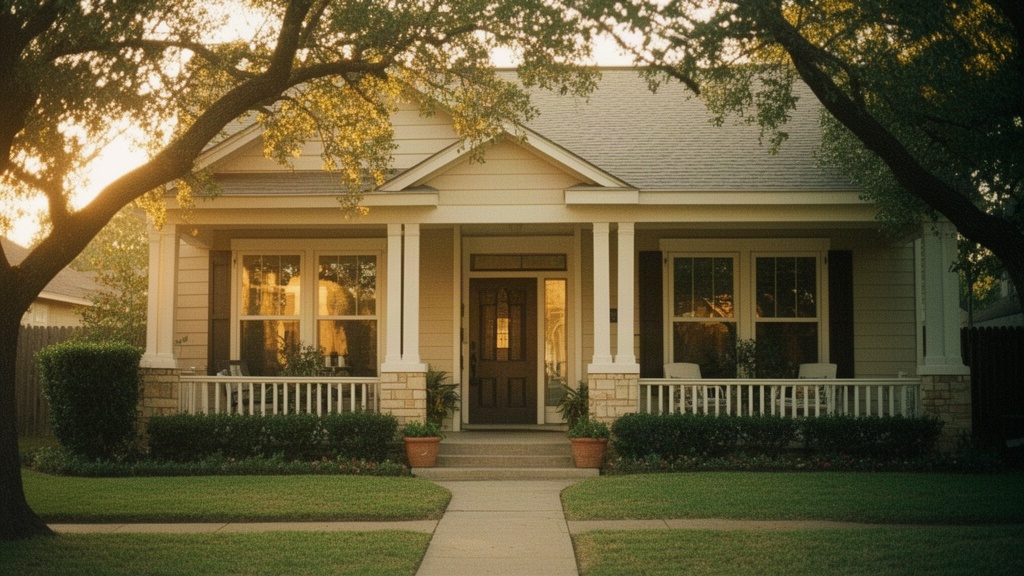
1. How Lebanon Oregon's Housing Market Moves Through the Year
Lebanon's real estate market follows a seasonal pattern, but it is not identical to Portland or Eugene. As a smaller city of roughly 18,000 people in Linn County, Lebanon sees more compressed inventory swings than larger metro markets, which means seasonal timing carries more weight here than it might in a city with hundreds of listings at any given time.
Spring: High Inventory, High Competition
March through May brings the largest wave of new listings to Lebanon. Sellers who spent the winter preparing their homes list as soon as the rains ease and curb appeal improves. In Lebanon, that means ranch-style homes on quarter-acre lots near Cheadle Lake Regional Park, older craftsman bungalows in the downtown core, and newer construction in subdivisions off Airport Road and South 5th Street all tend to hit the market at once.
More choices sound appealing, but spring also brings more buyers. Multiple-offer situations are common on move-in-ready properties priced in Lebanon's most active range, which has historically sat between $280,000 and $380,000 for single-family homes. Buyers who want to avoid bidding wars often find spring frustrating despite the broader selection.
Summer: The Peak Window Closes Gradually
June and July keep inventory high while buyer demand stays strong. Families trying to close before the school year restarts drive a lot of summer activity in Lebanon. Homes near Cascades Gateway Park and along the Santiam River corridor see consistent showings through mid-July. Prices tend to be at or near their seasonal peak during this stretch.
By August, the pace starts to shift. Listings that did not sell in June or July begin to accumulate days on market, and some sellers adjust their expectations. For buyers who missed the spring rush, late August can offer a middle ground: decent selection with slightly less competition than peak spring.
Fall: Motivated Sellers and Thinning Competition
September and October are where the seasonal math starts to favor buyers in Lebanon. Sellers who listed in spring or summer without finding a buyer are now facing the prospect of carrying the home through winter. That creates real negotiating leverage, particularly on homes that have sat for 45 or more days. Inspection requests, closing cost contributions, and price reductions are all more common in fall than in spring.
Inventory drops in fall but so does competing buyer traffic. Lebanon is a smaller market, so even a modest reduction in active buyers changes the dynamic noticeably. Buyers who are flexible on closing timelines and already pre-approved are in a strong position from September through mid-November.
Winter: The Quiet Season That Rewards Patient Buyers
December through February is the slowest stretch for Lebanon home sales. Inventory is at its lowest, and most of what remains on the market has been sitting for a while. That creates opportunity for buyers who are willing to look past cosmetic issues or seasonal staging limitations. Sellers still active in winter are often highly motivated, whether due to a job relocation, a life change, or simply needing to move.
The tradeoff is selection. If you need a specific home type, such as a four-bedroom on a larger lot near the Santiam River, you may not find it in January. Winter works best for buyers with some flexibility on features and a willingness to move quickly when the right property appears.
2. What the Numbers Actually Show in Lebanon Oregon
Seasonal patterns are easier to act on when you attach real figures to them. Lebanon's housing market is smaller than Albany or Corvallis, so month-to-month data can shift noticeably based on a handful of transactions. Still, the broad trends hold up consistently from year to year.
Median Price Swings by Season
Lebanon median sale prices typically peak in late spring and early summer. In recent years, that peak has landed somewhere between May and July. Prices in fall and winter tend to run 3 to 7 percent below the seasonal high, which on a $330,000 home translates to roughly $10,000 to $23,000 in potential savings, before any negotiated concessions. That is a meaningful difference for a buyer watching their budget carefully.
These are averages across all home types. A newer construction home in a Lebanon subdivision may hold its price year-round because the builder sets the price. An older home in the downtown core or a property that needs work is far more likely to see seasonal price flexibility. Knowing which category your target home falls into shapes how much weight to put on seasonal timing.
Days on Market by Season
Days on market is one of the clearest signals of buyer leverage. In Lebanon, well-priced homes in spring often go pending within one to two weeks. By October, the average days on market for active listings climbs noticeably, sometimes reaching 45 to 60 days or more on homes that were not priced aggressively from the start. That extra time on market is your negotiating window.
If you are browsing current Lebanon listings and want to understand what days on market signals about a specific property, the neighborhood-by-neighborhood property guide on this site breaks down what to look for when evaluating individual homes.
What a National Study Says About Timing
National research backs up what Lebanon buyers experience locally. According to analysis from the National Association of Realtors on seasonal housing market patterns, buyer competition follows a predictable arc that peaks in spring and eases through fall. The data shows that buyers who time their purchase outside of peak spring activity consistently face fewer competing offers, even in markets where overall demand is steady.
For a smaller market like Lebanon, where total active inventory might sit at 30 to 60 homes on any given week, the difference between 20 active buyers and 10 active buyers is enormous. Seasonal timing is not just theory here; it changes real outcomes.
3. The Best Month to Buy a House in Lebanon Oregon
If you want a single answer: September and October offer the strongest overall combination of conditions for buyers in Lebanon. Prices are off their seasonal peak, days on market are climbing, seller motivation is higher, and competing buyer traffic has thinned out compared to the spring rush. You still have enough daylight and decent weather to tour properties comfortably, and you can close before the holiday slowdown.
September and October: The Local Sweet Spot
Right now, in September 2026, Lebanon is in exactly this window. Homes that listed in May and June without selling have been sitting for three to four months. Sellers in that position are far more open to negotiation than they were at listing. If you have been on the fence about buying, the current moment is one of the more buyer-friendly stretches Lebanon sees each year.
October is also worth watching closely. As the Willamette Valley moves into its rainy season, the number of casual buyers drops off quickly. Serious buyers who stay active in October often find they are one of very few people touring a given home, which shifts the conversation with the seller considerably.
Why Late Summer Listings Linger Here
Lebanon's market has a specific pattern worth understanding. Many sellers in Lebanon price their homes based on what neighbors sold for in spring, without adjusting for the seasonal slowdown that follows. That means homes listed in July or August at spring-peak prices often sit longer than the seller expected. By September, those sellers are reconsidering. A buyer who comes in with a well-supported offer and a clean pre-approval letter is in a genuinely strong position.
If you want to understand how sellers in Lebanon think about pricing and timing from their side of the table, the article on helping sellers in Lebanon with pricing and timeline expectations gives useful context that makes you a better buyer.
4. Factors That Matter More Than the Calendar
Seasonal timing is one input, not the whole answer. Several other factors can outweigh the calendar when deciding what time of year is the best time to buy a house in Lebanon Oregon. Getting these right matters as much as picking the right month.
Your Personal Financial Readiness
Buying in the perfect month means nothing if your finances are not ready. In Lebanon, a typical purchase in the $300,000 to $380,000 range requires a down payment of $9,000 to $76,000 depending on loan type, plus closing costs that generally run 2 to 3 percent of the purchase price. Having those funds staged and your credit score optimized before you start shopping is more valuable than any seasonal advantage.
For a detailed breakdown of what buying actually costs in Lebanon, including lender fees, title insurance, and inspection costs specific to this market, the guide on buying a home in Lebanon Oregon covering process, costs, and timeline walks through every line item.
Interest Rate Timing vs. Seasonal Timing
Mortgage rates move independently of seasons, and their impact on your monthly payment is significant. On a $320,000 loan, a half-point difference in interest rate changes your monthly payment by roughly $100. That adds up to $36,000 over a 30-year loan. Buying in October at a favorable rate may be better than waiting for spring if rates climb between now and then. Trying to time both the season and the rate simultaneously is very difficult; most buyers are better served by locking in a good rate when they find a good home.
Bankrate's research on seasonal home buying patterns makes this point clearly: the best time to buy is when your financial picture lines up, not when a calendar says so. Seasonal advantages are real, but they are bonuses on top of financial readiness, not substitutes for it.
Inventory Conditions Right Now in Lebanon
Lebanon's inventory levels in September 2026 reflect the typical fall pattern: fewer new listings coming on, but a growing pool of homes that have been sitting since spring and summer. The mix currently skews toward single-family homes in the $290,000 to $400,000 range, with a smaller number of properties above $450,000 along the Santiam River corridor or on larger rural lots just outside the city limits.
Buyers relocating to Lebanon from the Portland metro or the Bay Area often find the price-per-square-foot here striking compared to where they are coming from. Lebanon sits roughly 25 miles from Corvallis and 15 miles from Albany, which means reasonable commute access to Oregon State University, Samaritan Health Services, and other major employers without paying Corvallis prices. That value equation draws consistent buyer interest throughout the year, which is part of why fall does not become a ghost town here the way it might in a purely seasonal market.
5. Practical Steps to Time Your Purchase in Lebanon Oregon
Knowing the best time of year to buy a house in Lebanon Oregon is only useful if you are positioned to act when that window opens. These steps help you move from interested to ready before your target season arrives.
Start Your Search Before Your Target Season
If you want to buy in the fall sweet spot, start watching Lebanon listings in August. You will learn the market faster by tracking what lists and what goes pending than by jumping in cold in October. By the time you make an offer, you will already know which streets and subdivisions hold value, which price ranges move quickly, and which properties have been sitting long enough to negotiate on.
If spring is your target window, begin your search in January or February. Some of Lebanon's best spring listings come on the market in late February before the main wave hits in March and April. Buyers who are already pre-approved and actively searching in February have a real head start on the spring crowd.
Get Pre-Approved Early
Pre-approval is not just a formality in Lebanon's market; it is a competitive tool. Even in fall when competition is lighter, sellers in Lebanon consistently prefer offers backed by a current pre-approval letter from a recognized lender. A pre-approval also tells you exactly what price range to search in, which saves time and prevents the frustration of falling in love with a home you cannot finance.
Allow two to four weeks for the pre-approval process if your finances are straightforward, and longer if you are self-employed or have complex income documentation. Getting this done before your target buying season means you are ready to write an offer the day you find the right home.
Work With a Local Expert Who Knows Lebanon's Patterns
General seasonal advice only takes you so far. Lebanon is a specific market with specific streets, specific subdivisions, and specific seller situations that a local agent tracks daily. Knowing that a particular home on Stoltz Hill Road has been sitting for 70 days, or that a new listing near Cheadle Lake is priced below what comparable homes sold for in July, is the kind of insight that comes from working the Lebanon market every week, not from reading national averages.
For buyers relocating to Lebanon who are not yet familiar with the area, the article on relocating to Lebanon Oregon covering neighborhoods, costs, and timelines is a useful companion to this one.
Property taxes are another piece of the cost picture that varies by location within Linn County. Before you commit to a specific area of Lebanon, it is worth reviewing how property taxes are calculated in Lebanon Oregon so there are no surprises after closing.
FAQ
Is fall really the best time to buy a house in Lebanon Oregon, or is that just a national trend?
The fall advantage is real in Lebanon specifically, not just a national talking point. Because Lebanon is a smaller market, the drop in competing buyer traffic from September onward is proportionally larger than in a major metro. Sellers who listed in spring and did not sell are still active in fall with growing motivation to negotiate. Days on market data from Lebanon consistently shows homes sitting longer in September and October than in May and June, which translates directly to buyer leverage on price, repairs, and closing cost contributions. The pattern repeats reliably from year to year in Linn County.
What time of year is the best time to buy a house in Lebanon Oregon if I need a specific home type, like a larger lot or a newer build?
If you need something specific, such as a home on a half-acre or larger lot, a four-bedroom floor plan, or a newer construction property in one of Lebanon's subdivisions near Airport Road or South 5th Street, your target season may need to adjust. Newer construction tends to be available year-round since builders set prices and timelines independently of seasonal demand. Larger lots and rural properties just outside Lebanon city limits often see less seasonal price variation because they attract a narrower pool of buyers regardless of time of year. For specific home types, the priority is monitoring inventory closely and moving quickly when the right property appears, rather than waiting for a particular month.
Should I wait for spring 2027 if I missed the fall 2026 window in Lebanon Oregon?
Not necessarily. Winter in Lebanon, specifically December through February, offers its own opportunity for buyers who are flexible on home selection. Sellers active in winter are often highly motivated, and competition is at its annual low. The risk is limited inventory: you may not find your ideal home, but if something close to it appears, you may be the only buyer at the table. If you are set on a specific neighborhood or home type and need options, waiting for the spring 2027 inventory wave makes more sense. But if you are open to what the market offers and want the least competitive environment possible, winter is worth staying active through rather than pausing entirely.