

← Back to Blog
Buying
Homes for Sale in Lebanon Oregon: A Neighborhood-by-Neighborhood Property Guide
By Shawn Richardson
Exp Luxury · DRE# 201210661
September 6, 2026 · 10 min read
If you are searching for homes for sale in Lebanon Oregon, you are looking at one of the Willamette Valley's most varied small-city markets: craftsman bungalows on tree-lined streets, newer ranch homes on the city's north and south edges, riverfront parcels along the Santiam, and a growing number of new construction subdivisions all within a single zip code. This guide breaks down what is actually available, what each part of town looks and feels like from a property standpoint, and what you need to know before making an offer.
1. What the Lebanon Oregon Housing Market Looks Like Right Now
Lebanon's housing market in September 2026 offers more choices than buyers saw twelve to eighteen months ago. Inventory has loosened modestly compared to the tight conditions of 2024 and early 2025, and homes are sitting on the market a bit longer before going under contract. That shift gives buyers more time to think and more room to negotiate, though well-priced properties in good condition still move quickly.
Overall Inventory and Pricing Context
Median sale prices for single-family homes in Lebanon have been running in the low-to-mid $300,000s through most of 2026, with entry-level homes starting closer to $250,000 and larger or updated properties reaching into the $450,000 to $550,000 range depending on lot size and condition. For the most current figures, the September 2026 home prices breakdown on this site goes deeper into what the numbers mean for buyers right now.
Nationally, buyer demand has stayed resilient even as mortgage rates have remained elevated. According to HousingWire's analysis of local market trends, smaller cities and suburbs within commuting distance of larger employment centers have held their values better than many metros. Lebanon fits that profile: it sits roughly 25 miles from Corvallis and about 12 miles from Albany, both of which have significant employer bases.
How Lebanon Compares to Nearby Albany and Corvallis
A dollar goes further in Lebanon than in either of its neighbors. Corvallis, anchored by Oregon State University, consistently carries median prices $100,000 to $150,000 above Lebanon's. Albany sits closer to Lebanon in price but has seen faster appreciation in some of its newer west-side subdivisions. For buyers who need more square footage or a larger lot and are willing to drive 20 to 30 minutes to work, Lebanon's price-per-square-foot math is often compelling.
If the commute question is on your mind, the detailed breakdown of drive times on the Lebanon to Corvallis and Albany commute guide covers both Highway 20 and back-road routes with realistic time estimates by time of day.
2. Types of Homes for Sale in Lebanon Oregon
Lebanon's housing stock spans roughly a century of construction, which means the type of home you find depends heavily on which part of town you are shopping in and what price range you are targeting. Understanding the differences between eras of construction helps you set realistic expectations before you start touring.
Older Craftsman and Ranch Homes
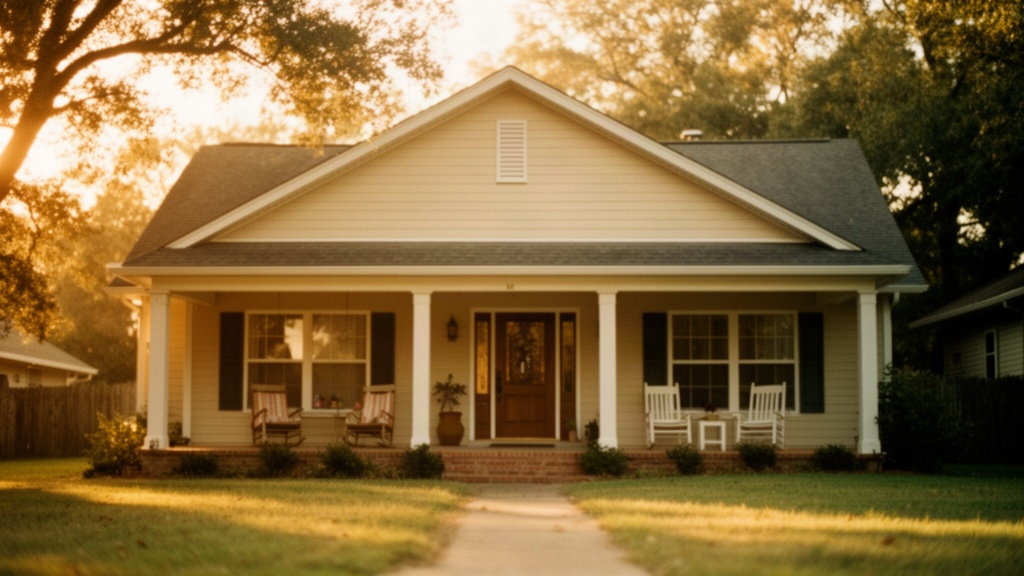
Homes built between roughly 1910 and 1955 make up a meaningful share of Lebanon's inventory, especially within ten blocks of downtown. These are typically one-story or one-and-a-half-story craftsman bungalows with covered front porches, wood floors, and smaller lot footprints in the 5,000 to 7,500 square foot range. Many have been updated over the decades with new roofs, vinyl windows, and modernized kitchens, but buyers should budget for the possibility of older plumbing, aging electrical panels, and foundation work depending on the specific property.
These homes tend to price in the $260,000 to $340,000 range when in average condition, and can push higher when they have been fully renovated. The architectural character is real: thick trim, built-in cabinetry, and covered porches are standard features, not upgrades.
Mid-Century and 1970s to 1990s Builds
The largest single category of homes for sale in Lebanon Oregon tends to be the post-war ranch and split-level homes built between 1950 and 1995. These are spread across established residential streets throughout the city's core and inner neighborhoods. Lot sizes in this era are often more generous, running 7,500 to 12,000 square feet, and many have detached garages, mature landscaping, and room to add on. Square footage typically runs 1,100 to 1,800 square feet for a three-bedroom configuration.
Buyers in this category should pay close attention to roof age, HVAC systems, and insulation quality during inspection. Homes from the 1970s and 1980s in Lebanon frequently still have original single-pane windows or older forced-air systems. Pricing for this era lands in the $280,000 to $390,000 range, with condition and updates driving significant spread within that band.
Newer Construction and Subdivisions
Lebanon has seen active new construction on its north and south edges through the mid-2020s. These subdivisions offer open floor plans, two-car garages, energy-efficient construction, and modern finishes that older homes simply cannot match without significant renovation cost. Trade-offs include smaller lots, less mature landscaping, and HOA fees in some developments. Prices for new construction typically start around $380,000 and can reach $520,000 or more for larger layouts.
The new housing developments and subdivisions guide for Lebanon in 2026 covers the active projects, their locations, builder names, and what to expect during the purchase process for new builds specifically.
3. Lebanon's Distinct Property Zones: What to Expect in Each Area
Lebanon is compact enough that no part of town is more than about 10 to 12 minutes from any other by car, but the character of the housing stock shifts noticeably depending on where you are. Knowing the physical differences between Lebanon's property zones helps you narrow your search before you start scheduling tours.
Central and Downtown-Adjacent Streets
The blocks surrounding downtown Lebanon along Main Street, Grant Street, and the numbered cross streets hold the highest concentration of pre-1960 homes in the city. Lots are smaller and street-facing garages are rare; most properties have detached garages accessed from an alley. The walkability to Lebanon's downtown core, including Depot Park, the Lebanon Farmers Market, and the historic Carnegie library building, is a genuine feature of living in this zone. Properties here tend to be priced modestly because of age and lot size, but the architectural character is distinct.
For a deeper look at what the downtown real estate landscape looks like, the downtown Lebanon real estate market guide covers price trends, turnover rates, and what buyers typically find when they shop this part of town.
North Lebanon
North Lebanon, generally the area north of Vine Street toward the Santiam Highway corridor, mixes established mid-century neighborhoods with newer subdivisions that have filled in over the past 15 years. Lot sizes are more varied here: you will find quarter-acre lots with room for a shop or garden alongside tighter subdivision lots in newer phases. This zone also provides relatively quick access to Highway 20 heading west toward Albany, which matters for buyers who commute.
The price range in north Lebanon is broad, from the high $200,000s for older, smaller homes to the low $500,000s for larger newer builds on better lots. Buyers who want a newer home without paying Corvallis prices often focus their search here.
South Lebanon and Highway 20 Corridor
South Lebanon, along and south of Stoltz Hill Road toward the city's edge, includes a mix of 1980s and 1990s ranch homes and some of the city's more recent subdivision development. This part of town sits close to Lebanon's commercial corridor on South Santiam Highway, where you find Fred Meyer, Bi-Mart, Home Depot, and most of the city's retail and dining options. Proximity to those services is a practical convenience that many buyers prioritize.
Homes in south Lebanon typically feature larger attached garages, open-plan interiors, and yards in the 7,000 to 10,000 square foot range. Prices here cluster in the $310,000 to $430,000 range for move-in-ready properties.
Santiam River and Rural Fringe
The properties along and near the South Santiam River, including parcels east of the city toward Waterloo and the rural addresses that carry Lebanon mailing addresses, represent a distinct category entirely. These are typically larger parcels ranging from one to five or more acres, often with well and septic rather than city utilities, and sometimes with direct river frontage or agricultural outbuildings. Prices vary widely based on acreage, water rights, and condition, but riverfront parcels regularly list in the $400,000 to $700,000 range.
The Santiam River area real estate guide covers these properties in detail, including what buyers need to know about well and septic inspections, flood zone designations, and the specific due diligence steps that apply to rural parcels.
4. What Drives Price Differences Across Lebanon Properties
Two homes on the same street in Lebanon can be priced $80,000 apart and both be priced correctly. Understanding what creates that spread helps buyers evaluate listings more accurately and make stronger offers.
Lot Size and Usable Land
In Lebanon, lot size is one of the most consistent value drivers. A 5,000 square foot city lot and a 15,000 square foot lot with RV parking, a shop pad, and garden space are not interchangeable even if the house on top is identical. Buyers who want space for a detached shop, chickens, or a large garden need to filter specifically for lot size rather than relying on bedroom count alone. The city's zoning allows for accessory dwelling units on qualifying lots, which adds another layer of value for larger parcels.
Age, Condition, and Updates
A 1975 ranch home with a new roof, updated electrical, new HVAC, and a renovated kitchen is a fundamentally different purchase than the same floor plan with all original systems. In Lebanon's market, sellers who have made those updates price accordingly, and buyers who skip the inspection to stay competitive often discover deferred maintenance costs after closing. Budget for a thorough inspection on any home built before 2000, and ask specifically about roof age, panel amperage, and water heater vintage.
Proximity to Amenities and Commute Routes
Access to Highway 20 is a real pricing factor for buyers who commute west to Albany or Corvallis. Homes on the west and north sides of Lebanon shave five to ten minutes off that drive compared to properties on the far east side. Similarly, proximity to Cheadle Lake Regional Park, Lebanon's largest recreational amenity with walking trails, a disc golf course, and lake access, influences desirability for some buyers. Neither factor is enormous in dollar terms, but both are real.
Property taxes are another number that varies meaningfully between properties and affects your true monthly cost. The guide to how property taxes work in Lebanon Oregon explains how assessed value, Measure 50 compression, and local levies interact to produce the actual tax bill on any given property.
5. Practical Steps for Buyers Looking at Lebanon Oregon Homes
Knowing the market is only useful if you are positioned to act when the right home appears. These are the practical steps that separate buyers who close from buyers who keep losing homes to faster, better-prepared offers.
Get Pre-Approved Before You Tour
A pre-approval letter from a lender is not the same as a pre-qualification, and sellers in Lebanon know the difference. Pre-approval means the lender has reviewed your income documents, credit, and assets and issued a conditional commitment. In a market where a well-priced home can receive multiple offers within the first weekend, showing up without that letter means you are not really in the game. Use a lender who can close in 30 days or fewer; some Lebanon sellers are wary of extended timelines.
Understand What the Market Is Doing in September 2026
September is historically one of the more active months in the Willamette Valley, as buyers who paused over summer get serious before the fall slowdown. Nationally, the NAR has reported that existing-home sales volumes have softened in recent months, which you can review in the NAR's June existing-home sales report. Lebanon's local dynamics do not always mirror national trends, but understanding the broader context helps you calibrate your expectations about competition and negotiating room.
Homes priced accurately in Lebanon are still attracting serious interest within the first two weeks. Properties that sit longer are typically overpriced relative to condition or have inspection-level concerns that informed buyers are avoiding. That means days-on-market data is a useful signal when you are evaluating whether to offer at, above, or below list price.
Work With a Local Expert
Lebanon is a market where local knowledge genuinely matters. Knowing which streets have seasonal drainage issues, which subdivisions have HOA restrictions that affect your plans, and which sellers are motivated versus testing the market is information that does not appear on any listing sheet. An agent who works Lebanon regularly has that context. Shawn Richardson of eXp Luxury has focused on Lebanon and the surrounding Linn County area, and brings that ground-level familiarity to every transaction.
If you are new to the area and want a broader picture of day-to-day life before committing to a neighborhood, the guide on what it is actually like to live in Lebanon Oregon covers the practical realities: grocery options, healthcare access, recreation, and the general pace of life in a city of about 17,000 people.
FAQ
What is the typical price range for homes for sale in Lebanon Oregon right now?
As of September 2026, the median sale price for single-family homes in Lebanon sits in the low-to-mid $300,000s. Entry-level homes, typically smaller or older properties needing some updates, start around $250,000. Move-in-ready homes with updated kitchens, newer roofs, and larger lots tend to price between $340,000 and $430,000. Newer construction on the north and south edges of the city, with modern finishes and energy-efficient builds, generally starts around $380,000 and can reach $520,000 or more for larger floor plans. Rural parcels and Santiam River-area properties with acreage occupy their own pricing tier and can range considerably higher depending on land size and features.
How long are homes sitting on the market in Lebanon Oregon in 2026?
In September 2026, the average days on market for homes in Lebanon has increased compared to the hyper-competitive conditions of 2023 and 2024. Well-priced, move-in-ready homes in good condition are still going under contract within one to two weeks, sometimes faster if they are priced below $320,000. Homes that are overpriced relative to condition or that have deferred maintenance issues visible in the listing photos tend to sit for 30 days or more before seeing price reductions. Watching days-on-market data for a specific property gives you useful leverage information when deciding how to structure your offer.
Are there homes for sale in Lebanon Oregon with acreage or rural land?
Yes. Lebanon's surrounding area, particularly east of the city toward Waterloo and along the South Santiam River corridor, has a consistent supply of properties on one to five or more acres that carry Lebanon mailing addresses. These rural fringe properties typically use well water and septic systems rather than city utilities, which requires additional due diligence during the inspection period, including well flow tests and septic evaluations. Lot sizes, water rights, flood zone designations, and the condition of outbuildings like shops and barns all factor significantly into value. Prices for rural parcels with acreage in the Lebanon area range from the mid $300,000s for modest homes on a couple of acres to $700,000 or more for riverfront properties with significant land.