
← Back to Blog
Neighborhoods
What Neighborhoods or Areas of Lebanon Oregon Are Close to Downtown or Have Walkable Access to Shops
By Shawn Richardson
Exp Luxury · DRE# 201210661
September 25, 2026 · 11 min read
If you want to know what neighborhoods or areas of Lebanon Oregon are close to downtown or have walkable access to shops, the short answer is that Lebanon's older residential streets radiating out from Park Street and Main Street put you within a short walk of the city's core retail, dining, and services. This guide breaks down each area by distance, housing type, and what you can actually reach on foot, so you can match a location to how you want to live day to day.
1. How Downtown Lebanon Is Laid Out and Why It Matters for Walkability
Lebanon's walkable core is compact and navigable on foot. The city's commercial heart sits along Main Street between about 2nd Street and 7th Street, with Park Street running parallel one block south. That stretch holds most of Lebanon's everyday retail: grocery options, pharmacies, hardware, restaurants, coffee shops, and city services. The Linn County offices and Lebanon City Hall are also within this corridor, so errands that involve paperwork are walkable too.
Lebanon sits in the southern Willamette Valley, about 14 miles east of Albany and 20 miles southeast of Corvallis. The city's population is roughly 17,000, which keeps the downtown footprint manageable. Because Lebanon was platted in a traditional grid pattern, the blocks are short and the street network is easy to navigate without a car once you are within a half mile of Main Street.
The Commercial Core Along Main and Park Streets
The blocks between 2nd and 8th along Main Street include a mix of locally owned shops, a pharmacy, several restaurants, a coffee roaster, and the Lebanon Farmers Market, which runs seasonally in Cheadle Lake Park nearby. Park Street adds a few more service businesses and the Lebanon Public Library, which is a resource many walkable-neighborhood buyers specifically ask about. The Safeway on South 5th Street sits about four blocks from the Main Street intersection, making it one of the most walkable grocery options in the city.
What You Can Actually Reach on Foot
From a home located within four blocks of Main Street, a typical resident can walk to a full-service grocery store, two or three sit-down restaurants, a pharmacy, the post office, the library, and city hall in under 15 minutes. That is a meaningful level of walkability for a city of Lebanon's size in rural Oregon, where most towns require a car for nearly every errand. The NAR's research on walkable communities consistently shows that buyers place real monetary value on this kind of access, and Lebanon's downtown grid delivers it in a way that most of the surrounding rural Linn County cannot.
2. The Neighborhoods Closest to Downtown Lebanon Oregon
The areas with the most walkable access to shops in Lebanon are the residential streets within roughly a quarter mile of Main Street. These fall into three loose zones: the blocks north and west of Main Street, the South Main corridor, and the east side residential grid. Each has a distinct character in terms of housing age, lot size, and street feel.
The Streets Directly North and West of Main Street
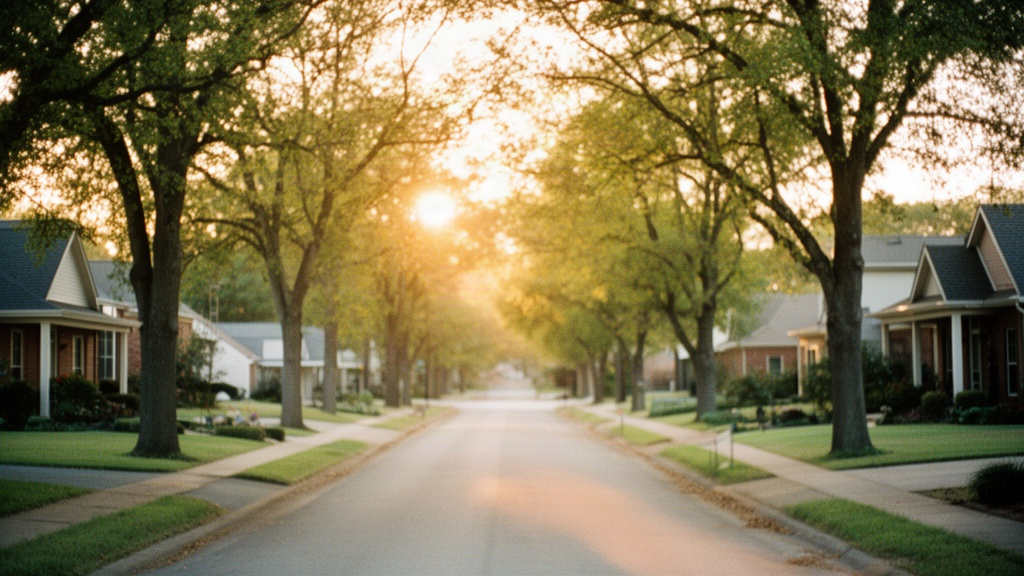
The residential blocks immediately north of Main Street, roughly between 2nd and 10th Streets and stretching up to Oak Street and Maple Street, represent the most walkable residential addresses in Lebanon. Many of these homes sit one to three blocks from shops, making a mid-morning walk to the coffee shop or library genuinely practical. Streets like Grant Street, Sherman Street, and Oak Street in this zone have established sidewalks on most blocks, mature street trees, and a mix of older homes on relatively modest lots.
The blocks west of downtown along 2nd Street and 3rd Street, heading toward the Santiam River, also offer close proximity to the commercial strip. Some of these blocks back up against the river corridor, which adds a natural amenity to the walkable access. Homes on the west side of the grid tend to be older, some dating to the early 1900s, and the lots are typically smaller than what you find in Lebanon's newer subdivisions to the north.
The South Main Corridor
South of Main Street, the residential grid continues along streets like Cedar Street, Vine Street, and Ash Street. This zone puts residents within a short walk of the Safeway on South 5th and several of the service businesses along the southern end of the commercial corridor. The housing here is a mix of mid-century ranch homes and some older two-story houses, typically on standard city lots of roughly 6,000 to 8,000 square feet.
Because the Safeway anchors the south end of the walkable zone, buyers who prioritize grocery access without a car often look carefully at homes on Ash, Cedar, and the numbered streets between 4th and 8th south of the railroad tracks. The walk from a home on, say, Cedar Street near 5th is roughly five to seven minutes to the store entrance. That is a meaningful difference from homes a mile or more out, where a car is essentially required for every grocery run.
The East Side Residential Grid
Moving east along Main Street toward the 10th to 15th Street range, the residential streets are still within a reasonable walk of downtown but the distance starts to stretch past the half-mile mark. Homes here are often slightly larger on average, with more mid-century construction from the 1950s and 1960s. Sidewalk coverage is less consistent in this zone, which affects the practical walkability even if the straight-line distance looks manageable on a map.
The east side of Lebanon also includes access to Cheadle Lake Park, a 40-acre park with a lake, walking trails, and picnic areas. For buyers who value outdoor access alongside urban convenience, homes in the east grid offer a combination that the blocks closest to downtown do not: proximity to both the commercial core and a significant green space. The park is roughly a 10-minute walk from the 10th Street corridor.
3. What the Housing Stock Looks Like in These Walkable Areas
The homes closest to downtown Lebanon tend to be older and smaller than what you find in the city's newer subdivisions. That is typical of any city where the downtown core was built out first and newer growth happened on the edges. For buyers, this means the walkable neighborhoods offer character and established landscaping at the cost of some square footage and modern finishes.
Older Craftsman and Bungalow Homes
The blocks within two to four blocks of Main Street include a notable concentration of Craftsman bungalows, foursquares, and early ranch-style homes built between roughly 1910 and 1960. These homes typically run between 900 and 1,800 square feet, with covered front porches, wood floors, and older mechanical systems that buyers should budget to update. Many have been renovated over the decades, so the condition varies considerably from one property to the next.
For buyers interested in the full picture of Lebanon's neighborhood inventory, the neighborhood-by-neighborhood property guide on this site covers housing types across the city in more detail. The walkable downtown zone is one piece of a broader market that includes newer construction on Lebanon's north and west edges.
Lot Sizes and Price Ranges in 2026
In September 2026, homes in Lebanon's walkable downtown-adjacent streets are generally priced in the $280,000 to $380,000 range for move-in-ready properties, though condition and recent updates shift that range significantly in both directions. Distressed or original-condition homes occasionally come to market below $260,000, while fully renovated properties with modern kitchens and updated systems can reach $400,000 or more. Lot sizes in the original city grid typically run between 5,000 and 9,000 square feet, smaller than the quarter-acre and larger lots common in Lebanon's newer subdivisions.
For broader context on what homes are selling for across Lebanon right now, the current market data on this site covers median prices and inventory levels as of September 2026. Understanding where downtown-adjacent homes sit relative to the city's overall median helps buyers make sense of whether the walkability premium is priced in or whether there is still value to be found close to the core.
4. Areas Just Beyond Walking Distance That Still Offer Easy Access
Not every buyer needs to be within a five-minute walk of Main Street. Some buyers want a short bike ride or a quick drive rather than true pedestrian access, and that opens up a larger portion of Lebanon's residential inventory. The areas between a quarter mile and a half mile from downtown still offer convenient access without the constraints of the original small-lot grid.
The Quartermile Ring Around Downtown
The residential streets between roughly a quarter mile and a half mile from Main Street include a wider range of housing types. You start to see more 1970s and 1980s ranch homes in this zone, along with some duplexes and smaller multi-family properties. Streets like Williams Street, Tangent Street, and portions of the numbered streets in the mid-teens fall into this band. The walk to downtown from here is 10 to 15 minutes at a moderate pace, which many buyers find acceptable for occasional errands even if they would not walk for every trip.
This zone also includes better sidewalk continuity in some directions than the immediate downtown blocks, where older infrastructure means gaps in the pedestrian network. Buyers who are comparing the immediate downtown grid against the quartermile ring should walk the specific routes they would use before deciding, since the map distance and the actual pedestrian experience can differ meaningfully.
Newer Subdivisions to the West and North
Lebanon's newer residential growth has pushed primarily to the north and west of the original city grid, in subdivisions built largely since the 1990s. These areas offer newer construction, larger lots, and more consistent infrastructure, but they sit a mile or more from the Main Street commercial core. A car is essentially required for grocery runs from most of these locations, though the drive to downtown is typically five minutes or less.
For buyers considering Lebanon's newer subdivisions, the trade-off is clear: more square footage and modern construction in exchange for car dependency for most errands. Some buyers in this category look for homes near the Highway 20 commercial corridor on the west side of town, which has a Fred Meyer, a Bi-Mart, and several national chain retailers. That corridor is not walkable from most residential streets, but the drive is short and the retail selection is broader than downtown.
For buyers weighing a move to Lebanon more broadly, the relocating to Lebanon Oregon guide covers the full process, costs, and timeline for getting into a home here, whether you are targeting the walkable downtown core or the newer subdivisions on the city's edges.
5. What Buyers and Renters Should Know Before Choosing a Walkable Location in Lebanon
Walkability in a smaller Oregon city like Lebanon is not the same as walkability in Portland or Eugene. The scale is different, the sidewalk network has gaps, and the retail mix is more limited. Buyers who set realistic expectations and actually walk their intended routes before making an offer tend to be more satisfied with their choice than those who rely on map distances alone.
Sidewalk Coverage and Street Conditions
Lebanon's sidewalk network is more complete in the blocks immediately adjacent to Main Street and thins out as you move into the residential grid. Some blocks in the north and east residential areas have sidewalks on only one side of the street, and a few blocks in the older grid have no sidewalk at all. This matters practically for anyone walking with a stroller, a mobility aid, or in wet weather, which in the Willamette Valley means roughly November through April.
Before making an offer on a home you intend to use as a walkable base, it is worth doing a test walk on a rainy afternoon. The route from a specific address to the grocery store or the library will tell you more than any walkability score. Pay attention to curb cuts at intersections, surface conditions, and lighting, particularly if you would be walking in the early morning or evening hours in winter.
Parking and Car Dependency Trade-Offs
Homes in the immediate downtown grid often have smaller lots and less off-street parking than homes in Lebanon's newer subdivisions. Some of the older properties have a single-car garage or a narrow driveway, and street parking is the norm for additional vehicles. For households with multiple cars, this is a practical consideration worth thinking through before prioritizing walkability over lot size.
On the other hand, households that can reduce to one car by living walkably in Lebanon stand to save meaningfully on transportation costs. AAA's annual cost data puts average car ownership in Oregon at roughly $10,000 to $12,000 per year when you include depreciation, insurance, fuel, and maintenance. A home that eliminates one vehicle from a household's budget can offset a higher purchase price over time, which is one reason buyers increasingly factor walkability into their financial calculations.
How Walkability Affects Home Values Here
Research from the National Association of Realtors shows that buyers are willing to pay more for walkable homes, and Lebanon is not immune to that dynamic. Homes within easy walking distance of downtown Main Street tend to hold their value well relative to comparable properties farther out, in part because the supply of truly walkable addresses in Lebanon is limited by the size of the original city grid.
That said, Lebanon is still a small market and the walkability premium here is more modest than what you would see in a larger city. The price difference between a home three blocks from Main Street and one a mile out is not dramatic in absolute dollar terms, but it is consistent and has been durable through multiple market cycles. For buyers who plan to hold a property for five or more years, the downtown-adjacent location has historically been a stable choice in Lebanon's market.
If you are also thinking about the investment angle of a walkable downtown property, the investment property guide for Lebanon Oregon covers rental demand, cap rates, and what types of properties perform best in this market.
FAQ
What streets in Lebanon Oregon are closest to downtown shops and walkable without a car?
The residential streets within about four blocks of Main Street offer the most walkable access to shops in Lebanon. That includes the numbered streets between 2nd and 8th running north and south of Main, and the named streets like Oak, Grant, Sherman, Cedar, and Ash in the same zone. From these addresses, the Safeway on South 5th, the Lebanon Public Library on Park Street, and most of the downtown restaurants and retail are reachable in under 15 minutes on foot. Sidewalk coverage is reasonably consistent in this core zone, though it becomes patchier as you move toward the outer residential grid. Walking the specific route from any address you are considering is the most reliable way to assess the real pedestrian experience.
Are homes near downtown Lebanon Oregon more expensive than homes farther out?
In September 2026, homes in Lebanon's walkable downtown-adjacent streets generally list in the $280,000 to $380,000 range for move-in-ready properties, which is broadly in line with the city's overall median rather than dramatically above it. The walkability premium in a market the size of Lebanon is real but modest compared to larger Oregon cities. Homes close to Main Street tend to be older and smaller, which offsets some of the location value relative to newer, larger homes in subdivisions farther from the core. Buyers who want a detailed comparison of specific addresses and price points should work with a local agent who tracks the downtown submarket closely.
Can I get by without a car if I live near downtown Lebanon Oregon?
For daily essentials like groceries, pharmacy, library, and dining, a home within four blocks of Main Street puts most of those needs within walking distance. Lebanon does not have a robust public transit system, so car-free living is more practical as a supplement to a car than as a complete replacement for most households. That said, households that can reduce from two cars to one by living centrally stand to save significantly on transportation costs over time. For medical appointments, regional shopping, and commuting to Albany or Corvallis, a vehicle remains effectively necessary from any Lebanon address. The walkability benefit in Lebanon is best understood as reducing car trips for routine errands rather than eliminating car ownership entirely.