

← Back to Blog
Market Trends
The Santiam River Area Real Estate Market Guide: Prices, Neighborhoods and Timing
By Shawn Richardson
Exp Luxury · DRE# 201210661
September 3, 2026 · 11 min read
If you are weighing a move near the Santiam River area, this real estate market guide covers the prices, neighborhoods, and timing details you need to make a confident decision in Lebanon, Oregon. The South Santiam River runs directly through Lebanon, shaping everything from the city's geography and recreational draw to the types of homes available and how buyers approach the market. Whether you are relocating from the Portland metro, upsizing from a smaller Willamette Valley town, or selling a property you have owned for years, the information below will give you a grounded picture of where things stand right now.
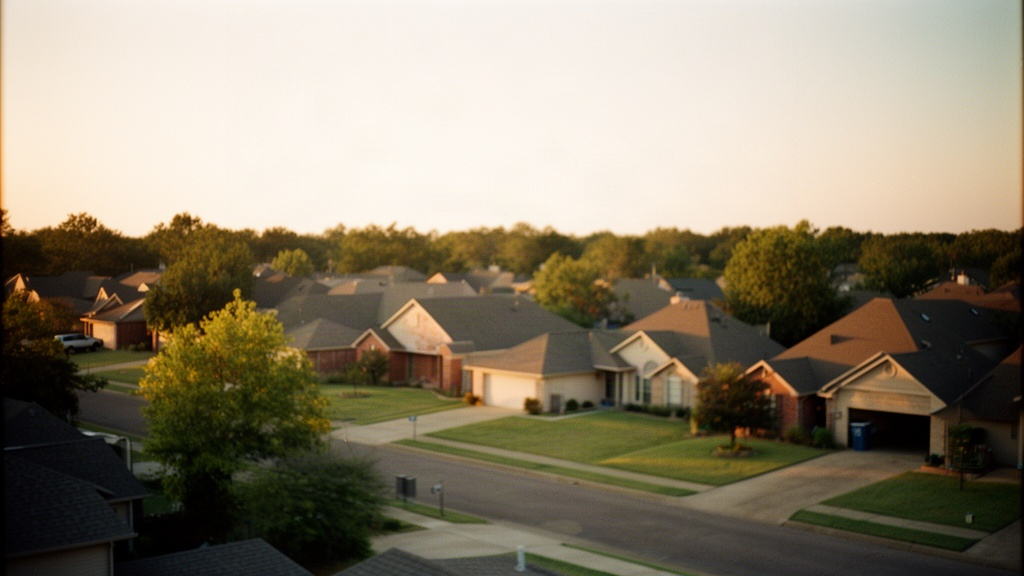
1. What the Santiam River Area Looks Like as a Real Estate Market
Lebanon, Oregon is the Santiam River area's primary real estate hub. The South Santiam River runs along the southern edge of the city before continuing west toward the Willamette River, and that geography is not just scenic background. It directly influences which streets flood in wet winters, where riparian setbacks apply, how large residential lots tend to run, and what kinds of recreational access buyers get when they purchase near the water.
Lebanon sits in Linn County, roughly 25 miles east of Corvallis and about 20 miles southeast of Albany on Highway 20. The drive into the Willamette Valley's larger employment centers, including Corvallis, Albany, and Salem, runs between 25 and 50 minutes depending on traffic. That commute range keeps Lebanon accessible for people who work in those cities but want more land, lower prices, or a quieter setting than the larger metro areas provide.
Lebanon's Position Along the South Santiam
The city of Lebanon has a population of roughly 18,000 to 19,000 people and covers about 7 square miles. The South Santiam River forms a natural southern boundary, and Waterloo County Park sits just a few miles east along the river corridor, offering swimming, camping, and picnicking that draws both locals and visitors during summer months. Santiam State Forest is accessible within a short drive to the east, and the Cascades foothills begin rising noticeably once you pass Sweet Home, about 12 miles up Highway 20.
How the River Shapes Housing Stock and Lot Types
Housing near the river itself tends to run toward larger parcels, older farmhouses, and rural residential properties with well and septic systems rather than city utilities. Inside city limits, Lebanon's housing stock is a mix of post-war ranch homes built in the 1950s through 1970s, 1980s and 1990s split-levels, and a growing inventory of newer construction in subdivisions on the city's north and east edges. Manufactured homes on owned land are also common throughout Linn County, and they make up a meaningful share of the market at lower price points.
2. Current Prices in the Santiam River Area
Home prices in Lebanon remain meaningfully lower than the broader Portland metro while tracking broader Oregon trends. As of September 2026, the median sale price for a single-family home in Lebanon sits in the range of $350,000 to $390,000, depending on condition, lot size, and location within the city or county. That range has held relatively steady through 2026 after several years of rapid appreciation that peaked in 2022 and cooled through 2023 and 2024.
Median Home Prices in Lebanon Right Now
Entry-level homes in Lebanon, typically three-bedroom, one-bath ranch houses built in the 1960s or 1970s, are currently selling in the $280,000 to $330,000 range when they are in average condition. Updated versions of those same homes, with remodeled kitchens or bathrooms, move closer to $340,000 to $370,000. Newer construction in Lebanon's north-side subdivisions, with four bedrooms and attached garages, is generally priced from the mid-$400,000s upward, with some larger builds reaching $500,000 or more.
Price Ranges by Property Type
Rural residential and acreage properties along the Santiam River corridor command a wider price range because lot size, water rights, outbuildings, and road access vary so much from parcel to parcel. A 2- to 5-acre rural residential property with an older home might list anywhere from $380,000 to $550,000. Larger parcels of 10 acres or more with river frontage or mountain views can push well past $600,000 depending on improvements.
Manufactured homes on owned land, a common and practical option in Linn County, typically sell between $180,000 and $280,000 for a double-wide on a standard lot, though condition and land size affect that range considerably. Buyers financing manufactured homes should verify lender requirements early in the process, since some loan programs have age and foundation requirements that narrow the eligible inventory.
How Lebanon Compares to Nearby Linn County Markets
Albany, the Linn County seat about 20 miles west of Lebanon, carries median prices roughly 10 to 15 percent higher than Lebanon for comparable square footage, partly because of its larger employment base and more developed commercial infrastructure. Sweet Home, 12 miles east of Lebanon on Highway 20, runs somewhat lower than Lebanon overall, with a smaller inventory and a higher share of manufactured housing. Corvallis, across the county line in Benton County, is notably more expensive, with medians often 40 to 50 percent above Lebanon's.
That pricing gap is one reason Lebanon continues to attract buyers priced out of Corvallis and the broader Willamette Valley. For broader context on where Oregon fits into national trends, Forbes Advisor's housing market predictions for 2026 outline the national forces shaping inventory and pricing this year, including rate sensitivity and regional supply constraints that apply across the Pacific Northwest.
3. Neighborhoods and Pockets to Know Near the Santiam River
Lebanon does not have formally named neighborhoods the way larger cities do, but there are distinct geographic and architectural pockets that buyers quickly learn to recognize. Understanding those pockets helps you set realistic expectations about lot size, home age, utility type, and price before you start touring properties.
Established In-Town Areas
The core residential areas surrounding downtown Lebanon, along streets like Grant Street, Sherman Street, and the blocks radiating out from the Lebanon Strawberry Festival fairgrounds, are where you find the city's oldest housing stock. These homes were built primarily between the 1910s and 1960s, with lot sizes typically running 6,000 to 9,000 square feet. Many have been updated over the decades but retain their original footprints, which means smaller square footage than newer builds.
For a closer look at what is happening in the city center, the Downtown Lebanon real estate market guide covers the in-town market in more detail, including which blocks are seeing the most activity and what buyers typically find at various price points.
Rural and Acreage Properties Along the River Corridor
South of Lebanon along the river corridor and in the unincorporated areas of Linn County between Lebanon and Sweet Home, buyers find rural residential properties that range from small hobby farms to larger acreage with timber, pasture, or orchard land. These properties are served by Linn County roads rather than city streets, and most rely on well water and septic systems.
Due diligence on rural properties near the Santiam River requires careful attention to flood zone maps, particularly FEMA's current flood insurance rate maps for Linn County, since portions of the river corridor fall within designated flood zones that trigger mandatory flood insurance requirements for federally backed loans. Well water quality tests and septic inspections are standard practice and should be built into every offer on rural Linn County properties.
New Construction and Developing Areas
Lebanon's newer residential growth has pushed primarily north and northeast of the city center, along arterials like Airport Road and in subdivisions off of North 5th Street. These areas offer the largest lots within city limits, the newest infrastructure, and homes built to current energy codes. Buyers in these areas typically pay a premium for newer construction but get lower maintenance costs in the near term and more predictable utility performance.
Some builders have offered spec homes and pre-sale opportunities in Lebanon's newer subdivisions through 2026, though inventory of truly new construction remains limited relative to demand. If new construction is your priority, working with a local agent who tracks builder activity is the most reliable way to know what is actually available before it hits the public MLS.
4. Market Timing: When to Buy or Sell Near the Santiam River
Timing the Lebanon market is less about finding a perfect window and more about understanding the seasonal rhythm and what inventory is doing in any given month. Right now in September 2026, the market is in its late-summer transition, which creates specific dynamics for both buyers and sellers.
Seasonal Patterns in Lebanon's Market
Lebanon follows the broader Oregon pattern: listing activity peaks in spring, roughly March through June, when sellers want to capture the largest pool of active buyers and buyers want to be settled before the school year starts. Summer sees continued activity but slightly slower pace. By September, some buyers who started searching in spring have already purchased, which reduces competition modestly compared to peak spring months.
For sellers, listing in September and October can still produce strong results if the home is priced correctly. The buyers who remain active in fall tend to be motivated, often because of job relocations, lease expirations, or life changes that do not wait for spring. A well-priced, well-presented home in Lebanon typically attracts serious attention within the first two to three weeks on market, regardless of season.
What Inventory Looks Like in September 2026
Inventory in Lebanon and the broader Linn County market has loosened somewhat compared to the extreme scarcity of 2021 and 2022, but it has not flipped into a true buyer's market. Buyers currently have more choices than they did two or three years ago and are seeing fewer multiple-offer situations on standard residential properties. However, well-maintained homes priced at or below median still move quickly, often within 30 days.
For a detailed breakdown of how supply and demand are currently tilted, the Lebanon housing market buyers vs. sellers guide walks through the specific indicators that define which side of the negotiating table has more leverage right now.
Rate Environment and Buyer Activity
Mortgage rates remain the single biggest variable shaping buyer behavior in Lebanon as of September 2026. Rates have been elevated relative to the historic lows of 2020 and 2021, and that has kept some potential buyers on the sidelines. At the same time, buyers who are purchasing now are doing so with realistic expectations about monthly payments and are not competing in the frenzied environment of peak years.
The National Association of Realtors has tracked how rate sensitivity has reshaped buyer pools across smaller Oregon markets. Their 2025 Real Estate Market Outlook provides useful context on how affordability pressures and inventory constraints have played out nationally, patterns that are visible in Lebanon's own data through 2026.
If you are trying to decide whether to buy now or wait, the article on whether right now is a good time to buy in Lebanon covers the specific trade-offs in detail, including what waiting typically costs in a market like this one.
5. Working With a Local Expert in the Santiam River Area
The Santiam River area real estate market has enough local nuance that hyperlocal knowledge genuinely changes outcomes. An agent who works Lebanon and Linn County regularly knows which streets are in flood zones, which subdivisions have HOA restrictions, which rural roads get impassable in winter, and which price bands are moving versus sitting. That knowledge is not available from a map or a national real estate portal.
Why Hyperlocal Knowledge Matters Here
Lebanon's rural-urban mix means that two properties listed at the same price can have dramatically different carrying costs, risk profiles, and resale potential. A city home on a standard lot with city water and sewer is a fundamentally different asset than a rural property on well and septic, even if the list prices are similar. An experienced local agent will walk you through those differences before you make an offer, not after.
Sellers in Lebanon benefit equally from local expertise. Accurate pricing requires knowing what actually sold in the past 90 days, not just what is listed. Overpricing a Lebanon home by even 5 percent above the current market typically results in extended days on market, which triggers price reductions and ultimately a lower final sale price than a correctly priced listing would have achieved from day one.
What to Ask Before You Hire an Agent
Before committing to an agent for a Santiam River area transaction, it is worth asking how many homes they have closed in Lebanon and Linn County in the past 12 months, whether they have experience with rural and acreage properties if that is what you are buying or selling, and how they approach pricing strategy in a market that has shifted from the peak years.
The article on how to verify a realtor's experience and trustworthiness in Lebanon gives a practical checklist for evaluating any agent you are considering, including what credentials and transaction history actually tell you versus what is just marketing.
Shawn Richardson with eXp Luxury focuses specifically on the Lebanon and Linn County market and brings direct experience with both in-town residential sales and rural acreage transactions along the Santiam River corridor. If you are navigating this market as a buyer or seller, working with someone who knows the specific streets, price bands, and property types in this area is one of the most practical advantages you can give yourself.
FAQ
What is the typical price range for homes near the Santiam River in Lebanon, Oregon right now?
As of September 2026, single-family homes in Lebanon generally sell between $280,000 and $500,000 depending on size, age, condition, and whether the property is inside city limits or in a rural area along the river corridor. Entry-level in-town homes in average condition start around $280,000 to $330,000, while newer construction with four bedrooms runs from the mid-$400,000s upward. Rural acreage properties with river access or larger parcels can exceed $600,000 depending on improvements and land characteristics. Manufactured homes on owned land represent a lower price tier, typically ranging from $180,000 to $280,000. A local agent with current MLS access can give you a precise comparable sales analysis for any specific property type or location you are targeting.
Are there flood zone considerations for properties near the Santiam River?
Yes, portions of the South Santiam River corridor in and around Lebanon fall within FEMA-designated flood zones, and properties within those zones require flood insurance as a condition of any federally backed mortgage. Buyers should request a flood zone determination early in the due diligence process and review the current FEMA flood insurance rate maps for Linn County before making an offer on any property close to the river. Flood insurance premiums vary based on the property's elevation relative to the base flood elevation, and those costs can meaningfully affect monthly carrying costs. Rural properties along the corridor also warrant a review of any riparian setback requirements that may limit what can be built or modified on the parcel. Your agent and your lender should both flag flood zone status as part of standard pre-offer research.
Is September a reasonable time to buy or sell a home in the Santiam River area?
September is a workable time for both buyers and sellers in Lebanon, though the market dynamics differ slightly from the spring peak. Buyers in September face less competition than they would have in March through June, which can mean more room to negotiate on price or request repairs. Sellers who list in September are working with a smaller but more motivated buyer pool, and well-priced homes continue to sell within a reasonable timeframe. The key for sellers is accurate pricing based on what has actually closed in the past 60 to 90 days, not what was selling at the spring peak. For buyers, getting pre-approved and working with an agent who has active MLS access means you can move quickly when the right property appears, which still matters even in a less frenetic market.